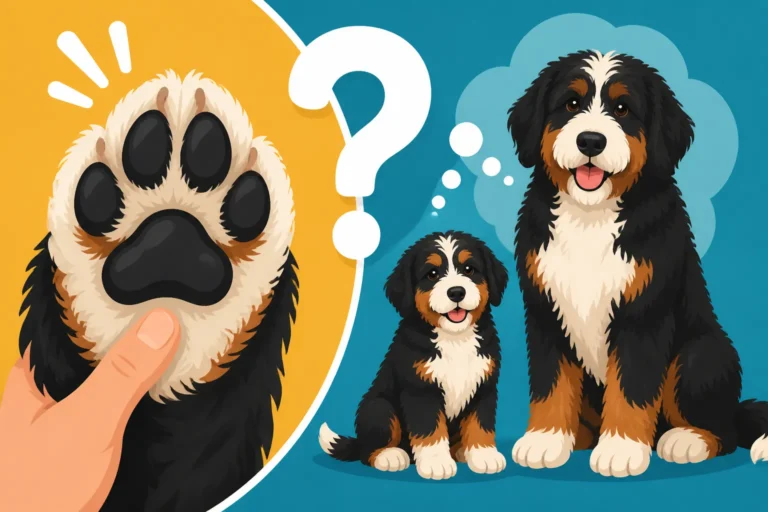
What Tri Color Adds to a Bernedoodle’s Price
Finding your dream Bernedoodle can feel like an exciting journey, but the price tag can sometimes bring you back to earth with a thud. Many prospective owners are absolutely captivated by the stunning tri-color Bernedoodle, with its iconic black, white, and rust markings, and they quickly discover that this particular coat pattern often comes with a significant premium. This guide will explore why those beautiful tri-color markings add to a Bernedoodle's price, delving into the genetics, breeding efforts, and market demand that influence what you can expect to pay for one of these eye-catching companions.
The Undeniable Appeal of the Tri-Color Bernedoodle
There’s just something about the tri-color Bernedoodle that catches everyone's eye, isn't there? It’s often the first image that comes to mind when people think of the breed, a direct nod to their Bernese Mountain Dog heritage. This particular coat pattern isn't just pretty; it tells a story of careful breeding and specific genetic combinations that make it a standout.
Decoding the "Traditional" Tri-Color Pattern
When we talk about a "traditional" tri-color Bernedoodle, we're envisioning that classic Bernese Mountain Dog look. This means a rich, glossy black coat covering most of the body, distinct rust (or sometimes tan) markings on the eyebrows, cheeks, chest, and legs, and crisp white markings typically on the chest, muzzle, and often extending up between the eyes as a blaze, with white paws and tail tip. The symmetry and contrast of these three colors are what makes it so striking and highly sought after. It’s not just having three colors; it's about the placement of those colors. You can have a dog with black, white, and brown, but if the markings aren't in these specific spots, it's not considered a traditional tri-color. Many folks specifically seek out a Bernedoodle that carries these beautiful markings, hoping for that undeniable charm of the Bernese combined with the Poodle's intelligence and lower-shedding coat.
The Genetic Lottery: Why Tri-Color is a Breeding Challenge
Achieving that perfect traditional tri-color pattern in a Bernedoodle is far from a simple roll of the genetic dice; it's quite a complex endeavor for breeders. The tri-color pattern is largely governed by recessive genes, specifically the "at" (tan points) allele at the Agouti locus, combined with specific alleles at other loci (like black 'B' and dilution 'D'). For a puppy to express the tri-color pattern, it needs to inherit these specific recessive genes from both parents. This means a breeder can't just throw any Bernese and Poodle together and expect a tri-color litter. They need to carefully select parent dogs who either express the tri-color pattern themselves or are known carriers of the necessary recessive genes. Even then, due to the myriad of genetic combinations possible with crossbreeding, you can get variations in the intensity and placement of the colors. A breeder might have two tri-color parents, but not every puppy in the litter will be tri-color, and even among the tri-colors, the quality and symmetry of the markings can vary greatly. This inherent genetic challenge makes producing consistently well-marked tri-color Bernedoodles a specialized art, requiring extensive knowledge of canine genetics and a careful selection process.
The Hidden Costs in Breeding for Desired Markings
The higher price of a tri-color Bernedoodle isn't just some arbitrary mark-up; it reflects the significant time, effort, and financial investment a responsible breeder makes to consistently produce these coveted pups. From the initial selection of breeding stock to managing the litter, every step is more involved when a specific, complex coat pattern is the goal.
The Investment in Parent Stock and Genetic Testing
To reliably produce tri-color Bernedoodles, breeders often need to invest more in their breeding dogs. They might seek out Bernese Mountain Dogs with impeccable tri-color genetics and Poodles who are either tri-color themselves (though less common) or are proven carriers of the specific genes needed. This means potentially paying a higher purchase price for the parent dogs, as their genetics are a premium asset. Beyond just appearance, responsible breeders prioritize the health of their lines. This necessitates comprehensive health testing for both parent breeds to screen for common genetic conditions. For the Bernese side, this includes checks for Hips on a Ninety Pound Bernedoodle, Elbow Dysplasia in a Growing Bernedoodle, Von Willebrand's Disease, and certain cancers. For the Poodle side, it's eyes, hips, and other breed-specific concerns. When both parents are tested for these conditions, it helps ensure that puppies, regardless of color, have the best possible start. For example, knowing Whether a Bernedoodle Can Inherit Histiocytic Sarcoma or Degenerative Myelopathy Both Bernedoodle Parents Can Carry is vital, and these tests add to the breeder's overhead. The cost of acquiring, raising, and health testing these specific parent dogs is substantial, and a portion of that investment is naturally factored into the price of their offspring, especially for a highly desirable trait like tri-color.
Supply, Demand, and the "Wow" Factor
At its core, the pricing of tri-color Bernedoodles, like many specialized items, comes down to classic economic principles: supply and demand. The natural rarity of perfectly marked tri-color Bernedoodles means the supply is inherently limited. Not every litter will produce tri-color puppies, and even fewer will yield those with the ideal, symmetrical markings that people swoon over. This limited supply meets a very high demand from individuals and families who are specifically drawn to this iconic look. People often have a very clear picture in their minds of the Bernedoodle they want, and for many, that image includes the striking tri-color pattern. This "wow" factor creates a powerful market draw. When multiple prospective buyers are vying for a few available tri-color puppies, breeders are able to command a higher price. It's not just about the genetics; it's about the emotional appeal and the perceived value of owning a dog that embodies the best of both parent breeds in such a visually appealing way. This high demand, coupled with the difficulty and expense of consistent production, solidifies the tri-color as a premium offering in the Bernedoodle market.
What Influences the Tri-Color Bernedoodle Price Tag Beyond Just Color
While the tri-color pattern itself is a significant price driver, it's never the only factor. A Bernedoodle's final cost is a blend of various characteristics, all contributing to its overall value and appeal. Understanding these additional influences helps you contextualize the price you see.
Size Matters: Standard, Mini, and Tiny Tri-Colors
It might seem counterintuitive, but often, the smaller the Bernedoodle, the higher the price, even within the tri-color category. This is especially true for Mini and Tiny Bernedoodles. Breeding smaller Bernedoodles typically involves using Miniature or Toy Poodles, and often requires more generations of careful breeding to consistently achieve the desired size while maintaining health and temperament. A breeder might be aiming for a specific weight class, say a twenty-five-pound Mini Bernedoodle, and this takes meticulous planning and a deeper understanding of genetics than simply crossing a Standard Poodle with a Bernese. As a result, the time, effort, and resources invested in breeding a tiny tri-color Bernedoodle can easily exceed that of a standard-sized tri-color. The demand for smaller, tri-color versions is also incredibly high, as they offer the beloved look in a more manageable size for apartment living or families seeking a less imposing canine companion. This combination of increased breeding complexity and high demand often leads to a higher price point for a smaller tri-color Bernedoodle. If you're wondering Why a Mini Bernedoodle Costs More Than a Standard, the genetics of size reduction play a huge role, regardless of coat color. When considering The Three Bernedoodle Sizes and What Sets Them, remember that the smaller the desired size, the more specialized the breeding often becomes, leading to higher prices.
Coat Type, Generation, and Reputation
Beyond size, the specific coat type (wavy, curly, or flat), the generation (F1, F1b, F2, Multigen), and the breeder's reputation all play a substantial role in the final price of a tri-color Bernedoodle. An F1 Bernedoodle is a direct cross between a Bernese Mountain Dog and a Poodle. An F1b (backcross) is an F1 Bernedoodle bred back to a Poodle, often to enhance the Poodle's curly, low-shedding coat traits. Multigenerational Bernedoodles involve breeding two Bernedoodles or an F1b with another Poodle. Each generation carries different probabilities for coat type and shedding. A tri-color Bernedoodle with a desirable wavy or curly "furnishing" coat, which is often considered more hypoallergenic and less prone to shedding, may command a higher price than a tri-color with a flatter, more Bernese-like coat that sheds more. Breeders specializing in F1b or Multigen puppies, where the coat traits are more predictable, often charge more due to the additional breeding expertise and time involved. It's also worth noting Whether an F1 Bernedoodle Can Be Tri Color – yes, they absolutely can, but consistency in coat type might vary more. Similarly, Whether a Multigen Bernedoodle Keeps the Lifespan Gain is a consideration for some buyers, influencing perceived value.
Finally, a breeder's reputation and the transparency of their practices are paramount. A highly regarded breeder, known for their ethical standards, comprehensive health testing, and exceptional puppy socialization, will naturally price their puppies higher. This premium reflects not just the color, but the assurance of a healthy, well-adjusted puppy from a breeder who stands behind their dogs. Conversely, a seemingly cheap tri-color Bernedoodle from an unknown source or one lacking proper health clearances should raise a significant red flag, potentially indicating a "backyard breeder" or even a puppy mill prioritizing profit over welfare.
Here's a simplified look at how different factors can influence the price of a tri-color Bernedoodle:
| Factor | Influence on Tri-Color Price | Description |
|---|---|---|
| Size | Higher for smaller sizes | Tiny > Mini > Standard. Smaller sizes often require more complex breeding. |
| Coat Type | Higher for wavy/curly | Wavy/curly (furnishings) are more sought after for low-shedding traits. |
| Generation | Higher for F1b/Multigen | F1b/Multigen often offer more predictable coat types and potentially enhanced health benefits. |
| Marking Quality | Higher for traditional, symmetrical | Clear, well-defined black, rust, and white in classic Bernese pattern. |
| Breeder Reputation | Significant increase | Ethical breeders with health testing, good socialization, and established history command higher prices. |
| Location | Varies by region | Higher demand areas may see higher prices. |
The Real Value Proposition: Beyond the Initial Purchase Price
It's easy to get caught up in the initial price tag of a tri-color Bernedoodle, especially when it's on the higher end of the spectrum. However, true value extends far beyond the moment of purchase. A responsible buyer understands that the upfront cost is just the beginning of a lifelong financial and emotional commitment.
Longevity, Health, and Temperament: The True Return on Investment
While a striking tri-color coat is certainly appealing, the real "value" in a Bernedoodle, or any dog, lies in its health, temperament, and potential for a long, happy life as a family member. Investing in a puppy from a reputable breeder who prioritizes genetic health and early socialization, even if it means a higher initial cost for a tri-color, can actually be a money-saver in the long run. A well-bred Bernedoodle is less likely to suffer from debilitating genetic diseases, which can lead to heartbreaking emotional distress and exorbitant veterinary bills down the line. We all want our furry companions to be with us for as long as possible, and knowing that The Twelve to Fifteen Years a Bernedoodle Is Sold On is a realistic expectation is a comfort. The peace of mind that comes from a puppy with a sound genetic background and a solid start in life is truly invaluable. A puppy bred for temperament will also integrate better into your family, making training easier and reducing the likelihood of behavioral issues that can be costly and stressful to address. So, while you might be paying extra for those beautiful tri-color markings, a significant portion of that premium should also be an investment in a dog’s future well-being and a testament to the breeder’s commitment to healthy, stable lines.
Budgeting for a Bernedoodle: Ongoing Expenses
The purchase price of your tri-color Bernedoodle, whether it’s a standard or a mini, is just the entry fee to pet parenthood. The true financial commitment comes with the ongoing expenses over your dog's lifetime. Thinking about What a Bernedoodle Costs Over Its Whole Life can be eye-opening. You'll need to budget for high-quality food, especially for a larger standard Bernedoodle, as What Feeding a Ninety Pound Bernedoodle Costs can quickly add up. Brands like Chewy and Ollie offer convenient ways to get high-quality nutrition delivered right to your door, but it's an ongoing expense.
Then there's grooming. That beautiful Bernedoodle coat, especially the curly or wavy type that sheds less, requires professional grooming every 6-8 weeks. These sessions can be substantial, and if your tri-color Bernedoodle has a tendency to mat, it can be even more. Regular vet check-ups, vaccinations, parasite prevention, and unexpected medical emergencies are also part of the package. This is where pet insurance, from providers like Healthy Paws, can be a game-changer, helping to offset the costs of unforeseen illnesses or accidents, especially as your Bernedoodle ages. Considering Insuring a Bernedoodle Against the Bernese Half is a smart move for many owners. Beyond the necessities, there are toys, training classes, beds, crates, and all the little extras that make life with a dog so joyful. Understanding these long-term financial commitments is crucial, as they will far outweigh the initial purchase price, regardless of how much you paid for those specific tri-color markings.
Navigating the Market for Your Tri-Color Companion
When you're ready to bring a tri-color Bernedoodle into your life, navigating the market can feel overwhelming. With demand so high, it's easy to get swept up in the excitement, but a cautious and informed approach is essential to ensure you're getting a healthy, well-adjusted puppy from an ethical source.
How to Find a Reputable Breeder
Finding a reputable breeder is the single most important step when seeking a tri-color Bernedoodle. These breeders will be transparent about their practices, eager to answer your questions, and focused on the health and temperament of their puppies above all else. They should readily provide proof of health clearances for both parent dogs – this isn't just a "nice to have," it's non-negotiable. Look for OFA (Orthopedic Foundation for Animals) certifications for hips and elbows, eye certifications from a veterinary ophthalmologist, and genetic testing for conditions common to Bernese Mountain Dogs and Poodles, such as Von Willebrand’s Disease and Degenerative Myelopathy. A good breeder will also ask you plenty of questions to ensure their puppy is going to a suitable home. They will have a clean, safe environment for their dogs and puppies, and they will likely have a waiting list, which is often a good sign of their popularity and ethical practices. They should also be able to discuss the specific genetics behind their tri-color lines, demonstrating a deep understanding of what they are breeding. Don't be afraid to ask for references from previous puppy buyers.
Avoiding "Color-Focused" Puppy Mills and Scams
Unfortunately, the high demand and premium price for tri-color Bernedoodles have attracted unscrupulous breeders and puppy mills who prioritize profit over animal welfare. These operations often cut corners on health testing, proper nutrition, and socialization, leading to puppies with hidden health issues or behavioral problems. A major red flag is a breeder who focuses exclusively on color and appearance without being able to discuss health clearances or temperament. Be wary of breeders who:
- Offer suspiciously low prices, like The Bernedoodle Advertised at Eight Hundred Dollars, which is usually far too low for a well-bred Bernedoodle, especially a tri-color.
- Have multiple litters available simultaneously or a wide variety of breeds.
- Cannot provide health clearances for their breeding dogs or show you proof of vet visits for the puppies.
- Rush you through the selection process or pressure you to make a deposit immediately.
- Won't allow you to visit their facility or meet the parent dogs.
- Ship puppies without a proper screening process or seem unwilling to answer detailed questions.
- Prioritize a specific eye color, like blue, over health and temperament, as certain color genes can sometimes be linked to health issues if not bred responsibly.
Always remember that while the stunning tri-color pattern is desirable, it should never come at the expense of a puppy's health and well-being. Do your due diligence, ask tough questions, and be patient – the right tri-color Bernedoodle from a responsible breeder is worth the wait.
Disclaimer
This article is for general informational purposes only and does not constitute professional advice. Laws, prices and regulations vary by location and change over time. Consult a qualified professional for guidance on your specific situation.