What Testing a Bernedoodle Breeder Has Already Paid For
Bringing a Bernedoodle into your life is an exciting journey, but it can also be a little overwhelming when you start digging into all the details, especially when it comes to a breeder's health claims. Many prospective puppy parents worry about making the right choice, fearful of hidden health issues that could lead to heartache and massive vet bills down the line. This comprehensive guide is here to unravel the complexities of breeder health testing, explaining exactly what responsible Bernedoodle breeders should be doing to ensure the healthiest start for their puppies, and what those tests mean for you.
The Foundation of Responsible Breeding: Why Health Testing Matters
When you’re looking for a Bernedoodle puppy, it’s easy to get swept up in the adorable fluff and charming personalities. But beneath all that cuteness lies a crucial responsibility: ensuring your future companion has the best possible genetic start in life. This isn't just about avoiding obvious issues; it's about proactively screening for conditions that might not show up until much later, after you've already fallen head over heels.
Beyond a Vet Check: Understanding Genetic Screening
It’s a common misconception that a breeder simply having their adult dogs checked by a vet is sufficient. While a general veterinary examination is absolutely essential for overall health, it doesn't even scratch the surface of genetic screening. A vet can tell you if a dog is currently healthy, has clear eyes and good teeth, and an audible heart rhythm. They can palpate joints and listen to lungs. What they can't do in a routine check-up is look into the dog's DNA and predict which inherited diseases they might carry or pass on.
Genetic screening involves specific tests, often DNA tests, that delve into the genetic code of the parent dogs. These tests identify markers for various hereditary conditions that are known to affect Bernese Mountain Dogs and Poodles, the two parent breeds of the Bernedoodle. Many of these conditions are "recessive," meaning a dog can carry the gene for a disease without ever showing symptoms themselves. If two carriers are bred together, however, a percentage of their puppies will inherit two copies of the faulty gene and will develop the disease. A reputable breeder understands this nuance and uses genetic testing to make informed breeding decisions, aiming to avoid such devastating outcomes.
The Cost Commitment: What Breeders Invest In
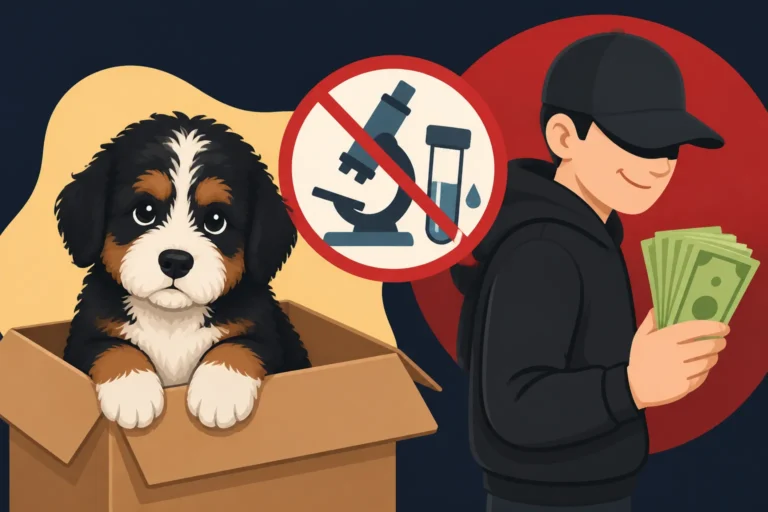
Let’s be honest: responsible breeding isn't cheap. The comprehensive health testing required for Bernedoodle parents is a significant financial investment, and this cost is, quite rightly, reflected in the price of a well-bred puppy. Think of it as an upfront insurance policy for your future dog's health. Breeders who cut corners on testing might offer puppies at a lower initial price, but this "saving" often comes with a hidden, much higher cost later in life for the new owner.
Skipping these vital tests means there's no way to know if the parent dogs are carriers for serious conditions like hip and elbow dysplasia, certain eye diseases, or neurological disorders. When these conditions manifest in a puppy, they can lead to chronic pain, expensive surgeries, lifelong medication, and immense emotional strain for the family. A breeder who proudly shares their health testing results is demonstrating transparency and a commitment to the long-term well-being of their puppies, effectively transferring a portion of that health risk away from you and onto their own responsible breeding practices.
Essential Genetic Tests for Bernedoodle Parents
The Bernedoodle inherits potential health predispositions from both its Bernese Mountain Dog and Poodle lineage. This means a good breeder performs a battery of tests to address the most common and serious issues found in both parent breeds. These aren't just "nice-to-haves"; they are fundamental screenings that any ethical breeder should have in place.
Hip and Elbow Dysplasia Clearances
Hip and elbow dysplasia are unfortunately common orthopedic conditions in large breed dogs, including Bernese Mountain Dogs. These conditions involve the abnormal development of the hip or elbow joints, leading to pain, arthritis, and sometimes severe lameness. The Poodle parent also needs to be screened, as hip dysplasia can occur in any large breed. The most widely recognized organizations for these certifications are the Orthopedic Foundation for Animals (OFA) and PennHIP.
For OFA, adult dogs (typically over 24 months of age) are sedated for specific X-rays of their hips and elbows. These X-rays are then evaluated by a panel of board-certified radiologists who grade the joints. For hips, ratings range from Excellent, Good, Fair (all considered passing), to Borderline, Mild, Moderate, or Severe dysplasia. For elbows, ratings are either normal or dysplastic (Grade I, II, or III). A responsible breeder will only breed dogs with passing hip and elbow scores. Seeing evidence of these clearances is paramount, especially when you consider how much Hips on a Ninety Pound Bernedoodle and Elbow Dysplasia in a Growing Bernedoodle can impact their quality of life.
Eye Examinations and Certification (OFA CAER)
Eye health is another critical area for Bernedoodles, as both parent breeds can be prone to various ocular conditions. Progressive Retinal Atrophy (PRA), cataracts, and conditions like entropion (inward-rolling eyelids) or ectropion (outward-rolling eyelids) can significantly impair a dog's vision, leading to discomfort or blindness. Annual eye examinations, certified through the OFA Companion Animal Eye Registry (CAER), are crucial.
These exams are performed by a board-certified veterinary ophthalmologist, not just a general vet. The specialist uses specific equipment to thoroughly examine all parts of the eye and surrounding structures, looking for any signs of hereditary eye disease. The certification confirms that the dog's eyes were free of observable inherited disease at the time of the exam. Since some conditions can develop later in life, these exams should ideally be repeated annually for breeding dogs. This diligence helps reduce the risk of your puppy inheriting conditions that could cause significant discomfort or vision loss, as outlined in articles like The Eye Conditions a Bernedoodle Is Tested For.
Cardiac Health Screening
Heart conditions can also affect both Bernese Mountain Dogs and Poodles, making cardiac health screening an important part of a comprehensive breeding program. While some heart conditions can be genetic, others may be acquired. The goal of screening is to identify any congenital heart defects that could be passed on to puppies.
The OFA maintains a cardiac database, and breeding dogs can receive clearances based on examinations by a veterinary cardiologist. This typically involves an auscultation (listening to the heart with a stethoscope) to detect murmurs, and ideally, an echocardiogram (an ultrasound of the heart) for a more in-depth assessment. While less common than orthopedic issues, ensuring cardiac health is another layer of protection that a dedicated breeder provides, contributing to the overall longevity and well-being of their Bernedoodle puppies.
Specific Disease Testing from Both Parent Breeds
Beyond the general structural and sensory tests, Bernedoodle breeders also need to target specific genetic diseases known to plague the Bernese Mountain Dog and Poodle breeds. These DNA tests are incredibly powerful because they identify the presence of disease-causing genes, even if the parent dog shows no outward signs.
Von Willebrand's Disease vWD Testing
Von Willebrand's Disease (vWD) is a common inherited bleeding disorder, particularly prevalent in some Poodle lines, and thus a crucial test for Bernedoodle parents. It's similar to hemophilia in humans, affecting the blood's ability to clot properly. Dogs with vWD might experience excessive bleeding from minor cuts, nosebleeds, or prolonged bleeding after surgery or injury. This can be a life-threatening condition, even during routine procedures like spaying or neutering, if not properly managed.
Thankfully, there's a reliable DNA test for vWD. The results classify a dog as "clear" (meaning they don't carry the gene), a "carrier" (they carry one copy but typically don't show symptoms), or "affected" (they have two copies and will likely develop the disease). Responsible breeders will ensure that at least one parent is "clear" of vWD. This way, even if the other parent is a carrier, no puppy will be "affected." Understanding Von Willebrand's Disease in a Bernedoodle is essential for responsible ownership and crucial for breeder transparency.
Degenerative Myelopathy DM Screening
Degenerative Myelopathy (DM) is a progressive neurological disease that affects the spinal cord, leading to hind limb weakness and paralysis. It's a devastating condition, often mistaken for arthritis initially, and sadly, there is no cure. DM is especially concerning in Bernese Mountain Dogs and is also found in Poodles. Given the hybrid nature of Bernedoodles, testing for DM is non-negotiable for responsible breeders.
The good news is that DM is caused by a specific genetic mutation (SOD1), and a DNA test can accurately identify if a dog is clear, a carrier, or at-risk. Similar to vWD, a "carrier" dog typically does not develop DM but can pass the gene to their offspring. Therefore, ethical breeders will always ensure that at least one parent is "clear" of DM before breeding. This pairing prevents any puppies from being "at-risk" of developing the disease. This careful genetic screening plays a huge role in preventing conditions like Degenerative Myelopathy Both Bernedoodle Parents Can Carry and highlights why The SOD1 Test Both Bernedoodle Parents Need is so important.
Other Relevant Genetic Panels (e.g., PRA, IC)
While hip, elbow, eye, vWD, and DM are often considered the core tests, many comprehensive breeders go even further by utilizing broader genetic panels. These panels can screen for dozens of other potential conditions relevant to Poodles or Bernese Mountain Dogs. For example, specific forms of Progressive Retinal Atrophy (PRA-prcd) might be included – this is a DNA test for a specific genetic cause of PRA, distinct from the general OFA CAER eye exam.
Another example could be Ichthyosis (IC), a skin condition that can affect Golden Retrievers and sometimes appear in other breeds, though less common in Bernedoodles. Some breeders might also screen for specific forms of hyperuricemia, or other metabolic disorders. The key takeaway is that the more genetic conditions a breeder screens for, the more information they have to make informed breeding decisions and reduce the risk of passing on these inherited diseases. A truly comprehensive breeder is constantly updating their testing protocols as new genetic tests become available and relevant to their lines.
Understanding Health Guarantee and Ethical Breeding Practices
Finding a Bernedoodle from a health-tested lineage isn't just about avoiding future vet bills; it's about choosing a breeder who demonstrates integrity and confidence in their breeding program. This confidence often manifests in a well-structured health guarantee and transparent practices that empower you as a new puppy owner.
Deciphering a Breeder's Health Guarantee
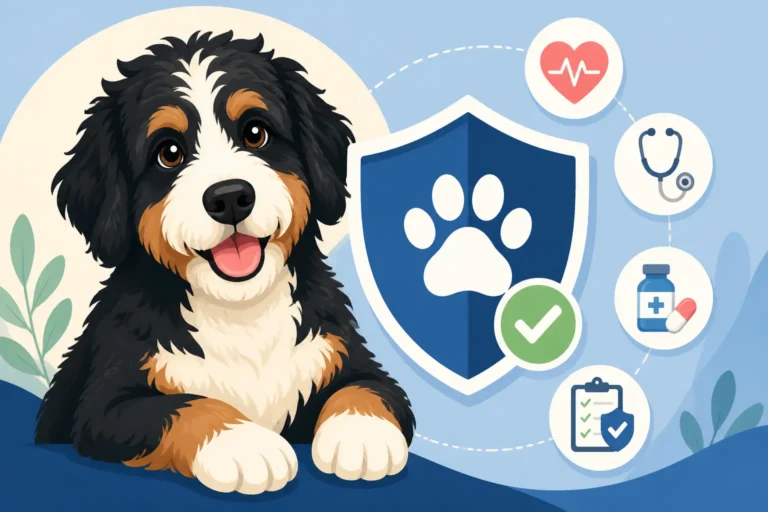
A health guarantee is a critical document provided by a responsible breeder, outlining their commitment to the health of the puppies they produce. Typically, these guarantees cover inherited genetic conditions that manifest within a certain timeframe, often 1-2 years from the date of purchase, and sometimes extending longer for specific, later-onset issues like severe hip or elbow dysplasia. What it should cover are serious, life-altering hereditary conditions that were theoretically avoidable through proper parent testing.
What a health guarantee usually doesn't cover are things like accidents, contagious illnesses contracted after the puppy leaves the breeder's care, or conditions brought on by poor nutrition or lifestyle choices. It's not a blanket promise against all illness, but rather a safeguard against the preventable genetic conditions that a breeder is responsible for screening. A strong health guarantee from a breeder who has completed The Five Clearances a Bernedoodle Breeder Should Have is a sign that they stand behind their dogs and are willing to offer recourse if a covered issue arises, which might involve a refund, a replacement puppy, or assistance with vet bills up to a certain amount. Always read the guarantee carefully and ask for clarification on any points you don't understand.
The Role of a Veterinarian and Puppy Wellness Checks
Even with impeccably health-tested parents and a robust health guarantee, every Bernedoodle puppy still needs a thorough wellness check by your own veterinarian shortly after coming home. Most reputable breeders will include a clause in their contract requiring this vet visit within a few days of bringing the puppy home. This check ensures the puppy is healthy post-travel, hasn't picked up any immediate issues, and allows your vet to establish a baseline for their care.
This initial vet check is a final layer of assurance. It also gives you, the new owner, an opportunity to discuss the puppy's specific needs, vaccination schedule, deworming, and any other health concerns with a trusted professional. Even with the best breeding, unforeseen circumstances can arise, which is why many savvy owners consider pet insurance from providers like Healthy Paws. While health testing dramatically reduces the risk of genetic issues, unexpected accidents or illnesses can still happen, and insurance can provide invaluable peace of mind for those significant, unpreventable vet bills.
Red Flags and Green Lights in Breeder Transparency
When you're evaluating a Bernedoodle breeder, their transparency regarding health testing is your biggest green light. A reputable breeder will not only tell you about the tests they perform but will also readily provide proof of those tests. This means showing you actual OFA certificates with passing grades, PennHIP reports, and genetic DNA test results (e.g., from Embark or Paw Print Genetics) for both parent dogs. Ideally, these documents will include the full registered names and sometimes the registration numbers of the parent dogs, allowing you to cross-reference them in public databases if available.
Conversely, a huge red flag is a breeder who gives vague answers, says "my vet checked them," or claims testing isn't necessary because their lines are "healthy." Another warning sign is a refusal to show you the actual paperwork, or only showing you snippets. You should also be wary if a breeder states that hybrid vigor means health testing isn't as important for a Bernedoodle, which is a dangerous misconception. While hybrid vigor can offer some benefits, it does not magically eliminate the risk of genetic diseases passed down from the parent breeds. Ensuring a healthy diet with quality products from retailers like Chewy or balanced fresh food options like Ollie is crucial for a dog’s well-being, but it’s no substitute for proper genetic health screening at the source. Asking specific questions and expecting clear, verifiable answers about tests is your right and responsibility as a prospective owner.
The Lifelong Impact of Early Health Decisions
The choices you make when selecting a Bernedoodle breeder have ripple effects that can last the entire lifetime of your dog. Investing in a puppy from health-tested parents isn't just a short-term financial decision; it's a long-term commitment to a potentially healthier, happier future for your furry family member.
Preventing Future Heartache and Vet Bills
It's a stark reality that poor breeding practices can lead to devastating consequences for both the dog and the family. Imagine bringing home an adorable Bernedoodle puppy, only to find out a year or two later that it has severe hip dysplasia requiring expensive surgery and lifelong pain management, or worse, that it will succumb to a neurological disease like DM. The emotional toll of watching your beloved pet suffer, coupled with potentially astronomical veterinary bills, can be crushing. While we hope Whether a Bernedoodle Cross Actually Reduced Cancer and other conditions, genetic testing provides the best possible start.
The upfront cost of a well-bred, health-tested Bernedoodle puppy might seem higher at first glance than a puppy from an untested litter. However, when you factor in the potential costs of managing preventable genetic conditions—surgeries, medications, specialized diets, physical therapy—that initial "saving" can quickly evaporate, often many times over. Choosing a breeder who invests in health testing is truly an investment in preventing future heartache and saving you significant financial strain down the road. It also helps to ensure that your Bernedoodle can enjoy a long, active life, moving towards The Twelve to Fifteen Years a Bernedoodle Is Sold On.
Supporting Your Bernedoodle's Health Journey
Health testing the parents is the critical first step, but it's by no means the only component of a Bernedoodle's health journey. Once your puppy comes home, you become the primary steward of their well-being. This involves a holistic approach to care that complements the genetic foundation laid by the breeder. Providing appropriate nutrition is fundamental; feeding a high-quality, large-breed puppy food designed for slow growth (to protect developing joints) and transitioning to an adult formula at the right time is key. Retailers like Chewy offer a vast selection of dog foods to suit specific dietary needs and life stages.
Regular veterinary check-ups throughout your Bernedoodle’s life are vital for preventative care, early detection of issues, and keeping vaccinations up to date. Consistent grooming is also incredibly important for this breed to prevent matting and skin issues, ensuring their comfort and health. Providing appropriate exercise without overstressing developing joints is crucial, especially for a large breed puppy. And, as discussed earlier, having a pet insurance plan in place, such as those offered by Healthy Paws, can provide an essential safety net for unexpected health challenges that aren't tied to genetics. By combining responsible breeding with diligent lifelong care, you set your Bernedoodle up for the best possible chance at a long, healthy, and joyful life.
Here's a quick overview of some key tests:
| Test Type | What it Screens For | Primary Parent Breed Concern | How Results Are Presented | Why It Matters for Bernedoodles |
|---|---|---|---|---|
| Hip Dysplasia | Abnormal hip joint development, leading to arthritis. | Bernese, Poodle | OFA (Excellent, Good, Fair, Mild, Moderate, Severe) or PennHIP scores | Prevents pain, lameness, and costly surgeries in a large, active dog. |
| Elbow Dysplasia | Abnormal elbow joint development, leading to arthritis. | Bernese, Poodle | OFA (Normal, Grade I, II, III) | Essential for mobility and comfort throughout life. |
| OFA CAER Eye Exam | Hereditary eye diseases (PRA, cataracts, entropion). | Bernese, Poodle | OFA (Normal, Affected) | Protects vision and prevents painful eye conditions. |
| Cardiac Health | Congenital heart defects. | Poodle | OFA (Normal, Congenital Cardiac Disease) | Ensures a healthy cardiovascular system for an active life. |
| Von Willebrand's Disease (vWD) | Bleeding disorder affecting blood clotting. | Poodle | DNA Test (Clear, Carrier, Affected) | Prevents excessive bleeding during injury or surgery. |
| Degenerative Myelopathy (DM) | Progressive neurological spinal cord disease. | Bernese, Poodle | DNA Test (Clear, Carrier, At-Risk) | Prevents devastating hind limb paralysis. |
Disclaimer
This article is for general informational purposes only and does not constitute professional advice. Laws, prices and regulations vary by location and change over time. Consult a qualified professional for guidance on your specific situation.