Why Downsizing Raises a Bernedoodle’s Price
It's a frustrating paradox, isn't it? You fall in love with the idea of a fluffy, charming Bernedoodle, then start looking into prices, only to discover that the adorable "mini" or "tiny" versions often come with a significantly higher price tag than their larger "standard" counterparts. It feels counterintuitive – shouldn't a smaller dog cost less, given it will eat less and maybe take up less space? But the reality is far more complex, driven by genetics, breeding effort, and market demand, and it’s a hurdle many prospective owners encounter. This guide will walk you through exactly why downsizing a Bernedoodle adds to its cost, shedding light on the intricate process behind these beloved smaller companions.
The Intricate Genetics and Multi-Generational Breeding
One of the biggest factors pushing up the price of a smaller Bernedoodle is the sheer complexity involved in breeding them. It’s not just a matter of finding a smaller Poodle and breeding it to a Bernese Mountain Dog; consistent size reduction while retaining desirable traits takes careful planning and often multiple generations.
Why Size Reduction Isn't a Simple Equation
When you think about the parent breeds, a Bernese Mountain Dog is a large dog, typically weighing between 70-115 pounds. A Standard Poodle, while leaner, is also a large breed, often 40-70 pounds. To get a Mini or Tiny Bernedoodle, breeders introduce smaller Poodle sizes, like Miniature Poodles (10-15 pounds) or Toy Poodles (4-6 pounds). The challenge is blending these genetics to produce a smaller dog that still embodies the gentle temperament and charming looks of a Bernedoodle, without sacrificing health or structure.
It's a balancing act that requires a deep understanding of genetics and a lot of patience. Breeders aren't just crossing two dogs; they're working with a genetic lottery, trying to predict how size, coat, and temperament genes will combine. Sometimes, an F1 Bernedoodle (first cross between a Bernese and a Poodle) with a Mini Poodle parent might still grow larger than expected. This unpredictability means a breeder might invest significant resources in a litter where some puppies don't meet the desired "mini" or "tiny" size category, impacting the overall cost per puppy for those that do. You might wonder, "Whether the Poodle or the Bernese Sets a Bernedoodle's Size?" The truth is, it's a blend, and often requires careful selection over generations.
The Role of Later Generations (F1b, F2, Multigen)
To consistently achieve smaller sizes and non-shedding coats, breeders often move beyond the initial F1 cross to F1b, F2, or even multigen Bernedoodles. An F1b Bernedoodle, for example, is a backcross of an F1 Bernedoodle to a Poodle (usually a smaller Poodle) to reinforce the Poodle traits like smaller size and curlier, less-shedding coat. This means the breeder has already invested in producing the F1 parent, and now must invest in another generation of breeding.
Each additional generation adds to the breeder's costs: more breeding dogs to house and care for, more health clearances for each parent animal, and more time and effort in planning successful pairings. For example, a breeder aiming for a "Tiny" Bernedoodle might use a Toy Poodle for an F1b litter. This process means that by the time you're looking at a Tiny Bernedoodle puppy, it represents two or even three generations of careful, intentional breeding, each step adding to the cumulative cost. This explains "Whether a Mini Bernedoodle Takes More Generations to Breed" and why these puppies command a premium.
Supply and Demand: The Popularity of Smaller Bernedoodles
Beyond the genetics, a huge driver of the higher cost for smaller Bernedoodles is simply market demand. Everyone seems to want a Bernedoodle these days, but not everyone has the space or capacity for a dog that can reach ninety pounds.
The Appeal of a Manageable Size
Let's be honest, a Standard Bernedoodle is a big dog. While incredibly loving and often calm indoors, they require significant space, especially when they're puppies and prone to clumsy zoomies. For families living in apartments, townhouses, or even smaller suburban homes, a dog weighing 70-90 pounds might simply be too much. This is where the Mini and Tiny Bernedoodles come in – they offer the same beloved traits in a more manageable package.
The idea of having that classic Bernedoodle goofiness, intelligence, and teddy-bear fluffiness, but in a size that fits comfortably on your couch without taking up the whole thing, or that can be easily picked up for a vet visit, is incredibly appealing. This strong preference creates a competitive market. When more people want a specific product (in this case, a smaller Bernedoodle) than there are available, prices naturally go up. It's the economic principle of supply and demand playing out in the puppy market. This is why you'll often see "What a Mini Bernedoodle Sells For" being significantly more than a standard.
Limited Availability and High Demand = Higher Prices
The reality is that litters of Mini and Tiny Bernedoodles are often smaller than those of Standard Bernedoodles because the Poodle parents are smaller breeds. Toy and Mini Poodles typically have fewer puppies per litter compared to Standard Poodles or Bernese Mountain Dogs. Fewer puppies born, combined with immense popularity, means longer waiting lists and higher prices.
Think about it from a breeder's perspective: if they have a litter of 4-6 Tiny Bernedoodle puppies from a breeding that required significant investment, and they have 20 families on a waiting list, they can command a higher price. It’s not about greed, but about covering the substantial costs and time invested, and reflecting the market value driven by enthusiastic demand. People are willing to pay more for the convenience and suitability of a smaller size. This also impacts "What the Tiny Bernedoodle Size Class Costs" as the rarity further increases the value.
Breeder Investments: Time, Health, and Care
Breeding responsibly is incredibly expensive and time-consuming, and these costs are amplified when aiming for specialized outcomes like smaller Bernedoodles. The price you pay for a puppy reflects the ethical breeder's significant investment.
Extensive Health Testing for Parent Dogs
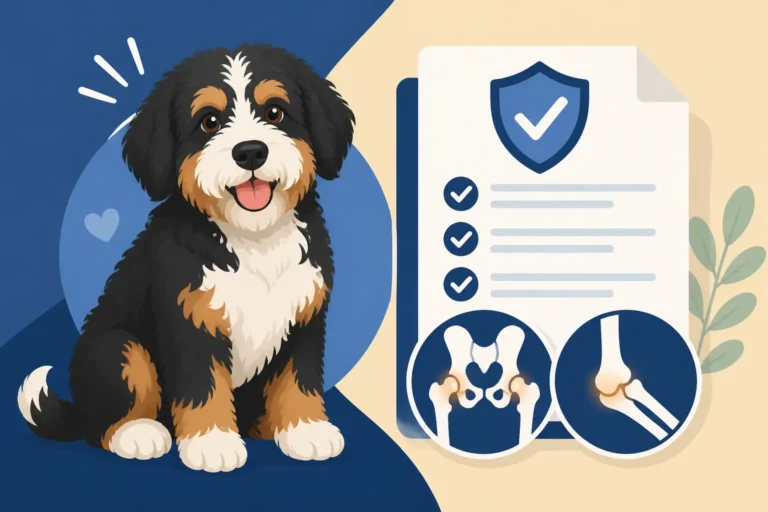
Any responsible Bernedoodle breeder, regardless of size, invests heavily in health testing their parent dogs. This is paramount to ensure the puppies are as healthy as possible and to mitigate the risks of genetic diseases prevalent in both Bernese Mountain Dogs and Poodles. For Bernedoodles, this often includes testing for hip and elbow dysplasia, Von Willebrand's disease, degenerative myelopathy (DM), and various eye conditions. These tests are not cheap, and they are performed on all breeding dogs, sometimes annually.
When breeding smaller Bernedoodles, breeders might also need to consider specific health issues common to smaller Poodle varieties, such as patellar luxation (slipping kneecaps), in addition to the standard Bernese and Poodle panels. The cost of these comprehensive genetic and orthopedic clearances from organizations like OFA (Orthopedic Foundation for Animals) or PennHIP can add up to thousands of dollars per breeding dog. It's a critical investment, but it's one of the reasons why "The Five Clearances a Bernedoodle Breeder Should Have" is a non-negotiable question to ask, and why the puppies from such breeders are more expensive.
Time, Effort, and Specialized Care
Beyond the financial outlay for health tests and stud fees (which can also be higher for proven smaller Poodle studs), there's the immeasurable investment of a breeder's time and expertise. This includes:
- Care for Breeding Dogs: Providing top-notch nutrition (like specific formulas from brands available on Chewy), regular veterinary care, and a stimulating environment for their breeding dogs is an ongoing expense.
- Whelping and Puppy Care: The intensive period of whelping (birth) and raising a litter of puppies is incredibly demanding. Smaller Poodle mothers, or first-time mothers, might require more vigilant oversight during labor. Puppies need constant monitoring, feeding, socialization, and veterinary checks (deworming, vaccinations, microchipping) before they go to their new homes. This hands-on care for 8-10 weeks is a full-time job.
- Genetic Research and Lineage: Ethical breeders spend countless hours researching pedigrees and genetic lines to make the best possible pairings, especially when trying to consistently produce specific sizes and temperaments. This isn't guesswork; it's scientific and thoughtful.
- Unexpected Veterinary Costs: Pregnancy complications, C-sections, or sick puppies can lead to significant, unforeseen veterinary bills that a responsible breeder must absorb. These potential costs are factored into puppy prices to maintain the kennel's viability.
When a breeder meticulously works to produce a "Mini Bernedoodle" that truly stays within a specific weight range, like 25-50 pounds, or a "Tiny Bernedoodle" under 25 pounds, that extra effort and inherent risk are reflected in the purchase price. It’s an investment in your future companion's health and predictable size.
Understanding the "Micro" and "Teacup" Labels
When searching for a very small Bernedoodle, you might encounter terms like "Micro Bernedoodle" or "Teacup Bernedoodle." While these terms sound adorable, they come with even higher price tags and sometimes raise red flags regarding responsible breeding practices.
What These Labels Imply for Price
The terms "micro" and "teacup" are not recognized breed standards. They are marketing terms used to describe Bernedoodles that are exceptionally small, often under 15 pounds. The scarcity of such tiny dogs, combined with intense demand, pushes their prices sky-high, often exceeding "What the Smallest Bernedoodles Sell For" in the regular "tiny" category. You might see these puppies advertised at exorbitant rates, sometimes even more than a standard luxury car.
The higher price for a "Micro Bernedoodle" stems from the same reasons as Mini and Tiny Bernedoodles, but intensified:
- Extreme Genetic Manipulation: Achieving such a tiny size from a Bernese Mountain Dog lineage requires very specific and often multi-generational breeding, pushing the limits of size reduction.
- Increased Risk of Complications: Extremely small puppies, especially from parents of vastly different sizes, can be more delicate at birth and more prone to health issues. The perceived rarity and associated care amplify the cost.
- Intense Demand for "Novelty": There's a niche market for the absolute smallest versions of popular breeds, which drives up demand disproportionately to the supply.
Why Caution is Advised
While the idea of a truly tiny Bernedoodle is enchanting, prospective buyers should approach "Micro" or "Teacup" labels with extreme caution. These terms can sometimes be used by less reputable breeders who prioritize extreme smallness over health and temperament. Smaller dogs, especially if bred indiscriminately, can be prone to various health problems, including hypoglycemia, open fontanels (soft spots on the skull), fragile bones, and dental issues.
A reputable breeder will focus on healthy, well-tempered dogs that fit within recognized size categories (Standard, Mini, Tiny) and will be transparent about expected adult weights, explaining "Predicting What a Bernedoodle Puppy Will Weigh" without making unrealistic promises. They will also emphasize health clearances and ethical breeding practices over marketing buzzwords. Always ensure any breeder you consider provides a comprehensive health guarantee, and that you have a plan for comprehensive pet insurance from a provider like Healthy Paws or consider a fresh food delivery service like Ollie for optimal nutrition, especially for a potentially delicate small dog. Remember, "Whether a Micro Bernedoodle Is a Real Size" is a critical question to consider.
In essence, the higher price for smaller Bernedoodles isn't just a random markup; it's a reflection of the profound effort, financial investment, and specialized knowledge required to ethically produce these wonderful companions in a size that suits a wider range of lifestyles.
| Factor Driving Price Increase | Standard Bernedoodle | Mini/Tiny Bernedoodle |
|---|---|---|
| Breeding Complexity | Moderate | High (multi-generational often needed) |
| Parent Dog Size Range | Large Poodle x Bernese | Mini/Toy Poodle x Bernese/F1 Bernedoodle |
| Litter Size (Average) | Larger (6-10 puppies) | Smaller (3-7 puppies) |
| Demand | High | Very High (especially for smaller sizes) |
| Health Testing Costs | High | High (potentially additional small-breed specific tests) |
| Breeder Time/Effort | Significant | More significant (due to complexity & demand) |
| Perceived Rarity | Moderate | High |
Disclaimer
This article is for general informational purposes only and does not constitute professional advice. Laws, prices and regulations vary by location and change over time. Consult a qualified professional for guidance on your specific situation.