What the Smallest Bernedoodles Sell For
It's understandable to fall head over heels for the idea of a tiny Bernedoodle, a pint-sized version of that famously sweet, goofy demeanor. But when you start looking into prices, you might find yourself doing a double-take, wondering why these smaller pups often come with a significantly larger price tag than their standard-sized cousins. This guide aims to pull back the curtain on what the smallest Bernedoodles sell for and, more importantly, why these miniature marvels carry such a premium.
The Desire for Diminutive Doodles: Why Small Bernedoodles Capture Hearts
There’s something undeniably appealing about a smaller dog, especially when it retains the beloved traits of a larger breed. For many, a Bernedoodle is the ideal companion – affectionate, intelligent, and often wonderfully silly. However, not everyone has the space or the desire for a dog that can easily outweigh a small human. This is where the allure of the smallest Bernedoodles comes into play, promising the best of both worlds: that charming Bernedoodle personality in a more manageable package.
What "Smallest" Really Means in the Bernedoodle World
When we talk about the "smallest Bernedoodles," we're generally referring to two main size categories: the Mini Bernedoodle and the Tiny Bernedoodle. A standard Bernedoodle typically weighs between 70 to 90 pounds, sometimes more, so anything significantly below that is considered small.
- Mini Bernedoodles usually fall into the 25 to 50-pound range. These are often bred by crossing a Miniature Poodle with a Bernese Mountain Dog, or a Standard Bernedoodle with a Miniature Poodle. They retain a good deal of the Bernese bulk and structure, just scaled down.
- Tiny Bernedoodles are the truly compact versions, generally weighing under 25 pounds, though some breeders may push for even smaller. These are typically the result of crossing a Toy Poodle with a Bernese Mountain Dog or an F1 Mini Bernedoodle, or by selectively breeding smaller Minis over multiple generations. You might even hear the term "micro Bernedoodle," but it's important to understand that Whether a Micro Bernedoodle Is a Real Size is more of a marketing term than a recognized size class, often referring to a very small Tiny Bernedoodle. These micro-sized pups are often the most expensive due to their rarity and the specific breeding efforts required.
It's crucial to remember that these size classifications aren't official breed standards, but rather general guidelines used by breeders to describe their offerings. Always ask a breeder for estimated adult weight based on the parents' sizes.
The Appeal of a Pocket-Sized Gentle Giant
The draw to a tiny Bernedoodle is multifaceted. For city dwellers or those in apartments, a smaller dog is simply more practical. They take up less space, require less food, and can be easier to transport. For families with younger children, the idea of a smaller dog might feel less overwhelming than a full-sized standard. Plus, let's be honest, there's a certain undeniable cuteness factor to a fluffy, miniature version of a majestic Bernese Mountain Dog. People often seek them out for their perceived "forever puppy" look, and the belief that they might be less boisterous than their larger counterparts, though personality is always individual. This demand for a more compact Bernedoodle means breeders dedicate significant resources to producing these specific sizes, which directly impacts their pricing.
Here's a quick overview of how these sizes typically stack up:
| Bernedoodle Size Class | Typical Adult Weight Range | Typical Breeding Pair Example | Considerations |
|---|---|---|---|
| Standard | 70-90+ pounds | Standard Poodle x BMD | Largest, most traditional. |
| Mini | 25-50 pounds | Mini Poodle x BMD / Std. Bernedoodle x Mini Poodle | Mid-size, popular for families. |
| Tiny | Under 25 pounds | Toy Poodle x BMD / Mini Bernedoodle x Toy Poodle | Smallest, highest demand, complex breeding. |
| Micro | Often <15-20 pounds | Selective Tiny Bernedoodle breeding | Marketing term for very small Tiny; extremely rare. |
Decoding the Price Tag: The Factors Driving Up Costs for Tiny Bernedoodles
If you've started browsing for a tiny Bernedoodle, you've likely noticed that their prices can be significantly higher than a standard or even mini. This isn't just about cuttingeness; it's a reflection of the intricate and often costly process involved in breeding these smaller versions responsibly. Why Downsizing Raises a Bernedoodle's Price is a topic that many prospective owners grapple with, and understanding the 'why' can help you appreciate the investment.
The Intensive Breeding Efforts for Smaller Sizes
Breeding tiny Bernedoodles requires a much more specialized and labor-intensive approach. You can't just shrink a Bernese Mountain Dog overnight. Reputable breeders spend years developing lines that consistently produce smaller, healthy offspring. This often involves:
- Multiple Generations: Achieving a consistently small size often means breeding beyond the first generation (F1). F1b (Bernedoodle bred back to a Poodle) or even F2b and multigen crosses are common to reinforce the smaller Poodle genes. Each generation requires careful selection, more time, and more resources.
- Smaller Parent Dogs: Using smaller Poodles (Miniature or Toy) as one parent brings its own set of challenges. Toy and Miniature Poodles can have different health concerns than Standards, and finding healthy, well-tempered breeding stock is paramount. If a Bernese is bred down to a smaller size, it requires very careful genetic selection to avoid issues.
- Smaller Litter Sizes: Generally, smaller dogs have smaller litters. This means fewer puppies to go around from each breeding, driving up the per-puppy cost. A tiny female dog might only have 2-4 puppies, compared to a standard Bernedoodle female who might have 6-10.
- Increased Risk in Breeding: Smaller dogs can sometimes have more complications during pregnancy and birth, potentially requiring C-sections which are expensive veterinary procedures. The ongoing care for tiny puppies, especially immediately after birth, can also be more intensive. All these factors contribute to the higher cost.
The Non-Negotiable Investment in Health Testing
One of the most critical factors influencing the price of any well-bred Bernedoodle, especially a tiny one, is the extensive health testing performed on the parent dogs. When you're crossing two different breeds and specifically aiming for a smaller size, you're not just hoping for the best; you're meticulously trying to stack the genetic deck in your favor. This means screening for conditions common in both parent breeds:
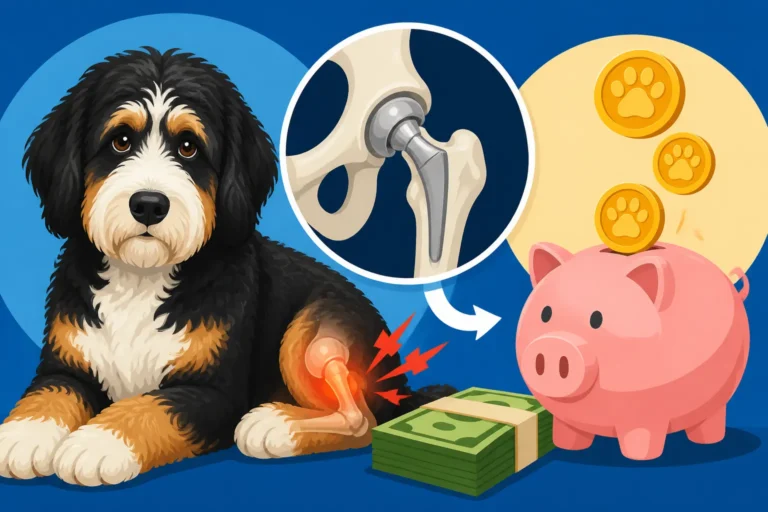
- Orthopedic Issues: Both Bernese Mountain Dogs and Poodles can be prone to hip and elbow dysplasia. Ensuring parent dogs have excellent hip and elbow scores is vital, as discussed in Hips on a Ninety Pound Bernedoodle and Elbow Dysplasia in a Growing Bernedoodle. These certifications from organizations like OFA (Orthopedic Foundation for Animals) or PennHIP are expensive and time-consuming.
- Eye Conditions: Progressive Retinal Atrophy (PRA) and other eye conditions found in Poodles need to be screened for by a veterinary ophthalmologist.
- Cardiac Health: Heart health checks are also part of a comprehensive screening protocol.
- Genetic Diseases: There's a long list of genetic conditions that ethical breeders test for. This includes Degenerative Myelopathy Both Bernedoodle Parents Can Carry (SOD1 gene) and Von Willebrand's Disease in a Bernedoodle, a bleeding disorder. Each of these DNA tests adds to the breeder's overhead.
- Cancer Predisposition: While the Bernedoodle cross was partly an attempt to reduce cancer rates from the Bernese side, reputable breeders are still mindful of lines with a history of Histiocytic Sarcoma and Whether a Bernedoodle Escapes It or other cancers. While there isn't a single definitive cancer test, breeders make informed decisions based on pedigree health histories.
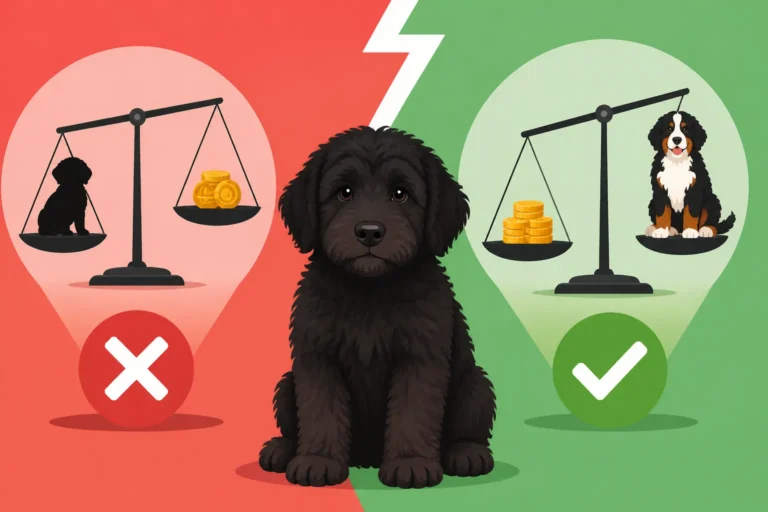
A breeder who invests in these comprehensive health clearances is ensuring they're doing everything possible to produce healthy puppies, reducing the likelihood of devastating health issues down the line. These tests aren't cheap, and the cost is naturally factored into the puppy's price. If a breeder isn't transparent about these The Five Clearances a Bernedoodle Breeder Should Have, it's a major red flag, and you might be looking at Whether an Untested Bernedoodle Litter Is Worth Buying at a lower price point but with potentially huge future vet bills.
Beyond the Initial Price: Understanding the Lifelong Financial Commitment
The purchase price of a tiny Bernedoodle, while significant, is just the beginning of your financial journey as a dog owner. These dogs, like all pets, come with ongoing costs that need to be considered. Understanding the full picture of What a Bernedoodle Costs Over Its Whole Life is essential for responsible ownership.
Ongoing Care: Grooming, Nutrition, and Vet Bills for a Tiny Bernedoodle
Don't let the "tiny" in "tiny Bernedoodle" fool you into thinking their care needs are minimal. They still require consistent attention and investment:
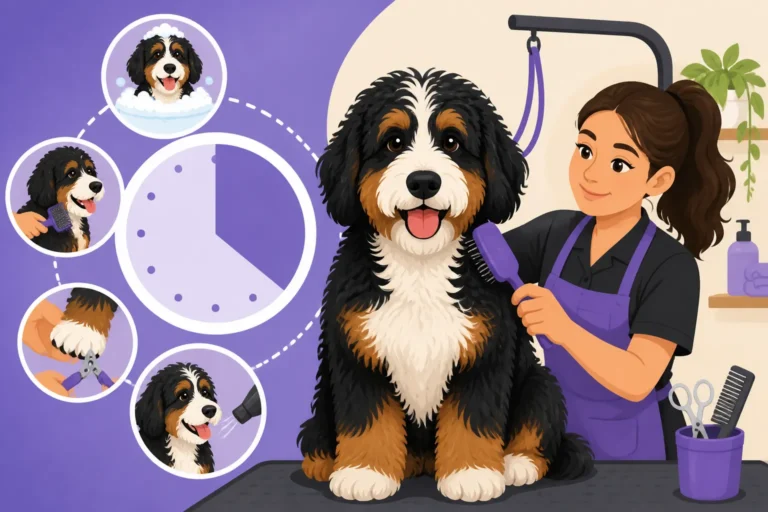
- Grooming: This is often an underestimated expense. Even a tiny Bernedoodle has a dense, curly, or wavy coat that needs regular professional grooming to prevent matting. While Whether a Mini Bernedoodle Is Half the Grooming Bill might be true in terms of size, the frequency and complexity of the Bernedoodle coat remain. Expect professional grooming every 6-8 weeks, which includes bathing, drying, brushing, clipping, and nail trims. If you try to do it yourself, be prepared for a steep learning curve and the purchase of quality grooming tools. Neglecting grooming can lead to painful mats and expensive dematting services, or even medical issues.
- Nutrition: While a tiny Bernedoodle eats less than a standard, quality food is still important for their health and longevity. Investing in premium kibble or fresh food options, like those available from Chewy or Ollie, ensures they receive appropriate nutrients for their size and energy levels. Even though the portions are smaller, the cost per pound for high-quality food can add up.
- Veterinary Care: Routine vet visits for vaccinations, preventative care, and annual check-ups are a given. But just like their larger counterparts, tiny Bernedoodles can face unexpected health challenges. Some smaller breeds can be prone to specific issues like dental problems, kneecap luxation, or tracheal collapse. Having a budget for emergencies or considering pet insurance from providers like Healthy Paws can be a lifesaver, especially if you want to avoid agonizing financial decisions should your beloved pup face an unforeseen illness or accident. It’s comforting to know that some insurance plans can help with the costs associated with things like hip or elbow issues, should they arise, although specific conditions or genetic predispositions might impact coverage or premiums.
The Unseen Value of a Reputable Breeder and Support System
When you purchase a tiny Bernedoodle from a reputable breeder, you're not just buying a puppy; you're investing in peace of mind and ongoing support. An ethical breeder stands behind their dogs and provides a valuable resource throughout your dog's life:
- Health Guarantees: A good breeder will offer a health guarantee, often covering genetic conditions for a specified period. This demonstrates their confidence in their breeding program and offers you some protection against unforeseen hereditary issues. Always read What a Bernedoodle Health Guarantee Covers carefully to understand the terms.
- Lifetime Support: Reputable breeders are genuinely invested in the well-being of their puppies. They're often available to answer questions about training, health, or behavior, offering guidance long after your puppy comes home. This kind of mentorship is invaluable, especially for first-time dog owners.
- Transparency and Education: They will openly share health clearances of the parent dogs, discuss the lineage, and educate you on the specific needs of a tiny Bernedoodle. They will also typically screen prospective owners to ensure their puppies are going to suitable homes. This stands in stark contrast to breeders who might be Spotting a Bernedoodle Listing That Came From a Mill, which often involves lower prices but significant compromises on health, temperament, and ethical practices.
Choosing an ethical breeder, even with the higher upfront cost, is an investment in a healthier, happier puppy and a more supported ownership experience. It's about prioritizing the welfare of the animal over a cheaper initial price point, which almost always translates into significant savings and fewer heartaches down the road.
Disclaimer
This article is for general informational purposes only and does not constitute professional advice. Laws, prices and regulations vary by location and change over time. Consult a qualified professional for guidance on your specific situation.