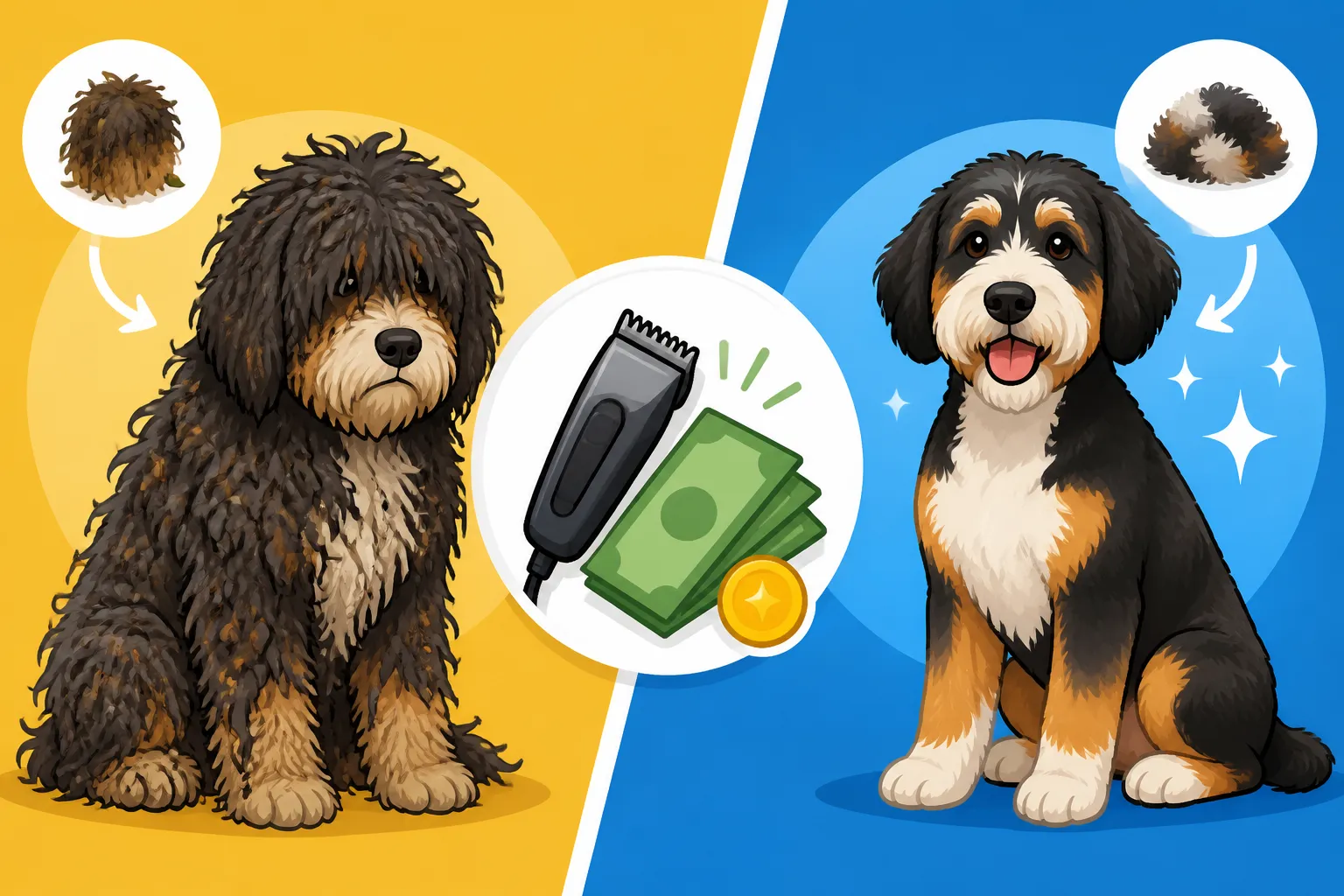
What a Matted Bernedoodle Costs to Shave
Finding your beloved Bernedoodle's gorgeous, fluffy coat turned into a dense, uncomfortable mat can be a heartbreaking and often overwhelming experience. Not only does it cause discomfort for your furry friend, but it also presents a significant challenge for even the most experienced groomers, often leading to the tough decision of a full shave-down. This guide will walk you through what causes severe matting in Bernedoodles, the financial implications of having your matted Bernedoodle shaved, and crucial steps to prevent this costly and uncomfortable situation from happening again.
Why Matting Happens So Easily with a Bernedoodle's Coat
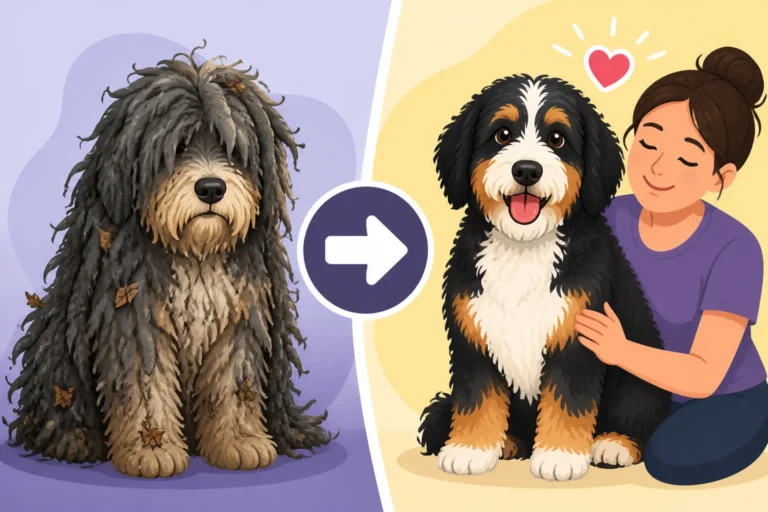
Bernedoodles are absolutely stunning dogs, aren't they? That luxurious coat is one of their most defining features, a blend of the Bernese Mountain Dog's thick, often wavy fur and the Poodle's dense, curly locks. But herein lies the rub: this beautiful combination, while often low-shedding and appealing to allergy sufferers, is also a magnet for mats. Owners often underestimate just how quickly and severely their Bernedoodle's coat can tangle and clump together, turning a dreamy doodle into a dreadlocked disaster. It’s not just about aesthetics; severe matting is genuinely painful and dangerous for your dog.
The Double Trouble: Bernese and Poodle Coat Blends
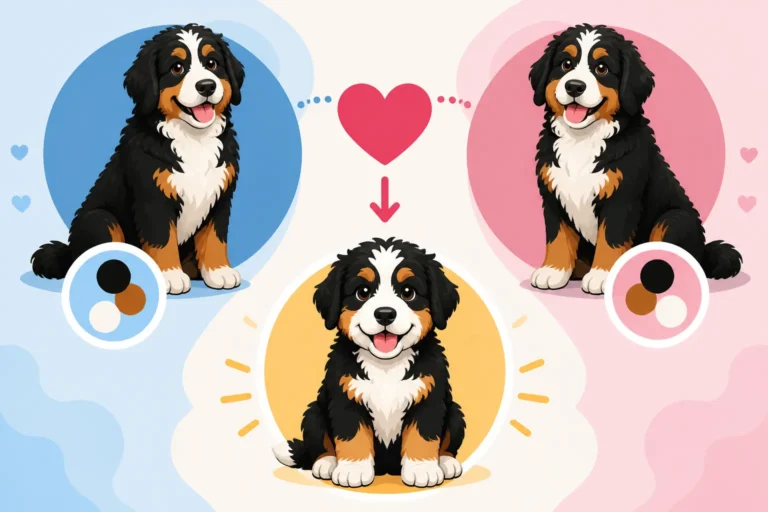
A Bernedoodle's coat is a fascinating genetic lottery, drawing from both of its parent breeds. The Bernese Mountain Dog brings a soft, thick double coat, designed for cold weather, with a woolly undercoat and a longer, coarser outer coat. The Poodle, on the other hand, contributes a single layer of dense, curly hair that continuously grows and sheds very little, trapping loose hair within its spirals. When these two distinct coat types mix, you often get a wavy, sometimes curly, sometimes straighter coat that sheds minimally but excels at holding onto any loose hairs, dirt, and debris. This trapped hair quickly twists and knots with the live coat, forming tight, painful mats.
It’s truly a perfect storm for tangles. Different generations of Bernedoodles can have varying coat textures, too. An F1 Bernedoodle (50% Bernese, 50% Poodle) might have a wavier, slightly looser coat, while an F1b (75% Poodle, 25% Bernese) often sports a curlier, denser coat. Multi-generational Bernedoodles can have a whole spectrum, but the underlying susceptibility to matting remains. The more Poodle in the mix, the curlier and denser the coat tends to be, often leading owners to believe it's "easier" to manage because it sheds less. In reality, it just means that the shed hair has nowhere to go but to get tangled in the rest of the coat, creating even tighter knots.
Many owners discover too late that "low-shedding" doesn't mean "low-maintenance." In fact, it often means the opposite for a Bernedoodle. That beautiful, fluffy teddy bear look requires consistent, diligent effort to prevent matting. Without it, the coat can become a felted shell, pulling at the skin, restricting movement, and hiding potential health issues underneath. It’s a sad reality that many first-time Bernedoodle owners face, often without adequate preparation for the intensive grooming demands.
Common Culprits: Where Mats Form and Why
Mats aren't just random occurrences; they tend to appear in specific areas where friction is common or where the hair is particularly fine and dense. Think about the places on your Bernedoodle that get a lot of rubbing or movement. The armpits are a prime spot, especially if your dog wears a harness often. The friction from movement and the harness straps can quickly felt the hair into a solid mass. Similarly, the groin area and "britches" – the long hair on the back of their thighs – are notorious for matting because of elimination habits and their natural density.
Another common, and often painful, area for mats is behind the ears and around the neck, particularly if your Bernedoodle wears a collar. The constant rubbing and the fine, silky texture of the hair in these spots make them incredibly prone to tangles that can quickly tighten into solid, uncomfortable clumps. Any areas where the Bernedoodle might scratch or rub frequently, such as around the face or under their chin, can also develop mats. Even seemingly innocuous habits, like rubbing against furniture or sleeping in a certain position, can contribute to mat formation over time.
Beyond these high-friction zones, external factors play a huge role. A Bernedoodle that loves to swim, especially without thorough drying and brushing afterwards, is almost guaranteed to develop mats. Water causes the hair to clump and, as it dries, tighten into knots. Playing in muddy conditions, rolling in leaves, or simply getting burrs and twigs caught in their fur can also rapidly accelerate matting. Even everyday dust and debris can contribute, embedding themselves in the coat and acting as anchors for tangles. It’s a constant battle, and one that requires proactive, rather thorough and consistent care.
The Silent Killer: Puppy Coat Change
One of the most insidious times for matting, often catching new Bernedoodle owners completely off guard, is during the dreaded "puppy coat change." Just like human babies lose their soft, fine baby hair for more robust adult hair, Bernedoodle puppies transition from their fluffy, easy-to-manage puppy coat to their denser, more adult-like permanent coat. This typically happens between 6 to 18 months of age, though it can vary. During this period, the softer puppy fur sheds out and becomes entangled with the emerging adult coat.
This mixture of old and new hair creates an incredibly potent recipe for matting. It's almost as if the puppy coat acts as a netting, catching every single strand of the new adult coat and weaving it into an impenetrable mass. What might have been an occasional tangle before suddenly becomes a daily, hour-by-hour struggle. Many owners are shocked to find that their previously cooperative puppy is suddenly a matted mess overnight, despite what they thought was adequate brushing. They find themselves battling mats in a Bernedoodle's armpits and britches, or around their ears.
During this transitional phase, a Bernedoodle's coat can go from perfectly fine to severely matted in a matter of days if not brushed diligently and correctly. The texture changes, becoming coarser and often more prone to clinging. This is often the time when owners realize that their initial brushing routine, which might have been sufficient for puppy fluff, is utterly inadequate for the challenges of the adult coat. Understanding that this phase is temporary but requires intense vigilance is key to navigating it without resorting to a full shave-down. It's a critical period where consistent grooming, perhaps even daily, is non-negotiable.
The Financial Reality: De-matting vs. Shaving
When your Bernedoodle's coat is severely matted, you’re faced with a tough decision, and both options come with a price tag. It's often a painful realization for owners who just want their dog to be comfortable again. Groomers are ethical professionals who prioritize the dog's well-being, and they will always advise the least stressful and most humane approach, even if it means sacrificing that fluffy look you love.
When De-matting Isn't an Option (or Is Too Costly)
Let's be clear: de-matting a severely matted Bernedoodle is not a simple task. It’s often painful, stressful, and can be incredibly time-consuming for the groomer, meaning it's incredibly expensive for you. When mats are tight against the skin, they pull and pinch every time your dog moves. Trying to brush these out can cause extreme discomfort, bruising, and even tearing of the skin. A responsible groomer will refuse to put a dog through hours of painful de-matting, not just for the dog's sake, but for their own liability. They know the stress it causes both animal and human.
Many groomers operate under a "humanity before vanity" policy. If the matting is extensive – covering a significant portion of the dog's body, or if the mats are felted solid against the skin – de-matting is simply not a humane option. The physical pain and emotional trauma a dog would endure from such a lengthy and uncomfortable process are far worse than a quick shave-down. Some groomers might attempt very minor de-matting on small, loose tangles, but once the mats are tight and widespread, they will almost always recommend shaving.
Even if de-matting were a humane option, the cost would be astronomical. Groomers charge for their time and expertise, often at an hourly rate for extensive work. Given that it could take several hours, or even multiple sessions, to painstakingly work through severe matting on a large Bernedoodle, the total bill could easily run into several hundred dollars, or even more, quickly dwarfing the cost of a full shave. When you consider the actual suffering involved, it becomes clear that a shave is the only sensible choice for moderate to severe matting.
The "Shave Down" Price Tag: What to Expect
So, if de-matting isn't an option, what does a shave-down cost? While it might seem counterintuitive, shaving a severely matted Bernedoodle often costs more than a regular groom, even though the hair is coming off. This isn't because the groomer is being greedy; it's because shaving a matted coat is considerably more difficult, time-consuming, and puts extra wear and tear on their equipment. The blades dull incredibly quickly going through dense, felted fur, and the risk of nicking the skin, which is often taut and irritated under the mats, is much higher.
You should generally expect to pay the price of a standard full groom for your Bernedoodle, plus a significant matting surcharge. This surcharge can vary widely based on the size of your dog, the severity and extent of the matting, and the individual groomer's pricing structure. For a standard Bernedoodle, a typical full groom might run you a certain amount, but with severe matting, that price could easily double or even triple. The groomer needs extra time, sharper blades, and extreme caution to safely remove the matted coat.
Imagine the difference between cutting loose, flowing fabric and trying to cut through a thick, hardened piece of felt with scissors. It's a similar challenge for the groomer. They often have to use special blades that cut under the mats, getting as close to the skin as safely possible without actually cutting the skin itself. This is a skilled process that requires patience and precision. So, while the result is a very short coat, the effort and expertise required to get there are substantial, and the price reflects that.
Here's a generalized idea of what the difference in cost might look like:
| Service | Description | Estimated Cost (Standard Bernedoodle) |
|---|---|---|
| Standard Full Groom | Includes bath, blow-dry, brush-out, trim, nail trim, ear cleaning. Coat is in good condition. | Check with your groomer |
| Minor De-matting | Addressing a few small, loose tangles. Usually an added fee on top of a standard groom. | Small added fee |
| Severe Matting Shave | Full body shave-down due to extensive matting. Includes bath, nail trim, ear cleaning. High surcharge. | Standard groom + significant surcharge |
| Vet Visit (post-shave) | For skin irritation, hot spots, or infections found under mats. | Variable, potentially significant |
Please remember, these are generalized descriptions. Always consult your specific groomer for their exact pricing and policies based on your dog's condition and size.
Understanding Groomer Policies and Pricing Structures
Every grooming salon operates a little differently, but when it comes to matted dogs, most will have very clear policies. Before you even book an appointment, it's wise to call and discuss your Bernedoodle's condition honestly. Don't try to hide the matting; it only makes things harder and more stressful for everyone involved. Many groomers will require an in-person consultation to assess the severity of the matting before they can give you an accurate quote. They need to feel the coat, check the skin underneath, and understand the scope of the work.
Some groomers might charge a flat "matting fee" on top of their standard grooming price, while others prefer to charge an hourly rate for the extra time and specialized care required to shave down a matted dog. This hourly rate can be substantial, reflecting the intense focus and care needed to avoid injury. It's essential to ask for a breakdown of charges and confirm what's included. You might find that some groomers won't even bathe a severely matted dog before shaving, as water can cause mats to tighten even further, making them impossible to remove safely.
Always ask about the groomer's "humanity before vanity" policy. A good groomer will always prioritize your dog's comfort and safety over maintaining a certain coat length or style. They might even suggest a "comfort clip" that's shorter than you initially wanted, but is ultimately better for your Bernedoodle's skin and temperament. Be prepared for a shorter haircut than you anticipated, and understand that it's for your dog's benefit. This transparency from both sides ensures a smoother, safer, and more predictable experience for you and your furry companion.
Beyond the Clipper Blade: Hidden Costs of Matting
The direct cost of shaving a matted Bernedoodle is certainly impactful, but the financial ledger doesn't stop there. Severe matting often brings a host of other issues that can lead to additional expenses and, more importantly, can significantly impact your dog's health and well-being. It’s a stark reminder that preventative care is almost always less costly and less stressful in the long run.
Skin Issues and Veterinary Bills
Underneath those tight, felted mats, your Bernedoodle's skin is trapped, unable to breathe properly. This creates a warm, moist environment that is a breeding ground for bacteria and yeast. It's incredibly common for groomers to uncover a host of skin problems once the matted coat is removed. We're talking about hot spots, which are painful, weeping skin infections caused by excessive licking and scratching, often triggered by the irritation of the mats themselves. These can pop up almost overnight once the hair is gone.
Beyond hot spots, chronic matting can lead to widespread skin irritation, dermatitis, and even yeast infections, especially in warm, damp areas like the armpits or groin. Parasites like fleas and ticks can also hide undetected within dense mats, leading to further skin issues and discomfort. When these problems are revealed, your Bernedoodle will likely need a visit to the veterinarian. That means examination fees, potential prescriptions for antibiotics or antifungal medications, medicated shampoos, and follow-up appointments. These veterinary costs can quickly add up, often exceeding the initial grooming bill.
Having pet insurance from providers like Healthy Paws can certainly help mitigate some of these unexpected veterinary expenses. While insurance typically doesn't cover routine grooming or preventative care for matting, it can be a lifesaver for treating the subsequent skin infections, severe irritations, or other medical conditions that arise directly from severe matting. It's a layer of financial protection that many owners appreciate when faced with unforeseen health challenges stemming from a neglected coat.
The Emotional Toll on Your Bernedoodle
The physical discomfort of matting is undeniable, but we often overlook the significant emotional toll it takes on our beloved dogs. Imagine having your hair constantly pulling at your skin, restricting your movement, and making every scratch or stretch painful. That's what life is like for a matted Bernedoodle. They might become irritable, less playful, or even withdrawn because they're constantly uncomfortable. When it comes time for grooming, especially if a shave-down is necessary, the experience can be incredibly stressful and even terrifying for them.
Being handled by strangers, having clippers buzz close to their already sensitive skin, and feeling their fur being tugged (even gently, by professional groomers who are trying their best) can create a negative association with grooming. A dog that was once happy to visit the salon might develop severe anxiety, fear, or even aggression during future grooming sessions. This isn't just a fleeting moment of stress; it can linger, making subsequent necessary grooms even more challenging and requiring more patience and gentle handling from both you and your groomer.
The process of the actual shave can be quick and efficient for the dog's sake, but the feeling afterward can also be disorienting. They might feel exposed, cold, or just plain "weird" without their familiar coat. This can lead to temporary behavioral changes, increased shyness, or even obsessive licking of their exposed skin. It's a reminder that their physical comfort is deeply intertwined with their emotional well-being, and severe matting compromises both. We need to be empathetic to their experience, not just the cost to our wallets.
Behavioral Challenges Post-Shave
Beyond the immediate emotional impact during the shave, some Bernedoodles can exhibit behavioral changes in the days and weeks following a severe shave-down. Suddenly stripped of their thick coat, they might feel vulnerable, exposed, or even chilled, especially if they are accustomed to a warm, fluffy exterior. This can manifest as increased clinginess, seeking out blankets or warm spots, or even becoming a bit withdrawn or lethargic as they adjust to their new "naked" state. It's a lot for a dog to process, particularly if they haven't had such a drastic haircut before.
Sometimes, dogs might also develop obsessive licking or scratching at their newly exposed skin, even if there are no underlying infections. This can be due to a change in sensation, a mild irritation from the clippers, or simply a nervous habit. If this behavior isn't monitored, it can quickly lead to self-inflicted hot spots or skin breakdown, looping back to potential veterinary issues. Owners need to be extra vigilant during this period, keeping an eye on their dog's skin and behavior.
The memory of the uncomfortable grooming experience can also linger, making future brushing attempts at home or professional grooming appointments a struggle. A Bernedoodle that fights its owner but not the groomer might now fight both. Rebuilding a positive association with grooming takes time, patience, and consistent positive reinforcement. It means lots of treats, gentle handling, and perhaps even splitting grooming tasks into very short, frequent sessions rather than one long ordeal. This rehabilitation effort is a hidden cost, not in dollars, but in your time, energy, and emotional investment.
Preventing Future Mats: Investing in Proper Care
The good news is that severe matting is almost entirely preventable with consistent, proactive care. It requires commitment, certainly, but investing the time and effort upfront will save you money, stress, and most importantly, spared your Bernedoodle from pain and discomfort. It's about establishing a routine and sticking to it, recognizing that a Bernedoodle's coat is a full-time commitment.
The Essential Grooming Toolkit
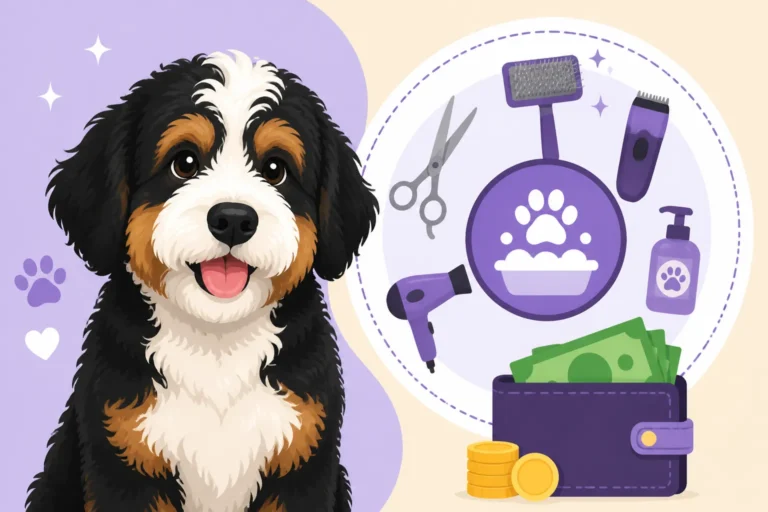
You wouldn't try to build a house without the right tools, and you shouldn't try to maintain a Bernedoodle's coat without the proper equipment. Skimping on grooming tools is a false economy that will almost certainly lead to matting. You'll need a few key items, and quality really matters here. First and foremost, a good slicker brush is non-negotiable. Look for one with firm but flexible pins that can reach down to the skin without scratching. This will be your primary tool for daily or every-other-day brushing.
Next up, a sturdy metal comb with both wide and fine teeth is crucial. This comb is your "mat check" tool. After brushing with the slicker, run the metal comb through the coat from the skin out. If the comb snags, you've found a tangle that needs to be gently worked out. A quality detangling spray can also be a lifesaver, helping to lubricate the hair and make knots easier to separate. Stocking up on good quality grooming tools from reliable retailers like Chewy, or even your local pet store, is a critical first step.
Finally, for larger Bernedoodles, a high-velocity force dryer is an invaluable investment, especially if your dog gets wet often. It quickly and thoroughly dries the coat right down to the skin, which is essential after a bath or swim to prevent mats from forming as the coat dries. Trying to air dry a Bernedoodle is practically an invitation for a matted coat, as the curly hair can felt together as it dries slowly. These tools represent an initial investment, but they are absolutely necessary for maintaining your Bernedoodle's coat health.
Establishing a Regular Brushing Routine
The single most effective way to prevent matting is a consistent, thorough brushing routine. For most Bernedoodles, this means daily or at least every-other-day brushing, particularly during their puppy coat change phase or if they have a very dense or curly coat. This isn't just a quick once-over; you need to engage in what's called "line brushing." This technique involves parting the hair down to the skin and brushing small sections, working your way up or across the dog's body. The goal is to ensure your brush and comb reach all the way to the skin.
Start from the bottom up, for example, working on one leg first, then the body. Hold the hair above the section you're working on, brush that section thoroughly from skin to tip, then release a bit more hair and repeat. This method ensures that no part of the coat is missed, especially those hidden areas like the armpits, groin, and behind the ears, which are prime matting zones. Don't forget to use your metal comb after brushing each section to confirm that there are no tangles left. If the comb goes through smoothly, you've done a good job on that section.
Consistency is key. Even if your Bernedoodle's coat looks fine, a quick daily brush can prevent small tangles from becoming enormous, painful mats. Think of it as preventative maintenance, much like changing the oil in your car. It might seem like a chore at first, but it quickly becomes a bonding experience with your dog. Plus, the peace of mind knowing your Bernedoodle is comfortable and mat-free is truly priceless. A good routine is the best defense against the dreaded shave-down.
Professional Grooming on a Schedule
While diligent home grooming is paramount, it's not a complete substitute for regular professional grooming. Professional groomers have specialized tools, training, and experience to handle Bernedoodle coats effectively. For most Bernedoodles, a professional groom every 6 to 8 weeks is ideal to keep their coat in top condition and prevent significant matting. This frequency allows the groomer to thoroughly bathe, dry, and trim the coat, managing any potential tangles before they become severe problems.
During these appointments, the groomer can also perform essential tasks like ear cleaning, nail trims, and checking for any underlying skin issues that might be hidden by even a well-maintained coat. They can address areas that are difficult for owners to reach or manage, like the hair between paw pads or around the sanitary area. Regular professional grooming means the groomer is familiar with your dog's coat type and can offer personalized advice on home care, adapting their services as your Bernedoodle's coat changes or as seasons shift. A year of grooming bills on a standard Bernedoodle might seem steep, but it is an investment in health and comfort.
Think of your professional groomer as a partner in your Bernedoodle's care team. They can spot small issues before they escalate, and they can keep your dog looking and feeling their best. A good diet, like those offered by companies such as Ollie with fresh, human-grade ingredients, can also contribute to overall coat health, making it more resilient and easier to maintain between grooms. This combined approach of consistent home care and scheduled professional services is the gold standard for Bernedoodle coat maintenance.
Tips for a Smoother Shave and Recovery
Facing the necessity of a full shave can be tough, but knowing how to prepare your Bernedoodle and what to do afterward can make the process much smoother for everyone involved. It’s about minimizing stress and ensuring a healthy recovery, so you can both move past this challenging experience and focus on a mat-free future.
Communicating with Your Groomer
Open and honest communication with your groomer is paramount when your Bernedoodle is severely matted. Don't be embarrassed or try to sugarcoat the situation. Be upfront about the extent of the matting and any concerns you have. A good groomer will appreciate your honesty and will be better equipped to handle the situation safely and efficiently. Call them ahead of time to discuss, and be prepared for them to recommend a complete shave-down if the matting is severe.
Ask about their process for matted dogs: Will they bathe first, or shave dry? How do they handle anxious dogs? What kind of blade length should you expect? Understanding these details can help manage your expectations and prepare you for the outcome. Discuss any specific areas where you're concerned about irritation or hidden issues. Remember, the groomer's priority is the dog's comfort and safety, and they need all the information you can provide to do their job effectively. The more you communicate, the better the experience will be.
It’s also wise to discuss any pre-existing health conditions or sensitivities your Bernedoodle might have. If your dog is prone to skin allergies, for instance, mention that so the groomer can use appropriate, gentle shampoos. If they're particularly nervous, ask what steps the groomer takes to keep them calm. You're both on the same team, aiming for the best possible outcome for your furry friend, and clear communication is the foundation of that teamwork.
Post-Shave Skin and Coat Care
Once your Bernedoodle has been shaved, their skin will be exposed and potentially sensitive. It's crucial to take extra steps to protect it and promote healing. Monitor their skin closely for any redness, bumps, or irritation. Your groomer might recommend a soothing, gentle shampoo for the first bath after the shave, specifically formulated for sensitive skin. You can also ask your vet for advice on topical treatments if there's significant irritation.
Keep your Bernedoodle warm, especially in cooler weather, as they've lost their insulating coat. A dog sweater or light jacket can provide comfort and prevent them from getting chilled. On the flip side, be very mindful of sun exposure. Their exposed skin can sunburn quickly, so limit time in direct sunlight or consider a dog-safe sunscreen if they'll be outdoors for extended periods. This is especially important for a Whether a Shaved Bernedoodle Sunburns.
As the new coat starts to grow back, typically within a few weeks, continue with a gentle but consistent brushing routine. Even very short hair can start to tangle as it grows. Use a soft slicker brush and metal comb to keep the new growth smooth and mat-free. This is your chance for a fresh start, and establishing good habits from the beginning will make a huge difference in preventing future matting.
Rebuilding a Positive Grooming Association
For a Bernedoodle that has had a traumatic grooming experience, whether due to severe matting or the shave-down itself, rebuilding a positive association with grooming is vital. Start with very short, positive sessions at home, completely detached from the previous negative experience. Don't even try to brush or comb extensively at first. Simply touch them gently with a brush, give a high-value treat, and offer praise. Repeat this many times, gradually increasing the duration and intensity of the contact.
The goal is to teach your Bernedoodle that grooming tools and handling are associated with good things. Use a marker word or clicker training to reinforce calm behavior. For example, touch the brush to their side, mark and treat, then put the brush away. Slowly work up to one stroke, then two, always ending on a positive note before they show any signs of stress. This might take weeks or even months, but patience is key to making grooming a cooperative and enjoyable experience, rather than a dreaded battle.
When it's time for their next professional groom, communicate your concerns to the groomer. Choose a groomer known for their gentle approach and willingness to work with anxious dogs. You might even consider booking a shorter, "bath and tidy" appointment first, just to get them back into the salon environment without the pressure of a full haircut. Over time, with consistent positive reinforcement and a commitment to regular, gentle care, you can help your Bernedoodle overcome their aversion and embrace a healthy, mat-free coat again.
Disclaimer
This article is for general informational purposes only and does not constitute professional advice. Laws, prices and regulations vary by location and change over time. Consult a qualified professional for guidance on your specific situation.