The Bernedoodle Sold Without Any Testing
It’s a scenario many hopeful Bernedoodle owners face: you’ve been dreaming of bringing one of these fluffy, charming dogs into your life, but the prices can be a real shock. Then, you stumble upon an advertisement for a Bernedoodle puppy that seems unbelievably affordable, a fraction of what other reputable breeders are asking. Your heart leaps, but then a little voice of doubt creeps in as you notice the glaring omission: no mention of health testing for the parents. This guide will walk you through the critical implications of purchasing a Bernedoodle without any health testing, helping you understand the true costs and risks involved.
The Allure of a Lower Price Tag: Why Untested Puppies Seem Appealing
It’s completely understandable why a cheaper Bernedoodle puppy might catch your eye. The initial sticker shock of a well-bred Bernedoodle can be significant, often leading people to seek out more "budget-friendly" options. However, what appears to be a saving upfront can quickly transform into a financial and emotional burden that far outweighs any initial discount.
The Immediate Savings: What Catches the Eye
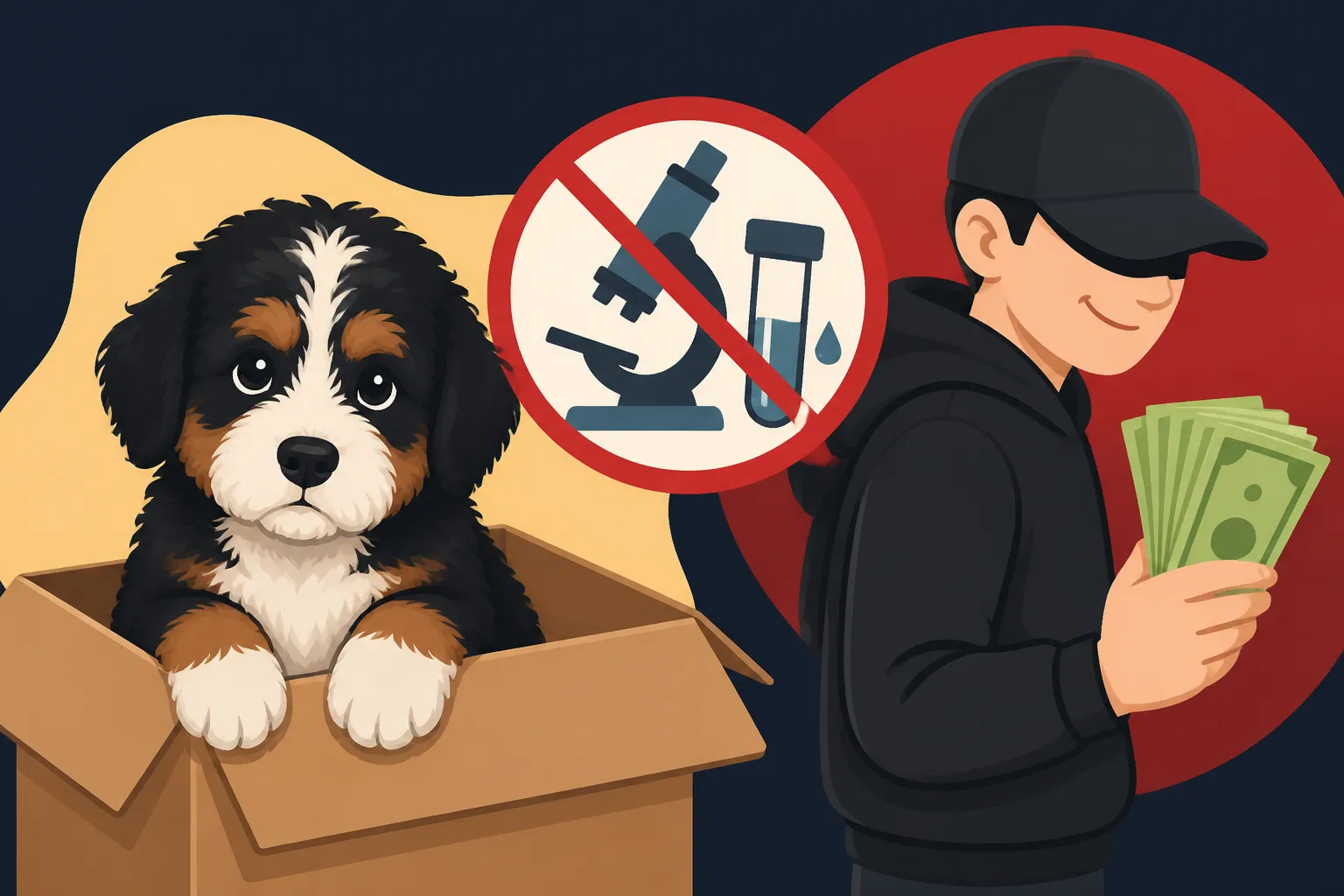
When you see a Bernedoodle advertised for significantly less than the going rate, it’s often because the breeder has cut corners in various areas, and health testing is almost always at the top of that list. Reputable breeders invest heavily in their breeding stock: they purchase quality parent dogs, provide excellent nutrition and veterinary care, and, crucially, perform extensive health screenings. These screenings aren't cheap. Each test, from hip and elbow evaluations to genetic panels for conditions like Von Willebrand's Disease and Degenerative Myelopathy, adds to the breeder’s overhead. A breeder skipping these steps can offer puppies at a much lower cost because they haven't made these vital investments.
For a family on a tight budget, or someone who simply isn't aware of the importance of health clearances, that lower price tag can be incredibly tempting. It feels like a way to get the dog of their dreams without breaking the bank, a way to bypass the waiting lists and the high costs. But this perception of immediate savings is often just that – a perception, concealing far greater potential expenses down the line. It's easy to get caught up in the excitement of a new puppy and overlook these critical details, only to realize the gravity of the situation much later.
The Hidden Costs of Compromising on Health
While the initial purchase price might be lower, the long-term financial and emotional costs of buying an untested Bernedoodle can be astronomical. You might save a thousand dollars (or more) upfront, but this "saving" can quickly be eclipsed by veterinary bills if your puppy develops an inherited condition. Imagine falling in love with your sweet, clumsy Bernedoodle puppy, only to find out by their first birthday that they have severe hip or elbow dysplasia, requiring expensive surgeries and lifelong pain management. Hips on a Ninety Pound Bernedoodle details the severe issues. These orthopedic issues alone can cost many thousands of dollars per joint, and often affect both sides.
Beyond the major surgeries, there are ongoing costs for pain medication, physical therapy, and specialized diets. Then there's the emotional toll: watching your beloved pet suffer, the stress of constant vet visits, and the guilt of knowing that preventative testing could have minimized these risks. Many owners find themselves in the heartbreaking position of having to make difficult decisions about their dog's quality of life, all because corners were cut before the puppy was even conceived. It's a heavy burden to carry, one that no pet owner wants to experience.
Unpacking the "No Testing" Claim: What's Missing and Why It Matters
When a breeder advertises a Bernedoodle puppy without any health testing, it’s not just a minor oversight; it’s a red flag. It means they haven’t taken the necessary steps to understand the genetic health of their breeding dogs, leaving you, the prospective owner, vulnerable to a whole host of potentially devastating and expensive conditions.
Critical Health Clearances That Are Skipped
Reputable Bernedoodle breeders screen their parent dogs for several common genetic and orthopedic conditions that are prevalent in the Poodle and Bernese Mountain Dog breeds. These screenings include:
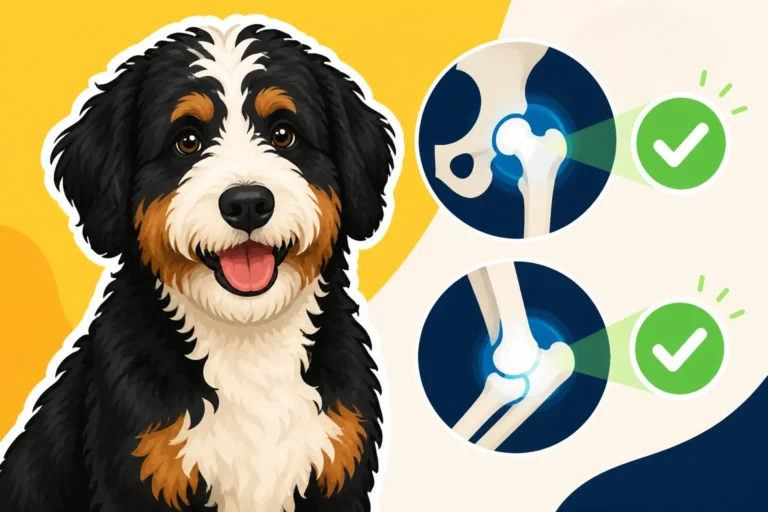
- Hip and Elbow Dysplasia (OFA/PennHIP): These are evaluations of the hip and elbow joints for malformation, which can lead to debilitating arthritis and pain. Skipping these tests means you have no idea if your puppy's parents carried genes for these painful conditions. The Elbow Grades a Bernedoodle Breeder Should Show explains what these evaluations entail.
- Eye Certifications (OFA CAER): Regular eye exams by a veterinary ophthalmologist ensure that breeding dogs are free from inherited eye diseases that can lead to blindness or impaired vision in their offspring.
- Cardiac Health: Screening for heart conditions.
- Genetic Disease Panels: These are DNA tests that can identify carriers or affected dogs for conditions like:
- Von Willebrand's Disease (vWD): A bleeding disorder found in both Poodles and Bernese. A puppy inheriting two copies of the affected gene can suffer from severe, sometimes fatal, bleeding issues. Von Willebrand's Disease in a Bernedoodle is a critical read on this.
- Degenerative Myelopathy (DM): A progressive neurological disease of the spinal cord, seen in Bernese Mountain Dogs, that eventually leads to paralysis. Carriers can pass it on. The SOD1 Test Both Bernedoodle Parents Need highlights the importance of this specific test.
- Progressive Retinal Atrophy (PRA): Another eye disease that can lead to blindness.
- Thyroid Function: Conditions like hypothyroidism can be hereditary.
Without these clearances, you are essentially buying a puppy sight unseen, genetically speaking. You're taking a gamble that the parents somehow escaped these common breed issues, which is a significant risk given the prevalence of these conditions in the parent breeds.
The Genetic Lottery: Understanding Inherited Conditions
When a breeder doesn't perform health testing, you're not just risking one particular ailment; you're entering a genetic lottery. Many of the conditions listed above are polygenic (caused by multiple genes) or recessive (requiring two copies of an affected gene to show symptoms). This means even if the parent dogs look healthy, they could be carriers for serious diseases that they pass on to their puppies. For example, two healthy-looking carriers of DM can produce puppies that are affected by the disease. Similarly, hip and elbow dysplasia can be influenced by genetics and environmental factors, but starting with parents who have excellent joint health significantly reduces the risk for their offspring.
The phrase "hybrid vigor" is often thrown around by those selling untested crossbreeds, implying that mixing two breeds automatically makes for a healthier dog. While crossbreeding can sometimes reduce the incidence of some specific breed-related issues due to increased genetic diversity, it absolutely does not negate the need for parental health testing. If the parent Bernese and Poodle both come from lines riddled with hip dysplasia, for instance, their Bernedoodle offspring are still highly likely to inherit those same predispositions. Whether the Bernedoodle Cross Actually Reduced Cancer discusses the realities of hybrid vigor in relation to specific health conditions. It's a complex topic, and simply crossing two breeds isn't a magic bullet for health.
The Ethical Dilemma: Supporting Responsible Breeding vs. "Bargain" Buys
Choosing to purchase a Bernedoodle from a breeder who skips health testing isn't just a personal risk; it contributes to a larger ethical problem within the dog breeding community. It unknowingly supports practices that prioritize profit over the health and welfare of animals.
The Impact on the Individual Puppy and Its Future Owners
Think about the individual puppy born to untested parents. If those parents carry genetic predispositions for painful or debilitating diseases, that puppy is born with a higher chance of a lifetime of suffering. This suffering often manifests as chronic pain, lameness, impaired vision, or neurological decline, severely impacting their quality of life. For the owner, this translates into immense heartbreak, financial strain, and the emotional burden of caring for a sick dog. The dream of a healthy, active companion can quickly turn into a nightmare of vet appointments and difficult decisions.
It's a harsh reality that many people who buy these "bargain" puppies are often first-time dog owners or those who are less familiar with responsible breeding practices. They are unknowingly stepping into a situation with a high potential for heartache. The joy of bringing home a new puppy is quickly overshadowed by worry and stress. It’s important to remember that responsible breeders are not just selling puppies; they are placing a lifetime commitment into your hands, and they do everything in their power to ensure that commitment is as healthy and happy as possible.
The Broader Consequences for the Bernedoodle Breed
Supporting breeders who don't perform health testing perpetuates irresponsible breeding practices. When people continue to buy puppies from these sources, it creates a demand that allows these breeders to continue operating, often without any incentive to improve their standards. This, in turn, can lead to an increase in the prevalence of inherited diseases within the Bernedoodle population as a whole. Each generation of untested dogs risks passing on undesirable traits, weakening the overall health of the breed in the long run.
Moreover, it can give a bad name to the entire Bernedoodle community. While many dedicated individuals work tirelessly to produce healthy, well-socialized Bernedoodles, the actions of a few unscrupulous breeders can cast a shadow over everyone. It undermines the efforts to ensure the long-term viability and health of this wonderful crossbreed. Choosing a puppy from health-tested parents is not just about your individual dog; it’s about contributing to the health and integrity of the entire Bernedoodle lineage.
Protecting Yourself and Your Future Bernedoodle: Steps to Take
If you're looking for a Bernedoodle, the best way to protect yourself and your future furry family member is to prioritize ethical breeding practices and comprehensive health testing. Don't let the siren song of a lower price lure you into a situation that could lead to immense heartache and expense.
Asking the Right Questions to a Potential Breeder
When you're interviewing potential breeders, don't be shy about asking direct and detailed questions about their health testing protocols. A reputable breeder will welcome these questions and be transparent, providing verifiable documentation. Here’s what you should be asking for:
- OFA/PennHIP Certificates: Ask to see the official hip and elbow evaluations for both parent dogs. Look for "Good" or "Excellent" hip scores and "Normal" elbow scores. These documents should be publicly verifiable on the OFA website or directly from PennHIP.
- Genetic Test Results: Request proof of DNA testing for Von Willebrand's Disease (vWD), Degenerative Myelopathy (DM), and Progressive Retinal Atrophy (PRA). The results should clearly state that both parents are "Clear" or, if a parent is a carrier, that the other parent is "Clear" so no affected puppies can be produced. The Five Clearances a Bernedoodle Breeder Should Have lists all the important ones.
- Eye and Cardiac Clearances: Ask for current CAER (Companion Animal Eye Registry) certificates from a board-certified veterinary ophthalmologist and cardiac clearances.
- Ask About Longevity and Health in Their Lines: A good breeder will be knowledgeable about the health history of their dogs' ancestors and be open about any issues that have arisen in past litters or within the parent lines. They should be able to discuss general health trends, like What Changes in a Bernedoodle After Eight.
If a breeder hesitates, makes excuses, or cannot provide these documents, walk away. It’s a clear indication that they are not investing in the health of their breeding stock, and ultimately, not investing in the health of the puppies they produce.
Preparing for the Unexpected: The Role of Pet Insurance and Budgeting
Even with the most rigorous health testing, no dog comes with a 100% guarantee against all ailments. Life happens, and dogs, just like people, can get sick or injured. This is where pet insurance becomes an invaluable tool for responsible pet owners, especially when considering a large breed like the Bernedoodle, which can be prone to certain conditions. Companies like Healthy Paws offer comprehensive plans that can cover a significant portion of unexpected veterinary bills, giving you peace of mind. It’s a vital safety net that allows you to focus on your dog's recovery without the added stress of overwhelming financial decisions.
Beyond insurance, it’s crucial to budget for the ongoing costs of dog ownership. This includes high-quality food (brands like Chewy and Ollie offer excellent options for active, large breeds), routine vet care, grooming (Bernedoodles require regular, professional grooming due to their non-shedding coats), and potential unforeseen medical expenses. The Full Cost of Twelve Years With a Bernedoodle dives deep into this. Setting aside an emergency fund specifically for your pet is a wise decision. Even if you choose a puppy from fully health-tested parents, having these financial safeguards in place ensures you can provide the best possible care throughout your Bernedoodle's life, no matter what challenges may arise.
When looking for a Bernedoodle puppy, the initial cost is only one piece of a much larger puzzle. The true value lies in the long-term health, happiness, and well-being of your dog. Investing in a puppy from health-tested parents is an investment in a future free from preventable suffering and exorbitant medical bills.
| Common Bernedoodle Health Concerns | Relevant Health Test/Screening | Purpose of Test |
|---|---|---|
| Hip Dysplasia | OFA Hip Evaluation (Radiographs) | Assesses hip joint conformation and stability to identify genetic predisposition to hip arthritis. |
| Elbow Dysplasia | OFA Elbow Evaluation (Radiographs) | Checks for abnormalities in the elbow joint that can lead to lameness and pain. |
| Von Willebrand's Disease (vWD) | DNA Test (Genetic Panel) | Identifies if a dog is clear, a carrier, or affected by this inherited bleeding disorder. |
| Degenerative Myelopathy (DM) | DNA Test (SOD1 Gene) | Screens for genetic markers associated with this progressive neurological disease of the spinal cord. |
| Progressive Retinal Atrophy (PRA) | DNA Test (Genetic Panel) / CAER | Detects genetic mutations causing retinal degeneration leading to blindness; CAER is an ophthalmologist's eye exam. |
| Inherited Eye Diseases | CAER Eye Exam | Comprehensive eye examination by a board-certified veterinary ophthalmologist to screen for various hereditary eye conditions. |
| Heart Conditions | OFA Cardiac Evaluation (Auscultation/Echo) | Screens for congenital and acquired heart diseases. |
| Thyroid Disease | OFA Thyroid / Blood Panel | Checks for autoimmune thyroiditis, which can lead to hypothyroidism. |
Disclaimer
This article is for general informational purposes only and does not constitute professional advice. Laws, prices and regulations vary by location and change over time. Consult a qualified professional for guidance on your specific situation.