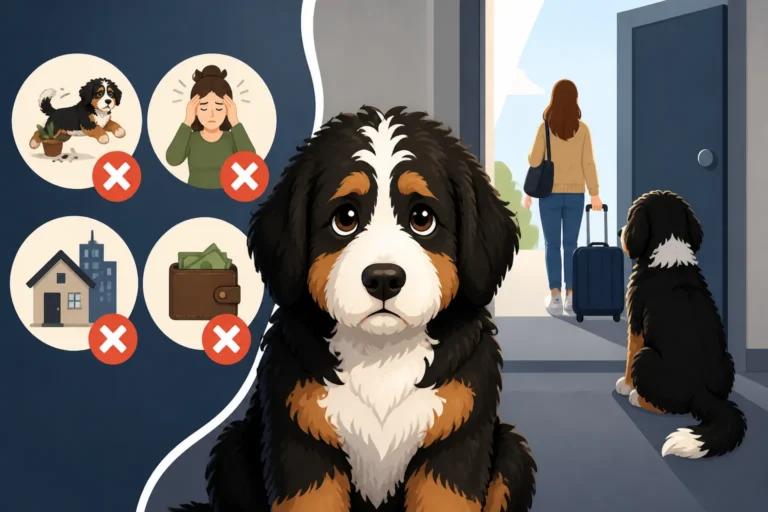
Fostering a Standard Bernedoodle
Bringing a standard Bernedoodle into your home as a foster parent can feel like navigating a beautiful, fluffy minefield. You want to help, you adore these big, charming dogs, but the thought of opening your heart and home to an animal you know will eventually leave can be daunting, not to mention the practical questions of their care. This guide will walk you through the realities, joys, and challenges of fostering a standard Bernedoodle, helping you understand what it truly entails to provide a temporary haven for these wonderful companions.
Why Fostering a Standard Bernedoodle Is Such a Unique Experience
Fostering isn't just about providing a roof over a dog's head; it's about offering stability, love, and a bridge to their forever home. For a standard Bernedoodle, this experience is particularly impactful, given their sensitive nature, large size, and sometimes misunderstood needs. When these gentle giants find themselves in rescue situations, they often come with a story, and fostering is your chance to write a hopeful new chapter with them.
Understanding Their Needs in Transition
Bernedoodles, especially the standard size, are often deeply bonded to their people. When they lose their home, whether due to unforeseen circumstances like a family illness, a job loss, or even simply a mismatch in lifestyle, it can be profoundly upsetting for them. They thrive on routine and companionship, and the sudden shift to a shelter environment, no matter how well-intentioned, can be incredibly stressful. Think of it from their perspective: one day they're curled up on a familiar couch, and the next they're in a noisy kennel, surrounded by strangers and unfamiliar scents. This is why a foster home is so critical.
A foster home offers a quiet, predictable space where a Bernedoodle can decompress. It's a chance for them to remember what it feels like to be part of a family, to sleep in a soft bed, and to get consistent meals. It's in this safe space that their true personality can emerge, allowing the rescue to better understand their temperament and match them with the perfect adoptive family. You might find a foster Bernedoodle initially shy, withdrawn, or even a bit anxious. They might hide, not eat, or pace nervously. But with patience and routine, you’ll see them blossom, sometimes quite rapidly.
The Rewards of Nurturing a Large Breed Through Transition
There’s something incredibly special about watching a standard Bernedoodle, a dog that might outweigh you, slowly unfurl their affectionate, goofy personality in your care. Many Bernedoodles have a natural desire to please and a deep well of empathy. Seeing a dog that was initially reserved begin to lean into your touch, offer a tentative paw, or even instigate a play session is an unparalleled reward. These are the moments that make fostering truly worthwhile, despite the inevitable bittersweet farewell.
You become their advocate, their safe harbor, and their interpreter to the outside world. You'll learn their quirks—perhaps they love to A Bernedoodle That Leans on Everyone, or they have a particular squeaky toy they adore. You'll observe their reactions to new people, other animals, and different environments. All this information is invaluable to the rescue organization and ultimately helps ensure the Bernedoodle finds a home that truly understands and cherishes them. It’s not just about providing temporary shelter; it's about providing rehabilitation and a fresh start. You're giving them the confidence to trust again and preparing them for a lifetime of love.
What to Expect When You Open Your Home to a Foster Bernedoodle
Opening your home to a foster Bernedoodle, especially a standard size, comes with a set of expectations and considerations. These aren't tiny lapdogs; they are robust, often energetic, and can bring a lot of personality into your living space. Being prepared for their physical presence, emotional state, and routine needs is key to a successful fostering experience.
Initial Adjustments and Behavioral Observations
When your foster Bernedoodle first arrives, expect a period of adjustment. This isn't a puppy coming home; it's a dog who has likely experienced significant change and may be feeling insecure, confused, or even a bit overwhelmed. They might not immediately show their true colors. Some might be quiet and withdrawn, observing their new surroundings cautiously. Others might be a bit boisterous, testing boundaries to see what's allowed. House training might take a step back, even for a previously trained dog, simply due to stress and unfamiliarity. Be patient, establish a consistent routine from day one, and show them where to go for potty breaks.
You'll need to be a keen observer. Pay attention to how they interact with family members, particularly children and other pets, if you have them. Note their energy levels – The Exercise a Standard Bernedoodle Needs Daily is significant, and they'll likely need outlets for that energy. Some Bernedoodles, especially those recently surrendered, might struggle with being alone and could develop Whether a Bernedoodle Suffers Separation Anxiety. This is where your observations become crucial; reporting these behaviors back to the rescue helps them provide guidance and accurately describe the dog to potential adopters. Remember, every piece of information you gather helps paint a clearer picture of the dog's personality and needs.
Housing and Environmental Considerations
A standard Bernedoodle needs space. While they aren't typically "hyper," their sheer size means they need room to stretch out, turn around, and navigate your home without constantly bumping into things. If you live in an apartment, consider how much indoor space you truly have and how often you can get them out for walks and playtime. A fenced yard, while not always mandatory, is a huge bonus for these dogs, allowing them safe outdoor access and a place to burn off some steam.
Think about your existing furniture and belongings. A playful, large Bernedoodle might accidentally knock things over with their wagging tail or big paws. They might attempt to Whether a Bernedoodle Reaches the Kitchen Counter if they're used to it, so secure food and valuables. Providing them with their own comfortable space, like a large dog bed or a sturdy crate (if they're crate-trained and comfortable with it), can help them feel secure in your home. Durable chew toys are also a must to keep their minds engaged and prevent them from chewing on inappropriate items. Remember, these dogs are bred for comfort and companionship, so a cozy spot near the family will likely be highly appreciated.
| Aspect | Foster Parent's Role | Rescue Organization's Role |
|---|---|---|
| Housing | Provide a safe, clean indoor living space. | Approve foster home suitability; provide crate if needed. |
| Food & Supplies | Feed according to instructions; use provided food/funds. | Provide food, bowls, leash, collar, toys, or supply stipend. |
| Veterinary Care | Transport to vet appointments; administer medication. | Cover all vet costs; schedule appointments; provide records. |
| Exercise | Ensure daily walks, playtime, and mental enrichment. | Advise on appropriate exercise levels for the individual dog. |
| Training/Behavior | Reinforce basic manners; observe and report behaviors. | Offer guidance, resources (e.g., trainer contact), behavior plan. |
| Socialization | Safely expose to new experiences, people, other dogs. | Screen potential adopters for suitable environment. |
| Adoption Process | Provide feedback on potential adopters; facilitate meet-and-greets. | Review applications, conduct home checks, manage contracts. |
| Emotional Support | Provide love, comfort, and stability. | Support foster parent emotionally; answer questions. |
Navigating the Practicalities of Fostering: From Food to Vet Care
Fostering a large breed like a standard Bernedoodle isn't just about emotional support; it involves significant practical considerations. You'll be responsible for their day-to-day well-being, which means managing their diet, ensuring they get appropriate exercise, and handling any medical needs that arise. Thankfully, reputable rescue organizations are there to support you every step of the way, often covering costs and providing guidance.
Fueling Your Fluffy Friend: Diet and Nutrition
A standard Bernedoodle needs a significant amount of high-quality food to maintain their health and energy. These aren't dogs that can thrive on cheap, filler-heavy kibble. Many rescues will provide the food or reimburse you for it, often recommending specific brands or types of large breed dog food. If you're buying it yourself, keep an eye out for brands that focus on whole ingredients. For instance, brands like Chewy offer a wide selection of premium large breed formulas designed to support their joints and overall health. Be aware of their appetite; a stressed Bernedoodle might initially refuse food, while others might Whether a Bernedoodle Inhales Its Food and need a slow feeder.
You'll also need to be mindful of treats. While they're great for training and bonding, an overweight Bernedoodle is a serious concern for a large breed. Choose low-calorie options and use them sparingly. Some Bernedoodles, like their Bernese Mountain Dog ancestors, can have sensitive stomachs, so sticking to the food provided or recommended by the rescue is crucial to avoid upset tummies. If you're considering special diets, like those offered by Ollie with fresh, human-grade ingredients, always discuss it with the rescue first, as consistency is often best during a transition period.
Health and Wellness: Vet Visits and Grooming
One of the biggest concerns for potential foster parents is often the cost of veterinary care. Rest assured, reputable rescues will cover all approved medical expenses for their foster dogs. Your role typically involves transporting the Bernedoodle to and from vet appointments, administering any prescribed medications, and closely observing them for any signs of illness or injury. Familiarize yourself with common large breed issues, like The Chest That Puts a Standard Bernedoodle at Bloat Risk, so you know what symptoms to watch for. If the rescue suggests getting pet insurance for the dog once adopted, companies like Healthy Paws are often mentioned for their comprehensive coverage, which is a good indicator of how seriously the rescue takes future health.
Grooming is another major practical aspect of Bernedoodle ownership. These dogs have thick, often wavy or curly coats that require regular attention. Neglecting their coat can lead to painful matting, skin infections, and discomfort. You'll need to commit to The Weekly Hours a Standard Bernedoodle's Coat Takes in brushing, or at least regular trips to a professional groomer, which the rescue might cover or reimburse. Even if the Bernedoodle arrives matted and needs a "summer shave" to start fresh, regular maintenance is crucial thereafter. Learning basic grooming, like brushing and nail trims, is a valuable skill for any foster parent of a Bernedoodle.
The Emotional Rollercoaster of Fostering: Preparing for Goodbye and Beyond
Fostering a standard Bernedoodle is an incredibly generous act, but it’s rarely without its emotional challenges. You pour your heart and soul into these dogs, nurturing them back to health and happiness, knowing that one day they will leave. Preparing for that farewell, and understanding the lasting impact you’ve made, is an essential part of the fostering journey.
The Bittersweet Farewell
The moment your foster Bernedoodle finds their forever home is a mix of immense joy and quiet heartbreak. You’ve invested time, love, and effort into this dog, watching them transform and grow. It’s natural to feel a profound sense of loss when they leave. You might even question if you can do it again. This emotional attachment is a sign that you did a wonderful job, that you truly bonded with them, and that you gave them exactly what they needed. It’s okay to cry, to feel a little empty, and to grieve the absence of that big, fluffy presence in your home.
Rescues understand this process deeply. They often provide support to foster parents, sometimes connecting you with other fosters who share similar experiences. Remember, your sadness is a small price to pay for the incredible gift you've given that Bernedoodle: a second chance at a loving life. Without fosters like you, many of these dogs would never get that opportunity. Focus on the happy updates you’ll likely receive from the adoptive family, seeing pictures of "your" Bernedoodle thriving in their new home. You didn't lose a dog; you gained the immense satisfaction of saving one.
The Ripple Effect of Your Kindness
Every Bernedoodle you foster carries a piece of your love and care into their new home. The lessons you taught them, the confidence you instilled, and the basic manners you reinforced will serve them well for the rest of their lives. Think about how many issues you might have helped them overcome – perhaps they learned that Whether a Bernedoodle Can Be Left for a Workday is okay if they have a cozy crate and some good chew toys, or that strangers aren't so scary. All of this makes them a more well-adjusted and adoptable companion.
Your commitment to fostering also has a broader impact on the rescue community. By fostering one Bernedoodle, you free up space and resources for another dog in need. You become a crucial link in the chain of compassion, enabling rescue organizations to save more lives. Many foster parents find that while the goodbyes are hard, the reward of seeing a dog flourish makes it all worthwhile, leading them to Fostering a Standard Bernedoodle again and again. You are not just a temporary caretaker; you are a lifeline, a teacher, and a silent hero in the story of every dog you help.
Disclaimer
This article is for general informational purposes only and does not constitute professional advice. Laws, prices and regulations vary by location and change over time. Consult a qualified professional for guidance on your specific situation.