Teaching a Bernedoodle to Accept the Dryer
One of the biggest struggles Bernedoodle owners face is the never-ending battle with the blow dryer after bath time. You want your fluffy companion to be clean and dry, but they act like the dryer is a monstrous, loud beast sent to torment them, making the whole experience stressful for everyone involved. This guide is here to walk you through compassionate, effective strategies to help your Bernedoodle not just tolerate, but actually accept the dryer, making grooming a much calmer affair.
Understanding Why the Dryer is a Big Deal for Your Bernedoodle
It’s easy to get frustrated when your big, goofy Bernedoodle acts like a frightened puppy around the dryer. You might think, "It's just air!" But for our furry friends, especially those with sensitive temperaments like many Bernedoodles, the dryer isn't just "air." It's a multi-sensory assault that can be genuinely terrifying. Understanding their perspective is the first step toward helping them.
The Sensory Overload: Noise, Air, and Vibration
Imagine standing under a hurricane-force wind, accompanied by a roaring vacuum cleaner, with your entire body vibrating. That’s a bit how a force dryer feels to a dog. The sheer volume of a high-velocity dryer, designed to blast water out of their thick double coats, can be overwhelming to their sensitive ears. Bernedoodles, with their Poodle heritage, can often be more sensitive to sounds. The Bernese Mountain Dog side brings a calm demeanor, but also sometimes a nervous shyness that can translate into fear of loud, unfamiliar stimuli. The constant, intense blast of air, particularly around their faces and ears, is uncomfortable and unfamiliar. It's not like a gentle breeze; it's a direct, powerful force.
Beyond the noise and air, many dryers vibrate, especially if they’re placed on a surface your dog is standing on, like a grooming table. This vibration travels through their paws and up their legs, adding another layer of unsettling sensation. If your Bernedoodle already has any joint sensitivities, like potential Elbow Dysplasia in a Growing Bernedoodle or even just the minor aches and pains of growing, this vibration can be genuinely unpleasant or even painful. It’s a full-body experience that can trigger their fight, flight, or freeze response, making them want to escape the situation as quickly as possible. We’re asking them to stand still and accept something that every instinct tells them to flee from, so it's no wonder they put up a fuss.
A Puppy's Early Experiences Shape Future Reactions
Just like with humans, a Bernedoodle puppy's early experiences profoundly shape their adult reactions. If a puppy's first introduction to a dryer was sudden, loud, or prolonged, it can create a lasting negative association. Perhaps they went to a groomer too young who didn't take the time for slow introductions, or maybe an excited owner just blasted them with a human hairdryer after a quick bath. These initial scary encounters teach them that the dryer is something to be feared.
Conversely, a puppy that's gently introduced to low-level noise and air, perhaps with lots of treats and praise, will likely grow up to tolerate or even enjoy the dryer. Breeders often focus on early socialization, exposing puppies to different sights, sounds, and textures. However, the dryer is one of those specific, intense sensations that requires deliberate, careful conditioning. If your Bernedoodle wasn’t given that gentle introduction, you’re not starting from scratch; you're starting with a pre-existing negative association that needs to be carefully undone. It's not about them being "naughty"; it's about a learned fear that we, as their guardians, need to patiently address.
The Fear-Anxiety-Avoidance Cycle
When a Bernedoodle has a negative experience with the dryer, even a minor one, it can quickly escalate into a full-blown fear, anxiety, and avoidance cycle. The first time they might just be a little startled. The next time, they remember that startling feeling and become anxious even before the dryer turns on. They might start shaking, tucking their tail, or trying to hide the moment they see you bring out the dryer or even a towel. This anxiety builds anticipation of the unpleasant event.
Once the dryer is on, their fear peaks, and they will try anything to avoid it: pulling away, squirming, biting at the nozzle, or even snapping if pushed too far. When they successfully escape or when the session finally ends, they feel a huge sense of relief. This relief reinforces their avoidance behavior. They learn that struggling, or even snapping, makes the scary thing stop. This makes it harder and harder to get them to cooperate in the future, as their brain has been hardwired to believe avoidance is the best strategy. Breaking this cycle requires consistent, positive, and patient intervention to replace fear with neutrality, and eventually, even positive anticipation.
Setting the Stage for Success: Preparing Your Bernedoodle and Your Space
Before you even think about turning on the dryer, it’s vital to prepare both your Bernedoodle and your environment for success. This isn't a race; it's a marathon. Each step should be calm, positive, and short. We want to chip away at their fear, replacing it with curiosity and then pleasant anticipation.
Desensitization: Starting Small, Staying Calm
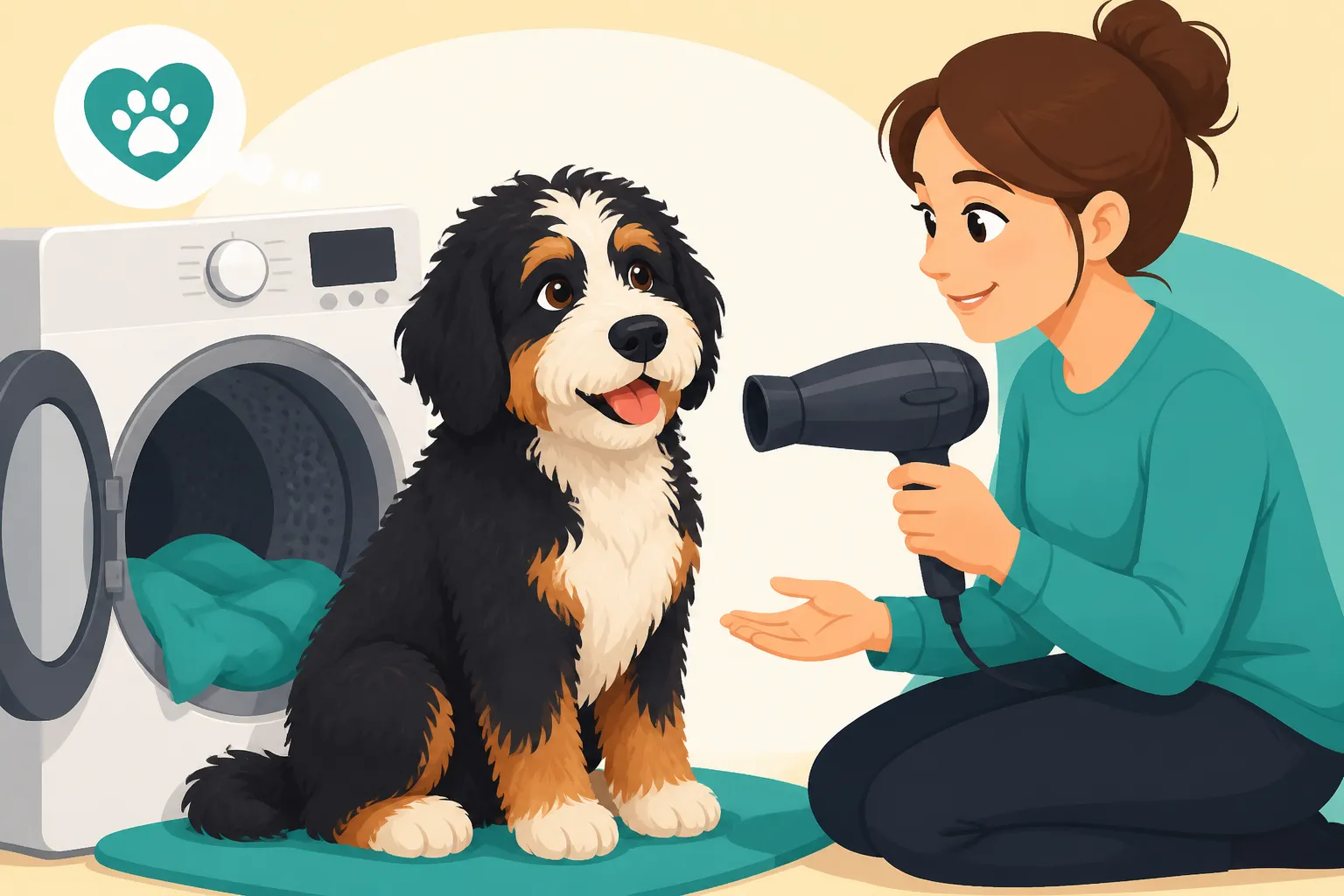
Desensitization is all about slowly and gradually introducing your Bernedoodle to the dryer in a way that doesn't trigger their fear response. The key is to stay below their "fear threshold." If they show any signs of stress – yawning, lip-licking, turning away, shaking – you've gone too far, too fast, and need to dial it back. Start by simply having the dryer visible in the room, but unplugged. Let your dog sniff it, investigate it. Reward them with high-value treats just for being near it.
Once they're comfortable with its presence, move to the next step: turning it on, but far away and on the lowest setting. Start in a different room, or even just in an adjacent space, so the noise is barely perceptible. Offer treats the moment the dryer turns on, and stop the treats the moment it turns off. Keep these sessions incredibly short – literally 5 to 10 seconds at first. Over days and weeks, you can gradually decrease the distance and increase the duration and intensity, always watching for signs of discomfort. It’s about building positive associations tiny step by tiny step. This slow, methodical approach is foundational, and rushing it will only set you back.
The Power of Positive Reinforcement: Treats and Praise
Positive reinforcement is your most powerful tool in teaching your Bernedoodle to accept the dryer. This means rewarding desired behaviors with something they love – high-value treats, enthusiastic praise, or a favorite toy. The moment your Bernedoodle remains calm, even for a second, in the presence of the dryer, that’s your cue to reward them lavishly. You want them to associate the dryer with good things happening.
Think of it this way: every time the dryer comes out, delicious treats appear. Every time the dryer makes a noise, treats rain down. This classical conditioning helps to change their emotional response from fear to anticipation of good things. For effective training, a consistent approach is key. Resources like BAXTER & Bella offer excellent guidance on using positive reinforcement techniques for all sorts of dog challenges, including grooming. They emphasize making training fun and rewarding for your dog, which is exactly what you need when tackling something as sensitive as dryer fear. The goal isn’t just tolerance; it’s making the dryer a predictor of deliciousness.
Creating a Safe and Comfortable Environment
The environment where you perform grooming can make a huge difference in your Bernedoodle's comfort level. First, choose a quiet space in your home where there are minimal distractions. Turn off the TV, silence your phone, and make sure other pets or family members won't suddenly appear and startle your dog. A calm, predictable setting is essential for a dog learning to overcome fear.
Next, consider the surfaces. Hard, slippery floors can make a Bernedoodle feel unstable and anxious, especially if they are a large breed prone to issues like Loose Hips in a Growing Standard Bernedoodle. Place non-slip mats or a sturdy rug where they will be standing. Many owners find a grooming table incredibly helpful, not just for saving their back, but because it elevates the dog to a comfortable working height and can make them feel more secure. You can find excellent, stable grooming tables on Amazon, often with adjustable heights that grow with your Bernedoodle. Ensure the table is incredibly sturdy and doesn't wobble, as any instability will increase their anxiety. A stable surface gives them confidence and helps them focus on the task at hand rather than worrying about slipping.
Step-by-Step Training Techniques for Dryer Acceptance
Once you've laid the groundwork with desensitization and positive reinforcement, you can start integrating the dryer into your grooming routine more actively. Remember, patience is paramount. If at any point your Bernedoodle shows signs of stress, stop, take a break, and go back to an easier step.
The Towel-Dry First Approach: Reducing Drying Time
Before you even think about the dryer, focus on getting as much moisture out of your Bernedoodle's coat as possible with towels. A good, absorbent microfibre towel can work wonders. Spend extra time blotting and gently rubbing their coat dry. This isn't just about saving time; it's about minimizing the amount of time your dog will need to spend under the dryer. If they're only damp rather than dripping wet, the dryer session will be shorter and therefore less stressful.
For Bernedoodles with their dense, often curly or wavy coats, a thorough towel dry can sometimes take 15-20 minutes, especially for larger standards. Pay particular attention to the legs, belly, and ears, where water tends to cling. The less water there is to blow out, the less noise, air, and vibration your dog has to endure. Plus, the physical act of towel drying can be a comforting, bonding experience if done gently, further preparing them mentally for the next step.
Introducing the Force Dryer: Low and Slow
When it’s time to bring out the force dryer, remember the "low and slow" mantra. Start with the dryer on its lowest possible setting for both power and heat (if applicable – always use cool or low heat to avoid skin burns or overheating your dog). Don't point it directly at your dog at first. Instead, aim it at the floor a few feet away, so they just feel the gentle ambient air movement and hear the diffused sound. As they remain calm, offer treats.
Gradually, slowly, and gently, begin to direct the air towards their body, starting with areas they are less sensitive to, like their back or hindquarters. Avoid their face, ears, and paws initially. Use a sweeping motion, never holding the nozzle in one spot for too long. Keep the sessions brief – just a minute or two – and end on a positive note, even if you haven't dried much. The goal is to build positive associations, not to achieve a perfectly dry coat in one go. You might find that for a Bernedoodle that needs Teaching a Bernedoodle to Lie Down for Three Hours of Grooming, getting them comfortable lying down and accepting the dryer on their back can be a good starting point.
Pairing the Dryer with Fun Activities or Food
To really solidify a positive association, try pairing dryer sessions with incredibly rewarding activities or food. A Lickimat smeared with peanut butter (xylitol-free!), plain yogurt, or canned pumpkin, stuck to a wall or crate, can be a fantastic distraction. While your Bernedoodle is happily engrossed in licking, introduce the dryer at a low setting, far away. The positive experience of the food will help override the negative sensation of the dryer.
Similarly, a sturdy KONG toy filled with frozen treats can keep them occupied. Make these special "dryer treats" so they only get them during these specific training sessions. This elevates the reward and creates a strong mental link: dryer = super yummy things. For some dogs, a favorite squeaky toy or a quick game of tug might work, but food usually wins out because it's a more sustained distraction. The key is that the fun or food starts before the dryer, continues during the dryer exposure, and stops after the dryer is off. This creates a powerful positive association, shifting their mindset from dread to excitement when the dryer comes out.
Common Challenges and Troubleshooting
Even with the best intentions and training, you might hit some roadblocks. Bernedoodles, like all dogs, have individual personalities and sensitivities. Don't get discouraged if progress isn't linear. Here are some common challenges and how to address them.
The Bernedoodle Who Just Won't Tolerate It
Some Bernedoodles, despite your best efforts, might simply have an extreme aversion to the dryer. They might freeze, tremble uncontrollably, try to bite, or even void their bladder out of fear. If your dog is showing these extreme signs of distress, pushing them further will only exacerbate the problem and damage your bond. In these cases, it's crucial to seek professional help. A certified professional dog trainer or a veterinary behaviorist can provide tailored strategies, and in some severe cases, medication might be considered to help reduce anxiety during initial training phases.
For these extremely sensitive dogs, you might also need to explore alternative drying methods or grooming arrangements. Perhaps your groomer offers hand-drying services without a force dryer, or you might opt for frequent short clips to minimize drying time. It's about meeting your dog where they are. If A Bernedoodle That Panics at the Dryer is truly what you're dealing with, forcing the issue is neither kind nor effective. Prioritize their emotional well-being over a perfectly fluffy coat.
Managing Mats and Tangled Coats During Drying
One of the biggest pitfalls when drying a Bernedoodle is hitting a mat with a force dryer. This is not only incredibly painful but can instantly set back all your training progress. The high velocity air can tighten mats, pulling on their skin and causing extreme discomfort. This is why thorough brushing before bathing and drying is absolutely non-negotiable for a Bernedoodle. Even if you think their coat looks fine, always line brush to the skin.
If you skip this step, mats will form, especially in friction areas like armpits, behind the ears, and in the "britches" area around their hind legs. The force dryer will blast these mats, making them tighter and potentially causing skin irritation or even hematomas if the mat is severe. Always brush, then bathe, then towel dry, then brush again before using the dryer. If you encounter a mat during drying, stop immediately, turn off the dryer, and gently try to work out the mat with a detangling spray and a comb, or consider carefully cutting it out if it’s small and close to the skin. Remember, a Bernedoodle's coat, especially the curly or wavy types, is prone to matting, and keeping it mat-free is paramount to comfortable drying. Pay close attention to The Volume of Coat a Bernedoodle Owner Brushes Weekly to ensure you're doing enough.
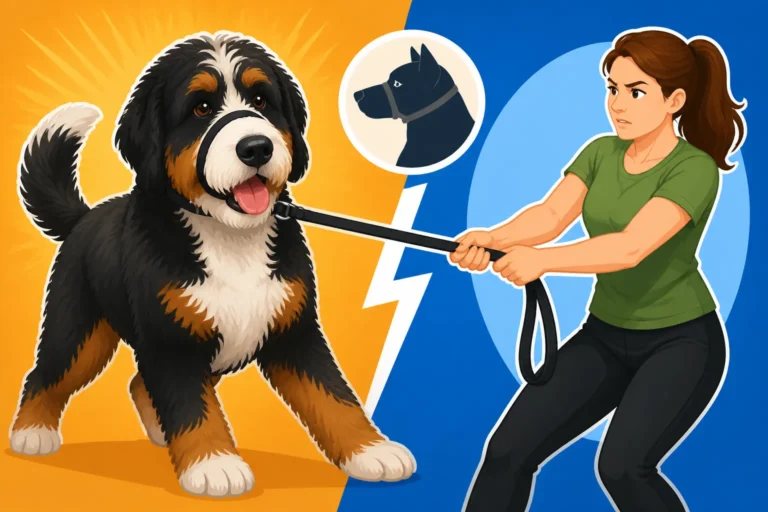
When a Bernedoodle Fights Its Owner (But Not the Groomer)
It’s a tale as old as time: your Bernedoodle is a terror on the grooming table at home, but a perfect angel for the professional groomer. You might wonder, Whether a Bernedoodle Fights Its Owner but Not the Groomer. There are several reasons for this. Professional groomers often have specialized equipment like hydraulic grooming tables, strong restraints (used safely and for control, not punishment), and industrial-strength force dryers that are often less noisy for the dog. They also have a neutral relationship with your dog, meaning they don’t carry the same emotional baggage or history of previous struggles.
To emulate this at home, consider investing in a sturdy grooming table (like those available on Amazon) and a grooming loop or belly band for safety and control. These aren’t meant to be punitive but to help keep your dog safely positioned. You can also work on building your dog's "grooming stamina" through cooperative care techniques, making it a game where they learn to hold positions for treats. BAXTER & Bella's online puppy school, for example, often covers foundational training for handling and grooming, teaching dogs to be comfortable with various procedures. Consistency, confidence, and calm energy from you will go a long way in convincing your Bernedoodle that grooming sessions at home can be just as safe and predictable as at the salon.
Essential Tools and Aids for a Smoother Drying Process
Having the right tools can make a world of difference in your Bernedoodle's acceptance of the dryer. Just like a professional chef needs good knives, a Bernedoodle owner needs appropriate grooming equipment to make the process as efficient and comfortable as possible for their dog.
Choosing the Right Dryer for Your Bernedoodle
Forget your human hairdryer! They are too hot, too weak, and often too loud for a Bernedoodle's thick coat and sensitive skin. For a Bernedoodle, especially a standard size, you really need a dedicated pet force dryer. These dryers blast a high volume of air, not heat, which effectively pushes water out of the coat without risking burns. They come in various power levels and noise outputs. Look for models that offer adjustable speed settings, so you can start very low and gradually increase.
While a force dryer is the most efficient, some Bernedoodles might initially tolerate a stand dryer better. A stand dryer allows you to position the air flow without having to hold the nozzle, freeing up your hands to brush or offer treats. However, they don't have the same water-blasting power as a force dryer. Ultimately, the best dryer is one your Bernedoodle can tolerate and that effectively dries their dense coat without excessive heat. Always use the coolest setting possible, even on pet-specific dryers, to prevent overheating or skin irritation.
Grooming Tables and Restraints
A stable grooming table is a game-changer for drying a Bernedoodle. It raises your dog to a comfortable working height, saving your back, and often helps your dog understand that this is "work time" where they need to stand still. Look for a sturdy, non-slip surface table, perhaps an adjustable one from Amazon that can accommodate your Bernedoodle's eventual size and weight. A wobbly table will only increase your dog's anxiety and make them more likely to struggle.
Alongside a table, grooming restraints are essential for safety, not punishment. A good grooming loop around their neck (snugly, but not choking) and a belly band can help keep a squirming Bernedoodle safely on the table, preventing them from jumping off and injuring themselves. They also help teach your dog to stand still. Introduce these restraints gradually and positively, pairing them with treats. Never leave your dog unattended on a grooming table, even with restraints, as they could still injure themselves if they panic. These tools are there to make the process safer and more controlled for both of you.
Comfort Aids and Distractions
To further ease your Bernedoodle's anxiety, consider some comfort aids. A "Happy Hoodie" or a simple snood (a fabric tube that covers their ears) can significantly dampen the noise from the dryer, protecting their sensitive hearing and reducing their startle response. These are widely available and can make a big difference for sound-sensitive dogs. Some dogs might also benefit from a Thundershirt or other anxiety wrap, which applies gentle, constant pressure to help them feel more secure.
Finally, don't underestimate the power of distractions. As mentioned before, lick mats, puzzle toys, or even just a steady stream of high-value treats can keep their mind occupied and associate the drying process with positive rewards. Having a variety of these on hand will allow you to cycle through them, keeping your Bernedoodle engaged and focused on something other than the scary dryer. The more positive associations you can build, the less anxious they will be.
Here's a quick comparison of common pet dryer types:
| Dryer Type | Pros | Cons | Best For |
|---|---|---|---|
| High-Velocity Force Dryer | Dries quickly, blasts water out, no heat needed | Can be very loud, intense air stream can be scary, requires hands-on operation | Thick, dense, double-coated dogs like Bernedoodles; professional-level results |
| Stand Dryer | Hands-free operation, adjustable height and angle | Less powerful than force dryers, still produces noise, longer drying time, often uses heat | Dogs who tolerate noise but not direct handling; owners needing hands-free drying |
| Human Hair Dryer | Readily available, generally quieter | Produces too much heat (risk of burns), insufficient power for thick coats, takes very long | Only for very small, thin-coated dogs on cool setting; not recommended for Bernedoodles |
Remember, success isn't always about perfect cooperation right away. It's about gradual progress, building trust, and making grooming a less stressful part of your Bernedoodle's life. Keep up the good work!
Disclaimer
This article is for general informational purposes only and does not constitute professional advice. Laws, prices and regulations vary by location and change over time. Consult a qualified professional for guidance on your specific situation.