Whether a Bernedoodle Is Aloof Rather Than Shy
It’s a common scenario for Bernedoodle parents: you’re out for a walk, someone approaches, and your beloved floof reacts in a way that leaves you wondering, "Are they shy, or just… not that into people?" The distinction between a Bernedoodle being genuinely shy and simply being aloof can be a tricky one, yet understanding it is absolutely crucial for how you support and train your dog. This guide will help you decode your Bernedoodle's social signals, delve into the genetic roots of these behaviors, and provide actionable steps to nurture confidence or simply respect their individual personality.
Deconstructing "Shy" Versus "Aloof" in Bernedoodles
When we talk about a dog's social behavior, words like "shy" and "aloof" often get used interchangeably, but they describe two very different internal states. For a big, fluffy breed like the Bernedoodle, these distinctions become even more important because their size and friendly appearance can lead to assumptions about their sociability. Misinterpreting their behavior can inadvertently reinforce fear or push them past their comfort zone.
Understanding Canine Shyness: A Fear-Based Response
Shyness in dogs, at its core, is a fear-based response. A shy Bernedoodle isn't choosing to ignore someone; they are reacting to a perceived threat or discomfort. This "threat" isn't necessarily a person with bad intentions, but simply an unknown, new, or overwhelming stimulus. Think about how you might feel walking into a crowded party where you know no one and everyone is staring at you – that intense feeling of wanting to disappear, to avoid eye contact, to find the nearest exit. That’s akin to what a shy dog experiences.
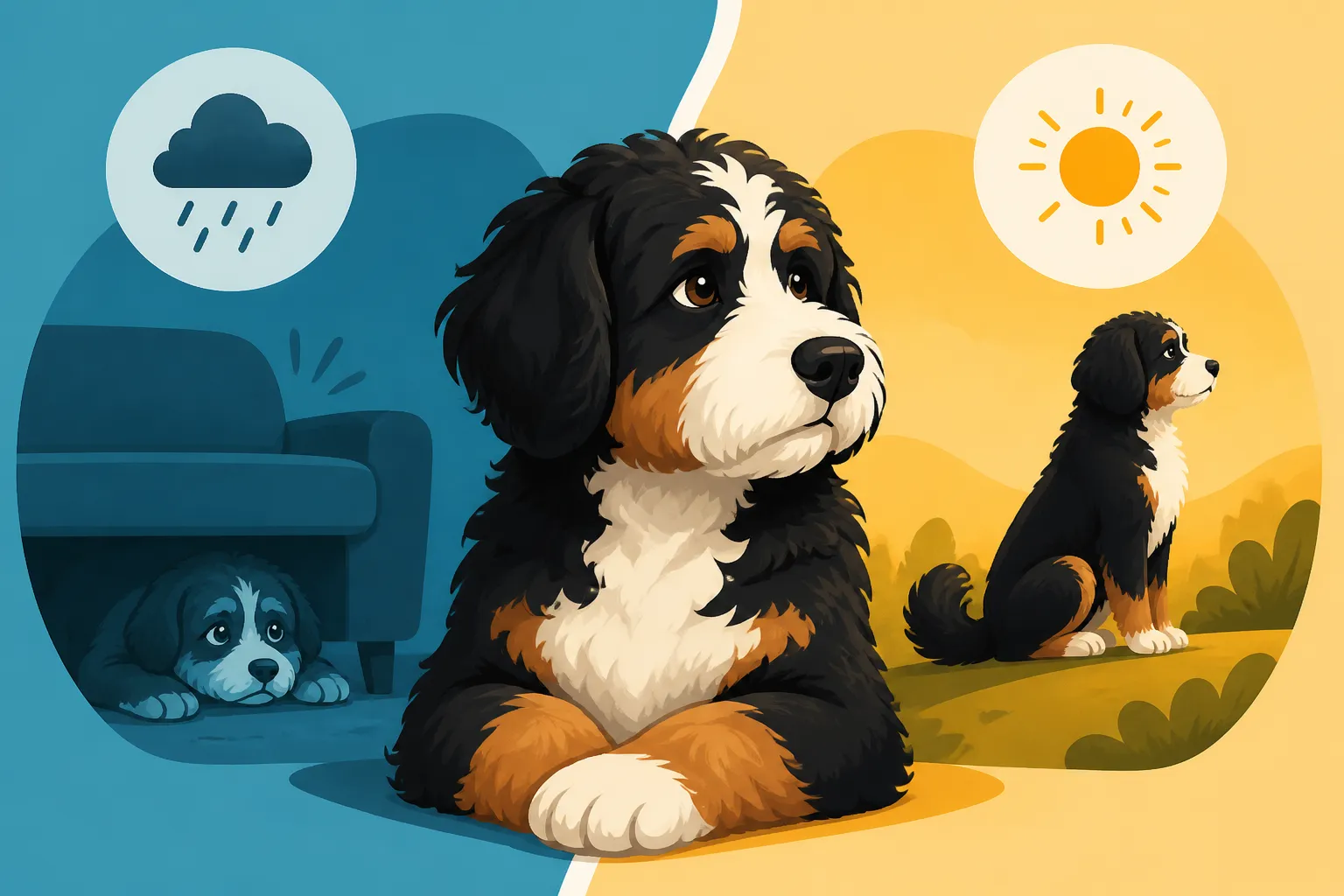
Physically, a shy Bernedoodle might display a variety of classic fear signals: a tucked tail, flattened ears, averting their gaze, leaning away from interaction, or even trying to hide behind your legs. They might tremble, pant excessively, or even urinate a little out of nervousness. They are actively trying to disengage because they are genuinely uncomfortable or afraid. Pushing a shy dog into interaction can be detrimental, potentially leading to a more profound fear response or, in extreme cases, defensive aggression if they feel trapped.
Decoding Aloofness: Calm Indifference or Discernment
Aloofness, on the other hand, is not driven by fear. An aloof Bernedoodle isn't scared; they're simply indifferent or highly selective about who they interact with. Imagine that same party scenario, but instead of wanting to hide, you simply observe calmly from a distance. You might acknowledge someone, but you don't feel compelled to engage in lengthy conversation or seek out attention. An aloof Bernedoodle might glance at a stranger, perhaps even accept a treat politely, but they won't typically seek out physical contact or enthusiastic greetings. They aren't going to roll over for a belly rub from just anyone.
The body language of an aloof dog is usually much more relaxed than a shy one. Their tail might be in a neutral position, their ears relaxed, and their posture calm and upright. They might observe new people or situations with a discerning gaze, taking everything in without a strong emotional reaction. This trait can stem from their intelligence and a discerning nature, rather than a lack of confidence. They might just be thinking, "You're not part of my inner circle, so I don't need to perform for you." Whether a Bernedoodle Is Aloof Rather Than Shy often comes down to these subtle, yet critical, body language differences.
The Bernese Mountain Dog and Poodle Influence on Temperament
To truly understand why your Bernedoodle might exhibit shyness or aloofness, it helps to look at their parent breeds. Bernedoodles are a hybrid of the Bernese Mountain Dog and the Poodle, and each breed brings its own set of personality traits to the genetic table. The blend of these can create a wonderfully unique temperament, but it can also present some behavioral nuances that owners need to be aware of.
The Bernese Mountain Dog's Reserved Nature
Bernese Mountain Dogs are famously gentle, affectionate, and devoted to their families. However, they are also known for being somewhat reserved or wary around strangers. This isn't usually fear; rather, it's a characteristic caution and a strong discernment for new people. A purebred Bernese will often take their time to "vet" new individuals, observing them quietly before deciding whether to engage. They're not typically the type to rush up to every new person with a wagging tail and an open invitation for pets.
This natural reservation from the Bernese side can easily manifest as aloofness in a Bernedoodle. They might stand a little apart, observe calmly, and only approach when they feel comfortable or when an invitation to interact feels genuinely safe and low-pressure. If not properly socialized, this trait can lean more towards shyness, especially if they haven't learned how to confidently navigate new encounters. This is why it's so important for Bernedoodle puppies to have positive, early experiences with a variety of people and environments, even if their inherent nature is to be a bit more cautious.
The Poodle's Intelligence and Sensitivity
Poodles are renowned for their intelligence, elegance, and often, their vivacious personalities. However, they are not universally boisterous social butterflies. Poodles can be quite sensitive and highly perceptive, which can sometimes lead to a discerning approach to strangers. A Poodle's intelligence means they often "read" situations and people, and if something feels off or too overwhelming, they might choose to disengage. This calculated withdrawal, rather than a panicked retreat, can be perceived as aloofness.
Furthermore, some Poodles can be prone to nervous tendencies or anxiety if not properly socialized or if they come from anxious lines. This sensitivity, when combined with the Bernese's reservation, can contribute to a Bernedoodle that is genuinely shy. Therefore, assessing which parent's traits are more dominant in your Bernedoodle, and how those traits interact, is key to understanding their behavior. It’s not uncommon to see a mix: a dog that's reserved (aloof) with some people but genuinely fearful (shy) in specific, overwhelming situations.
Spotting the Nuances: Is Your Bernedoodle Truly Shy or Simply Discerning?
Distinguishing between shyness and aloofness requires careful observation and a nuanced understanding of canine body language. It's not always black and white, but focusing on specific cues and contexts can help you better understand your Bernedoodle's inner world. A misdiagnosis can lead to incorrect training approaches, making a shy dog more fearful or pushing an aloof dog into uncomfortable situations.
Key Body Language Cues to Observe
Your Bernedoodle's body language is a window into their emotional state. Pay close attention to these indicators:
- Tail Position: A truly shy Bernedoodle will often have their tail tucked low between their legs, perhaps even clamped tightly. An aloof dog, however, usually carries their tail in a neutral position or with a gentle, relaxed wag. It won't be tucked, indicating a lack of fear.
- Ear Set: Flattened ears pinned back against the head are a clear sign of anxiety or fear. An aloof Bernedoodle's ears will likely be relaxed or slightly forward, indicating active listening and observation, not distress.
- Eye Contact: A shy dog will often avoid direct eye contact, looking away or blinking rapidly. An aloof dog might make brief eye contact, or watch you calmly with a steady, assessing gaze before looking away without distress.
- Posture and Movement: A shy dog might crouch, cower, or try to make themselves smaller. They may move slowly, hesitantly, or even try to bolt. An aloof dog will typically stand tall and calm, moving with purpose but without urgency or fear. They might move away from interaction, but without frantic energy. Whether a Bernedoodle Hides Behind Its Owner is a classic sign of shyness, whereas merely standing near you without trying to hide suggests a more aloof posture.
- Vocalization: Whining, nervous barking, or whimpering can indicate fear. An aloof Bernedoodle is usually quiet, perhaps offering a low, discerning woof if they feel a need to acknowledge someone without engaging fully.
Context Matters: Situational Analysis
How your Bernedoodle reacts in different situations can also shed light on their temperament.
- New People vs. Familiar People: Does your Bernedoodle greet family friends with enthusiasm but completely ignore or shy away from strangers? If they only show fear with new people, it points towards shyness. If they're generally polite but not overly excited about any human outside their immediate family, it leans towards aloofness. Whether a Bernedoodle Is Friendly With Strangers can vary widely based on individual personality and upbringing.
- New Environments: How do they react to a bustling dog park, a quiet vet office, or a busy street? A shy dog might be overwhelmed and want to leave, while an aloof dog might observe calmly, perhaps choosing a quiet spot to watch the world go by without showing distress. Whether a Bernedoodle Copes in a Busy House often reveals if they're generally comfortable with stimulation or if it leads to withdrawal.
- Invitation to Interact: If a stranger offers a treat, does your Bernedoodle snatch it nervously and retreat, or take it gently before calmly disengaging? An aloof dog might take the treat if it's appealing, but won't then demand further attention. A shy dog might refuse the treat altogether or take it with signs of stress.
Remember, a Bernedoodle can exhibit a combination of these traits. They might be generally aloof but have specific triggers that make them genuinely shy (e.g., small children, men with hats, loud noises). Your goal is to understand their individual personality, not to force them into a mold.
Nurturing Confidence and Respecting Temperament
Once you have a better idea of whether your Bernedoodle is truly shy or simply more aloof, you can tailor your approach to help them thrive. The goal is always to build a confident, well-adjusted dog, whether they're a social butterfly or a discerning observer.
For the Shy Bernedoodle: Building a Foundation of Safety
If your Bernedoodle leans towards genuine shyness, your primary focus should be on building confidence and creating a sense of safety. Never force them into interactions they're uncomfortable with, as this can severely backfire and deepen their fears.
- Positive, Controlled Exposure: Gradually introduce them to new people, places, and experiences, always keeping the encounters positive and brief. The key is "under threshold," meaning the exposure is mild enough that your Bernedoodle doesn't feel overwhelmed or fearful. If they show signs of stress, you've gone too far, too fast.
- High-Value Rewards: Use their favorite treats or toys to create positive associations with new experiences. Every time a new person approaches (from a distance), treat! The person doesn't even have to interact directly with your dog at first. Just their presence becomes a signal for good things.
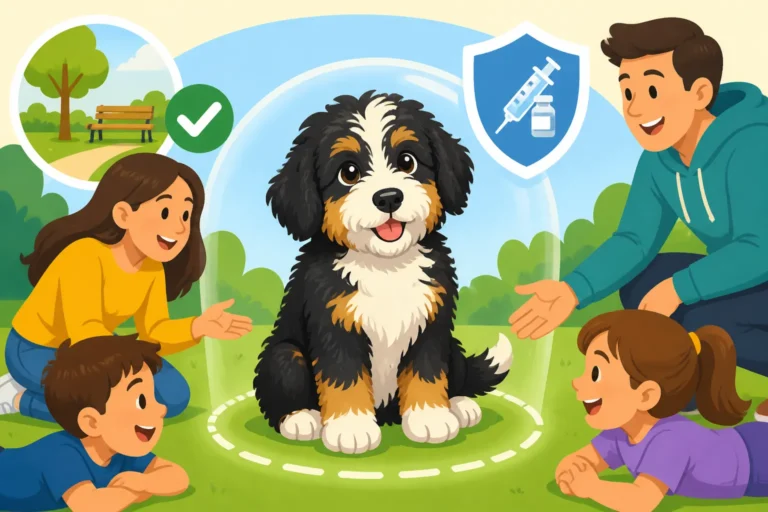
- Avoid Pressure: Don't allow strangers to rush up to your Bernedoodle, lean over them, or reach out to pet them without permission. Teach friends and family to approach slowly, from the side, and offer a treat with an open hand at your Bernedoodle's level. If your dog approaches, great! If not, respect their space.
- Enroll in Training Classes: A good positive-reinforcement obedience class can do wonders for a shy dog. It provides structured socialization in a safe environment and builds a strong bond between you and your dog. Companies like BAXTER & Bella offer online puppy and dog training programs that can be incredibly helpful for owners of shy dogs, allowing you to work at your dog's pace in the comfort of your own home before venturing into group settings.
- Professional Guidance: If shyness is severe, consider consulting a certified professional dog trainer or a veterinary behaviorist. They can help you create a tailored plan to address your Bernedoodle's specific fears and develop coping mechanisms. Whether a Bernedoodle Needs a Professional Trainer is a legitimate question, especially for deeply shy dogs.
- Management Tools: Use equipment like a well-fitting harness (avoiding pressure on their throat) and a long line from a brand found on Amazon to allow them safe exploration in quiet outdoor areas, building confidence without the risk of bolting if something spooks them.
For the Aloof Bernedoodle: Respecting Their Personality
If your Bernedoodle is more aloof than truly shy, your approach shifts from fear reduction to respecting their discerning nature while still ensuring they are polite and well-adjusted.
- Teach Polite Greetings: An aloof Bernedoodle might not rush up to guests, but they should be able to tolerate polite greetings. Work on a "four on the floor" command, teaching them to keep all paws on the ground when guests arrive. Guests can be instructed to ignore your Bernedoodle initially, allowing the dog to approach them on their own terms.
- Don't Force Interaction: Accept that your Bernedoodle might not be the life of every party. It's perfectly okay for them to prefer observing from a distance or to offer only a polite sniff before wandering off. Don't push them to interact more than they're comfortable with.
- Continued Socialization: Even aloof dogs benefit from ongoing, low-pressure socialization. Regular exposure to different sights, sounds, and people (even if they don't directly interact) helps them remain confident and comfortable in the world.
- Mental Enrichment: Highly intelligent dogs, like Bernedoodles, often thrive on mental stimulation. Puzzle toys, training games, and engaging activities can fulfill their need for engagement even if they're not constantly seeking human attention. This also strengthens your bond in ways that don't rely on effusive physical interaction. What a Bernedoodle Will Work For might involve problem-solving or scent work more than endless petting from strangers.
Behavior Differences: Shy vs. Aloof Bernedoodle
| Behavior Trait | Shy Bernedoodle | Aloof Bernedoodle |
|---|---|---|
| Primary Emotion | Fear, anxiety, discomfort | Indifference, discernment, calm observation |
| Body Language | Tucked tail, flattened ears, averted gaze, crouching, trembling, leaning away, attempts to hide | Neutral tail, relaxed ears, steady gaze (may be brief), upright posture, calmly disengaging or observing |
| Response to Strangers | Avoids eye contact, tries to escape, might bark nervously, refuses treats or takes them quickly and retreats | Observes calmly, might accept a treat politely, does not actively seek attention, may ignore or move away without distress |
| Reaction to New Environments | Overwhelmed, seeks escape, clingy to owner, shows signs of stress (panting, drooling) | Calmly assesses surroundings, finds a comfortable spot to observe, not overly excited or distressed |
| Willingness to Engage | Low, will avoid or tolerate briefly if forced | Selective, will engage on their own terms if they choose, but won't be overly effusive |
| Socialization Needs | Careful, positive, gradual exposure to build confidence and reduce fear | Ongoing exposure to maintain comfort and politeness, respecting their personal space |
| Owner's Role | Provide security, gentle guidance, positive reinforcement, advocate for their dog's space | Respect their personality, teach polite manners, don't force interaction, offer enrichment |
Ultimately, whether your Bernedoodle is shy or aloof, understanding their unique personality is the first step toward a harmonious relationship. Both temperaments are valid and lovable, and with patience, empathy, and consistent positive reinforcement, you can help your Bernedoodle navigate the world with confidence and grace. Remember, they are individuals, and their worth isn't measured by how many strangers they enthusiastically greet.
Disclaimer
This article is for general informational purposes only and does not constitute professional advice. Laws, prices and regulations vary by location and change over time. Consult a qualified professional for guidance on your specific situation.