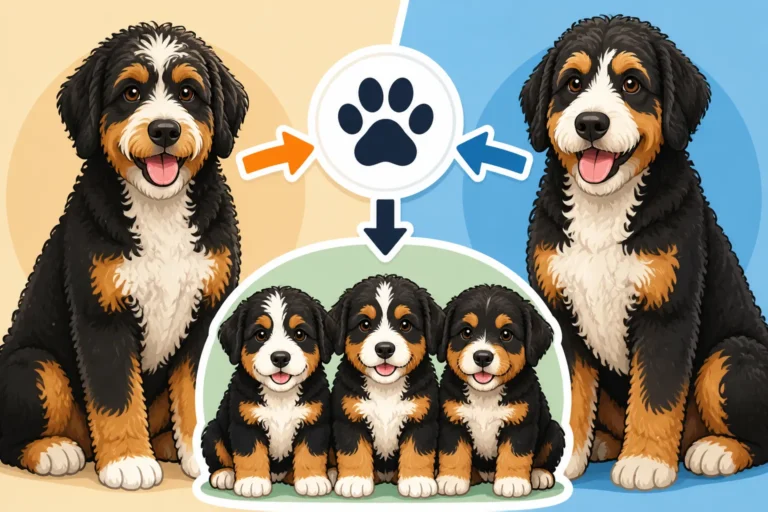
Whether Coat Color Predicts a Bernedoodle’s Temperament
It’s a question many prospective Bernedoodle owners ponder, perhaps when they’re scrolling through pictures of adorable puppies: does that gorgeous tri-color coat mean a different personality than a solid black one? We all look for clues to help us choose the perfect furry family member, and it's easy to fall into the trap of thinking a dog's appearance dictates their inner world. This guide will dive deep into whether Bernedoodle coat color has any real bearing on temperament, and more importantly, what factors truly shape your Bernedoodle's personality.
The Allure of Color and the Temperament Myth
It's completely understandable why people might connect a Bernedoodle's coat color to its temperament. We see so much variety in this wonderful crossbreed – from the classic tri-color to phantom, sable, merle, and solid black – that it’s natural to wonder if these visual differences extend beneath the surface. For generations, certain dog breeds have been associated with specific temperaments, sometimes linked to their physical characteristics, even if it's based more on lore than on scientific fact.
Why We Connect Looks to Personality
Think about it: in many aspects of life, we draw conclusions from what we see. If we encounter a very calm, fluffy white dog, we might subconsciously assume all calm dogs are white and fluffy. This kind of anecdotal observation, while charming, can lead us astray when it comes to predicting a complex trait like temperament. With Bernedoodles, their unique coat patterns are often a huge draw, and it’s a short leap to wonder if a particularly striking coat, like a deep merle, comes with a particularly striking personality. We want to believe there's a secret code to unlock their disposition, and color seems like an easy key.
However, the truth is that a Bernedoodle's coat color is primarily determined by a different set of genes than those that influence personality traits. The genes for color are like the artist's palette, creating beautiful patterns and shades, while the genes for temperament are more like the blueprint for behavior and disposition. They operate independently, meaning a black tri-color Bernedoodle is just as likely to be goofy and outgoing as a solid black one, or a phantom, or a sable.
Historical Anecdotes vs. Genetic Reality
You might hear old wives' tales or anecdotes from well-meaning friends about how "all red dogs are fiesty" or "black dogs are more reserved." While individual dogs, by sheer coincidence, might fit these descriptions, there's no widespread scientific evidence to support a direct correlation between specific coat colors and inherent temperament traits across breeds, especially not in a crossbreed like the Bernedoodle. These stories often stem from limited personal experience rather than broad genetic patterns. In reality, while coat color can sometimes be linked to certain genetic health conditions (like the merle gene and potential hearing/vision issues if bred irresponsibly), it doesn't generally dictate whether a dog will be shy, bold, playful, or calm. What we perceive as a pattern is often just confirmation bias.
What Actually Predicts a Bernedoodle's Temperament
If coat color isn't the magic key, then what truly shapes a Bernedoodle's personality? The answer lies in a combination of powerful factors: genetics, early socialization, and consistent training. These are the pillars upon which a well-adjusted, happy Bernedoodle is built, regardless of whether they have the traditional tri-color markings or a solid, elegant coat.
The Power of Parental Genetics
By far, one of the most significant influences on a Bernedoodle's temperament comes directly from its parents – the Bernese Mountain Dog and the Poodle. Both parent breeds contribute distinct personality traits, and the mix is what gives the Bernedoodle its unique charm.
- Bernese Mountain Dog Influence: From the Bernese side, Bernedoodles often inherit a sweet, gentle, and loyal disposition. Bernese are known for being affectionate "leaners," desiring to be close to their humans, and typically have a calm, sometimes goofy nature. They are generally good with children and other pets, provided they are well-socialized. This influence usually means a loving, devoted companion. You can read more about What a Bernedoodle Keeps of the Bernese Temperament.
- Poodle Influence: The Poodle parent brings intelligence, a playful spirit, and often a bit more energy and alertness. Poodles are highly trainable and eager to please, which can balance out the Bernese's more stubborn tendencies. They are also known for their keen observation skills and sometimes a touch of reservedness with strangers initially. For more on this, check out What the Poodle Contributes to a Bernedoodle.
A responsible breeder will carefully select parent dogs not just for health clearances and physical traits, but also for sound temperaments. They will be looking for parents that are calm, friendly, and well-adjusted, as these traits are highly heritable. When you visit a breeder, observing the parents' demeanor can give you a much better idea of a puppy's potential personality than looking at their coat patterns.
The Crucial Role of Early Socialization
Imagine a Bernedoodle puppy, fresh from its littermates, entering your home. From that moment on, its experiences profoundly shape its developing personality. Early socialization – the process of exposing a puppy to a wide variety of sights, sounds, people, and other animals in a positive and safe way – is absolutely paramount.
A Bernedoodle puppy that is exposed to different textures underfoot, various noises (vacuum cleaners, doorbells, children playing), different types of people (men with beards, women in hats, kids of all ages), and other friendly, vaccinated dogs before 16 weeks of age is far more likely to grow into a confident, well-adjusted adult. Without proper socialization, any Bernedoodle, regardless of its coat color, can develop shyness, fear, or reactivity. For tips on this vital period, take a look at Socializing a Bernedoodle Before Twelve Weeks. This includes ensuring they have positive interactions during critical developmental windows, making sure every new experience is a good one, or at least a neutral one.
The Impact of Consistent Training and Environment
Training is not just about teaching commands; it's about building a language and a bond with your dog, and reinforcing desirable behaviors. Consistent, positive reinforcement training helps shape a Bernedoodle's behavior and confidence. A Bernedoodle that knows what's expected of it, that has clear boundaries, and that feels secure in its role within the family, will thrive.
- Positive Reinforcement: Using treats, praise, and play to reward good behavior is far more effective than punishment. Bernedoodles are intelligent and eager to please, and they respond wonderfully to kindness and consistency. You might find some excellent training treats and puzzle toys on Chewy that can aid in this process.
- Managing Energy: Bernedoodles are active dogs, and sufficient exercise is key to a balanced temperament. A bored or under-exercised Bernedoodle can become destructive or develop unwanted behaviors like excessive barking or counter-surfing. Daily walks, play sessions, and mental enrichment activities are vital.
- The Home Environment: A calm, stable, and loving home environment contributes immensely to a Bernedoodle's overall well-being and temperament. Dogs are sensitive to their surroundings, and a chaotic or neglectful environment can lead to anxiety or behavioral issues.
Common Bernedoodle Temperament Traits (Regardless of Color)
When people talk about the "typical Bernedoodle temperament," they're generally describing a wonderful mix of traits that come from both parent breeds, traits that are universal across all coat colors. These characteristics are what make Bernedoodles so beloved.
The Affectionate "Leaning" Giant
One of the most endearing traits Bernedoodle owners often describe is their dog's affectionate nature, sometimes playfully referred to as "the lean." This is a classic Bernese trait that many Bernedoodles inherit. They love to be close to their people, often literally leaning their full body weight against you for comfort or affection. This isn't just a physical gesture; it's a profound expression of their desire for connection and their deep loyalty. Whether your Bernedoodle is a merle or a traditional tri, this loving inclination is a hallmark of the breed mix. If you have a larger standard Bernedoodle, this leaning can be quite a force, so early manners training is important to ensure they're not knocking over guests unintentionally! Check out A Bernedoodle That Leans on Everyone for more insights into this charming habit.
Playful, Goofy, and Sometimes Stubborn
Bernedoodles are known for their playful, often goofy antics. They tend to maintain a puppy-like exuberance well into adulthood, enjoying games of fetch, romping in the yard, and generally making their families laugh. This playful spirit is a fantastic blend of the Bernese's gentle nature and the Poodle's energy. However, alongside this playfulness, many Bernedoodle owners will readily tell you about a persistent stubborn streak. This can sometimes come from the Bernese side, which can be a bit slow to respond or decide if they truly want to do something. The Poodle's intelligence helps, but patience is definitely a virtue when training these clever, yet occasionally headstrong, dogs. It's not uncommon for a Bernedoodle to 'ignore' a command it knows perfectly well if there's something more interesting happening. This isn't about their coat color; it’s just part of their charm! Read more about The Stubborn Streak Under a Bernedoodle's Poodle Brain.
Smart, Trainable, and Eager to Please
Thanks to the Poodle's significant contribution, Bernedoodles are intelligent dogs. This makes them highly trainable, capable of learning a wide array of commands and tricks. They generally pick up new concepts quickly, especially when motivated by positive reinforcement. Their eagerness to please, combined with their intelligence, makes them excellent candidates for various dog sports and activities beyond basic obedience, such as rally, agility (if their joints allow for larger sizes), or even therapy work. This mental acuity is a consistent trait across all Bernedoodle coat variations, making them rewarding companions for those willing to invest in their training. You can find many enrichment toys on Chewy that cater to their intelligent minds, helping to keep them mentally stimulated.
Adaptable and Good with Families
One of the reasons Bernedoodles are such popular family dogs is their generally adaptable and tolerant nature. They often do very well with children, showing patience and a gentle demeanor. Of course, proper introductions and supervision are always key, especially with young children and larger dogs. They tend to get along well with other pets too, particularly if raised with them. Their affectionate and loyal nature means they thrive when included in family activities. This adaptable temperament makes them suitable for a variety of living situations, from active families in homes with yards to more sedate households in apartments, as long as their exercise needs are met. Whether you choose a standard, mini, or tiny Bernedoodle, these general traits hold true. For different family compositions, understanding The Three Bernedoodle Sizes and What Sets Them might be helpful.
Breeding Practices: Prioritizing Temperament Over Aesthetics
When seeking a Bernedoodle, focusing on responsible breeding practices is far more critical than choosing a puppy based solely on its coat color. A good breeder understands that temperament and health are paramount, and they will make breeding decisions based on these factors, not just on aesthetics.
What Responsible Breeders Look For
Responsible Bernedoodle breeders prioritize several key areas:
- Health Clearances: This includes genetic testing for conditions common to both Bernese Mountain Dogs and Poodles, such as hip and elbow dysplasia, Von Willebrand's Disease in a Bernedoodle, and progressive retinal atrophy (PRA). They should be transparent about these clearances, often through organizations like OFA or PennHIP. This helps ensure your puppy starts life with the best possible genetic foundation for health.
- Parent Temperament: As discussed, the parents' temperaments are a strong indicator of what their puppies will be like. A reputable breeder will have adult dogs that are well-socialized, friendly, calm, and confident. They should be happy to introduce you to the parent dogs and discuss their personalities in detail.
- Early Puppy Rearing: How a breeder raises their puppies during the first eight weeks is critical. Puppies should be raised in a clean, stimulating environment, handled frequently, and exposed to gentle, positive experiences. This early neurological stimulation and socialization lay the groundwork for a confident adult dog.
- Genetic Diversity: While aiming for specific coat colors might be tempting, an ethical breeder will prioritize genetic health and diversity within their breeding program to avoid passing on hereditary issues. They will not sacrifice health or temperament for a "designer" color.
Why Prioritizing Color Can Be a Mistake
Choosing a puppy based purely on its coat color can lead to overlooking more important considerations. For example, if you insist on a specific rare color, you might inadvertently limit your choice of breeders and potentially end up with a puppy from a less reputable source who prioritizes novelty over health and temperament. Some breeders might even charge a premium for "rare" colors without providing the necessary health testing or early socialization. This is why many experienced Bernedoodle owners and ethical breeders advocate that Whether Picking a Bernedoodle by Color Is a Mistake is a question that needs serious consideration.
A good breeder knows that a dog's color is simply icing on the cake. The real value is in a healthy, well-tempered companion who will be a joy to live with for many years. When inquiring about puppies, focus your questions on the health testing of the parents, their temperaments, and the socialization practices for the puppies, rather than leading with questions about specific coat patterns.
The Role of Coat Type, Not Color
While coat color doesn't affect temperament, coat type can certainly impact the commitment required for grooming and, indirectly, how a dog feels about being handled. Bernedoodles can have wavy, curly, or even flatter coats.
- Curly Coat: More like a Poodle, these coats are often non-shedding and require regular grooming to prevent matting. A Bernedoodle with this coat type will need to tolerate frequent brushing and professional grooming.
- Wavy Coat: The most common Bernedoodle coat, a delightful mix of both parents. It's often low-shedding but still prone to matting and requires consistent brushing.
- Straight Coat: Less common, this coat type can shed more like a Bernese and may still require brushing, though perhaps less frequently than a curly or wavy coat.
A Bernedoodle who is uncomfortable with grooming due to lack of early exposure or negative experiences might appear "temperamental" during brushing, but this is a learned response, not inherent to its coat color. Regardless of coat type or color, all Bernedoodles benefit from being taught to tolerate and even enjoy grooming sessions from a young age. You can find all the brushes and grooming tools you need on Chewy to make this a positive experience for your pup.
Conclusion: Focus on the Whole Dog, Not Just the Wrapper
To wrap things up, when it comes to Bernedoodles, coat color does not predict temperament. It's a beautiful, superficial trait, much like hair color in humans, that adds to their individual charm but doesn't define their personality. The true predictors of a Bernedoodle's temperament are its genetic lineage (the sound temperaments of its Bernese and Poodle parents), its early experiences through thoughtful socialization, and the consistent, positive training it receives in its forever home.
If you're looking for a Bernedoodle, dedicate your energy to finding a responsible breeder who prioritizes health and temperament, observe the parent dogs, ask about early puppy rearing practices, and commit to providing a loving, consistent environment for your new family member. Whether your future companion is a flashy merle, a classic tri, or a sleek black beauty, a well-bred and well-raised Bernedoodle will bring boundless joy, affection, and a touch of goofy charm to your life. The best Bernedoodle isn't defined by its color, but by its loving heart and stable mind.
Disclaimer
This article is for general informational purposes only and does not constitute professional advice. Laws, prices and regulations vary by location and change over time. Consult a qualified professional for guidance on your specific situation.