Cutting an Old Bernedoodle’s Portions as It Slows
It's a bittersweet truth that our beloved Bernedoodles don't stay bouncy puppies forever. One day, you look at your once-energetic companion, perhaps still a goofy, happy soul, but notice they're a little slower to rise, a bit less enthusiastic about that long walk, or spending more time napping in their favorite sunny spot. This natural slowdown, while a sign of a life well-lived, means their metabolism is also shifting, and continuing to feed them the same generous portions they enjoyed in their prime can unfortunately lead to unwanted weight gain, adding undue stress to their aging bodies. This guide is here to walk you through how to gently and effectively adjust your senior Bernedoodle's diet, ensuring they stay healthy and comfortable in their golden years.
Why an Old Bernedoodle Needs Less Food
As our Bernedoodles age, their bodies undergo a lot of changes, much like ours do. What was once a perfectly balanced diet for a robust, active adult might become a little too much for a senior who prefers leisurely strolls to vigorous romps. Understanding these physiological shifts is key to knowing why a dietary adjustment isn't just a suggestion, but a necessity for their well-being.
Slower Metabolism and Reduced Activity Levels
One of the most significant changes in an aging Bernedoodle is a noticeable slowdown in their metabolic rate. Think of it like a car engine that used to race at high RPMs but now idles a little lower; it simply burns less fuel. Their bodies become more efficient, requiring fewer calories to maintain basic functions. On top of this, their overall activity levels typically decrease. That once-boundless energy that had them tearing across the dog park or joining you for miles-long hikes might now be reserved for a gentle wander around the block or a short game of fetch in the yard. They might spend more time napping, observing the world from a comfortable bed, or simply leaning into you for affection instead of demanding play. This combination of a slower metabolism and reduced physical exertion means their daily caloric needs drop significantly.
It's easy to overlook this, especially if your Bernedoodle still seems to enjoy their food with the same gusto. We often associate a healthy appetite with a healthy dog, and it can be hard to deny them what they clearly love. However, those extra calories, if not burned off, don't just disappear; they get stored as fat. This accumulation of fat can then contribute to a host of other health issues, making their senior years much more challenging than they need to be. It’s not about depriving them, but rather about providing them with precisely what their changing body requires.
Decreased Muscle Mass and Increased Fat
Another critical aspect of aging in Bernedoodles is sarcopenia, which is the natural, age-related loss of muscle mass. Even if your Bernedoodle maintains a relatively consistent weight on the scale, their body composition is likely changing. They might be losing muscle and gaining fat, which is often harder to spot under their thick, fluffy coats. Muscle tissue is metabolically more active than fat tissue, meaning it burns more calories even at rest. When muscle mass decreases, the body's overall caloric expenditure goes down. This isn't just about aesthetics; healthy muscle mass is vital for supporting joints, maintaining mobility, and performing everyday movements like getting up from a lying position or navigating stairs.
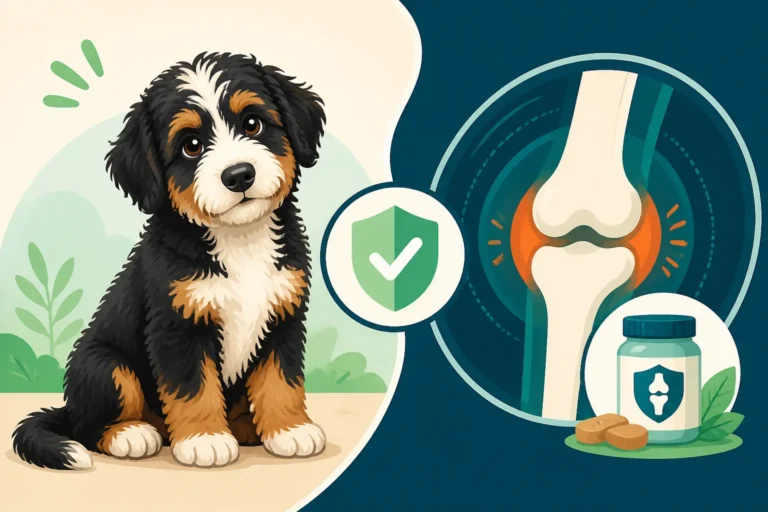
The Bernese Mountain Dog side of your Bernedoodle's lineage is particularly prone to joint issues, and added weight from increased fat puts even more strain on already vulnerable hips and elbows. Hips on a Ninety Pound Bernedoodle and Elbow Dysplasia in a Growing Bernedoodle touch on these foundational concerns, but as they age, these become even more pronounced. Carrying extra weight exacerbates conditions like arthritis, making movement painful and further reducing their desire to be active, creating a vicious cycle. Therefore, carefully managing their diet to maintain lean muscle mass and prevent excess fat accumulation is one of the most loving things you can do for your senior companion. It directly impacts their comfort, mobility, and overall quality of life as they enter what we sometimes call The Birthday a Standard Bernedoodle Counts as Senior.
Signs Your Senior Bernedoodle Needs a Diet Adjustment
Recognizing the subtle cues that your Bernedoodle's diet needs a tweak can be challenging, especially with their famously dense coats that can hide a multitude of sins. Many owners don't realize their dog has gained weight until it's become a significant issue. However, by being attentive to certain signs, you can proactively make changes that will keep your furry friend healthier and happier.
Visible Weight Gain and Body Condition Changes
The most obvious sign is weight gain, but as I mentioned, it's not always easy to see on a Bernedoodle. Instead of just looking at the number on the scale, try to get hands-on and evaluate their body condition score (BCS). You should be able to easily feel your Bernedoodle's ribs without pressing hard. If you have to dig your fingers in to find them, or if you feel a thick layer of fat, it’s a red flag. Similarly, look for a distinct waistline when viewed from above, and a slight tuck in their belly when viewed from the side. An overweight Bernedoodle will often have no discernible waist, and their belly might hang low. You might also notice fat deposits over their hips or at the base of their tail.
Sometimes, the weight gain manifests in smaller, seemingly innocuous ways. Perhaps their harness feels a bit snugger, or their favorite bed seems to sag a little more. You might see them struggling to fit into tighter spaces they once navigated with ease. It’s also crucial to remember that weight gain in seniors is not just about looking chunky; it’s about the silent strain it puts on their internal organs, their heart, and their joints. Whether an Overweight Bernedoodle Loses Years is a very real concern, and even a few extra pounds can significantly impact their long-term health and mobility. Regularly performing a body condition assessment, even monthly, can help you catch these changes early.
Changes in Mobility and Energy Levels
Beyond physical appearance, your Bernedoodle's behavior and movement patterns can tell you a lot. Is your senior Bernedoodle less keen to go for walks? Do they tire quickly, lagging behind when they used to lead the way? Are they reluctant to jump on the couch or climb stairs, even if they still manage it? These changes in mobility and energy levels, while partly attributable to aging itself, are often exacerbated by carrying excess weight. A heavier body means more work for their joints and muscles, which can already be feeling the effects of arthritis or other age-related conditions.
You might notice them struggling to get up after a nap, taking longer to "unfurl" themselves, or exhibiting stiffness, especially in the morning. They might lie down more frequently during walks or seem generally less enthusiastic about activities they once loved. While it's natural for a Bernedoodle to slow down as they age, excessive lethargy or marked difficulty in movement can signal that their body is carrying more than it needs to. It's a clear indicator that their caloric intake might be out of sync with their energy expenditure, and a dietary adjustment could bring them a new lease on life, making their movements easier and more comfortable. Arthritis in a Bernedoodle at Eight is a common challenge, and managing weight is a primary tool for easing discomfort.
How to Safely Reduce Your Bernedoodle's Food Intake
Once you've identified that your senior Bernedoodle needs a diet adjustment, the next step is to implement it safely and effectively. You don't want to make drastic changes overnight, as this can lead to digestive upset or make your dog feel deprived. Gradual, thoughtful adjustments are the way to go.
Gradual Reduction and Accurate Measuring
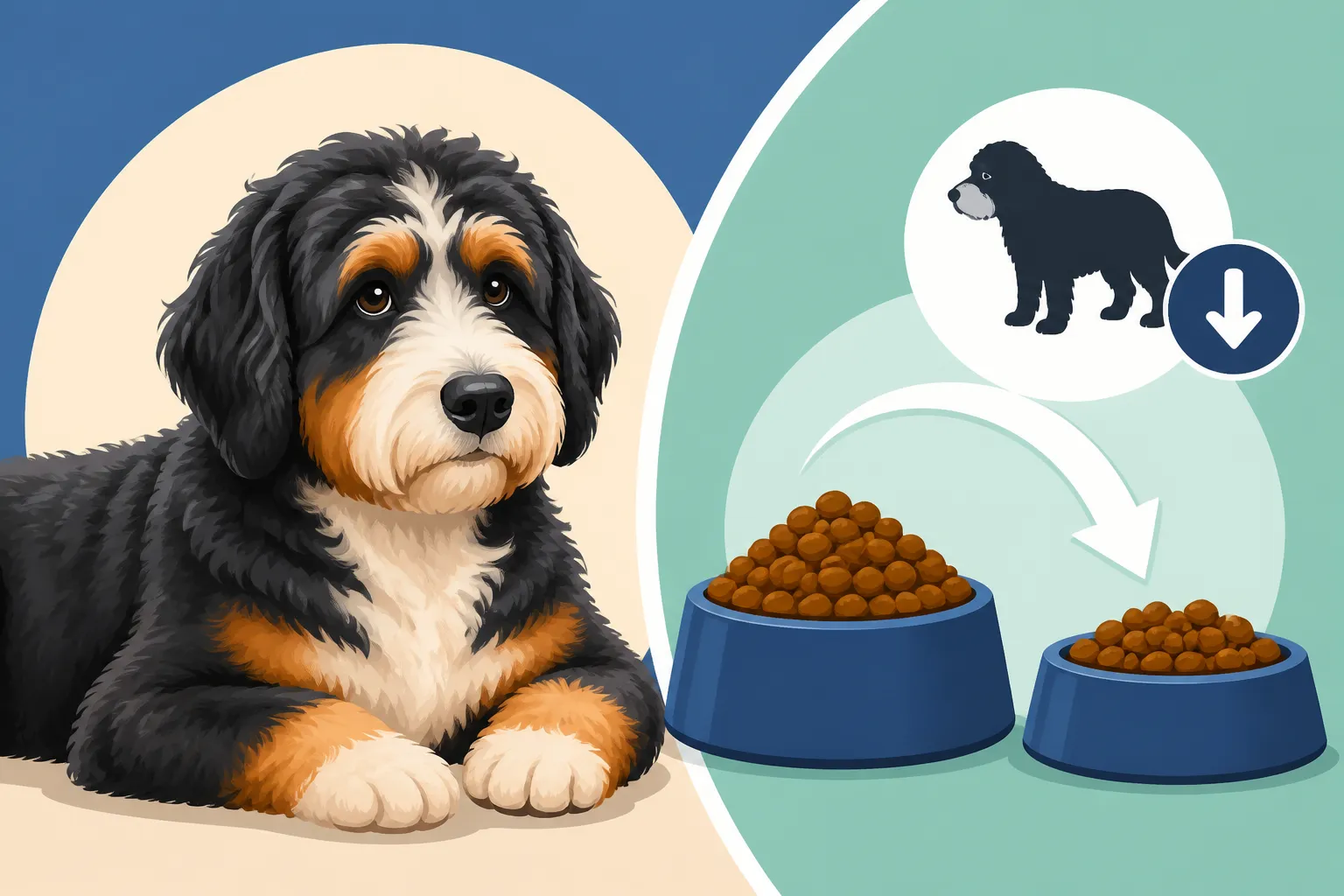
The golden rule for dietary changes is always to go slow. Start by reducing your Bernedoodle's current food portion by about 5-10% for a week or two. Observe them closely: how is their energy? Are they still leaving any food in the bowl? Are their stools normal? If all seems well, you can make another small reduction. The goal is to find the sweet spot where they are gradually losing weight (if needed) or maintaining a healthy weight, without seeming constantly hungry or losing energy. This process can take several weeks or even a few months, and that’s perfectly fine. Patience is key.
Accurate measuring is non-negotiable. Eyeballing portions with a random scoop is a recipe for inconsistency. Invest in a proper, standard measuring cup (the kind used for baking, not just a generic pet food scoop, which can vary wildly). For even greater precision, especially if your Bernedoodle needs to lose significant weight, consider using a kitchen scale to weigh their food. Grams are much more accurate than cups. Many brands, including those found on Chewy or Amazon, offer precise measuring tools that can help. Remember, even a small handful of extra kibble each day can add up to hundreds of unwanted calories over a week for a large dog. Stick to the recommended feeding guidelines on your dog's food bag for their ideal target weight, and then adjust down from there based on their individual needs and activity levels.
Adjusting Treats and Snacks
It's not just about the main meals; treats and table scraps can be huge hidden sources of calories. Many owners, ourselves included, love to spoil our dogs with treats, especially when they give us those adorable Bernedoodle puppy-dog eyes. But for a senior Bernedoodle whose metabolism has slowed, even a few extra treats can quickly derail a diet plan. First, evaluate how many treats you're giving daily. Do you give one every time they perform a trick? Do visitors sneak them extra? Be honest with yourself and make a conscious effort to cut back.
Consider switching to lower-calorie, healthier options. Small pieces of plain, cooked chicken, carrots, green beans, or apple slices can be fantastic, nutritious alternatives to high-fat biscuits. Some commercial treats are specifically designed to be low in calories; check the labels carefully. If your Bernedoodle absolutely lives for treats, you can also use a portion of their daily kibble as training rewards throughout the day. This way, they still get the mental stimulation and reward, but without adding extra calories. For some senior Bernedoodles, especially those on specific diets like those offered by Ollie, portion control of their entire day's intake, including treats, becomes paramount to managing their weight and health. Remember, affection and praise are calorie-free and just as meaningful to your loving companion.
Choosing the Right Food for an Aging Bernedoodle
The type of food you offer your senior Bernedoodle is just as important as the quantity. Their nutritional needs change as they age, and selecting a diet specifically formulated for senior dogs can make a significant difference in their health and vitality.
Senior-Specific Formulas
Many pet food manufacturers offer "senior" or "mature adult" formulas, and for good reason. These diets are typically formulated with a lower calorie density to help prevent weight gain, even if your dog's activity levels have decreased. They often have a carefully balanced protein content, which is crucial. While older dogs need fewer calories, they still need adequate protein to help maintain muscle mass and prevent sarcopenia. Too little protein can accelerate muscle loss, while excessively high protein might not be beneficial for all seniors, especially those with certain kidney conditions, so it's a balance.
Beyond calories and protein, senior formulas often include targeted supplements. Look for ingredients like glucosamine and chondroitin, which support joint health and can help manage Arthritis in a Bernedoodle at Eight. Antioxidants (like vitamins E and C) are also common to help combat cellular aging and support a healthy immune system. Increased fiber content can aid digestion and promote satiety, helping your Bernedoodle feel fuller on fewer calories. When browsing for options on sites like Chewy or Amazon, pay close attention to the ingredient list and the nutritional analysis. It's always a good idea to discuss specific food choices with your veterinarian, as they can recommend the best formula based on your Bernedoodle's individual health profile and any existing medical conditions.
Importance of Quality Ingredients and Nutrient Balance
Regardless of whether you choose a senior-specific formula or decide to stick with a high-quality adult food with adjustments, the overall quality of ingredients and the nutrient balance are paramount. A good quality food will have real meat as the first ingredient, not vague "meat by-products" or excessive fillers. Look for digestible carbohydrates and healthy fats. Omega-3 fatty acids, often derived from fish oil, are particularly beneficial for senior Bernedoodles. They support cognitive function, skin and coat health, and have anti-inflammatory properties that can help soothe achy joints.
For some owners, a fresh food diet might be an appealing option for their senior Bernedoodle. Brands like Ollie deliver human-grade, gently cooked food that can be precisely portioned and customized to your dog's specific caloric needs and health requirements. The higher moisture content in fresh food can also be beneficial for hydration, which is important for aging dogs. Whether dry kibble, wet food, or fresh food, the key is consistency and ensuring that whatever you choose provides complete and balanced nutrition for a senior dog, supporting their energy levels, joint health, and overall well-being. Don't be afraid to read reviews, compare ingredients, and consult your vet to find the perfect fit for your beloved companion. Keeping an Old Bernedoodle Comfortable often starts with what's in their bowl.
Balancing Diet with Exercise for Senior Bernedoodles
Adjusting your Bernedoodle's diet is only one side of the coin; the other is ensuring they still get appropriate exercise. While they might not be chasing squirrels with the same youthful vigor, consistent, gentle activity is crucial for maintaining muscle mass, supporting joint health, and managing their weight.
Gentle, Consistent Activity
For senior Bernedoodles, the goal isn't intense workouts, but rather gentle, consistent movement. Short, frequent walks are often much better than one long, strenuous one. Two or three 15-20 minute walks a day can keep their muscles toned, their joints mobile, and their minds engaged, without overtaxing their system. Pay close attention to your Bernedoodle during these outings. Are they lagging? Are they limping afterward? Are they panting excessively? These are all signs that you might be pushing them too hard, and it's time to scale back the duration or intensity.
Consider low-impact activities like swimming, if your Bernedoodle enjoys it and has access to a safe pool or calm water. Swimming is fantastic for joint health, as it provides a full-body workout without the impact on their joints. Even gentle games of fetch in the yard, rolling a ball rather than throwing it far, can provide mental and physical stimulation. The key is to keep them moving in a way that is comfortable and enjoyable for them. Exercise for a Bernedoodle With Arthritis emphasizes the importance of tailoring activity to their specific needs and limitations, ensuring they stay active without causing pain or further injury.
Joint Support and Environmental Modifications
Beyond specific exercises, think about how you can support your senior Bernedoodle's mobility in their everyday environment. As discussed in Keeping a Ninety Pound Bernedoodle Off Its Joints, avoiding excessive jumping or hard impacts is crucial. Ramps or pet stairs can be invaluable for helping them get onto furniture, into the car, or navigate a few steps without putting strain on their hips and elbows. Non-slip rugs on slick floors can prevent slips and falls, which can be devastating for an older dog with compromised balance or strength.
Many senior Bernedoodles benefit greatly from orthopedic beds that provide excellent support for their joints. These beds distribute their weight evenly and prevent pressure points, making naps and nighttime sleep much more comfortable. Joint supplements, even if they're in their food, might be recommended by your vet as an additional measure. Ingredients like glucosamine, chondroitin, and MSM can help maintain cartilage health and reduce inflammation. Remember, every little bit helps. Creating an environment that accommodates their changing physical needs, coupled with a balanced diet and appropriate exercise, will ensure your Bernedoodle can enjoy their senior years with dignity and comfort.
Monitoring Your Bernedoodle's Health During Dietary Changes
Making dietary adjustments for your senior Bernedoodle is an ongoing process, not a one-time fix. Regular monitoring and communication with your veterinarian are essential to ensure the changes are effective and safe for your beloved companion.
Regular Vet Check-ups and Body Condition Scoring
Routine veterinary check-ups become even more critical as your Bernedoodle ages. Your vet can perform a thorough physical examination, assess their overall health, and catch any underlying conditions that might influence their dietary needs. They can also accurately assess your Bernedoodle's body condition score (BCS) and weigh them on a regular basis, giving you objective data on whether your dietary adjustments are working. What might feel like a slow reduction to you could be too fast or too slow for your individual dog. Your vet can provide tailored recommendations and adjust the plan as needed.
It's also important for you to continue monitoring your Bernedoodle's BCS at home. This isn't about being obsessive, but about being consistently aware. Gently run your hands over their ribs, spine, and hips weekly. Note if you can feel their ribs easily, if their waist is visible, and if there are any new fat pads. Keep a log of their weight if you have a large enough scale at home, or rely on your vet's scale during visits. Being proactive about these checks can help you quickly identify if they're losing too much weight, not enough, or if their body composition is shifting in unexpected ways. The Screening a Bernedoodle Should Have Yearly covers many important health checks that become vital in their senior years, including weight management discussions.
Observing Energy, Digestion, and Coat Health
Beyond their weight, pay close attention to your Bernedoodle's overall demeanor and physical signs. Are their energy levels improving, or are they still sluggish? Is their coat still looking healthy and shiny, or is it becoming dull or dry, which could indicate nutrient deficiencies? Are they maintaining good muscle tone, or do you notice any increased muscle wasting? Their stools are also a good indicator of digestive health; look for consistency, frequency, and any signs of diarrhea or constipation, which could signal that their new diet isn't agreeing with them.
Any changes in appetite, thirst, or urination should also be reported to your vet. Sometimes, underlying health issues like thyroid problems (which Bernedoodles can be prone to, as touched upon in Hypothyroidism From the Bernese Side of a Bernedoodle) or kidney disease can impact metabolism and appetite. A senior Bernedoodle's needs can fluctuate, and what works one month might need slight adjustments the next. By being an attentive observer and working closely with your veterinarian, you can ensure your Bernedoodle receives the optimal nutrition and care to thrive in their golden years, cherishing every moment you have together.
Disclaimer
This article is for general informational purposes only and does not constitute professional advice. Laws, prices and regulations vary by location and change over time. Consult a qualified professional for guidance on your specific situation.