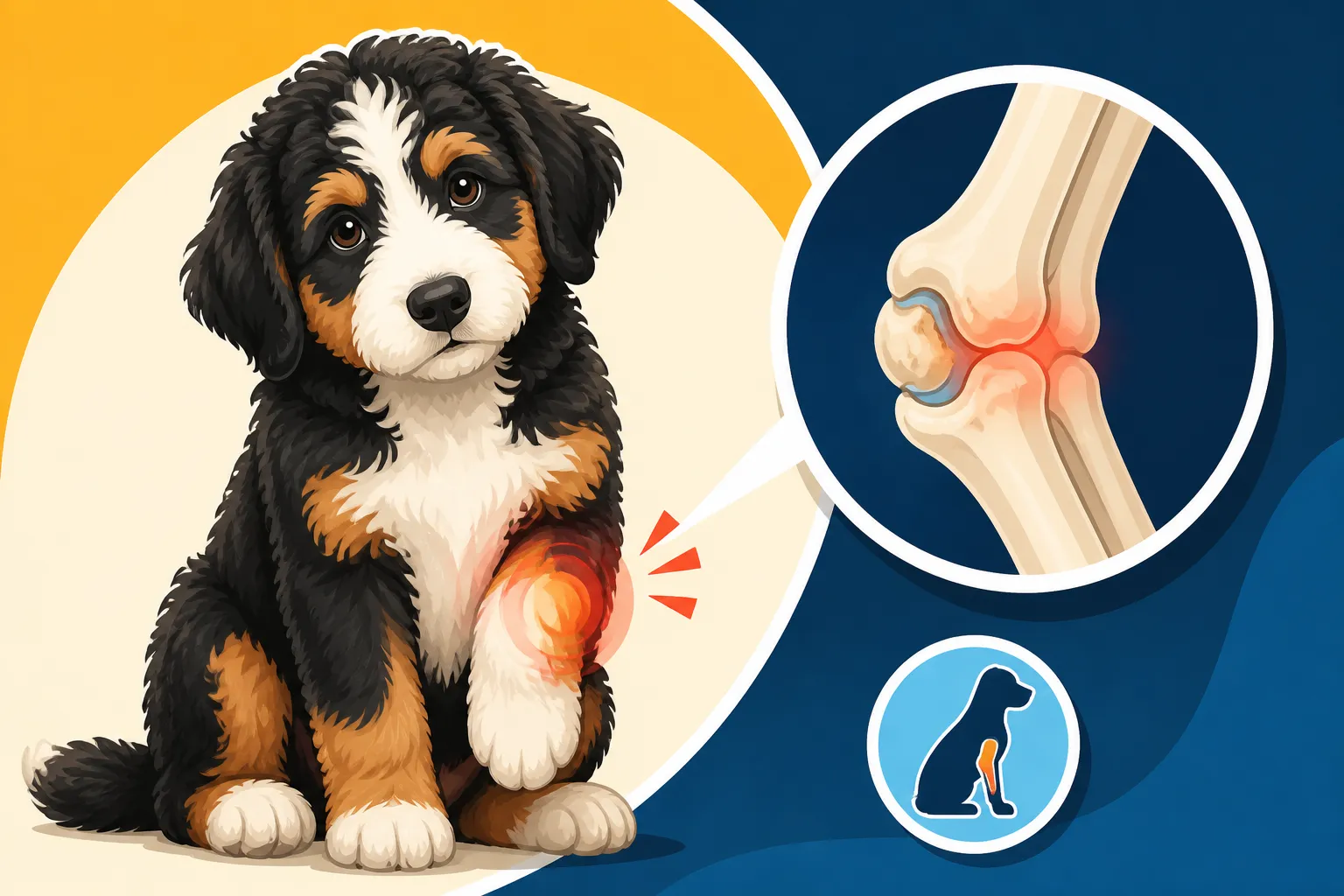
Elbow Dysplasia in a Growing Bernedoodle
It's incredibly frustrating and disheartening when you bring home a bouncy, adorable Bernedoodle puppy, full of dreams for a long, active life together, only to realize that something isn't quite right with their movement. One of the most common and challenging orthopedic issues that can emerge during their crucial growth period is elbow dysplasia. This comprehensive guide is here to walk you through everything you need to understand about elbow dysplasia in a growing Bernedoodle, from recognizing the subtle signs to navigating diagnosis, treatment, and long-term care, so you can give your beloved companion the best possible quality of life.
Understanding Elbow Dysplasia in Your Growing Bernedoodle
When we talk about elbow dysplasia (ED), it’s not just one single condition, but rather a catch-all term for several developmental abnormalities that can affect your Bernedoodle's elbow joint during its rapid growth phase. It’s a complex and painful condition that arises when the three bones that make up the elbow – the humerus (upper arm bone), radius, and ulna (forearm bones) – don't fit together perfectly or grow at the correct rate. This improper fit leads to instability, abnormal stress on the cartilage and bone, and ultimately, painful degenerative joint disease or arthritis.
What Exactly Is Elbow Dysplasia?
Imagine the elbow joint like a meticulously crafted puzzle where every piece has to align just right. In a growing Bernedoodle with elbow dysplasia, some of those pieces don't quite match up. This leads to friction, grinding, and the formation of bone spurs, which are all incredibly painful for a puppy trying to run and play. There are four main components often associated with elbow dysplasia, and a Bernedoodle can suffer from one or a combination of them:
- Fragmented Coronoid Process (FCP): This is one of the most common forms. The coronoid process is a small piece of bone on the ulna (one of the forearm bones) that helps form the elbow joint. With FCP, this piece of bone fragments or breaks off, often due to abnormal pressure. These fragments can then float freely in the joint, causing significant pain and damage to the smooth cartilage lining the joint surfaces. Think of it like a pebble constantly rubbing inside a finely tuned gear.
- Ununited Anconeal Process (UAP): The anconeal process is another bony projection on the ulna, important for joint stability. In healthy development, it fuses with the rest of the ulna by about five months of age. In UAP, this fusion doesn't happen, leaving the anconeal process unattached. This loose bone causes instability and inflammation, leading to severe lameness.
- Osteochondrosis Dissecans (OCD): This condition involves a disturbance in the normal development of cartilage. Instead of healthy, smooth cartilage, a flap of abnormal cartilage develops, often separating from the underlying bone. This flap can then detach completely, becoming a "joint mouse" that floats within the joint, causing pain, locking, and further damage. It’s a devastating issue that can really impact a young dog's mobility.
- Elbow Incongruity: This occurs when the radius and ulna grow at different rates or are of unequal length, leading to a mismatch in the joint surfaces. This unevenness causes abnormal weight bearing and stress, which can predispose the joint to FCP, UAP, or OCD, or cause problems independently. It's like having a car wheel that's slightly out of alignment, causing undue wear and tear on other parts.
All these conditions share a common thread: they cause inflammation, pain, and eventually, osteoarthritis. For a large, rapidly growing breed like the Bernedoodle, these issues can quickly become debilitating if not addressed.
The Genetic Link: Bernese Mountain Dog and Poodle Contributions
Elbow dysplasia is undeniably a highly heritable condition, meaning it’s passed down through generations. When you choose a Bernedoodle, you're essentially getting a genetic lottery ticket that draws from two distinct pools: the Bernese Mountain Dog and the Poodle. Unfortunately, both breeds, especially the Bernese Mountain Dog, have a documented predisposition to orthopedic issues, including elbow dysplasia.
The Bernese Mountain Dog, known for its gentle giant stature, carries a significant genetic risk for elbow dysplasia. Breeders meticulously screen their Bernese stock for this very reason. It's not uncommon for a Bernese to have a less-than-perfect elbow score, even if they show no outward signs of lameness themselves. This makes it crucial for Bernedoodle breeders to be extremely diligent in their health testing.
While Poodles are generally considered healthier in terms of elbow issues compared to Bernese Mountain Dogs, they are not entirely immune. Standard Poodles, being a large breed themselves, can also carry genes for various joint problems. The hope with the Bernedoodle cross is often to reduce the incidence of such conditions through hybrid vigor, but this isn't a guaranteed outcome, especially if proper health testing isn't done on both parent breeds. Simply being a "doodle" doesn't magically erase these genetic predispositions. This is why when you're considering a Bernedoodle puppy, it's absolutely vital to understand Whether Elbow Dysplasia Is Heritable in a Bernedoodle and inquire deeply about the health clearances of both the Bernese and Poodle parents. A responsible breeder will have comprehensive documentation.
Environmental Factors That Influence Development
While genetics lay the groundwork, environmental factors play a massive role in whether or not elbow dysplasia manifests and how severely. Think of it like a predisposition – the genes load the gun, but the environment pulls the trigger. For a rapidly growing Bernedoodle puppy, these external influences are incredibly potent.
One of the biggest culprits is nutrition, specifically the type and quantity of food offered during puppyhood. Large breed puppies like Bernedoodles have unique nutritional needs. Overfeeding, especially with diets too high in calcium, can lead to excessively rapid growth. This fast growth puts immense stress on developing joints, as the bones, cartilage, and soft tissues simply can’t keep up. The advice to feed a puppy a "large breed puppy food" isn't just a marketing gimmick; these formulas are specifically designed with controlled calorie and calcium levels to promote slow, steady growth, allowing bones and joints to mature correctly. We want to be Growing a Standard Bernedoodle Slowly on Purpose to give their joints the best chance.
Inappropriate exercise is another significant environmental factor. While a Bernedoodle puppy has boundless energy, high-impact activities, excessive running, jumping from furniture, or strenuous, long walks can wreak havoc on their delicate, developing joints. Their growth plates are still open and vulnerable to injury. Many veterinary professionals advocate for The Five Minute Rule on a Bernedoodle Puppy's Walks per month of age to prevent putting undue strain on their growing bodies. Similarly, repeated concussive activities like jumping off the couch can be detrimental, and owners should be aware of Whether Jumping Off Furniture Hurts a Bernedoodle. It’s about balance: adequate, controlled exercise for mental and physical development, but avoiding anything that causes jarring or repetitive stress.
Other factors like obesity in puppyhood (exacerbating rapid growth) and even certain injuries can also contribute. Ensuring a safe environment, avoiding slippery floors, and providing appropriate, age-specific activities are key to supporting healthy joint development.
Recognizing the Early Warning Signs in Your Bernedoodle Puppy
Spotting elbow dysplasia early in a Bernedoodle puppy can be challenging because they are often so stoic and eager to please. Plus, puppies are naturally clumsy, so distinguishing a normal puppy stumble from a genuine lameness can be tricky. However, paying close attention to subtle changes in their movement and behavior is paramount. The sooner you recognize the signs, the sooner you can intervene and potentially minimize long-term damage.
Subtle Lameness and Gait Changes
One of the first and most common indicators of elbow dysplasia is a subtle, intermittent lameness. You might notice your Bernedoodle puppy doing things that just don't look quite right. This isn't usually a dramatic, non-weight-bearing limp; it's often far more understated.
Keep an eye out for a slight head bob when they walk or run, where their head dips down when their painful limb touches the ground, almost as if trying to shift weight away. You might observe a stiff or stilted gait, particularly after a period of rest or first thing in the morning. They might be reluctant to fully extend their leg, holding the elbow slightly bent, or you might notice them rotating their paw outwards when standing, trying to alleviate pressure on the inner part of the joint.
Some owners describe a "bunny hop" gait, especially when running or ascending stairs, where the puppy uses both hind legs simultaneously to propel themselves forward. While this can sometimes be a sign of hip issues (which you can learn more about in Hips on a Ninety Pound Bernedoodle), it can also be a compensatory mechanism for painful elbows, as the dog tries to reduce weight-bearing on the forelimbs. Observe your puppy closely after they've been lying down for a while and then get up to move. Is there an initial stiffness that seems to "work out" after a few minutes? This can be a classic sign of joint discomfort.
Pain Responses and Behavioral Clues
Beyond physical gait changes, your Bernedoodle might communicate their discomfort through behavioral cues. A dog in chronic pain, even mild, will often show changes in their normal demeanor. You might notice a general reluctance to play or engage in activities they once loved. Your usually rambunctious puppy might become more subdued, preferring to lie down rather than chase a ball. They might shy away from being petted or touched around the shoulder or elbow area, sometimes even yelping if you inadvertently put pressure on a painful spot.
Anxiety or unusual aggression can sometimes stem from chronic pain. A puppy that normally tolerates handling might snap or growl when you try to manipulate their front legs or wipe their paws. If your Bernedoodle typically greets you with enthusiastic jumps, but suddenly avoids jumping up or off furniture, this could be a significant red flag. They might also begin to avoid stairs, showing hesitation or even outright refusal to ascend or descend them. Any unexplained changes in energy levels, appetite, or willingness to engage should prompt a closer look and a visit to your veterinarian. Remember, Bernedoodles are incredibly good at masking pain, so even subtle shifts in behavior warrant attention.
Swelling, Heat, and Reduced Range of Motion
Sometimes, the signs are more directly observable through a gentle physical examination at home, though this should never replace a vet's assessment. Carefully and gently feel your Bernedoodle's elbows when they are relaxed. Compare one elbow to the other. Is there any noticeable swelling or puffiness around the joint? Does one elbow feel warmer to the touch than the other? These can be indicators of inflammation within the joint.
Gently try to flex and extend your Bernedoodle's front legs, observing their reaction and the ease of movement. A dog with elbow dysplasia will often have a reduced range of motion, meaning they can’t bend or straighten their elbow as fully as they should without pain. You might notice them pulling away, tensing up, or even whimpering during this gentle manipulation.
Another physical clue is crepitus, which is a crackling or grinding sensation you might feel when gently flexing and extending the joint. This sound or feeling is caused by bone rubbing against bone or damaged cartilage. It's not a subtle crack like a knuckle pop; it’s more akin to grinding gears. If you feel or hear this, it's a strong indicator of joint degeneration. Early intervention is key with conditions like these, and while you may hope your Bernedoodle can simply outgrow it, it's a structural problem that usually requires veterinary assessment.
Diagnosing Elbow Dysplasia: Getting a Clear Picture
When you suspect elbow dysplasia in your Bernedoodle, getting an accurate diagnosis is the critical next step. This process typically involves a thorough physical examination by your veterinarian, followed by imaging techniques that provide a detailed look inside the joint. The goal is not just to confirm the presence of ED but also to identify the specific type and severity, which will dictate the most appropriate course of treatment.
The Veterinary Examination and Initial Assessment
Your journey to diagnosis will start with a visit to your trusted veterinarian. They will begin by taking a comprehensive medical history. This is where your keen observations about your Bernedoodle's lameness, behavioral changes, and any specific triggers for pain become invaluable. Be prepared to discuss when you first noticed symptoms, how often they occur, what makes them better or worse, and your puppy’s exercise and feeding regimen.
Next, your vet will perform a meticulous orthopedic examination. This involves:
- Gait Analysis: They'll observe your Bernedoodle walking, trotting, and sometimes even running, looking for subtle lameness, abnormal head bobs, or altered limb placement. They might ask your Bernedoodle to go up and down stairs or turn in tight circles to exaggerate any discomfort.
- Palpation and Manipulation: Your vet will carefully feel your Bernedoodle's elbows, shoulders, and wrists, checking for swelling, heat, muscle atrophy (which can indicate chronic pain in a limb), and painful responses. They will gently flex and extend the elbow joints, assessing for reduced range of motion and listening or feeling for crepitus. They’ll also try to elicit specific pain responses by applying pressure to different areas of the joint, helping to pinpoint the exact location of the problem. This hands-on assessment is crucial for narrowing down the possibilities.
Radiographic Imaging: X-rays and Advanced Scans
If your vet suspects elbow dysplasia after the physical exam, the next step is usually radiographic imaging, or X-rays. This is the standard diagnostic tool for orthopedic conditions like ED. Your Bernedoodle will likely need to be sedated or given a short-acting anesthetic to ensure they remain perfectly still for the X-rays. This is essential for obtaining clear, diagnostic images from various angles.
For official health clearances, organizations like the Orthopedic Foundation for Animals (OFA) have specific protocols. The Age a Bernedoodle's Elbows Can Be Graded for OFA certification is usually after 24 months of age, as this allows the joints to be fully mature. However, X-rays can and should be taken much earlier if a puppy is showing symptoms. These images will help your vet identify bone fragments, malformations, signs of incongruity, or early arthritic changes. Understanding What OFA Elbow Grades Mean on a Bernedoodle can give you an idea of the spectrum of severity, from excellent to severely dysplastic, though a symptomatic puppy won't be receiving a "grade" in the typical sense, rather a diagnosis.
Sometimes, X-rays don't provide the full picture, especially for subtle cartilage lesions or early stages of FCP. In these cases, your vet might recommend advanced imaging techniques such as a CT (Computed Tomography) scan. A CT scan provides a much more detailed, three-dimensional view of the bones and joints, making it incredibly effective for pinpointing small fragments, assessing bone contours, and evaluating joint incongruity with greater precision. While more expensive, a CT scan can often provide definitive answers when X-rays are equivocal.
Arthroscopy: The Definitive Diagnostic Tool
In some situations, particularly when X-rays or CT scans are inconclusive, or when surgical intervention is being considered, arthroscopy may be recommended. This procedure is considered the most definitive diagnostic tool for elbow dysplasia, as it allows direct visualization of the inside of the joint.
Arthroscopy is a minimally invasive surgical procedure where a tiny camera (arthroscope) is inserted into the elbow joint through a small incision. The surgeon can then directly inspect the cartilage surfaces, identify and assess any fragmented coronoid processes, ununited anconeal processes, or OCD flaps that might not be clearly visible on other imaging. This direct view is incredibly powerful for confirming the diagnosis, determining the exact nature and extent of the damage, and guiding subsequent treatment decisions. Often, if a problem is identified, it can be corrected during the same arthroscopic procedure, making it both diagnostic and therapeutic. While it sounds daunting, the small incisions typically lead to faster recovery times compared to traditional open surgery.
Here's a quick comparison of diagnostic tools:
| Diagnostic Method | What it Shows | Pros | Cons |
|---|---|---|---|
| Physical Exam | Lameness, pain response, range of motion, swelling | Non-invasive, quick, initial assessment | Subjective, cannot visualize internal structures |
| X-rays | Bone fragments, joint incongruity, early arthritis | Relatively affordable, good initial imaging | Requires sedation, limited view of cartilage, can miss subtle issues |
| CT Scan | Detailed 3D view of bone, small fragments, incongruity | Highly precise for bone, excellent for FCP/UAP | More expensive, requires general anesthesia, radiation exposure |
| Arthroscopy | Direct visualization of cartilage, bone, and joint health | Most definitive, can be diagnostic and therapeutic | Invasive (though minimally), requires general anesthesia, highest cost, specialized equipment required |
Navigating Treatment Options for Elbow Dysplasia
Once your Bernedoodle has been diagnosed with elbow dysplasia, the next crucial step is determining the best course of treatment. This is not a one-size-fits-all situation; the approach will depend heavily on the specific type of ED, its severity, your dog's age, and your family's circumstances. The primary goals of treatment are always to alleviate pain, improve joint function, and slow the progression of osteoarthritis.
Conservative Management: Non-Surgical Approaches
For Bernedoodles with mild elbow dysplasia, or in cases where surgery isn't an option, conservative management is often the first line of defense. This approach focuses on alleviating symptoms and preserving joint health without invasive procedures.
- Pain Relief and Anti-inflammatories: Your veterinarian will likely prescribe Non-Steroidal Anti-Inflammatory Drugs (NSAIDs) such as Carprofen, Meloxicam, or Galliprant. These medications work to reduce pain and inflammation, making your Bernedoodle more comfortable and mobile. Long-term use requires careful monitoring for side effects, especially kidney and liver function. Other pain management options might include gabapentin or amantadine, often used in conjunction with NSAIDs for more severe chronic pain.
- Joint Supplements: Many vets recommend joint supplements containing ingredients like glucosamine, chondroitin, MSM, and Omega-3 fatty acids. These compounds are believed to support cartilage health, reduce inflammation, and improve joint lubrication. Brands like Dasuquin, Cosequin, or Nutramax offer formulations specifically for large breeds. While not a cure, they can be a valuable part of a long-term management plan.
- Weight Management: This cannot be stressed enough. Keeping your Bernedoodle at a lean, healthy weight is absolutely critical. Every extra pound puts additional stress on already compromised joints, accelerating the progression of arthritis. Your vet can help you determine an ideal weight and create a suitable feeding plan.
- Controlled Exercise and Physical Therapy: While high-impact activities are out, appropriate, controlled exercise is vital for maintaining muscle mass and joint flexibility. This often includes short, frequent leash walks, swimming (which is excellent for low-impact exercise), and specific exercises prescribed by a certified canine rehabilitation therapist. Hydrotherapy (underwater treadmill) is particularly beneficial as it allows for movement without the full impact of gravity. Physical therapy can dramatically improve muscle strength, range of motion, and proprioception, significantly enhancing your dog's comfort and mobility.
Surgical Interventions for Specific Conditions
When conservative management isn't enough, or if the specific type of elbow dysplasia is severe and highly amenable to surgical repair, your vet may recommend surgery. The type of surgery depends on the underlying problem:
- Removal of Fragmented Coronoid Process (FCP) or Osteochondrosis (OCD) Flaps: This is a common procedure, often performed arthroscopically. The surgeon removes the loose bone fragments or cartilage flaps that are causing pain and damaging the joint. Cleaning out these irritants can significantly improve comfort and slow arthritic progression.
- Reattachment of Ununited Anconeal Process (UAP): In some UAP cases, especially in younger dogs, the loose anconeal process can be surgically reattached to the ulna with a screw. If the process has been loose for too long and significant arthritis has set in, removal may be the only option.
- Ulnar Osteotomy / Bicipital Ulnar Ostectomy (BUO): These procedures involve cutting the ulna bone to relieve pressure on specific parts of the joint. In cases of elbow incongruity where the ulna is too long relative to the radius, an osteotomy can help correct the alignment, allowing the joint to fit together more harmoniously. There are also newer, more advanced procedures like Proximal Abducting Ulnar Osteotomy (PAUL) which are aimed at shifting weight off the medial compartment of the elbow.
- Elbow Replacement: While less common than hip replacements, total elbow replacement is an option for severe, end-stage elbow dysplasia when other treatments have failed, especially for larger dogs. It's a complex and costly procedure, typically reserved for cases with debilitating pain that don't respond to anything else. Whether a Bernedoodle Needs Elbow Surgery is a complex question that requires a thorough discussion with a board-certified veterinary orthopedic surgeon.
Post-operative care is just as crucial as the surgery itself, involving strict rest, pain management, and a dedicated rehabilitation program, often for several weeks or months. Pet insurance providers like Healthy Paws can be a lifesaver in these situations, as surgical costs can quickly add up, often running into the thousands of dollars.
Long-Term Prognosis and Quality of Life
It’s important to understand that elbow dysplasia is often a lifelong condition. Even with successful treatment, whether conservative or surgical, your Bernedoodle will likely be prone to developing Arthritis in a Bernedoodle at Eight or even earlier in the affected joint. The goal of intervention is not to "cure" the condition but rather to manage pain, optimize joint function, and slow the inevitable progression of secondary osteoarthritis.
The long-term prognosis varies greatly depending on the severity of the initial disease, the specific type, the success of treatment, and ongoing management. Many Bernedoodles with well-managed ED can lead happy, comfortable lives. However, they may require:
- Ongoing Medication: Daily or intermittent NSAIDs and other pain relievers.
- Consistent Supplementation: Continued use of joint supplements.
- Regular Physical Therapy: To maintain strength and flexibility.
- Strict Weight Management: To minimize stress on the joints.
- Environmental Modifications: Such as ramps and supportive bedding.
It's a marathon, not a sprint, and requires a dedicated owner to consistently monitor their Bernedoodle's comfort levels and adapt their care as needed. Quality of life is paramount. With diligent management, your Bernedoodle can still enjoy their favorite activities, just perhaps at a modified pace. Your veterinary team will be your greatest ally in navigating this journey.
Preventive Measures: Mitigating Risk in Bernedoodles
While you can't completely eliminate the risk of elbow dysplasia, especially given its genetic component, there's a great deal you can do as a responsible Bernedoodle owner to significantly mitigate the chances and severity of this debilitating condition. Prevention truly starts before you even bring your puppy home and continues throughout their critical growth period.
Choosing a Reputable Breeder: The Power of Health Clearances
This is arguably the single most important step in preventing elbow dysplasia. A reputable Bernedoodle breeder understands the genetic predispositions of both parent breeds and takes extensive measures to ensure they are not passing on known health issues. They will enthusiastically provide evidence of comprehensive health clearances for both the Bernese Mountain Dog and the Poodle parents.
Specifically, for elbow dysplasia, you need to see OFA (Orthopedic Foundation for Animals) elbow certifications for both parents. An OFA score of "Normal" or "Grade 0" is what you're looking for. Don't settle for a breeder who simply says their dogs are "cleared by a vet" or "healthy." You need to see the official OFA numbers and certificates. A transparent breeder will even allow you to look up the parent dogs on the OFA public database. Beyond elbows, a truly responsible breeder will have The Five Clearances a Bernedoodle Breeder Should Have, covering hips, eyes, heart, and genetic tests for conditions like Von Willebrand's disease and degenerative myelopathy. These comprehensive screenings help ensure you're getting a puppy from parents who are as genetically sound as possible. If a breeder avoids these conversations or lacks documentation, it's a major red flag, and it's best to look elsewhere. Choosing a puppy from health-tested parents doesn't guarantee a problem-free dog, but it dramatically stacks the odds in your favor.
Optimal Nutrition for Growing Large Breeds
The food you feed your Bernedoodle puppy during their first year to 18 months is critical for proper bone and joint development. As discussed, large breed puppies are prone to rapid growth, which can exacerbate joint problems like ED. The key is slow, controlled growth, not maximum growth.
- Large Breed Puppy Formulas: Always choose a high-quality commercial dog food specifically formulated for large breed puppies. These diets are carefully balanced with appropriate protein, fat, and mineral levels, particularly calcium and phosphorus. They aim to provide enough nutrients for healthy growth without promoting excessively fast bone development, which can put undue stress on developing joints. Overfeeding calcium in particular can disrupt normal bone mineralization.
- Portion Control: Follow the feeding guidelines on the dog food bag, but also adjust based on your puppy’s individual condition and activity level. Your vet can help you assess if your Bernedoodle is growing at an appropriate rate and maintaining an ideal lean body condition. Avoid "free-feeding," where food is left out all day, as this can lead to overeating and rapid weight gain. Scheduled meals allow for better portion control and monitoring of appetite. When a Bernedoodle moves to adult food, usually around 12-18 months, transition slowly to continue supporting their large frames.
The aim is to prevent your puppy from becoming overweight, as excess weight places extra strain on developing joints and can contribute to orthopedic issues. A lean Bernedoodle puppy is a healthier Bernedoodle puppy.
Controlled Exercise and Environment During Puppyhood
During their rapid growth phase, a Bernedoodle puppy's bones, joints, and growth plates are still soft and vulnerable. High-impact activities or repetitive stress can easily cause damage that leads to conditions like elbow dysplasia.
- Avoid High-Impact Activities: Resist the urge to let your Bernedoodle puppy engage in strenuous activities like long runs, intense fetching sessions on hard surfaces, agility training, or jumping off high objects. These activities can cause micro-traumas or even significant damage to their developing joints. Remember The Five Minute Rule on a Bernedoodle Puppy's Walks: limit structured walks to 5 minutes per month of age, twice a day (e.g., a 4-month-old puppy gets two 20-minute walks). This allows for exploration and sniffing without over-stressing their bodies.
- Manage Jumping: Pay close attention to Whether Jumping Off Furniture Hurts a Bernedoodle. Repeated jumping off couches, beds, or out of vehicles puts immense strain on elbows and other joints. Provide ramps or stairs for access to furniture or vehicles, or simply lift smaller puppies. Discourage excessive jumping during play.
- Navigate Stairs with Caution: While a few stairs occasionally are fine, allowing a young puppy to constantly run up and down flights of stairs can also contribute to joint stress. Consider limiting access to stairs or carrying your puppy if they're small enough, especially during their most rapid growth phase.
- Provide Safe Flooring: Slippery floors (hardwood, tile) can be treacherous for puppies, leading to falls, slips, and hyperextensions that can injure joints. Use rugs, carpet runners, or paw grippers in areas where your Bernedoodle puppy spends a lot of time. This provides better traction and reduces the risk of accidental injury.
By carefully managing your Bernedoodle's environment and activity levels during their formative months, you're giving their joints the best possible chance to develop correctly and reduce their lifetime risk of painful elbow dysplasia.
Living with a Bernedoodle Affected by Elbow Dysplasia
Discovering your Bernedoodle has elbow dysplasia can be heartbreaking, but it's not the end of the world. With dedication, careful management, and a strong partnership with your veterinary team, many Bernedoodles can lead full, happy lives. The focus shifts from preventing the condition to managing it effectively and ensuring your dog's comfort and quality of life.
Adapting Your Home Environment
Making some simple adjustments to your home can significantly improve your Bernedoodle's comfort and mobility, especially as arthritis progresses.
- Ramps and Stairs: For large breeds like Bernedoodles, repetitive jumping onto and off furniture or in and out of cars can be painful and damaging to already compromised joints. Invest in sturdy ramps for car access or low-rise steps for beds and couches. You might even consider Whether an Old Bernedoodle Needs a Ramp to continue enjoying walks or car rides without putting undue stress on their elbows. This reduces impact and makes movement much easier.
- Non-Slip Surfaces: Slippery floors like tile or hardwood can be incredibly challenging for a dog with joint pain. Their gait is often already compromised, and a slip can lead to further injury or increased pain. Lay down non-slip rugs, carpet runners, or even consider using paw grips or dog socks to provide better traction, especially in high-traffic areas.
- Supportive Bedding: A comfortable, orthopedic bed is essential. These beds are designed with dense foam to support your Bernedoodle's heavy body, relieving pressure points on their joints. Look for beds that retain their shape and provide good cushioning. Beds That Support a Heavy Old Bernedoodle can make a huge difference in their daily comfort, allowing for restful sleep and reducing stiffness upon waking.
- Food and Water Bowl Height: For a large dog, bending down to eat and drink can sometimes put strain on the front limbs. Raised food and water bowls can make meal times more comfortable, especially as your Bernedoodle ages or if their mobility is severely restricted.
These small changes can create a much more comfortable and accessible environment for your Bernedoodle, allowing them to move around with less pain and effort.
Ongoing Care and Monitoring
Managing elbow dysplasia is a continuous commitment. It requires a proactive approach and a close working relationship with your veterinarian.
- Regular Veterinary Check-ups: Your Bernedoodle will need regular vet visits, often twice a year, to monitor their condition. These check-ups will assess their pain levels, evaluate their mobility, and allow your vet to adjust medications or recommend new therapies as needed. Your vet may also recommend The Screening a Bernedoodle Should Have Yearly to catch any other developing health issues.
- Medication Adjustments: As the disease progresses, your Bernedoodle's medication regimen might need to be tweaked. This could involve changing dosages, trying different types of NSAIDs, or adding other pain management drugs like gabapentin or amantadine. It's about finding the right balance to keep them comfortable without causing unwanted side effects.
- Consistent Physical Therapy: Even after an initial rehabilitation program, continuing with maintenance exercises at home, or periodic hydrotherapy sessions, can be incredibly beneficial. This helps maintain muscle mass, flexibility, and overall joint health. Your physical therapist can provide you with exercises and stretches tailored to your Bernedoodle's specific needs. For example, Exercise That Suits a Bernedoodle With Bad Elbows will focus on low-impact activities that build strength without strain.
- Weight Management: Continue to diligently monitor your Bernedoodle's weight throughout their life. Even a few extra pounds can significantly increase the load on their elbows and accelerate arthritis. Discuss any weight changes with your vet and adjust their diet and exercise as needed.
- Observe and Adapt: You are your Bernedoodle's best advocate. Pay close attention to their behavior, gait, and general demeanor. Are they suddenly more stiff? Are they reluctant to go for a walk? Do they seem less enthusiastic about food? These could all be signs that their pain management needs re-evaluation. Communicate these observations clearly to your vet.
Many pet owners find that pet insurance, such as Healthy Paws, provides invaluable financial relief when managing a chronic condition like elbow dysplasia. The ongoing costs of vet visits, medications, supplements, and potential therapies can be substantial, and having insurance can help ensure your Bernedoodle receives all the necessary care without financial stress.
Emotional Support for You and Your Dog
Living with a dog with a chronic condition like elbow dysplasia can be emotionally challenging for owners. It's tough to see your vibrant Bernedoodle in pain or unable to enjoy activities they once loved. It’s okay to feel frustrated, sad, or overwhelmed.
- Acknowledge Your Feelings: Don't dismiss your own emotions. It's a journey, and there will be good days and bad days. Seek support from online communities of owners dealing with similar issues, or talk to your vet about resources.
- Focus on Quality of Life: While you can’t "fix" elbow dysplasia, you can significantly enhance your Bernedoodle’s quality of life. This means focusing on their comfort, mental stimulation, and positive experiences. Gentle playtime, puzzle toys, sniff walks, and simply spending quality time together can keep them engaged and happy.
- Patience and Understanding: Your Bernedoodle isn't trying to be stubborn when they refuse to jump or seem stiff. They are in pain or anticipating it. Approach them with patience and understanding, adjusting expectations to their physical capabilities. Celebrate the good days and adapt on the challenging ones. They rely on you to be their advocate and their source of comfort.
Disclaimer
This article is intended for informational purposes only and should not be considered a substitute for professional veterinary advice. Always consult with a qualified veterinarian for any health concerns or before making any decisions about your Bernedoodle's health or treatment plan.