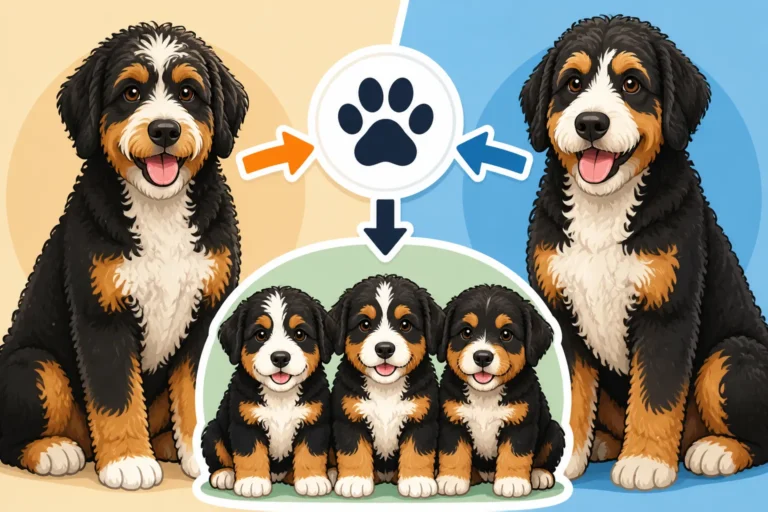
Whether a Bernedoodle Replaces a Bernese
For anyone who has ever fallen head-over-heels for the majestic, gentle nature of a Bernese Mountain Dog, the heartbreaking reality of their tragically short lifespan often forces a difficult reconsideration. You find yourself wondering if there's a way to capture that same incredible companionship without the intense heartache of such a brief time together. This is precisely why the Bernedoodle has surged in popularity, offering a promise of a longer-lived, less-shedding companion with many of the beloved Bernese traits. But the big question looms: can a Bernedoodle truly replace a Bernese in your heart and home? Let's explore that.
Understanding the Core Appeal of the Bernese Mountain Dog
Before we dive into the Bernedoodle, it's crucial to understand what makes the Bernese Mountain Dog so incredibly special. They aren't just big, fluffy dogs; they are a unique blend of majesty, loyalty, and unwavering gentleness that captures the hearts of all who know them.
The Iconic Bernese Temperament and Appearance
The Bernese Mountain Dog, with its stunning tri-color coat of rich black, rust, and white, is instantly recognizable. Their thick, luxurious fur makes them look like living teddy bears, often drawing admirers wherever they go. Beyond their striking looks, their temperament is truly legendary. Bernese are known as gentle giants – calm, affectionate, and incredibly devoted to their families. They thrive on companionship and want nothing more than to be by your side, often leaning into you for comfort or just to show affection. This "lean" is a hallmark of the breed, a subtle but profound way they connect with their people. They are patient with children, often displaying a protective yet soft demeanor, and generally get along well with other pets. Their calm nature makes them wonderful house dogs, content to nap at your feet after a good walk. It’s this profound combination of beauty and an almost unparalleled loving personality that creates such a strong bond with their owners.
The Heartbreaking Reality of Bernese Lifespan and Health
Now, for the difficult part. The single biggest reason many prospective Bernese owners look elsewhere, or to a Bernedoodle, is the breed's notoriously short lifespan. We're talking about an average of The Seven Years a Bernese Lives and the Twelve a Bernedoodle Might, a crushing reality for families who dream of a decade or more with their beloved pet. This brevity is often due to a high incidence of certain health conditions, particularly various forms of cancer. Histiocytic Sarcoma and Whether a Bernedoodle Escapes It is a particularly aggressive and common cancer in Bernese Mountain Dogs, often striking them in the prime of their lives. Beyond cancer, they are also prone to serious orthopedic issues like hip and elbow dysplasia, which can severely impact their quality of life as they age. Hips on a Ninety Pound Bernedoodle and Elbow Dysplasia in a Growing Bernedoodle are significant concerns that require careful screening by breeders and attentive care by owners. This knowledge, of course, casts a long shadow over the joy of owning a Bernese, leading many to search for a dog that embodies their best qualities with a more hopeful health outlook.
The Genesis of the Bernedoodle: A Solution to a Problem?
The Bernedoodle didn't just appear by accident. It was a conscious effort to address the very real concerns many people had about the Bernese Mountain Dog, while preserving what makes them so special.
The Intent Behind the Crossbreed
The Bernedoodle originated in the early 2000s, with breeders like Sherry Rupke of SwissRidge Kennels playing a pivotal role. The primary motivations for this cross were clear: to create a dog with the desirable traits of the Bernese – its gentle nature, striking looks, and family-oriented personality – but with improved longevity and a lower-shedding coat from the Poodle side. The hope was that through "hybrid vigor," or heterosis, the crossbreed would inherit the best traits of both parent breeds while diminishing the prevalence of genetic health issues. This concept suggested that by diversifying the gene pool, you could reduce the likelihood of inheriting breed-specific diseases. It was about creating a healthier companion, one that could be with families for a longer, happier time. The 2003 Litter That Started the Bernedoodle really kicked off this journey, and the breed's popularity has only grown since.
The Poodle's Contribution to the Blend
The Poodle was a very intentional choice for this cross, and for good reason. Poodles are incredibly intelligent, often ranking among the smartest dog breeds. This intelligence brings trainability and a quick-witted nature to the Bernedoodle. They also contribute a non-shedding (or very low-shedding) coat, which is a huge appeal for allergy sufferers or those who simply want less dog hair around the house. Poodles generally boast a significantly longer lifespan than Bernese Mountain Dogs, often living well into their teens. This longer lifespan was the critical element breeders aimed to introduce into the Bernedoodle. Additionally, Poodles are athletic and energetic, which, while different from the Bernese's more placid nature, could add a desirable zest and resilience to the hybrid. The idea was to balance the Bernese's robust, calm presence with the Poodle's sharp mind, vitality, and health advantages.
Temperament: Is the Bernedoodle a True Heir to the Bernese Personality?
One of the most crucial aspects of replacing a Bernese is whether the Bernedoodle truly inherits that magnificent, calm, loving temperament. After all, what's a beautiful dog if it doesn't have the soul you're looking for?
Blending Loyalty with Poodle Zest
Bernedoodles are generally known for being affectionate, playful, and intelligent dogs that bond very strongly with their families. They certainly inherit a good dose of the Bernese's loyalty and desire for companionship. Many Bernedoodle owners will tell you their dog is a "Velcro dog," always wanting to be close, much like a Bernese. You'll likely still get those endearing leans against your legs. However, the Poodle influence often introduces a more playful, sometimes goofy, and higher-energy streak. While a Bernese might be content with a leisurely stroll, a Bernedoodle often enjoys longer walks, games of fetch, and more active engagement. They can be incredibly silly and entertaining, bringing a lively spark that some might find a wonderful addition, while others seeking a purely calm presence might notice the difference. This blend means they can be wonderfully adaptable, fitting into various family dynamics, but they're rarely just a laid-back lump.
Their intelligence, inherited from the Poodle, also means they're quick learners, which is fantastic for training, but it can also manifest as a The Stubborn Streak Under a Bernedoodle's Poodle Brain. They are smart enough to decide if a command is worth their effort at that moment! Consistency and positive reinforcement are key to channeling their intelligence effectively.
Socialization and Shyness Considerations
Just like their Bernese ancestors, Bernedoodles can sometimes inherit a degree of shyness or reservedness around strangers. The Bernese Mountain Dog breed is known for being somewhat aloof with people they don't know, preferring their inner circle. This trait can certainly pass down to Bernedoodles. Early and extensive socialization is absolutely paramount for a Bernedoodle puppy. Exposing them to a wide variety of sights, sounds, people, and other friendly dogs from a young age is critical to building a confident, well-adjusted adult. Without proper socialization, a Bernedoodle might become timid or anxious, backing away from new experiences. The Shyness a Bernedoodle Gets From the Bernese is a real consideration, and proactive steps are needed to ensure your pup grows into a confident companion. Enrolling in puppy classes and taking them to dog-friendly places as often as possible (once fully vaccinated, of course) can make a huge difference.
Energy Levels and Trainability
While a Bernese Mountain Dog is typically a calm, somewhat lower-energy companion, the Bernedoodle often has a higher energy level, thanks to its Poodle heritage. They require regular exercise to stay happy and healthy – think daily walks, playtime in a securely fenced yard, or even some dog sports. A bored Bernedoodle can become a destructive Bernedoodle! They also thrive on mental stimulation, so puzzle toys, training sessions, and interactive games are invaluable. Their intelligence makes them highly trainable, but that same intelligence means they need consistent guidance and clear boundaries. When it comes to training a large dog that could easily reach Leash Manners on a Bernedoodle Heading for Ninety Pounds, starting early and being consistent is not just helpful, it's essential for managing them safely and politely. Many Bernedoodles even excel in activities like obedience, agility, or even draft work, showing off their working dog lineage. The Draft Dog Work a Bernedoodle Can Still Do is a fantastic way to engage their bodies and minds.
Physical Characteristics: A Bernese Look with a Twist
Part of the appeal of the Bernese is their distinctive look. When considering a Bernedoodle, you're naturally wondering how much of that iconic appearance carries over.
Coat Type and Shedding Expectations
This is where the Bernedoodle truly diverges from the Bernese. The Bernese Mountain Dog has a thick double coat that sheds significantly, especially seasonally. The Poodle, on the other hand, has a single coat that is considered non-shedding (though all hair sheds eventually, it just gets caught in the coat). The Bernedoodle coat can vary widely, but it is generally a wavy or curly coat that sheds much less than a Bernese. This is a huge benefit for allergy sufferers or those tired of constant vacuuming.
- Wavy Coat: This is the most common Bernedoodle coat type, often referred to as "fleece." It's soft, shaggy, and tends to be the easiest to maintain, with moderate shedding.
- Curly Coat: More like the Poodle's coat, this is very low to non-shedding, but it requires diligent brushing to prevent matting.
- Straight Coat: Less common, this coat type is closer to the Bernese and will likely shed more.
Regardless of the specific type, all Bernedoodle coats demand significant grooming. The Coat a Bernedoodle Gets From Two Heavy Coated Parents means you’re looking at a fluffy companion who needs regular attention. You can't just brush them once a week and be done; daily or every-other-day brushing is often required, especially during the dreaded "coat change" as puppies transition to adult fur. Without consistent care, matting can become a serious problem, leading to painful skin issues and necessitating professional shaving.
Size and Structure: How Close to the Bernese?
Bernedoodles come in a range of sizes, which is another key difference from the fairly uniform Bernese. While a Standard Bernedoodle aims to be comparable in size to a Bernese (typically 70-90+ pounds), the Poodle parent can be a Standard, Miniature, or even Toy Poodle, leading to three distinct size categories:
- Standard Bernedoodle: Usually 50-90+ pounds (23-41+ kg) and 23-29 inches (58-74 cm) tall, comparable to a Bernese.
- Mini Bernedoodle: Typically 25-49 pounds (11-22 kg) and 18-22 inches (46-56 cm) tall.
- Tiny/Micro Bernedoodle: Usually 10-24 pounds (4.5-11 kg) and 12-17 inches (30-43 cm) tall.
This means you can get a Bernedoodle that is roughly the same imposing size as a Bernese, or a much smaller version that might be more manageable for apartment living. The Three Bernedoodle Sizes and What Sets Them is a crucial consideration for potential owners. While their build can be slightly leaner due to the Poodle influence, a Standard Bernedoodle still maintains a substantial, strong presence, embodying a good deal of the Bernese's sturdy structure.
The Iconic Bernedoodle Markings
Many people fall in love with the Bernese's stunning tri-color markings, and thankfully, this is a trait that Bernedoodles frequently inherit. You'll find Bernedoodles in:
- Traditional Tri-color: The classic black, rust, and white pattern, highly sought after. The Tri Color Markings People Buy a Bernedoodle For
- Bi-color: Often black and white, or sable and white.
- Phantom: A base color (like black or chocolate) with distinct tan points on the muzzle, chest, legs, and above the eyes, mimicking the Doberman or Rottweiler pattern, but derived from the Poodle.
- Sable: A coat where each individual hair has a black tip and a lighter base, creating a shaded appearance. These often fade and change as the dog matures.
- Merle: A striking pattern of diluted patches on a solid background, often with blue or marbled eyes. This color is beautiful but comes with important genetic considerations, as breeding two merle dogs can lead to serious health issues.
While the Bernedoodle offers a wider array of color and pattern possibilities than the Bernese, the traditional tri-color remains a strong favorite for those seeking the closest visual match to the Bernese. The expressiveness of their faces, with those intelligent Poodle eyes and gentle Bernese brows, is often a wonderful blend.
Health and Lifespan: The Biggest Question Mark
This is perhaps the most critical section for anyone considering a Bernedoodle as an alternative to a Bernese due to health concerns. Does the crossbreed truly deliver on its promise of a healthier, longer life?
Hybrid Vigor and Cancer Risk
The concept of hybrid vigor suggests that a crossbreed, by having a more diverse genetic makeup, might be less susceptible to the breed-specific diseases that plague purebreds. For the Bernese, cancer, particularly Histiocytic Sarcoma and Whether a Bernedoodle Escapes It, is a devastating and prevalent issue. The hope was that crossing with a Poodle, which generally has lower rates of these specific cancers, would dilute the risk.
The reality is nuanced. While Bernedoodles may have a slightly reduced risk compared to a purebred Bernese, they are not immune. They can still be affected by various cancers common to either parent breed, or cancers that affect dogs in general. Whether the Bernedoodle Cross Actually Reduced Cancer is still a topic of much discussion, and definitive, large-scale studies are ongoing. Anecdotally, many owners report their Bernedoodles living longer, healthier lives than their Bernese counterparts, but it's vital to choose a reputable breeder who conducts extensive health testing on both parent breeds to minimize known risks. The Cancers That Take Bernedoodles Most Often might still include lymphosarcoma or osteosarcoma, unfortunately.
Joint Health and Other Genetic Concerns
Both Bernese Mountain Dogs and Standard Poodles can be prone to hip and elbow dysplasia. Therefore, despite the cross, Bernedoodles are still at risk for these debilitating joint conditions. Reputable breeders will meticulously screen both parent dogs for hip and elbow health using certifications like OFA (Orthopedic Foundation for Animals) or PennHIP. This is non-negotiable. Always ask for these clearances.
Other genetic health concerns that can be passed down from either parent include:
- Bloat (Gastric Dilatation-Volvulus): This life-threatening condition is more common in deep-chested breeds like the Bernese and Standard Poodle. Bloat in a Standard Bernedoodle's Deep Chest is a serious concern, and owners should be educated on the signs and preventative measures.
- Von Willebrand's Disease (vWD): A bleeding disorder found in both Bernese and Poodles. Proper testing of parent dogs is crucial to avoid passing this on.
- Progressive Retinal Atrophy (PRA): An eye disease that can lead to blindness, found in Poodles.
- Degenerative Myelopathy (DM): A progressive neurological disease that affects the spinal cord, more common in Bernese Mountain Dogs. Degenerative Myelopathy Both Bernedoodle Parents Can Carry is a serious consideration, and breeders should test for it.
Thorough health testing of the parent dogs is the single most important factor in increasing the chances of getting a healthy Bernedoodle. It does not eliminate all risks, but it significantly reduces the likelihood of inheriting known genetic conditions.
Expected Lifespan: A Longer Lease on Life?
The primary driver behind the Bernedoodle cross was the desire for a longer lifespan. And generally, this is where the Bernedoodle tends to deliver. While a Bernese might live for 7-8 years, a Bernedoodle typically enjoys a lifespan of 10-12 years, and sometimes even longer, especially for smaller varieties. The Seven Years a Bernese Lives and the Twelve a Bernedoodle Might highlights this crucial difference. This increased longevity offers families more precious years with their beloved companion, which for many, is the ultimate goal. It's important to remember that this is an average, and individual dogs can vary, but the general trend indicates a more optimistic outlook for Bernedoodle longevity. Proper nutrition, exercise, and preventative vet care contribute significantly to maximizing this potential lifespan.
Lifestyle and Care: Are the Demands Similar?
Bringing a Bernedoodle into your home means understanding their daily needs, which can differ quite a bit from a purebred Bernese, especially in terms of grooming.
Grooming: A Significant Difference
If you're used to the Bernese's shedding coat, you might think a "low-shedding" Bernedoodle will be easier. Think again! While they may shed less, their Poodle-influenced coats require far more intensive grooming to prevent matting. This is probably the biggest surprise for new Bernedoodle owners. The Volume of Coat a Bernedoodle Owner Brushes Weekly is substantial, and if not maintained, it can quickly become matted and painful for the dog.
You'll need to commit to:
- Daily or every-other-day brushing: Using a slicker brush and a metal comb to get all the way down to the skin. Matted fur can pull on the skin, causing discomfort and even infections.
- Professional grooming every 6-8 weeks: This is not optional. A professional groomer will bathe, dry, brush out, and clip your Bernedoodle's coat to keep it healthy and manageable. This can be a significant expense, as discussed in The Seventy to Hundred Fifty Dollar Bernedoodle Groom. You can find a wide range of grooming tools and supplies, from brushes to shampoos, on sites like Chewy to help with daily maintenance at home.
- Regular ear cleaning and nail trims: Their drop ears can be prone to infections if not kept clean and dry, and their nails grow quickly.
Compared to a Bernese, which needs regular brushing but often just seasonal trims, the Bernedoodle is a much higher-maintenance grooming commitment. This isn't just about aesthetics; it's about their health and comfort.
Exercise and Training Needs
A Bernese is typically a majestic, somewhat sedate dog, content with moderate exercise. A Bernedoodle, with its Poodle lineage, often has more pep in its step. They need consistent, daily exercise to burn off energy and stay mentally stimulated. This means:
- Daily walks: At least 30-60 minutes, and often more for a standard size.
- Playtime: Fetch, tug-of-war, and engaging games are vital for their happiness.
- Mental stimulation: Puzzle toys, training sessions, and interactive games keep their intelligent minds busy.
Their training needs are also significant. A large, intelligent, and sometimes stubborn dog requires consistent, positive reinforcement training from puppyhood. The Exercise a Standard Bernedoodle Needs Daily is not something to underestimate. Without it, a Bernedoodle can become unruly, bored, and potentially destructive. Early socialization and puppy classes are highly recommended to ensure they grow into well-behaved companions.
Climate Considerations
Both Bernese Mountain Dogs and Poodles (especially with their dense coats) can struggle in hot weather. The Bernedoodle is no different, particularly those with very thick or dark coats. Why a Black Tri Bernedoodle Overheats is a real concern. Their coats, while beautiful, can make them prone to overheating, and they are not suited for living outdoors in warm climates.
Owners need to be mindful of:
- Heatstroke risk: Avoid strenuous exercise during the hottest parts of the day.
- Hydration: Always provide access to fresh, cool water.
- Cooling measures: Access to shade, cooling mats, or even a kiddie pool can be beneficial on warm days.
- Air conditioning: In truly hot climates, air conditioning is almost a necessity for their comfort and safety.
- Grooming for heat: While shaving them completely can lead to sunburn, a shorter "summer cut" can certainly help them stay cooler.
Financial Investment: What to Expect
Bringing any dog into your life is a financial commitment, but Bernedoodles, like many popular designer breeds, come with their own unique cost considerations.
Initial Purchase Price
The upfront cost of a Bernedoodle puppy can be quite substantial, often surprising those accustomed to purebred prices. While a Bernese puppy might cost a certain amount, Bernedoodles frequently command a premium. The Thirty Five Hundred to Sixty Five Hundred a Standard Bernedoodle Costs is not uncommon, and sometimes even higher, depending on the breeder's reputation, health testing, location, and the specific characteristics of the puppy (e.g., color, size). Factors that can influence the price include:
- Breeder's health clearances: Reputable breeders invest heavily in health testing their parent dogs, which is reflected in the price.
- Lineage and temperament: Parents with excellent temperaments and proven health often lead to higher prices.
- Coat type and color: Rare colors or highly sought-after tri-color markings can sometimes increase the price.
- Size: Mini and Tiny Bernedoodles often cost more due to the additional complexities in breeding smaller sizes.
It's crucial to remember that a higher price doesn't automatically guarantee a quality puppy, but a suspiciously low price is a major red flag for unethical breeding practices or puppy mills.
Ongoing Costs
Beyond the initial purchase, the ongoing costs of owning a Bernedoodle are significant and should be factored into your budget. What a Bernedoodle Costs Over Its Whole Life can be a substantial sum.
- Food: As large breeds, Standard Bernedoodles eat a considerable amount of high-quality large-breed dog food. You can purchase reputable brands in bulk from retailers like Chewy to manage costs, but it's still a significant monthly expense. What Feeding a Ninety Pound Bernedoodle Costs can add up.
- Grooming: As mentioned, professional grooming every 6-8 weeks is essential. This can easily cost Six Hundred to Twelve Hundred a Year Grooming a Bernedoodle, not including the cost of home grooming tools and supplies like brushes, combs, and shampoo.
- Veterinary care: Routine check-ups, vaccinations, parasite prevention, and potential emergency care are all part of responsible pet ownership.
- Pet insurance: Given the potential for orthopedic issues and cancer, many Bernedoodle owners opt for pet insurance, which adds another monthly expense but can provide peace of mind in case of serious illness or injury. Insuring a Bernedoodle Against the Bernese Half can be a wise investment.
- Supplies: This includes things like crates, beds, collars, leashes, toys (especially durable ones for strong chewers!), and training treats. Again, online retailers like Chewy offer a vast selection of these items.
- Training: Whether it's puppy classes, private lessons, or simply investing in good training resources, this is an important cost.
These ongoing costs are substantial and reflect the commitment required to properly care for a large, high-maintenance breed like the Bernedoodle.
The Verdict: Can a Bernedoodle Truly "Replace" a Bernese?
After diving deep into the characteristics of both breeds, it's time to answer the big question.
Similarities and Differences
When you compare the two, you'll see a wonderful overlap in some of the most beloved traits, but also distinct differences that make the Bernedoodle its own unique dog.
| Trait | Bernese Mountain Dog | Bernedoodle |
|---|---|---|
| Temperament | Calm, gentle, loyal, devoted, can be reserved with strangers | Affectionate, playful, intelligent, loyal, can be goofy, potential for reservedness |
| Lifespan | Short (7-8 years average) | Longer (10-12+ years average) |
| Shedding | High, especially seasonally | Low to moderate, varies by coat type |
| Grooming Needs | Regular brushing, seasonal trims | Daily/every-other-day brushing, professional grooming every 6-8 weeks |
| Energy Level | Moderate | Moderate to high, needs more exercise and mental stimulation |
| Size | Standard (70-115 lbs) | Standard (50-90+ lbs), Mini, Tiny |
| Health Concerns | High cancer risk, hip/elbow dysplasia, bloat | Potential for cancer, hip/elbow dysplasia, bloat, vWD, PRA |
| "Lean" Behavior | Very common | Common |
While the Bernedoodle carries forward much of the Bernese's loving, loyal, and gentle nature, it also brings the Poodle's intelligence, playfulness, and most importantly, an extended potential lifespan and reduced shedding. It's not a carbon copy, but rather a reinterpretation.
Choosing the Right Dog for You
Ultimately, whether a Bernedoodle can "replace" a Bernese depends entirely on what you are looking for in a canine companion and what aspects of the Bernese you prioritize most.
If your primary concerns about the Bernese are their short lifespan and significant shedding, and you are prepared for a higher-energy dog with demanding grooming requirements, then a Bernedoodle could be an excellent fit. They offer many of the same heartwarming qualities – the devotion, the gentleness, the impressive presence – but with a more optimistic health outlook and a much easier-to-manage coat for those with allergies or a dislike for dog hair.
However, if you are drawn specifically to the very low-key, calm demeanor of a purely Bernese Mountain Dog, or if you prefer a less intensive grooming routine, then a Bernedoodle might surprise you with its energy and coat care demands. They are not simply a "Bernese-lite"; they are their own distinct breed, deserving of consideration based on their unique blend of traits.
It's about finding the dog that aligns with your lifestyle, expectations, and emotional needs. The Bernedoodle is a wonderful dog in its own right, a true testament to the careful selection of two incredible breeds. It offers a beautiful compromise for many, but it's important to appreciate it for what it is – a Bernedoodle – rather than expecting a perfect substitute. Which Homes a Bernedoodle Belongs In depends on your specific circumstances and what you're willing to commit to. They are a significant commitment, but for the right family, they offer a lifetime of joy, laughter, and that unmistakable, loving companionship that draws us to dogs in the first place.
Disclaimer
This article is for general informational purposes only and does not constitute professional advice. Laws, prices and regulations vary by location and change over time. Consult a qualified professional for guidance on your specific situation.