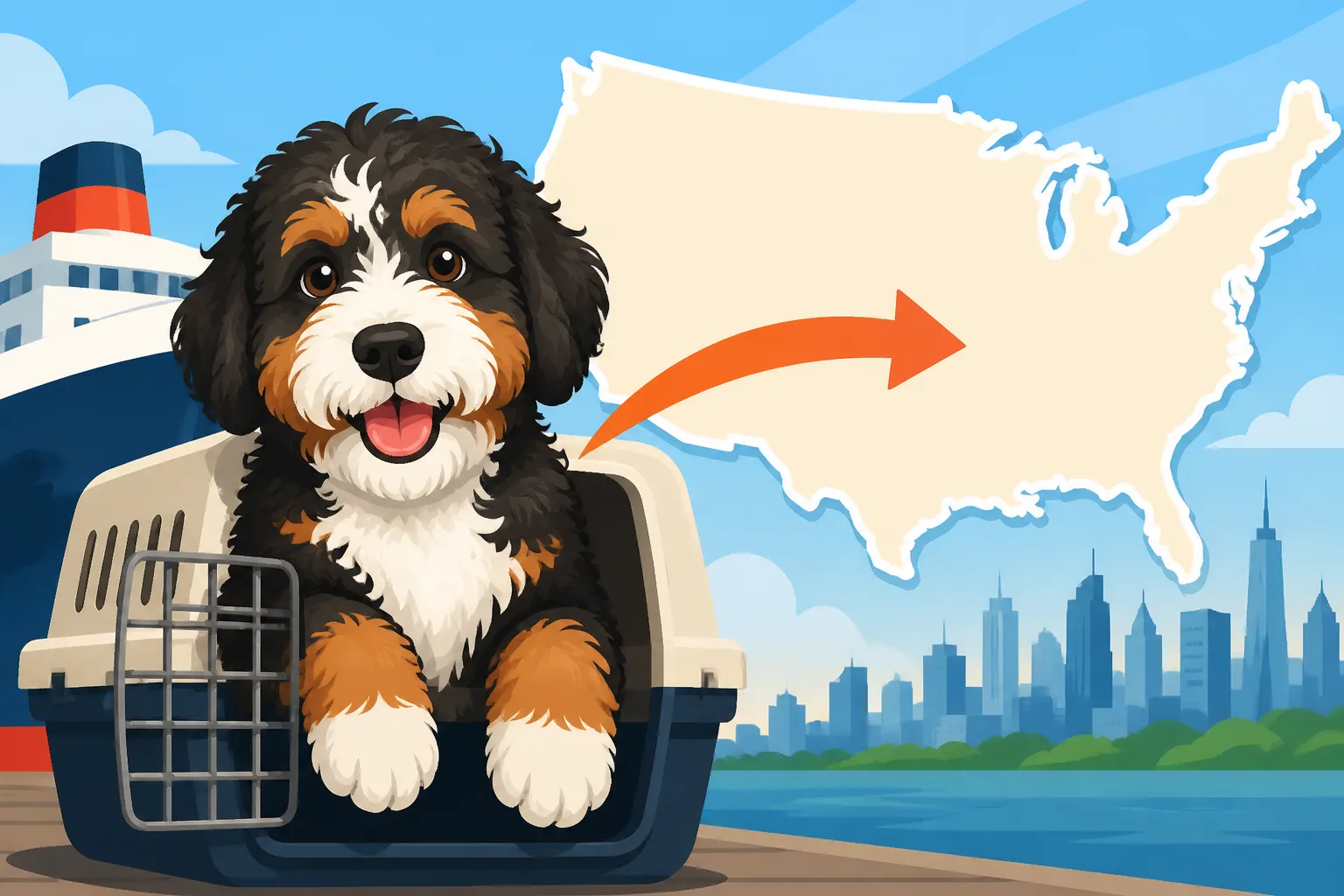
When Bernedoodles Reached the United States
It's completely understandable to wonder about the origins of your beloved Bernedoodle, especially when trying to understand their history and how they became such a cherished part of so many families across the United States. Many of us fall in love with these wonderful dogs and then find ourselves curious about their journey. This guide will take you through the story of when Bernedoodles made their way to American homes, tracing their path from their Canadian beginnings to their widespread popularity south of the border.
The Birthplace of the Bernedoodle: A Canadian Beginning
Before we delve into when Bernedoodles became a fixture in the United States, it’s essential to understand where their story truly began. The Bernedoodle isn't a breed with centuries of history; in fact, it's a relatively recent crossbreed, intentionally developed in Canada. This modern origin story is a significant part of their appeal, as breeders were able to focus on combining desirable traits from both parent breeds from the very start.
The initial goal was not just to create another "designer dog," but to thoughtfully blend the best characteristics of two distinct and much-loved breeds: the loyal, placid Bernese Mountain Dog and the intelligent, often hypoallergenic Poodle. This careful consideration at the inception is what set the stage for their eventual journey across borders and into countless homes. Understanding this foundational intent helps us appreciate the eventual demand that led to their spread.
The Vision Behind the Cross: Why the Bernedoodle was Created
The primary motivation for creating the Bernedoodle revolved around addressing some well-known challenges associated with the Bernese Mountain Dog, particularly their unfortunately short lifespan and propensity for certain health issues, especially cancer. Owners adored the Bernese for their gentle nature, striking appearance, and unwavering loyalty, but the heartbreak of losing them so young was a persistent concern. The Poodle, on the other hand, brought intelligence, a non-shedding (or low-shedding) coat, and notably, a much longer average lifespan. The hope was that by crossing these two breeds, a hybrid vigor might emerge, potentially leading to a healthier dog with a longer life, while retaining the Bernese's wonderful temperament and adding the Poodle's desirable coat characteristics.
This intentional breeding wasn't just about mixing two dogs; it was a deliberate effort to enhance the qualities people cherished while mitigating some of the sorrowful aspects. It was a forward-thinking approach to dog breeding, driven by a deep love for the Bernese and a desire to give families more years with a similar companion. It's a testament to the dedication of those early breeders that they sought to create a dog that could offer the best of both worlds. You can learn more about The Seven Years a Bernese Lives and the Twelve a Bernedoodle Might.
SwissRidge Kennels: The Pioneering Efforts
The story of the Bernedoodle truly begins with Sherry Rupke of SwissRidge Kennels in Ontario, Canada. She is widely credited with breeding the very first intentional litter of Bernedoodles. Her work didn't happen in a vacuum; it was born from observation and a clear vision. She saw the profound affection people had for Bernese Mountain Dogs but also recognized their genetic predispositions to health issues that shortened their lives.
She looked to the Poodle as a complementary breed, not just for its non-shedding coat, which is a huge plus for many allergy sufferers, but also for its intelligence and genetic diversity that could potentially offset some of the Bernese's health vulnerabilities. It was through her thoughtful and ethical breeding program that the Bernedoodle first came into being. Her initial litters were the prototypes, paving the way for what would become a highly sought-after companion dog. Her dedication laid the groundwork for the Bernedoodle's future expansion, demonstrating the potential of this crossbreed to a wider audience. If you're curious, we have an article on The 2003 Litter That Started the Bernedoodle.
The Gradual Migration: Bernedoodles Cross the Border
Once the Bernedoodle began to gain recognition in Canada, it was only a matter of time before their charm captivated dog lovers in the United States. It wasn't a sudden, documented event like a ship landing with the first Bernedoodles on American soil. Instead, it was a more organic, gradual process, driven by individual interest and the burgeoning network of ethical breeders who saw the immense potential in this new crossbreed. The internet, even in its earlier days, played a role in spreading awareness, allowing prospective owners to discover these dogs even if they were originally from another country.
This cross-border movement was less about formal imports and more about the natural flow of interest and demand. As more people heard about these affectionate, often non-shedding, and potentially healthier dogs, the desire to bring them into American homes grew exponentially. It spoke to a growing trend of seeking out dogs that offered specific traits tailored to modern family life, combining the aesthetics and temperament of one breed with the health and coat benefits of another.
Word of Mouth and Early Adopters: How Demand Grew
In the initial stages, the spread of Bernedoodles into the United States was largely fueled by word-of-mouth and the enthusiasm of early adopters. People who either lived close to the Canadian border or were willing to travel became the first American owners. They quickly fell in love with their new companions, praising their gentle nature, intelligence, and often adorable, fluffy coats. These early owners naturally shared their experiences with friends, family, and online communities, creating a ripple effect of interest.
Testimonials and personal stories became powerful marketing tools, far more effective than any advertising campaign. Prospective owners heard tales of goofy, loving dogs that were excellent with children and possessed a charming personality. The appeal was undeniable, especially for those who loved the Bernese but were hesitant due to their health concerns. This organic growth through satisfied families was crucial in establishing the Bernedoodle's presence in the US. The initial trickle of interest slowly but surely turned into a steady stream of inquiries.
Breeder Networks and Expansion: The Role of US Breeders
As demand steadily increased in the United States, American breeders recognized the growing interest and began to establish their own Bernedoodle programs. Initially, this often involved acquiring breeding stock from the pioneering Canadian kennels. These early US breeders were instrumental in making Bernedoodles more accessible to American families without the need for cross-border travel. They worked to replicate the thoughtful breeding practices established by the originators, focusing on health testing and temperament.
This expansion wasn't always without its challenges, as responsible breeding requires significant investment in genetic testing and careful selection of parent dogs to maintain the health and temperament standards. However, the dedication of these early American breeders helped solidify the Bernedoodle's foundation in the US market. They played a critical role in educating new owners and ensuring the continued development of healthy, well-socialized Bernedoodles, making them a more common sight in American homes. You can also explore How the Bernedoodle Spread From Ontario for more details on this journey.
The Rise to Popularity: A Breed Takes Hold in America
The journey of the Bernedoodle from a niche Canadian crossbreed to a highly sought-after companion in the United States is a fascinating one, marked by increasing visibility and undeniable charm. It wasn't just a quiet introduction; it was a burgeoning love affair that swept through American households, largely thanks to the perfect storm of their inherent qualities and the power of modern communication. These dogs truly resonated with the lifestyle and desires of many American families, who were looking for a specific blend of traits that the Bernedoodle offered so perfectly.
The breed’s unique combination of looks, temperament, and low-shedding coats quickly propelled them into the spotlight. As more people encountered Bernedoodles, whether through friends, social media, or even just seeing them out and about, the curiosity and desire to own one intensified. This snowball effect cemented their place in the American dog landscape, making them one of the most popular 'doodles' in the country.
Social Media and the "Doodle Craze": The Internet's Influence
There’s no denying that the rise of social media platforms played a monumental role in the Bernedoodle's explosion in popularity across the United States. In the early to mid-2000s and beyond, as platforms like Instagram and Facebook grew, images and videos of these adorable, fluffy, and often goofy dogs went viral. People were captivated by their teddy-bear looks, playful antics, and the undeniable bond they shared with their families. Hashtags dedicated to Bernedoodles became incredibly popular, allowing prospective owners to see a constant stream of happy, healthy dogs thriving in various American homes.
This digital exposure significantly accelerated the "doodle craze" in America, with Bernedoodles quickly becoming a favorite alongside Goldendoodles and Labradoodles. The internet not only showcased their aesthetic appeal but also allowed breeders to connect with potential buyers from all corners of the country, making it easier than ever to find a Bernedoodle. This direct visual access solidified their image as the quintessential family dog for many. For those seeking supplies for their new furry family member, online retailers like Chewy became invaluable resources for everything from puppy food to durable toys, making dog ownership more convenient than ever.
The Appeal of the Bernedoodle: Why Americans Fell in Love
So, what exactly made Americans fall head over heels for the Bernedoodle? It's a combination of desirable traits that hit many of the key points on a prospective dog owner's wish list. Firstly, their temperament is often described as the perfect blend: the calm, loyal, and affectionate nature of the Bernese Mountain Dog, combined with the intelligence and playful spirit of the Poodle. This creates a dog that is generally good-natured, trainable, and adaptable to various family dynamics, from bustling households with children to quieter companions for older individuals. A Standard Bernedoodle and a Small Child is a topic many prospective owners consider.
Secondly, the coat is a huge draw. Many Bernedoodles inherit the Poodle's low-shedding or non-shedding qualities, making them an attractive option for those with allergies or simply those who prefer less dog hair around the house. While not all Bernedoodles are truly hypoallergenic (especially the straight-coated ones), the promise of a reduced shedding dog with such a charming personality was, and still is, a major selling point. Finally, their striking appearance—often a beautiful tri-color or bi-color coat with soft, wavy fur—gives them an irresistibly cute look that melts hearts. This unique combination of beauty, brains, and gentle demeanor proved to be a winning formula for the American market. When looking for products tailored to their specific coat needs, many Bernedoodle owners turn to online pet supply stores like Chewy for specialized shampoos and grooming tools.
Understanding the Timeline: No Single "Arrival Date"
When people ask "when Bernedoodles reached the United States," they often expect a specific date or year, like a historical event. However, the reality is far more nuanced. Unlike the introduction of a new product or a specific historical migration, the arrival and subsequent popularization of Bernedoodles in the US was not a singular, easily pinpointed moment. Instead, it was a gradual process, akin to a cultural trend slowly gaining momentum and spreading across a large geographical area. This diffusion makes it challenging to draw a precise line in the sand.
It’s more accurate to think of it as a period of increasing awareness and availability that began in the early 2000s, shortly after their initial development in Canada. The absence of a formal registry for crossbreeds also means there's no official documentation of their first appearance or recognized import figures, which further contributes to the less defined timeline. What we can track is the burgeoning interest, the establishment of US-based breeding programs, and their eventual widespread recognition.
The Difference Between Origin and Widespread Adoption
It's crucial to distinguish between the actual origin of the Bernedoodle and their widespread adoption in the United States. The origin is clearly rooted in Canadian breeding efforts, specifically with SwissRidge Kennels. This happened in the early part of the new millennium. Their arrival in the United States likely started with individual instances of people traveling to Canada to acquire puppies directly from those pioneering breeders. These were isolated cases, not a national trend.
Widespread adoption, however, implies a much broader phenomenon. This refers to the point where American breeders began producing Bernedoodles domestically, where the general public became aware of them, and where demand became significant enough to sustain numerous breeding programs across the country. This transition from a few discerning owners to a national sensation took several years and involved the factors we've already discussed, such as word-of-mouth, breeder networks, and the potent influence of the internet. It was a slow burn before it became the roaring fire of popularity we see today. If you're pondering When Bernedoodles Became Popular, it really was a phased process.
How Demand Outpaced Supply: The Growth Curve
Once the Bernedoodle's reputation began to spread in the United States, driven by their appealing traits and positive owner experiences, the demand for these delightful dogs quickly started to outpace the initial supply. In the early days, if you wanted a Bernedoodle, you might have had to join a lengthy waitlist with a Canadian breeder or seek out one of the very few American breeders who had just started their programs. This high demand, combined with limited availability, naturally contributed to the premium prices often associated with Bernedoodles, especially for highly sought-after colors like the traditional tri-color.
This imbalance between supply and demand spurred more US breeders to enter the scene, helping to make Bernedoodles more readily available over time. However, it also created a situation where unscrupulous individuals sometimes tried to capitalize on the popularity, underscoring the importance of seeking out reputable, health-testing breeders. The growth curve for Bernedoodles in the US was steep, reflecting how perfectly they fit into the desires of modern American dog owners for a healthy, intelligent, and aesthetically pleasing companion. Finding quality supplies for a Bernedoodle, whether it’s specialized large breed puppy food or grooming tools, is easily done through online stores like Chewy, which makes stocking up simple for busy owners.
What Made the Bernedoodle So Appealing to Americans?
The Bernedoodle's successful entry and widespread acceptance into American homes can be attributed to a confluence of factors that perfectly aligned with what many dog owners were seeking. It wasn't just a matter of good looks; it was a comprehensive package of traits that addressed common concerns and fulfilled specific desires. Understanding this appeal helps to contextualize why they became popular so quickly after their Canadian inception and their gradual journey into the US.
These dogs offered a fresh perspective on what a family companion could be, blending the familiar comfort of a large, gentle breed with the innovative benefits of a carefully chosen cross. This blend proved to be particularly attractive to a demographic increasingly focused on pet health, temperament, and convenience in modern living environments.
| Feature | Bernese Mountain Dog (Parent) | Poodle (Parent) | Bernedoodle (Hybrid) | Appeal to Americans |
|---|---|---|---|---|
| Temperament | Calm, loyal, affectionate, sometimes shy | Intelligent, active, playful, easily trainable | Goofy, affectionate, intelligent, loyal, adaptable | Perfect family dog, good with kids, trainable. |
| Shedding | Heavy shedder | Non-shedding | Low to non-shedding (variable by coat type) | Reduces allergies, less clean-up, desirable for many. |
| Lifespan | Relatively short (6-8 years) | Longer (12-15 years) | Generally longer than Bernese (10-12+ years) | More years with beloved pet, less heartbreak. |
| Size | Large (70-115 lbs) | Standard (45-70 lbs), Mini (10-40 lbs), Toy (6-9 lbs) | Standard (70-90 lbs), Mini (25-50 lbs), Tiny (<25 lbs) | Options for various living situations, from apartments to homes with yards. |
| Health Concerns | Cancer, hip/elbow dysplasia, bloat | Hip/elbow dysplasia, eye issues, Addison's, bloat | Potential for reduced risk (hybrid vigor), but still needs screening | Hope for healthier dogs, but still require vigilant care and screening. |
The "Hypoallergenic" Allure and Shedding Solutions
One of the biggest factors that drove the Bernedoodle's popularity in the United States was the promise of a low-shedding or even "hypoallergenic" coat. With many families experiencing pet allergies, the idea of owning a large, affectionate dog without the constant battle against shedding fur was incredibly appealing. While it's important to note that no dog is truly 100% hypoallergenic, the Poodle's genetics often pass on a coat that produces less dander and sheds minimally, making Bernedoodles a much more manageable option for allergy sufferers than a purebred Bernese.
This characteristic opened up dog ownership to a segment of the population that previously couldn't consider a larger, fluffy breed. The convenience of less shedding also resonated with busy households who appreciated spending less time vacuuming and more time enjoying their pet. This practical benefit, combined with their charming looks and temperament, made the Bernedoodle a highly desirable choice, solving a common household frustration for many American families. Knowing what coat type to expect is something many future owners research, and we have an article on The Wavy Coat Most Bernedoodles Carry.
Temperament and Trainability: The Ideal Family Companion
Beyond the coat, the Bernedoodle's balanced temperament quickly established them as an ideal family companion, a role highly valued in American households. They often inherit the calm, gentle disposition of the Bernese Mountain Dog, making them patient and loving with children and other pets. This inherent kindness is coupled with the Poodle's renowned intelligence and eagerness to please, which makes Bernedoodles highly trainable. They respond well to positive reinforcement and often excel in obedience training, making them a joy to live with.
This blend of traits results in a dog that is not only affectionate and loyal but also capable of integrating smoothly into family life. They love to be involved in family activities, thrive on companionship, and are generally well-behaved when given proper training and socialization. For American families looking for a loyal, intelligent, and stable pet that can handle the dynamics of a busy home, the Bernedoodle often checked all the boxes. Their adaptability and desire to be part of the family unit truly helped cement their place as a beloved breed in the US.
Health Promise and Longevity: A Hope for More Years
Finally, a significant, perhaps even primary, reason for the Bernedoodle's appeal in the US lies in the hope for improved health and a longer lifespan compared to the purebred Bernese Mountain Dog. Owners of Bernese Mountain Dogs often face the heartbreak of their cherished companions succumbing to cancer or other serious health issues at a relatively young age. The Poodle, with its typically longer lifespan and different genetic predispositions, was introduced into the cross specifically to combat some of these vulnerabilities through hybrid vigor.
While Bernedoodles are certainly not immune to health problems, many owners are drawn to the breed with the expectation that they might enjoy more years with their furry friend than they would with a purebred Bernese. This prospect of a healthier, longer-lived dog, while retaining the beloved Bernese characteristics, was a powerful motivator for many American families seeking a long-term companion. It's a testament to the desire for a dog that brings joy for as many years as possible, a core reason behind the initial creation of the breed and its subsequent embrace in the US. This aspiration for longevity drives many to research topics like Whether the Bernedoodle Cross Actually Reduced Cancer.
Caring for a Bernedoodle in the American Landscape
Once Bernedoodles became established in the United States, owners quickly learned that owning one of these magnificent dogs comes with its own unique set of considerations, tailored to their mixed heritage. From their distinctive coats to their growth needs and robust exercise requirements, caring for a Bernedoodle means understanding both the Bernese and Poodle influences. The diverse climates and lifestyles across the US also mean that general care advice needs to be adapted to individual circumstances.
Whether you live in a bustling city apartment or a sprawling suburban home, the fundamental principles of Bernedoodle care remain constant: consistent grooming, appropriate nutrition for their size, and plenty of mental and physical stimulation. But the specific approaches might vary significantly depending on where in the US you call home.
Grooming Requirements: Managing the Bernedoodle Coat
The Bernedoodle's coat, a major factor in its popularity, also became a significant consideration for American owners. While often low-shedding, these coats require substantial grooming to prevent matting and keep the dog comfortable and healthy. Depending on whether your Bernedoodle inherits a curlier Poodle-like coat or a wavier, more Bernese-influenced one, the grooming demands can vary, but regular brushing is a universal necessity. Many US owners quickly realize that professional grooming appointments every 6-8 weeks are essential, especially for longer coats. Topics like The Volume of Coat a Bernedoodle Owner Brushes Weekly are very relevant.
Beyond professional services, daily or at least weekly brushing at home is crucial to prevent painful mats from forming, particularly in high-friction areas like armpits, behind the ears, and in their "britches." This commitment to grooming is often underestimated by new owners. Investing in quality brushes, combs, and perhaps even a high-velocity dryer for home use becomes a standard part of Bernedoodle ownership in the US. It's an ongoing process, but one that ensures these dogs remain comfortable and showcase their beautiful coats. Many owners find their grooming essentials, from specialized de-matting combs to powerful dryers, readily available through online pet retailers like Chewy.
Nutritional Needs: Supporting Growth and Health
Feeding a Bernedoodle in the United States means understanding the dietary requirements of a large breed dog, particularly during their rapid growth phase as puppies. Because Bernedoodles, especially standard sizes, can reach 70-90 pounds or more, proper nutrition is paramount to support healthy bone and joint development and prevent issues like hip and elbow dysplasia. Many American veterinarians and breeders recommend large-breed puppy formulas that are specifically designed to promote slow, steady growth, rather than rapid weight gain.
As they mature, adult Bernedoodles require a high-quality diet appropriate for their size and activity level. Obesity is a concern for any breed, but for larger dogs like Bernedoodles, extra weight puts undue strain on their joints, potentially exacerbating issues like arthritis as they age. American owners often consult with their vets to determine the best food type, portion sizes, and whether any supplements, such as joint support, are beneficial. Given the emphasis on health and longevity, many owners are meticulous about their Bernedoodle's diet, often ordering specific brands or types of food directly to their door from places like Chewy. Learning about Feeding a Bernedoodle That Will Reach Ninety Pounds is a key part of responsible ownership.
Exercise and Lifestyle Adaptations for American Families
Bernedoodles, combining the active Poodle with the sturdy Bernese, generally require a good amount of exercise to stay healthy and happy. In the diverse American landscape, this translates to different types of activities depending on the owner's lifestyle and geographic location. Whether it's daily walks around a city park, hikes on mountain trails, or playtime in a suburban backyard, consistent physical activity is key. However, for growing Bernedoodle puppies, American vets advise careful management of exercise to protect their developing joints, often recommending the "five-minute rule" per month of age.
Beyond physical exercise, their Poodle intelligence means Bernedoodles also thrive on mental stimulation. Interactive toys, puzzle feeders, and regular training sessions are essential to keep their minds engaged and prevent boredom, which can sometimes lead to destructive behaviors. Their affectionate and social nature also means they thrive on human companionship and do best in homes where they are integrated into family life rather than left alone for long periods. Adapting their lifestyle to include both their physical and mental needs is a crucial part of Bernedoodle ownership in the US.
Disclaimer
This article is for general informational purposes only and does not constitute professional advice. Laws, prices and regulations vary by location and change over time. Consult a qualified professional for guidance on your specific situation.