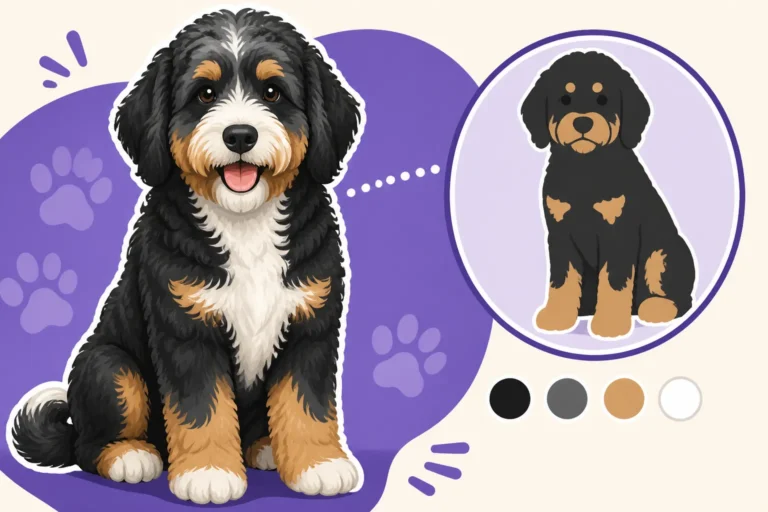
Whether the Bernedoodle Is the Fastest Growing Doodle
The world of "Doodle" dogs has absolutely exploded over the last couple of decades, hasn't it? It can feel like every other dog you see at the park is a fluffy, charismatic crossbreed, and new combinations seem to appear overnight. This whirlwind of popularity often leaves prospective owners wondering which of these delightful mixes is truly on the fastest rise, especially when they're trying to decide on the perfect furry family member. This guide dives into the fascinating question of whether the Bernedoodle holds the title of the fastest-growing Doodle, exploring what drives their increasing demand and how we even measure such a thing in the dynamic world of designer dogs.
Understanding the "Growth" of a Doodle
When we talk about a dog breed, or in this case, a crossbreed like the Bernedoodle, being "fastest growing," it's not quite as simple as checking official registration numbers. Unlike purebred dogs that are tracked by kennel clubs, Doodles don't have a single, universal registry. This makes quantifying their growth a unique challenge, but we can certainly observe trends and indicators that paint a clear picture. It’s a bit like trying to measure the popularity of a new restaurant based on how many people are always queuing up outside, rather than just counting how many tables they seat.
Defining "Fastest Growing" in the Doodle World
For Doodles, "fastest growing" isn't about the number of registered births in a national kennel club. Instead, it refers to a rapid surge in public awareness, demand from prospective owners, an increase in dedicated breeders, and a general ubiquity in pet-related conversations and online searches. Think of it as a snowball effect: more people see them, fall in love, seek them out, and then more breeders emerge to meet that demand. It’s a powerful, self-reinforcing cycle driven largely by anecdotal evidence and observable market trends, rather than strict statistical reporting.
This growth also manifests in puppy prices, which can often reflect demand. If a particular Doodle cross suddenly sees its average price point increase significantly faster than others, it's a strong indicator that more people want one than breeders can readily supply. It also shows up in waitlists for reputable breeders, which can stretch for months or even years for highly sought-after combinations or specific colors like a The Tri Color Markings People Buy a Bernedoodle For. It’s a visible, tangible measure of their soaring popularity.
Challenges in Measuring Crossbreed Popularity
The biggest hurdle in definitively declaring any Doodle the "fastest growing" lies in the lack of centralized data. No single organization tracks every Bernedoodle, Goldendoodle, or Labradoodle puppy born. This means we rely on a combination of Google search trends, social media mentions, breeder statistics (where available), and even vet clinic observations. It’s an imperfect science, but one that gives us a pretty good feel for the landscape.
Furthermore, regional popularity can skew perceptions. A certain Doodle might be incredibly popular in one state or province, while another dominates elsewhere. This patchwork of local preferences makes a global or national claim of "fastest growing" tricky. However, broad trends usually indicate a general shift across wider geographical areas, allowing us to make educated guesses about which crosses are truly gaining momentum on a larger scale.
Signs of a Surging Doodle Breed
So, what are the tell-tale signs that a Doodle breed is on the rise? Firstly, you'll see a dramatic increase in online searches for that specific cross. Everyone's hitting Google to learn more. Secondly, social media platforms become flooded with adorable pictures and videos of these dogs, generating immense buzz. Suddenly, your feed is full of them! Thirdly, the number of breeders advertising this particular mix grows, and established breeders often expand their programs to include it.
Beyond that, the availability of breed-specific products, toys, and even specialized foods, like those found on sites like Chewy, for Doodles in general, can indicate a broad market shift. If companies are designing products specifically for "Doodle coats" or "Doodle sizing," it shows they recognize a significant, growing demographic. Veterinary practices also notice shifts in patient demographics, seeing more of certain crosses come through their doors, which is another subtle but real indicator of increasing popularity.
Factors Fueling Bernedoodle Popularity
The Bernedoodle's rise is no accident. It’s a direct result of a captivating blend of traits inherited from its Bernese Mountain Dog and Poodle parents. People aren't just flocking to them because they're trendy; they're genuinely falling in love with what these dogs offer. There's a magnetic appeal that goes beyond just looks, though their appearance certainly doesn't hurt!
The Allure of Temperament and Looks
One of the primary drivers of the Bernedoodle's surge in popularity is its incredible combination of temperament and appearance. From the Bernese side, they inherit that famously sweet, gentle, and loyal disposition. They're often described as goofy, affectionate, and utterly devoted to their families, making them fantastic companions. This calm, loving nature is exactly what many families are seeking in a large dog. You can learn more about this blend of personalities in What a Bernedoodle Keeps of the Bernese Temperament.
Then there's the Poodle influence, bringing intelligence, trainability, and that coveted low-shedding, often hypoallergenic coat. The Bernedoodle typically boasts a wavy or curly coat that comes in a stunning array of colors and patterns, including the highly sought-after tri-color marking. This aesthetic appeal, combined with the promise of less hair around the house, is a powerful draw for many. They truly are the best of both worlds in many people's eyes, striking a beautiful balance between a majestic, cuddly companion and a smart, manageable household pet.
Perceived Health Benefits and Hybrid Vigor
Another significant factor, often cited by initial breeders and continued by enthusiasts, is the idea of "hybrid vigor." The belief is that by crossing two distinct purebred lines, you can reduce the incidence of breed-specific genetic health issues, leading to a healthier, longer-lived dog. The Bernese Mountain Dog, while beloved, has a notoriously short lifespan and is prone to certain cancers and orthopedic issues. The Poodle, by contrast, is generally a longer-lived breed. Many hopeful owners come to the Bernedoodle hoping to blend the Bernese personality with a healthier genetic profile.
While this concept is certainly appealing, it's essential to remember that hybrid vigor isn't a guarantee, and responsible breeding remains paramount. Both parent breeds carry their own predispositions, and diligent health testing of the parent dogs is crucial to mitigate these risks. However, the perception of a healthier, more robust dog certainly contributes to the Bernedoodle's appeal, as people are understandably keen to avoid the heartbreak and expense of significant health problems. This pursuit of better health is partly why people inquire about things like Whether the Bernedoodle Cross Actually Reduced Cancer.
The Power of Social Media and Word-of-Mouth
In our increasingly connected world, social media plays an undeniable role in the rapid rise of popular dog breeds, and the Bernedoodle is a prime example. From Instagram to TikTok, these charming dogs are everywhere. Their photogenic qualities, often appearing in stunning outdoor settings or cuddling with children, make them perfect for viral content. A single heartwarming video can introduce thousands, if not millions, to the breed overnight.
Beyond viral content, personal recommendations and word-of-mouth remain incredibly powerful. When a friend or family member raves about their Bernedoodle's wonderful temperament, low-shedding coat, and easy trainability, that endorsement carries immense weight. These real-life success stories inspire others to seek out the breed, often leading them to search for local breeders or reliable pet supply retailers like Chewy for all their new puppy's needs. The combination of digital exposure and personal testimonials creates an unstoppable marketing force.
Comparing Bernedoodle Growth to Other Doodles
The Doodle landscape is crowded, with Goldendoodles and Labradoodles having long reigned supreme. However, the Bernedoodle has carved out a significant niche and, in some areas, appears to be rapidly catching up or even surpassing its older cousins in terms of sheer buzz and demand. It's a fascinating dynamic to watch unfold.
Against the Reigning Goldendoodles and Labradoodles
For years, Goldendoodles and Labradoodles were the undisputed champions of the Doodle world. Their friendly dispositions, intelligence, and low-shedding coats made them household names. They had a head start, establishing themselves as reliable, loving family dogs with a well-deserved reputation. However, the Bernedoodle offers something a little different, a unique blend that many find even more appealing.
While Goldendoodles and Labradoodles are fantastic dogs, some owners seek a slightly calmer demeanor or a more substantial, majestic presence, which the Bernedoodle often delivers thanks to its Bernese heritage. The striking tri-color markings, less common in the earlier Doodles, also give the Bernedoodle a distinct visual appeal that stands out. This differentiation has allowed the Bernedoodle to attract a segment of the market looking for that specific mix of traits, rather than simply mimicking the success of its predecessors. This is reflected in discussions around How Common the Bernedoodle Is Against Other Crosses.
Emerging Rivals: Sheepadoodles and Aussiedoodles
The world of Doodles is constantly evolving, with new crosses gaining traction all the time. Sheepadoodles, a mix of Old English Sheepdog and Poodle, and Aussiedoodles, a blend of Australian Shepherd and Poodle, are also incredibly popular and growing rapidly. These breeds share the Poodle's intelligence and coat traits, combined with the unique characteristics of their other parent breed.
However, the Bernedoodle often offers a more predictable temperament compared to some of these other mixes. While Aussiedoodles are incredibly smart and energetic, they can sometimes be too high-strung for families seeking a calmer companion. Sheepadoodles, while wonderfully fluffy and friendly, might not offer the same degree of low-shedding consistency as a Bernedoodle. The Bernedoodle seems to hit a sweet spot for many families: a large, loving, intelligent dog with a generally calm disposition that doesn't demand quite the same intensity of mental and physical exercise as some other high-energy Doodles.
The Nuances of Niche Doodles
Beyond the big names, there's an ever-expanding universe of niche Doodles, from Newfypoos (Newfoundland and Poodle) to Saint Berdoodles (Saint Bernard and Poodle). These crosses often appeal to a very specific type of owner, looking for a particular size, coat, or temperament. While fascinating, their growth is typically slower and more localized due to the specialized nature of the parent breeds or simply less exposure.
The Bernedoodle, on the other hand, seems to have transcended the "niche" category relatively quickly. Its broad appeal across different family types and living situations, from suburban homes to more spacious environments, has allowed it to penetrate the mainstream dog market. The combination of its striking looks and generally agreeable nature makes it a safe bet for many prospective owners, leading to a more widespread and accelerated adoption rate compared to these more specialized crosses.
Here's a quick comparison of some popular Doodles:
| Doodle Breed | Key Temperament Traits (General) | Typical Coat (Poodle Influence) | Average Size (Can Vary Widely) | Perceived Demand Trend |
|---|---|---|---|---|
| Goldendoodle | Friendly, outgoing, intelligent, energetic | Wavy to curly, low-shed | Medium to Large | High, established |
| Labradoodle | Friendly, active, intelligent, eager to please | Wavy to curly, low-shed | Medium to Large | High, established |
| Bernedoodle | Calm, loyal, goofy, intelligent, affectionate | Wavy to curly, low-shed | Medium to Large (Standard) | Very High, rapidly increasing |
| Sheepadoodle | Gentle, playful, intelligent, sometimes boisterous | Wavy, shaggy, low-shed | Large | High, increasing |
| Aussiedoodle | Energetic, highly intelligent, playful, can be intense | Wavy to curly, low-shed | Medium | High, increasing |
Note: Temperament and coat traits can vary significantly within any crossbreed depending on the individual genetics of the parent dogs and the specific generation (F1, F1b, etc.).
What the Future Holds for Bernedoodle Popularity
The Bernedoodle's trajectory certainly points to continued strong growth, but like any popular trend, there are always considerations for the long term. The sustainability of their demand, the crucial role of responsible breeding, and how this impacts the very identity of the crossbreed are all important topics to ponder for anyone invested in the future of these wonderful dogs.
Sustainability of High Demand
Currently, demand for Bernedoodles remains incredibly high, with many reputable breeders having long waiting lists. This intense interest doesn't show significant signs of slowing down anytime soon. The attributes that make them so appealing—their stunning looks, loving temperament, and low-shedding coats—are enduring qualities that continue to attract new admirers. As more people experience the joy of owning a Bernedoodle, positive word-of-mouth further fuels this cycle.
However, rapid growth always brings challenges. It can attract less scrupulous breeders looking to capitalize on demand, potentially leading to issues with health and temperament if proper screening and care are neglected. The key to sustainable popularity will lie in maintaining the quality and health standards that initially drew people to the breed, ensuring that the positive experiences continue. Pet supply brands like Chewy are well-positioned to serve this growing market, but the integrity of the breeding community is paramount.
The Role of Responsible Breeding in Continued Growth
The continued positive growth and reputation of the Bernedoodle rely heavily on the integrity of its breeders. As touched on earlier, the original intent behind the Bernedoodle cross, exemplified by The 2003 Litter That Started the Bernedoodle, was to combine the best traits of both parent breeds while aiming for improved health outcomes. This requires rigorous health testing of both Bernese Mountain Dog and Poodle parents for common genetic conditions like hip and elbow dysplasia, certain cancers, and eye conditions. Issues like Hips on a Ninety Pound Bernedoodle and Elbow Dysplasia in a Growing Bernedoodle are important considerations.
Breeders who prioritize health, temperament, and ethical practices will be the bedrock of the Bernedoodle's long-term success. They are the ones diligently working to produce well-socialized, healthy puppies, and they are transparent about their health clearances, genetics, and breeding practices. Without this commitment, the breed's reputation could suffer, potentially leading to a decline in popularity as problems become more widespread. Choosing a breeder who provides The Five Clearances a Bernedoodle Breeder Should Have is absolutely essential.
Long-Term Impact on the Breed's Identity
As the Bernedoodle continues to gain popularity, there's an ongoing conversation about its long-term identity. Currently, it's recognized as a hybrid or designer dog, not a purebred by major kennel clubs. This means there isn't a standardized "breed ideal" or strict set of physical and temperamental characteristics that all Bernedoodles must conform to. This flexibility can be a strength, allowing for variation, but it can also be a challenge in establishing a consistent identity. You can delve more into this topic with Whether the Bernedoodle Counts as a Breed Yet.
Over time, as demand solidifies and more generations are bred, discussions may arise about working towards a recognized breed standard, similar to how other breeds developed. This would involve agreeing upon desired traits for size, coat type, temperament, and health. For now, the Bernedoodle thrives as a beloved crossbreed, celebrated for its unique blend of qualities. Its journey from a carefully planned cross to a widely sought-after companion is a testament to its undeniable appeal and seems set to continue its upward trend for the foreseeable future.
Disclaimer
This article is for general informational purposes only and does not constitute professional advice. Laws, prices and regulations vary by location and change over time. Consult a qualified professional for guidance on your specific situation.