What Histiocytic Sarcoma Does to a Bernese
It’s truly heartbreaking when you bring a beautiful Bernese Mountain Dog into your life, full of hopes for years of companionship, only to be confronted with the devastating reality of a short lifespan often cut short by a terrible disease. One of the most feared diagnoses for Bernese owners, and a critical concern for anyone considering a Bernedoodle, is Histiocytic Sarcoma. This guide will delve deep into what this aggressive cancer means for a Bernese, and why understanding it is vital for the health of our beloved Bernedoodles.
Understanding Histiocytic Sarcoma
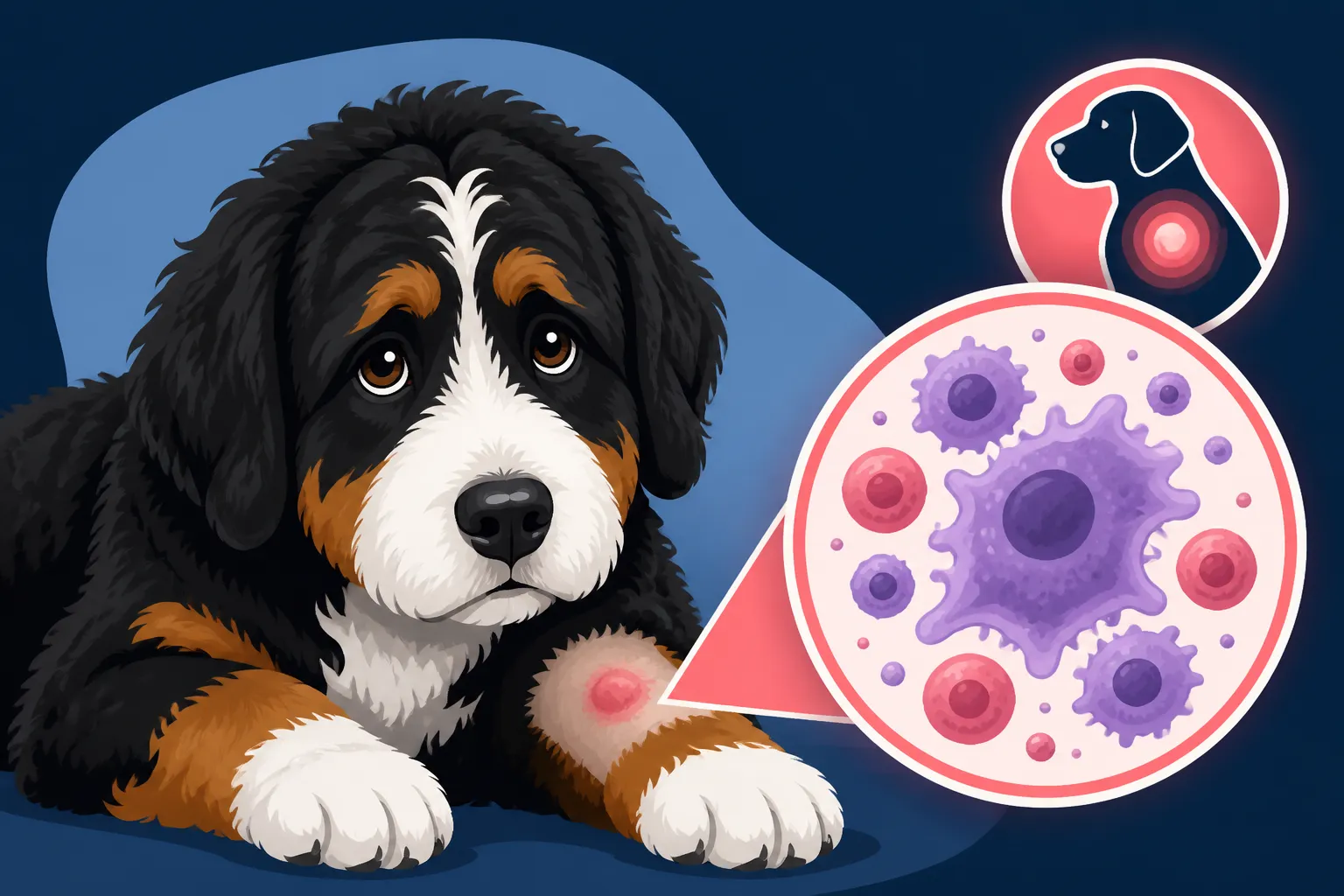
Histiocytic Sarcoma (HS) isn't just "cancer" in a general sense; it's a particularly aggressive and insidious form that originates from histiocytes, a type of immune cell found throughout the body. These cells are essentially the body's clean-up crew, part of the mononuclear phagocyte system, and they play a crucial role in immune responses. However, when they turn cancerous, they become rogue agents, multiplying rapidly and infiltrating various organs.
What Makes Histiocytic Sarcoma So Devastating
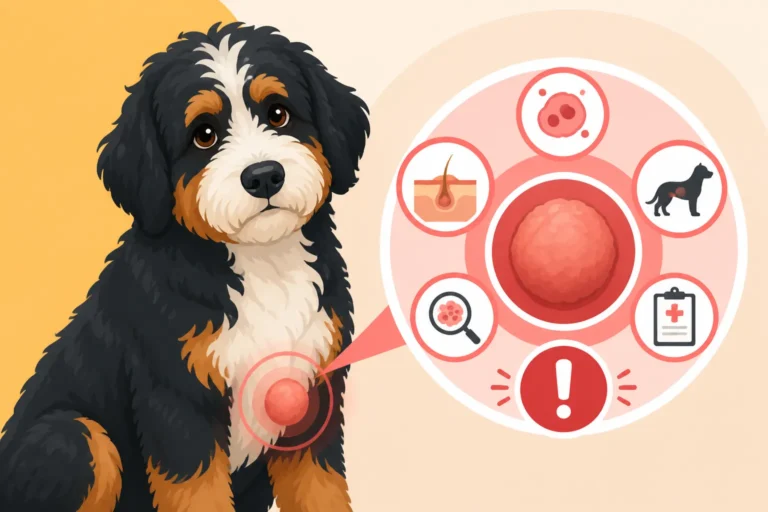
Unlike some cancers that might present as a solitary lump you can feel or see, Histiocytic Sarcoma often manifests internally, making it incredibly difficult to detect in its early, most treatable stages. It's known for its ability to spread quickly, or "metastasize," to multiple organs, including the lungs, spleen, liver, lymph nodes, and bone marrow. This widespread nature means that by the time overt symptoms appear, the disease has often already taken a firm hold, making effective intervention a monumental challenge.
The very nature of these cells, which are designed to travel and respond to inflammation, also contributes to the cancer's aggressive spread. They move through the body with alarming efficiency, establishing secondary tumors in critical areas. This metastatic pattern is what makes the prognosis for dogs diagnosed with Histiocytic Sarcoma so grim, regardless of the best efforts of veterinarians and devoted owners.
The Two Main Forms of Histiocytic Sarcoma
Histiocytic Sarcoma can generally be divided into two main categories: localized and disseminated (or multicentric).
Localized Histiocytic Sarcoma, while less common in Bernese Mountain Dogs, might appear as a single mass, often on a limb or in an internal organ. If caught extremely early and completely removed, the prognosis can be slightly better. However, even these localized forms have a high tendency to recur and spread. It's a cruel trick of this disease that even when you think you've "gotten it," it often has other plans.
Disseminated Histiocytic Sarcoma is the more common and devastating form seen in breeds like the Bernese. This means the cancer is already widespread, affecting multiple organs simultaneously or in rapid succession. Imagine a silent wildfire spreading through a forest; that's often how it feels. The cells are literally everywhere, and by the time your dog starts showing obvious signs like lethargy or loss of appetite, the disease is likely systemic. This form is particularly challenging because surgery is often not an option for such diffuse disease, leaving chemotherapy as the primary, but often palliative, treatment.
The Bernese Mountain Dog Connection
It’s no secret among Bernese owners and enthusiasts that this magnificent breed faces a disproportionately high risk of certain cancers, and Histiocytic Sarcoma is at the top of that tragic list. The very genes that give them their striking appearance and wonderful temperament also, unfortunately, carry this vulnerability.
A Genetic Predisposition to a Cruel Disease
The genetic link to Histiocytic Sarcoma in Bernese Mountain Dogs is well-established. Studies have shown a strong hereditary component, with certain genetic markers being associated with an increased risk. This isn't just bad luck; it's deeply ingrained in the breed's lineage, a stark reminder of the challenges purebred dogs can face due to limited gene pools and selective breeding. Because of this, responsible Bernedoodle breeders are diligent about screening their Bernese parent stock for healthy lineage, hoping to reduce this risk in the mixed breed. You can find more information about Whether a Bernedoodle Can Inherit Histiocytic Sarcoma.
It's a heavy burden for breeders who strive to produce healthy puppies, knowing that despite their best efforts in selecting mates and performing health clearances for conditions like hip and elbow dysplasia, this silent killer remains a persistent threat. For owners, it adds a layer of anxiety, knowing that this beautiful, gentle giant might be genetically predisposed to such a cruel fate.
Prevalence and the Heartbreaking Reality
Statistics vary, but many sources suggest that Bernese Mountain Dogs have a lifetime risk of developing Histiocytic Sarcoma as high as 25% or even higher. To put that into perspective, one in four Bernese might face this diagnosis. This elevated prevalence is what drove the original creation of the Bernedoodle, with the hope that crossing with a Poodle, a breed with its own health issues but generally not prone to HS, might dilute this specific genetic vulnerability. Some wonder Whether the Bernedoodle Cross Actually Reduced Cancer for this specific type of cancer.
The heartbreaking reality is that Histiocytic Sarcoma often strikes Bernese Mountain Dogs at a relatively young age, typically between 4 and 8 years old. This means many dogs are still in the prime of their lives, full of energy and personality, when they receive this devastating diagnosis. It robs owners of precious years with their companions, turning joyful futures into a desperate fight against an aggressive disease. The average age this cancer appears is a significant concern for owners, and it's important to understand The Age Histiocytic Sarcoma Strikes a Bernese. This early onset also makes it difficult to detect, as many owners might attribute subtle changes to normal aging or other minor ailments.
Recognizing the Early Signs
Because Histiocytic Sarcoma is so aggressive and often internal, catching it early is incredibly difficult. There are no definitive "early warning signs" that scream "Histiocytic Sarcoma!" which is a major source of frustration and despair for owners. Instead, the symptoms are often vague, mimicking those of many other less serious conditions, making it easy to dismiss them until the disease has progressed significantly.
Subtle and Non-Specific Symptoms
The initial signs of Histiocytic Sarcoma can be so subtle that they often go unnoticed or are attributed to other, more benign issues. Many owners report a general "off" feeling in their dog, a slight decrease in energy, or a picky appetite. These kinds of symptoms are easy to rationalize – maybe they ate something they shouldn't have, or they’re just having an off day. However, in the context of a Bernese, especially one around middle age, these seemingly minor changes warrant a closer look.
Other non-specific signs can include intermittent lameness that seems to shift from one leg to another, or even a persistent cough that doesn't resolve with standard treatments. These are symptoms that could point to arthritis, a minor injury, or even kennel cough, which makes the correct diagnosis a challenging puzzle for even the most experienced veterinarians. The insidious nature of this cancer means it hides in plain sight, making us question our own instincts about our beloved pets.
Specific Indicators That Warrant Immediate Attention
While general malaise is common, there are a few more specific indicators that, especially when combined, should send you straight to your vet for immediate investigation, particularly if you own a Bernese or Bernedoodle.
One of the most concerning signs is persistent, unexplained lameness. If your Bernese starts limping and it doesn't resolve quickly, or if the lameness seems to move between different legs, it could be a sign of bone involvement from Histiocytic Sarcoma. The cancer can target bone marrow, leading to pain and difficulty weight-bearing. This isn't just a "pulled muscle" for a heavy-boned breed; it's a red flag.
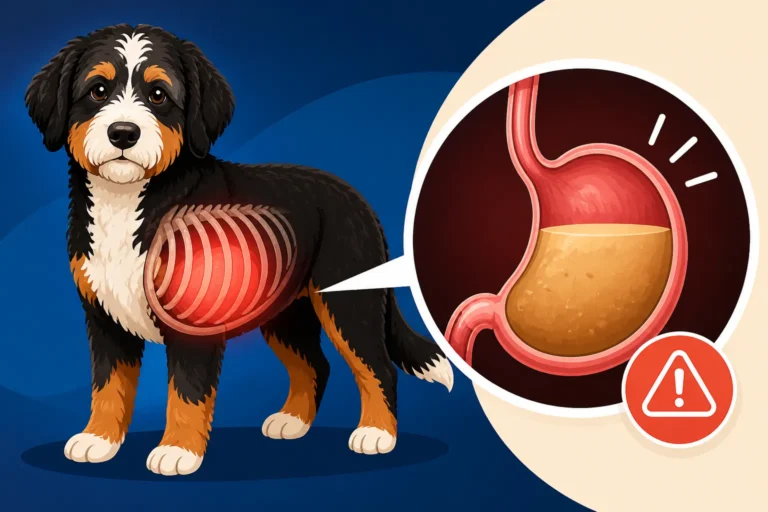
Another key indicator is a sudden or progressive loss of appetite and unexplained weight loss. If your normally food-motivated Bernese or Bernedoodle starts turning up their nose at meals, or if you notice their ribs becoming more prominent despite a normal feeding schedule, this needs immediate attention. These are often signs of significant internal disease affecting multiple organ systems. Persistent vomiting or diarrhea, especially if bloody, can also point to gastrointestinal involvement. For more generalized cancer signs, look into The First Signs of Cancer in a Bernedoodle.
Furthermore, lethargy and weakness that doesn't improve with rest are serious concerns. If your normally active dog seems unusually tired, struggles to get up, or simply isn't interested in their usual walks or playtime, don't dismiss it. Pale gums, difficulty breathing, or a distended abdomen can indicate anemia, lung involvement, or fluid accumulation in the belly, all of which can be late-stage signs of aggressive cancer.
Diagnosis and Prognosis
Getting a definitive diagnosis of Histiocytic Sarcoma is often a challenging and agonizing process, precisely because of its widespread and often hidden nature. Owners often describe a frustrating journey of ruling out other conditions before the true culprit is identified. And once it is, the prognosis is often heartbreakingly poor.
The Diagnostic Journey
When a Bernese or Bernedoodle presents with the vague symptoms of HS, the diagnostic workup often begins with routine blood tests, which might show anemia or changes in white blood cell counts, but these are rarely specific enough for a definitive diagnosis. X-rays can reveal masses in the lungs or changes in bone density, while ultrasound can detect lesions in the spleen, liver, or lymph nodes. However, even these can be ambiguous.
The gold standard for diagnosis typically involves a biopsy and histopathological examination of affected tissue. This means taking a sample of a suspicious mass, whether internal or external, and examining it under a microscope. This can be invasive, often requiring anesthesia, but it's crucial for confirming the presence of cancerous histiocytes. In cases of disseminated disease, bone marrow aspirates or biopsies of enlarged lymph nodes might be performed. The waiting period for these results can feel interminable, filled with dread and anxiety.
The Grim Outlook
Once Histiocytic Sarcoma is confirmed, the reality for Bernese Mountain Dogs is unfortunately very grim. Despite advances in veterinary oncology, the median survival time for dogs with disseminated Histiocytic Sarcoma is typically only a few months, often ranging from 3 to 6 months even with aggressive treatment. Localized forms might offer a slightly longer prognosis, but recurrence is always a major concern. It's a cruel diagnosis that leaves very little room for hope, and it's a stark difference from other, more treatable cancers.
This is a critical point that potential Bernedoodle owners need to understand. While the hybrid vigor of a Bernedoodle might reduce the overall incidence of some diseases, the genetic predisposition for HS from the Bernese side means it's still a risk. Understanding this helps you prepare for the possibility and consider options like pet insurance from companies like Healthy Paws, which can help mitigate the financial strain of such a devastating diagnosis and aggressive treatment protocols.
Treatment Options and Management
Receiving a diagnosis of Histiocytic Sarcoma for your beloved Bernese or Bernedoodle is truly devastating, but it doesn't mean there are no options. While a cure is often elusive, various treatments aim to extend life and, more importantly, maintain quality of life for as long as possible. The goal shifts from eradication to management and comfort.
Chemotherapy and Radiation
Chemotherapy is the cornerstone of treatment for disseminated Histiocytic Sarcoma, particularly for forms that have spread throughout the body. The most commonly used chemotherapy drug is Lomustine (CCNU), which has shown some efficacy in slowing the progression of the disease and can sometimes put the cancer into remission, even if temporarily. Other chemotherapy agents might also be used in combination. The question of What Chemotherapy Achieves for a Bernedoodle often boils down to extending precious time and improving comfort rather than achieving a permanent cure.
The decision to pursue chemotherapy is deeply personal and often agonizing. It involves weighing the potential side effects (nausea, fatigue, temporary hair loss) against the precious additional time it might provide. Bernedoodles, like Bernese, generally tolerate chemotherapy reasonably well, but every dog is an individual. Understanding Whether a Bernedoodle Tolerates Chemotherapy Well is crucial for owners making these difficult choices.
Radiation therapy is typically reserved for localized forms of Histiocytic Sarcoma or for palliative care to reduce pain associated with bone lesions. If the tumor is in a specific area and hasn't metastasized widely, focused radiation can be an option, sometimes in combination with surgery if the tumor is resectable. However, given the aggressive nature of HS, systemic treatment (chemotherapy) is usually necessary even after localized radiation or surgery to combat potential microscopic spread.
Palliative Care and Quality of Life
When aggressive treatment is no longer effective or desired, the focus shifts entirely to palliative care, ensuring the dog remains as comfortable and pain-free as possible. This can include pain medications, anti-inflammatory drugs, appetite stimulants, and supportive care to manage symptoms like nausea or lethargy. The goal is to maximize the remaining time with dignity and comfort.
This stage requires immense courage and a deep understanding of your dog's individual needs. It means making difficult decisions about when to let go, prioritizing their comfort above all else. Many owners find solace in knowing they did everything they could, and now their focus is purely on love and minimizing suffering. Having pet insurance, like a policy from Healthy Paws, can certainly alleviate some of the financial burden during this emotionally taxing time, allowing you to focus on your dog rather than cost. It's also wise for owners to consider Setting Money Aside for a Bernedoodle's Cancer Bills from early on, given the breed's predisposition.
Experimental Therapies and Future Outlook
Researchers are continuously working on new therapies and better understanding Histiocytic Sarcoma. This includes targeted therapies, immunotherapies, and novel drug combinations. While not widely available or guaranteed, some owners may explore clinical trials as a last resort, hoping to contribute to scientific advancements while potentially offering their dog a chance at a new treatment. These trials are often conducted at veterinary university hospitals and can offer cutting-edge care.
The hope is that continued research will lead to earlier detection methods and more effective, less toxic treatments, ultimately improving the grim prognosis currently associated with this disease in Bernese Mountain Dogs and, by extension, Bernedoodles. Until then, vigilance, proactive discussions with your veterinarian, and careful breeding practices remain the best defenses.
Impact on Bernedoodles
The very existence of the Bernedoodle was born from a desire to blend the beloved traits of the Bernese Mountain Dog with the health advantages of the Poodle, specifically aiming to mitigate serious health concerns like Histiocytic Sarcoma. While the hybrid cross does offer some hope, it's crucial for Bernedoodle owners to understand that the risk, while potentially reduced, is not entirely eliminated.
Reduced But Present Risk
The concept of "hybrid vigor" (heterosis) suggests that crossing two genetically distinct breeds can lead to offspring that are healthier and more robust than either parent breed. This is often true for Bernedoodles, who tend to have a longer lifespan than their Bernese parents. While The Seven Years a Bernese Lives and the Twelve a Bernedoodle Might highlights this benefit, it doesn't mean Bernedoodles are immune to the Bernese health concerns.
For Histiocytic Sarcoma, the Poodle parent, not being predisposed to this specific cancer, helps to dilute the Bernese genetic risk. Many breeders believe this significantly lowers the chances of a Bernedoodle developing HS compared to a purebred Bernese. However, it doesn't make them immune. A Bernedoodle still carries 50% of the Bernese genetic material (in an F1 generation), meaning the predisposition is still there, albeit potentially lessened. Owners should still be aware and proactive about health, especially considering Whether an F1 Bernedoodle Halves the Cancer Risk.
The Importance of Breeder Testing and Transparency
This is where responsible breeding practices become paramount. A reputable Bernedoodle breeder will be transparent about the health history of their Bernese parent dogs, specifically regarding any incidence of Histiocytic Sarcoma in their lines. While there isn't a single definitive DNA test that predicts HS risk with 100% accuracy, breeders should meticulously track the health and longevity of their breeding stock and their relatives. They should be willing to discuss instances of cancer in the pedigree and their strategies to minimize risk.
Beyond genetic health, environmental factors and lifestyle can also play a role in cancer development. Providing your Bernedoodle with a high-quality diet, appropriate exercise, maintaining a healthy weight, and regular veterinary check-ups all contribute to their overall well-being and can potentially support their immune system. Regular vet visits, as recommended by your veterinarian, are especially important for early detection of any health issues. A reliable pet insurance plan, such as those offered by Healthy Paws, is a wise investment, providing peace of mind should your Bernedoodle face a serious health challenge like cancer.
What Bernedoodle Owners Should Know
As a Bernedoodle owner, or someone considering becoming one, you need to be informed without being consumed by worry. Here’s what you should take away:
- Awareness, Not Panic: Understand that your Bernedoodle carries a genetic link to Histiocytic Sarcoma from their Bernese side. This means you should be aware of the symptoms, but not live in constant fear. Enjoy your dog!
- Vigilance: Pay close attention to any persistent, unexplained changes in your Bernedoodle's health, energy levels, appetite, or gait. Don't dismiss subtle symptoms, especially as they approach middle age.
- Open Communication with Your Vet: Discuss your Bernedoodle's Bernese heritage with your veterinarian. They can help you establish a proactive health monitoring plan and be more vigilant about potential HS symptoms during routine check-ups.
- Responsible Sourcing: Choose your Bernedoodle puppy from a breeder who is open about the health of their Bernese lines, tests their breeding dogs extensively, and prioritizes the health and longevity of their puppies above all else.
- Financial Preparation: Consider pet insurance from a provider like Healthy Paws. Even with a reduced risk, the cost of cancer treatment can be astronomical, and having insurance can make difficult decisions a little easier.
Histiocytic Sarcoma is a formidable foe, but an informed owner is an empowered one. By understanding its nature and impact, especially on the Bernese, we can be better advocates for our Bernedoodles and give them the best chance at a long, happy, and healthy life.
Bernese Mountain Dog vs. Poodle Health Predispositions
To further illustrate the genetic considerations that go into breeding a Bernedoodle, here's a quick look at some key health predispositions for the parent breeds related to cancer and other serious conditions. This table highlights why the cross was initially seen as beneficial for reducing certain risks, while also introducing new considerations.
| Condition | Bernese Mountain Dog Predisposition | Poodle Predisposition | Impact on Bernedoodle (General) |
|---|---|---|---|
| Histiocytic Sarcoma | High (very strong genetic link) | Low | Reduced risk, but still present due to Bernese heritage. |
| Degenerative Myelopathy | High (genetic carrier risk) | High (Standard Poodle, genetic carrier risk) | Risk remains, screening of both parents essential for Bernedoodles. |
| Von Willebrand's Disease | High (Type I, bleeding disorder) | Low | Reduced risk, but good breeders test Bernese parents. |
| Hip Dysplasia | High | Moderate | Reduced risk, but still a concern. Screening is critical for both parents. |
| Elbow Dysplasia | High | Low | Reduced risk, but still a concern. Screening is critical for both parents. |
| Bloat (GDV) | High (deep-chested breed) | Moderate (Standard Poodle, deep-chested breed) | Risk remains, especially for Standard Bernedoodles; preventative measures important. |
| Addison's Disease | Low | High | Increased risk compared to Bernese; Poodle genetics introduce this. |
| Sebaceous Adenitis | Low | Moderate-High | Increased risk compared to Bernese; Poodle genetics introduce this. |
This table provides a general overview and does not cover all possible health conditions for these breeds.
Disclaimer
The information provided in this article is for general informational and educational purposes only, and is not a substitute for professional veterinary advice. Always consult with a qualified veterinarian for any health concerns or before making any decisions related to your pet's health and medical care.