Lymphoma in a Middle Aged Bernedoodle
Finding a lump on your beloved Bernedoodle can send your heart into a tailspin, especially when they're in their prime. It's an immediate, terrifying concern that many of us face, wondering what it means and what comes next. This guide is here to walk you through understanding lymphoma in middle-aged Bernedoodles, from recognizing the subtle signs to navigating diagnosis, treatment, and supporting your furry family member every step of the way.
Understanding Lymphoma: The Uninvited Guest in Middle Age
Lymphoma is one of those words that immediately conjures fear in any dog owner's heart, and for good reason. It's a common cancer, and sadly, our beloved Bernedoodles are not immune. When we talk about a "middle-aged" Bernedoodle, we're generally looking at dogs from around five to eight years old, although it can certainly appear earlier or later. This is a time when they're usually past their rambunctious puppy phase but still full of life and vigor, making a diagnosis even more jarring.
What Exactly Is Lymphoma in Dogs?
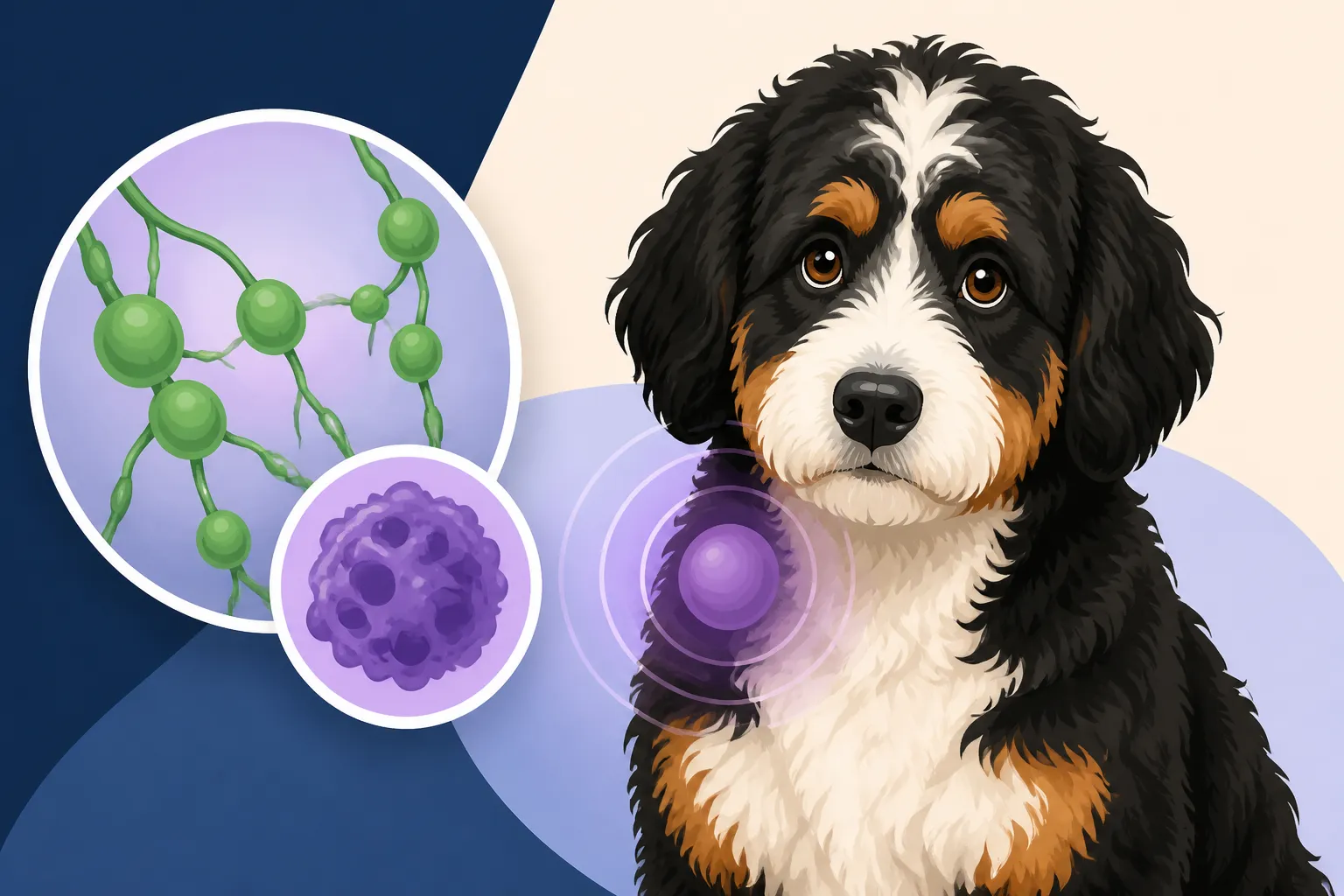
At its core, lymphoma is a cancer of the lymphatic system. Think of the lymphatic system as your dog's personal bodyguard network. It's made up of lymph nodes (those little bean-shaped glands you might feel under your chin or in your armpits), lymphatic vessels that act like tiny roads connecting them, and organs like the spleen, liver, and bone marrow. This entire system is crucial for your Bernedoodle's immune response, fighting off infections and diseases. When lymphoma strikes, it's essentially a rogue proliferation of lymphocytes, a type of white blood cell, within this system. Instead of doing their job to protect, these cancerous cells start to multiply uncontrollably, overwhelming the system and impacting various parts of the body.
There isn't just one type of lymphoma; it's a broad term encompassing several different forms. The most common type seen in dogs, making up about 80-85% of cases, is multicentric lymphoma. This is characterized by generalized enlargement of the peripheral lymph nodes, which are the ones you can usually feel from the outside. Other less common types include alimentary (gastrointestinal), mediastinal (affecting lymph nodes in the chest), and extranodal lymphoma, which can affect specific organs like the skin, eyes, or kidneys. Each type presents differently and can have a varying prognosis, making accurate diagnosis absolutely critical. It's a complex disease, and it's something that often leaves us feeling helpless and overwhelmed.
Why the Bernedoodle Might Be More Susceptible
It's a heartbreaking reality that some breeds and crosses seem to have a higher propensity for certain cancers, and the Bernedoodle, despite the hope for hybrid vigor, can still carry risks from its parent breeds. The Bernese Mountain Dog, one half of the Bernedoodle equation, is notoriously predisposed to various cancers, including malignant histiocytosis and, yes, lymphoma. Their lifespan, unfortunately, is often cut short by these devastating diseases. While the Poodle side generally boasts a longer lifespan and may dilute some of the Bernese's cancer risk, it doesn't eliminate it entirely, as Poodles can also develop certain types of cancer, including lymphoma.
The idea that Whether the Bernedoodle Cross Actually Reduced Cancer is a question many owners ponder, hoping their mixed breed pup might escape the fate of a purebred Bernese. While some studies suggest hybrid vigor can slightly lower the incidence of certain diseases, it's not a guarantee, especially when both parent breeds carry genetic predispositions to specific conditions. For lymphoma, specifically, the genetic lottery can still deal a tough hand. When considering Whether an F1 Bernedoodle Halves the Cancer Risk, it’s important to remember that genetics are complex; an F1 cross still inherits half its genes from each parent, and if those genes include cancer predispositions, the risk remains present. This is why vigilance and early detection are so paramount for Bernedoodle owners, particularly as their dogs reach that middle-aged sweet spot where these diseases tend to manifest.
Spotting the Silent Signals: Early Detection Matters
Catching lymphoma early can significantly impact the treatment options and prognosis for your Bernedoodle. However, the signs aren't always glaringly obvious, and sometimes they can mimic other, less serious conditions. This is where truly knowing your dog and paying close attention to their routine changes becomes your superpower as an owner. Don't underestimate your intuition – if something feels off, it usually is.
The Lumps You Can Feel: Swollen Lymph Nodes
For multicentric lymphoma, which is the most common form, the primary indicator is enlarged lymph nodes. These aren't just tiny bumps; they can become noticeably swollen, often feeling like firm, rubbery masses. The most accessible lymph nodes to check on your Bernedoodle are:
- Under the Jaw (Submandibular): Feel along the underside of their jawline, just behind their chin. Healthy nodes are typically very small and hard to feel, but cancerous ones can swell to the size of a grape or even a golf ball.
- In Front of the Shoulders (Prescapular): Run your hands over your dog's chest, just in front of their shoulder blades.
- In the Armpits (Axillary): Gently feel in the "armpit" area of their front legs.
- In the Groin (Inguinal): Check the soft area where their hind legs meet their body.
- Behind the Knees (Popliteal): Feel at the back of their hind legs, just above the hock joint.
These nodes typically swell symmetrically, meaning if one side is enlarged, the corresponding node on the other side might also be. It's crucial to remember that swollen lymph nodes can also be a sign of infection, but with lymphoma, they are usually painless to the touch and often feel firmer and more pronounced. Getting into a routine of feeling these areas while you're petting your Bernedoodle can make you more aware of any changes. This kind of regular, hands-on check-up is a vital part of The Screening a Bernedoodle Should Have Yearly, alongside professional veterinary exams.
Beyond the Bumps: Other Alarming Changes
While swollen lymph nodes are a classic sign, lymphoma can manifest with a variety of other, more generalized symptoms, especially if it's affecting internal organs or is a different type of lymphoma. These are the subtle cues that can often be dismissed as "just getting older" or a minor ailment, but for a middle-aged Bernedoodle, they warrant a closer look.
Keep an eye out for:
- Lethargy and Decreased Energy: Your usually playful Bernedoodle might seem less enthusiastic about walks, slower to get up, or generally more tired than usual. They might spend more time sleeping or just seem "off."
- Weight Loss and Decreased Appetite: If your Bernedoodle starts skipping meals or showing less interest in food, and you notice them losing weight despite no change in diet or exercise, it's a red flag.
- Vomiting or Diarrhea: Particularly if these symptoms are persistent or worsen, it could indicate alimentary lymphoma affecting the gastrointestinal tract.
- Increased Thirst and Urination: Sometimes, dogs with lymphoma can show changes in their kidney function or calcium levels, leading to increased water intake and more frequent urination.
- Difficulty Breathing or Coughing: If the lymphoma is affecting lymph nodes in the chest (mediastinal lymphoma) or has spread to the lungs, your Bernedoodle might develop a cough, struggle to breathe, or seem to tire easily with exertion.
- Fever: An unexplained, recurring fever can also be a symptom.
These are just some of The First Signs of Cancer in a Bernedoodle that might not immediately point to lymphoma but certainly suggest that something serious is happening. If you notice a combination of these symptoms, even without obvious lumps, it's absolutely time to see your veterinarian.
When That Gut Feeling Tells You to Act
As dog owners, we develop an almost telepathic connection with our pets. We know their quirks, their moods, and their routines better than anyone. So, when your gut tells you something is wrong, even if you can't pinpoint a specific symptom, listen to it. Perhaps your Bernedoodle just doesn't seem himself, maybe he's less cuddly, or his eyes have lost a bit of their sparkle. These subtle behavioral shifts, especially in a middle-aged dog, can be just as important as physical signs.
I remember a client whose Bernedoodle, Gus, suddenly became picky about his food. Gus had always been a chowhound, and this was completely out of character. No visible lumps, no vomiting, just a general disinterest in his meals. After a few days, his owner brought him in. While his lymph nodes weren't overtly enlarged, a finer examination and subsequent diagnostics revealed early-stage alimentary lymphoma. Her quick action, driven by her "gut feeling," allowed for earlier intervention. It's easy to dismiss these things, especially with busy lives, but a few days can make a real difference in the course of the disease. Don't hesitate to seek veterinary advice; it’s always better to be safe than sorry when it comes to your beloved companion's health.
The Diagnostic Journey: Getting Answers
Once you've noticed something concerning, the next step is a trip to the vet. This can be a really anxious time, filled with uncertainty. The diagnostic process aims to not only confirm if it is lymphoma but also to determine its specific type and how far it has progressed, which are all crucial factors for deciding on the best course of action.
From Vet Visit to Definitive Biopsy
Your veterinarian will start with a thorough physical examination, feeling all accessible lymph nodes and checking for any other abnormalities. If enlarged lymph nodes are found, or if other signs point to lymphoma, the first diagnostic step usually involves a fine needle aspirate (FNA) of the affected lymph node. This is a relatively non-invasive procedure where a small needle is inserted into the node, and a few cells are collected. These cells are then examined under a microscope by a pathologist. While an FNA can often strongly suggest lymphoma, it's not always definitive, as it only collects a small sample of cells.
To get a truly conclusive diagnosis and accurately classify the type of lymphoma, a surgical biopsy is often recommended. This involves removing a piece of the affected lymph node (incisional biopsy) or, ideally, the entire node (excisional biopsy). This larger tissue sample provides much more information for the pathologist, allowing them to confirm the diagnosis, determine the specific subtype of lymphoma, and assess its aggressiveness. This detailed information is vital because different types of lymphoma respond differently to various treatments. It’s an anxious wait for these results, but knowing exactly what you’re dealing with is the first step toward effective treatment.
Unpacking the Stages: What the Numbers Mean
Once lymphoma is confirmed, the next critical step is "staging." Staging helps your veterinary oncologist understand how widespread the cancer is in your Bernedoodle's body. This isn't just about curiosity; the stage of the disease heavily influences the prognosis and the recommended treatment plan. Think of it as mapping out the enemy's territory to plan the most effective defense.
The staging system for canine lymphoma typically uses roman numerals from I to V, often with a "substage" 'a' or 'b':
- Stage I: Involvement is limited to a single lymph node or lymphatic organ (like the spleen).
- Stage II: Regional lymph node involvement (e.g., all lymph nodes in the neck are affected).
- Stage III: Generalized lymph node involvement throughout the body. This is the most common stage at diagnosis for multicentric lymphoma.
- Stage IV: Involvement of the liver and/or spleen, with or without lymph node enlargement.
- Stage V: Involvement of the bone marrow or other extranodal sites (e.g., skin, eyes, central nervous system), with or without involvement of other organs.
The substage indicates the patient's general health:
- Substage 'a': The dog feels well and shows no clinical signs of illness (asymptomatic).
- Substage 'b': The dog is showing clinical signs such as lethargy, weight loss, fever, or poor appetite (systemically ill).
A Bernedoodle diagnosed with Stage IIIb lymphoma, for instance, has widespread lymph node involvement and is also showing signs of being unwell. This comprehensive staging process usually involves further diagnostics, such as blood work, urinalysis, abdominal ultrasound, chest X-rays, and possibly bone marrow aspiration. These tests paint a full picture of your dog's overall health and the extent of the cancer's reach, allowing your vet to tailor the most appropriate strategy.
Navigating Treatment Paths and Prognosis
A lymphoma diagnosis is terrifying, and the thought of treatment can be overwhelming. However, it's important to know that lymphoma in dogs is often considered a treatable cancer, though rarely curable. The goal of treatment is to achieve remission, improve your Bernedoodle's quality of life, and extend their time with you.
Chemotherapy: The Most Common Approach
For most types of lymphoma, especially multicentric lymphoma, chemotherapy is the cornerstone of treatment. Unlike in humans, where chemotherapy often has debilitating side effects, dogs generally tolerate it much better. The protocols used in veterinary medicine are often designed to minimize side effects while still being effective. The most common chemotherapy protocol for canine lymphoma is a multi-agent protocol, typically involving a combination of different drugs administered over several weeks or months. The "Madison-Wisconsin" protocol is a well-known example, often spanning about 19-25 weeks and involving weekly or bi-weekly visits for intravenous injections and oral medications.
The question of What Chemotherapy Achieves for a Bernedoodle is often about putting the cancer into remission and improving their quality of life. During remission, your Bernedoodle will feel well, their lymph nodes will shrink to normal size, and their energy and appetite should return. Remission durations vary greatly depending on the type and stage of lymphoma, and individual response to treatment. While chemotherapy for lymphoma is not usually curative, it can provide significant periods of good quality life, often 6-12 months, and sometimes longer. For owners worried about their dog's comfort, it's reassuring to know that Whether a Bernedoodle Tolerates Chemotherapy Well is usually yes; severe side effects are uncommon, and vets are adept at managing them if they do occur.
Holistic Support and Comfort Measures
Beyond conventional chemotherapy, many owners choose to integrate holistic and supportive therapies to further enhance their Bernedoodle's well-being. These aren't meant to replace primary treatment but rather to complement it, focusing on overall health, immune support, and comfort.
This can include:
- Nutritional Support: A balanced, high-quality diet is crucial. Some veterinary oncologists recommend specific diets, such as those that are lower in carbohydrates and higher in protein and omega-3 fatty acids, based on the theory that cancer cells thrive on carbohydrates. Discussing Whether Diet Affects a Bernedoodle's Cancer Risk or its progression during treatment is a valuable conversation to have with your vet.
- Supplements: Certain supplements like omega-3 fatty acids, probiotics, and mushroom extracts (e.g., Turkey Tail) are sometimes recommended for their potential anti-inflammatory or immune-modulating properties. Always discuss any supplements with your vet to ensure they don't interfere with chemotherapy.
- Acupuncture: Some dogs find acupuncture sessions relaxing, and it may help with pain management or appetite stimulation.
- Herbal Medicine: Traditional Chinese Veterinary Medicine (TCVM) offers various herbal formulas that may support the immune system or help manage symptoms.
These complementary approaches are about creating the most comfortable and supportive environment possible for your Bernedoodle. They reflect our desire to do everything we can for our pets during such a challenging time.
Living with Lymphoma: Understanding the Outlook
Understanding the prognosis is a critical, albeit difficult, part of the journey. The outlook for a Bernedoodle with lymphoma is highly variable and depends on several factors, including the type and stage of lymphoma, the dog's overall health, and their response to treatment. For multicentric lymphoma, with a multi-agent chemotherapy protocol, the median survival time is typically around 6 to 12 months. Some dogs may achieve longer remissions, while others might experience shorter ones.
It's important to differentiate between remission and cure. Remission means the clinical signs of cancer have disappeared, and your dog is feeling well. However, because lymphoma is systemic, microscopic cancer cells often remain, and the disease will eventually recur. When remission is lost, a "rescue protocol" using different chemotherapy drugs might be attempted, but subsequent remissions tend to be shorter. This fluctuating reality underscores the importance of focusing on quality of life throughout the process. Every extra day of joy, comfort, and companionship with your Bernedoodle is a precious gift.
| Type of Lymphoma (Most Common) | Affected Areas | Common Symptoms | Typical Prognosis (with Chemo) |
|---|---|---|---|
| Multicentric | Generalized lymph nodes | Swollen, firm, painless lymph nodes (neck, armpits, groin) | 6-12 months median survival |
| Alimentary (GI) | Stomach, intestines, abdominal nodes | Vomiting, diarrhea, weight loss, loss of appetite | 3-9 months median survival |
| Mediastinal | Lymph nodes in chest, thymus gland | Difficulty breathing, coughing, lethargy | Highly variable, often guarded |
| Extranodal | Skin, eyes, kidneys, CNS, bone marrow | Skin lesions, eye changes, organ-specific symptoms | Varies widely by organ and severity |
Caring for Your Bernedoodle During and After Treatment
Supporting your Bernedoodle through lymphoma treatment is a huge commitment, both emotionally and practically. It involves more than just administering medication; it's about nurturing their spirit, managing their comfort, and adjusting to a new rhythm of life.
Managing Side Effects and Boosting Comfort
While dogs generally tolerate chemotherapy well, side effects can still occur. The most common ones include gastrointestinal upset (nausea, vomiting, diarrhea), temporary decreases in white blood cell counts (which can increase infection risk), and lethargy. Your veterinary oncologist will work closely with you to manage these.
Here are a few ways to boost comfort:
- Anti-Nausea Medications: Your vet can prescribe anti-emetics to help prevent or alleviate nausea and vomiting, ensuring your Bernedoodle can keep food down.
- Appetite Stimulants: If appetite is a concern, certain medications can help encourage them to eat. Sometimes just offering highly palatable foods, like warmed chicken and rice or low-sodium broth, can make a difference.
- Pain Management: While lymphoma itself isn't always painful, managing any discomfort from symptoms or other age-related issues is key to maintaining a good quality of life.
- Monitoring and Hygiene: Keep a close eye on your Bernedoodle for any signs of infection, especially if their white blood cell count is low. Good hygiene, like keeping them clean and their living area tidy, helps prevent opportunistic infections. If they have a port for IV chemo, ensure the site is clean and dry.
Remember, your Bernedoodle trusts you completely. Your calm presence and consistent care are incredibly reassuring to them during this challenging time.
Nutritional Support During Treatment
Nutrition plays a vital role in supporting a Bernedoodle undergoing cancer treatment. Their body is working overtime to fight the disease and recover from therapies, so providing optimal fuel is essential. The general consensus for cancer patients is a diet that is highly digestible, palatable, and calorically dense, focusing on high-quality protein and fats.
- High-Quality Protein: Protein helps maintain muscle mass, which can waste away during illness (cachexia). Lean meats like chicken, turkey, or fish can be excellent sources.
- Healthy Fats: Fats are a concentrated source of calories and can be helpful for dogs losing weight. Omega-3 fatty acids, found in fish oil, also have anti-inflammatory properties that may be beneficial.
- Low Carbohydrates: Some oncologists suggest limiting simple carbohydrates, as cancer cells are believed to metabolize glucose more efficiently than healthy cells. However, this should always be discussed with your vet to ensure balanced nutrition.
- Palatability is Key: A dog won't benefit from the best diet in the world if they won't eat it. Sometimes, getting them to eat anything is the primary goal. You might need to experiment with different foods, warm their meals to enhance aroma, or even hand-feed them.
The goal is to maintain their weight and energy levels as much as possible. This is also where discussions about Whether Diet Affects a Bernedoodle's Cancer Risk can be revisited, not just for prevention but for supportive care during active disease.
Emotional Support for Everyone Involved
A cancer diagnosis doesn't just impact your Bernedoodle; it impacts the entire family. It's an emotionally draining journey, filled with hope, fear, and sometimes, grief. It's perfectly normal to feel overwhelmed, sad, or even angry.
- Seek Support for Yourself: Talk to trusted friends, family members, or even a support group for pet owners dealing with chronic illness. Don't bottle up your emotions. Your vet team can also be a great source of emotional support and practical advice.
- Maintain Routine: Dogs thrive on routine. As much as possible, try to keep your Bernedoodle's daily schedule consistent. Regular walks (if they're up to it), meal times, and playtime can provide comfort and stability.
- Cherish Every Moment: Focus on the good days. Take extra pictures, give extra cuddles, and enjoy the simple pleasures. Whether it's a quiet evening on the couch or a gentle stroll in the park, these moments become even more precious.
- Consider Financial Planning: The financial aspect of cancer treatment can be a significant stressor. What a Cancer Diagnosis Costs Before Treatment Starts can be substantial, and the ongoing What Chemotherapy Runs Per Session for a Bernedoodle can quickly add up. Many owners find that pet insurance, such as policies from Healthy Paws, can be invaluable in mitigating these costs, allowing them to focus on care rather than finances. It’s worth exploring Insuring a Bernedoodle Against the Bernese Half of their genetic predisposition, as such coverage can literally be a lifesaver. This financial safety net can make the difference when deciding Whether Chemotherapy Is Worth It for a Bernedoodle, knowing that you won't have to choose between your dog's health and your budget. Thinking about Setting Money Aside for a Bernedoodle's Cancer Bills early on, even before a diagnosis, is a realistic approach.
Preventative Measures and Genetic Considerations
While we can't completely prevent cancer in our Bernedoodles, there are proactive steps we can take, from understanding genetics to maintaining a healthy lifestyle, that might help reduce risk or improve early detection.
The Role of Genetics and Responsible Breeding
Understanding the genetic predispositions inherited from the parent breeds is key. Both Bernese Mountain Dogs and Poodles can carry genes that increase cancer risk. A truly responsible breeder will conduct extensive health testing on their breeding dogs, not just for orthopedic issues like hip and elbow dysplasia, but also for conditions like Von Willebrand's Disease and eye issues. While there isn't a single DNA test that predicts lymphoma risk, breeders who prioritize health and transparency can provide valuable insight into the health history of their lines.
When choosing a Bernedoodle puppy, asking a breeder about the longevity and causes of death in their breeding lines, especially concerning cancer, is a legitimate and important question. Asking a Breeder About Cancer in the Bernese Line can give you some indication of potential risks. While it's impossible to guarantee a cancer-free dog, choosing a puppy from parents with excellent health clearances and long-lived ancestors can certainly improve your odds. This is part of ensuring that you don't inadvertently get a dog where Whether an Unknown Pedigree Costs a Bernedoodle Years of life due to unaddressed genetic issues.
Lifestyle Factors and General Health
Beyond genetics, a healthy lifestyle plays a crucial role in overall well-being and may contribute to a stronger immune system, potentially making a Bernedoodle more resilient.
- Optimal Nutrition: As discussed, feeding a high-quality, balanced diet throughout your Bernedoodle's life is foundational. Avoid excessive treats, table scraps, and anything that could contribute to obesity. Whether an Overweight Bernedoodle Loses Years of life is a valid concern, as excess weight stresses the body and is linked to various health problems, including some cancers.
- Regular Exercise: Keeping your Bernedoodle at a healthy weight and condition is vital. Regular, appropriate exercise for their age and size helps maintain muscle tone, supports cardiovascular health, and contributes to a robust immune system.
- Avoid Environmental Toxins: Minimize exposure to potential carcinogens like secondhand smoke, certain pesticides, and harsh cleaning chemicals.
- Routine Veterinary Care: Regular check-ups allow your vet to catch subtle changes early. This includes routine blood work, physical exams, and even discussions about your Bernedoodle's overall behavior and health. These routine visits are where The Screening a Bernedoodle Should Have Yearly becomes invaluable, helping to detect issues before they become advanced.
- Spaying/Neutering Considerations: Research continues on the optimal age for spaying or neutering, particularly in large breeds, to balance benefits against potential health risks, including certain cancers. Discuss this with your vet to make the best decision for your individual Bernedoodle. Some studies suggest Whether Spaying Early Raises Bernedoodle Cancer Risk, for instance, so informed decisions are crucial.
By being proactive in these areas, you provide your Bernedoodle with the best possible chance at a long, healthy life, even in the face of potential genetic predispositions.
Disclaimer
The information provided in this article is for educational purposes only and should not be considered a substitute for professional veterinary advice. Always consult with a qualified veterinarian for any health concerns or before making any decisions related to your Bernedoodle's health and treatment.