Whether an Unknown Pedigree Costs a Bernedoodle Years
Bringing a Bernedoodle into your life is an exciting, joyful time, often filled with dreams of long walks, cuddles on the couch, and years of unwavering companionship. But sometimes, when you're navigating the dizzying world of breeders and adorable puppies, you might encounter a situation where a dog's lineage isn't fully disclosed. This can leave you with a gnawing question: does an unknown pedigree truly shorten a Bernedoodle's life, and what does that mean for the future you're imagining with your furry friend? This guide aims to shed light on how a murky background can indeed impact a Bernedoodle's health and longevity, and what you can do about it.
Why Pedigree Matters: More Than Just a Family Tree
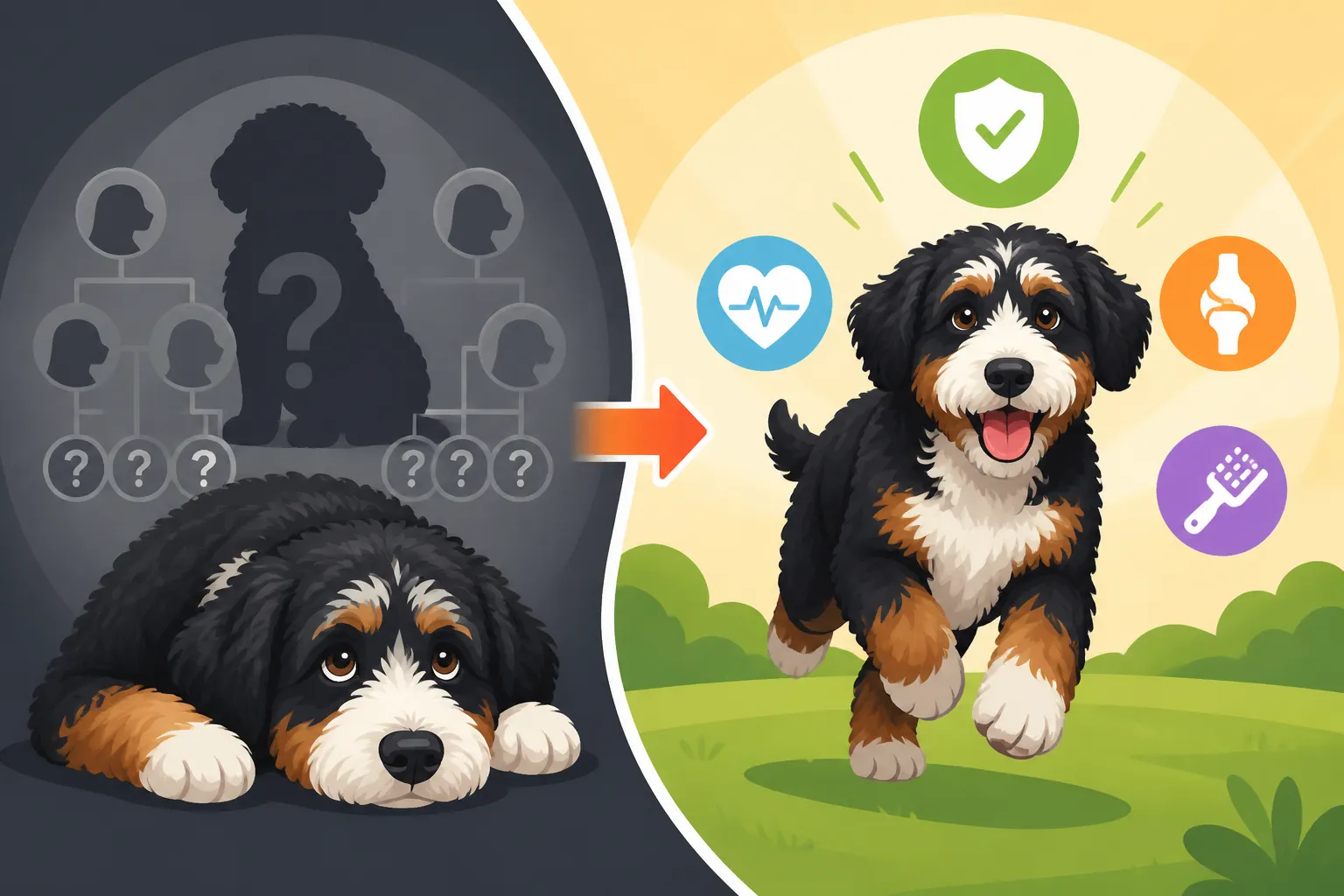
When we talk about a dog's pedigree, we're not just referring to a fancy piece of paper listing ancestors. For a Bernedoodle, a breed celebrated for its charming personality and purported hybrid vigor, a transparent pedigree is a window into their genetic health and potential lifespan. It's about knowing the health history of the parents, grandparents, and even great-grandparents, which is absolutely critical when trying to predict the future health of your puppy. Without this information, you're essentially flying blind into the genetic lottery.
The Role of Parentage in Health Screening
A responsible Bernedoodle breeder invests heavily in health screening their breeding stock. This isn't just a nicety; it's a fundamental responsibility. Both Bernese Mountain Dogs and Poodles, the parent breeds, are predisposed to certain genetic conditions. For instance, Bernese Mountain Dogs are famously susceptible to various cancers, including Histiocytic Sarcoma and Whether a Bernedoodle Escapes It, and orthopedic issues like hip and elbow dysplasia. Poodles, on the other hand, can carry genes for conditions such as progressive retinal atrophy (PRA) and Von Willebrand's disease.
When a breeder provides a detailed pedigree, they're showing you proof that their breeding dogs have been tested for these common hereditary ailments. They can confidently tell you that their dogs are clear of, or at least only carriers for, conditions that could severely impact a puppy's quality of life or cut it tragically short. Without this transparency, you have no way of knowing if your puppy's parents or their ancestors carried genes for devastating diseases, stacking the odds against a long, healthy life. It’s like buying a used car without ever seeing its service history; you might get a gem, or you might end up with a money pit.
Understanding Genetic Health Clearances
A reputable breeder won't just tell you their dogs are healthy; they'll show you the paperwork. This means certifications from organizations like the Orthopedic Foundation for Animals (OFA) for hip and elbow evaluations, and potentially PennHIP for hip laxity. They'll have eye certifications from the Canine Eye Registry Foundation (CERF) or OFA Eye Certification, and genetic test results for conditions like Degenerative Myelopathy Both Bernedoodle Parents Can Carry and Von Willebrand's Disease in a Bernedoodle. These are not inexpensive tests, and they're performed by veterinary specialists, adding to the cost but significantly reducing risk.
When a pedigree is unknown, it almost certainly means these crucial health clearances haven't been performed, or at least not disclosed. This lack of testing means your Bernedoodle puppy could inherit a predisposition to painful and debilitating conditions that might surface in adolescence or early adulthood. Imagine your Bernedoodle, full of life and joy, suddenly struggling to walk due to severe Elbow Dysplasia in a Growing Bernedoodle at a young age. These are the heart-wrenching scenarios that transparent pedigrees aim to prevent. It’s a sad reality that some breeders cut corners, but it's your responsibility as a potential owner to ask for proof, and if none is forthcoming, to understand the significant gamble you're taking.
The Hidden Costs of an Unknown Lineage: Health Risks and Heartache
The direct correlation between an unknown pedigree and a shorter lifespan for a Bernedoodle isn't always a certainty, but the risk of a reduced lifespan and increased health complications skyrockets. It's less about a guarantee of early death and more about significantly increased odds of facing serious, life-altering health battles that will test your emotional and financial limits.
Increased Risk of Hereditary Diseases
Without documented health clearances, your Bernedoodle has a much higher chance of inheriting genetic diseases common to its parent breeds. The unfortunate truth is that many of these conditions, if unmanaged, can indeed shorten a dog's life. Consider cancers: Bernese Mountain Dogs have one of the highest rates of fatal cancers among purebred dogs. While the Poodle cross is often marketed as reducing this risk, the reality of Whether the Bernedoodle Cross Actually Reduced Cancer is complex and not fully guaranteed, especially without careful selective breeding. If a Bernese parent in an unknown pedigree came from lines riddled with early-onset cancer, those genes are likely to be passed on.
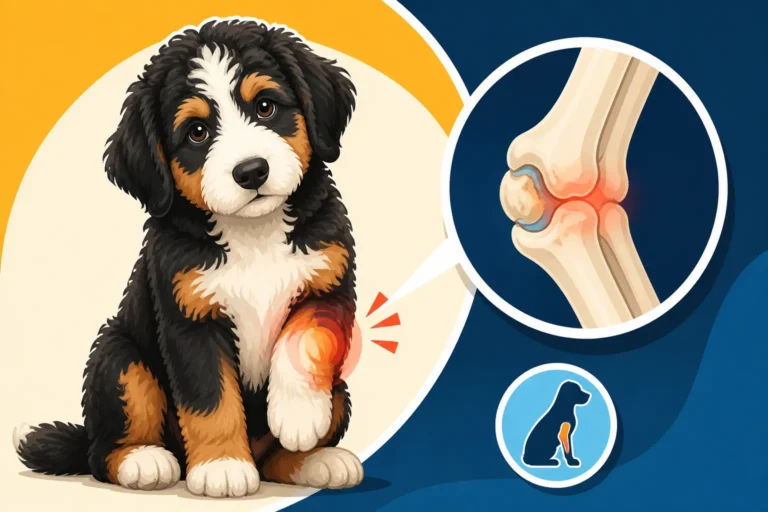
Beyond cancer, conditions like severe hip and elbow dysplasia can lead to chronic pain, mobility issues, and a significantly diminished quality of life, requiring extensive veterinary intervention. A Bernedoodle with severe Hips on a Ninety Pound Bernedoodle might struggle with basic activities, potentially facing multiple surgeries or a life managed with pain medication, all of which come with their own risks and can indirectly affect longevity. These aren't just minor inconveniences; they're major health crises that can lead to difficult decisions about your dog's welfare and future.
The Challenge of Early Detection and Prevention
One of the greatest advantages of a known pedigree and health-tested parents is the ability to be proactive. If you know that there's a history of a certain condition in your dog's lineage, your veterinarian can recommend specific screenings or preventative measures. For example, knowing a Bernedoodle might be at risk for certain eye conditions, like those covered in The Eye Conditions a Bernedoodle Is Tested For, allows you to schedule specialized ophthalmologist visits to monitor for early signs.
With an unknown pedigree, you lose this crucial early warning system. You and your vet are left reacting to symptoms as they appear, often when the condition is already advanced and more challenging to treat. This can lead to more aggressive treatments, longer recovery times, and ultimately, a greater impact on your dog's overall health and lifespan. It's a bit like playing detective when the clues are scattered and incomplete, making it much harder to stay ahead of potential health problems.
| Factor | Known Pedigree & Clearances | Unknown Pedigree & No Clearances |
|---|---|---|
| Genetic Health Risks | Significantly reduced risk of common hereditary diseases. | Higher risk of inheriting genetic diseases. |
| Predictability | Better understanding of potential health challenges. | Little to no insight into future health issues. |
| Preventative Care | Proactive screening and early intervention possible. | Reactive approach to symptoms, often late. |
| Lifespan Impact | Higher likelihood of reaching full breed lifespan. | Increased risk of shortened lifespan due to unmanaged disease. |
| Financial Burden | Reduced likelihood of unexpected, costly major illnesses. | Higher potential for significant, unforeseen vet bills. |
| Emotional Impact | Greater peace of mind; less anxiety about unknown health. | Increased stress and heartache due to chronic health battles. |
Navigating the Unknown: Safeguarding Your Bernedoodle's Future
If you've already brought a Bernedoodle home with an unknown pedigree, or if you're considering one despite the lack of information (perhaps a rescue, which is a wonderful thing!), it doesn't mean you're doomed. It simply means you need to be even more diligent and proactive in their care. You're taking on a role that requires a keen eye and a deep commitment to their well-being, understanding that you're starting from a place of less certainty.
Proactive Veterinary Care and Monitoring
The cornerstone of managing a Bernedoodle with an unknown pedigree is robust and regular veterinary care. Don't wait for problems to arise. Schedule annual check-ups, of course, but also discuss with your vet the specific health risks associated with Bernese Mountain Dogs and Poodles. Ask about early screening options for conditions like hip and elbow dysplasia, even if there’s no immediate concern. For example, your vet might recommend specific X-rays at certain ages or blood tests to monitor organ function, especially as your Bernedoodle gets older and you start wondering What Changes in a Bernedoodle After Eight.
Be observant. Pay close attention to any changes in your dog's gait, appetite, energy levels, or behavior. Even subtle shifts could be early indicators of a problem. For instance, if your Bernedoodle starts showing signs of lethargy or unusual lumps, don't delay a vet visit, as these could be The First Signs of Cancer in a Bernedoodle. Your vet can help you establish a preventative health schedule that's tailored to the potential risks, helping to catch issues early when they are most treatable, potentially adding valuable years to their life.
Financial Preparedness for Unexpected Illnesses
Let's be realistic: vet bills for major illnesses can be astronomical. With an unknown pedigree, the likelihood of facing these kinds of costs increases significantly. Conditions like cancer treatment, orthopedic surgeries, or long-term management of chronic diseases like Hypothyroidism From the Bernese Side of a Bernedoodle can quickly run into thousands of dollars. It’s a harsh truth, but one you need to prepare for.
This is where planning truly comes into play. Consider setting aside a dedicated savings fund specifically for your Bernedoodle's potential medical needs. Even better, invest in comprehensive pet insurance. Policies from providers like Healthy Paws can be a lifesaver, covering a significant portion of unexpected veterinary costs, from accidents to illnesses. While no one wants to imagine their beloved pet getting sick, having a good plan, backed by something like Healthy Paws, can remove a huge financial burden from the emotional stress of a diagnosis, allowing you to focus on getting your dog the best possible care. Remember, the peace of mind that comes with knowing you can afford quality treatment for your Bernedoodle, regardless of their genetic past, is invaluable.
Beyond Lifespan: The Overall Well-being and Quality of Life
While the immediate concern with an unknown pedigree is often about a shortened lifespan, the implications stretch far beyond just the number of years. It also deeply affects the overall well-being and quality of life for your Bernedoodle, and, by extension, for you and your family. A dog burdened by chronic pain, anxiety, or recurring health issues won't be living their fullest, happiest life, regardless of how many years they have.
Behavioral Tendencies and Temperament
A proper pedigree doesn't just trace physical health; it can also offer insights into temperament. Responsible breeders select for stable, friendly, and well-socialized parent dogs, aiming to produce puppies with desirable traits. Bernedoodles are generally known for being intelligent, affectionate, and goofy, but the Bernese side can sometimes carry a streak of shyness or reservation. If the Poodle parent contributes high energy and the Bernese parent contributes shyness, the mix can be unpredictable.
With an unknown pedigree, you lose that predictive element for temperament. You might end up with a Bernedoodle that struggles with The Shyness a Bernedoodle Gets From the Bernese or exhibits behavioral issues that are difficult to manage, simply because their parents weren't screened for temperament stability. While training and socialization can do wonders, starting with a dog predisposed to anxiety or reactivity can make life much more challenging for both the dog and the owner, potentially impacting their overall quality of life and the bond you share.
The Emotional Toll on Owners
Perhaps one of the most significant "costs" of an unknown pedigree is the emotional toll it can take on owners. Living with the constant worry of potential unseen health issues can be incredibly stressful. When a beloved Bernedoodle, especially one you adore, suddenly develops a serious illness that could have been mitigated or even avoided with responsible breeding, the heartache is profound. The financial strain is one thing, but the emotional exhaustion of managing chronic conditions, seeing your pet in pain, and grappling with the "what ifs" can be truly draining.
Choosing a Bernedoodle from a breeder who provides clear, documented pedigrees and health clearances isn't just an investment in a puppy; it's an investment in peace of mind. It’s about doing everything you can to set your furry family member up for the longest, healthiest, and happiest life possible. While an unknown pedigree means a bumpier road, proactive care and preparedness can still offer your Bernedoodle a wonderful life, even if it comes with more uncertainties.
Disclaimer
This article is for general informational purposes only and does not constitute professional advice. Laws, prices and regulations vary by location and change over time. Consult a qualified professional for guidance on your specific situation.