Whether Half Bernese Means Half the Cancer Risk
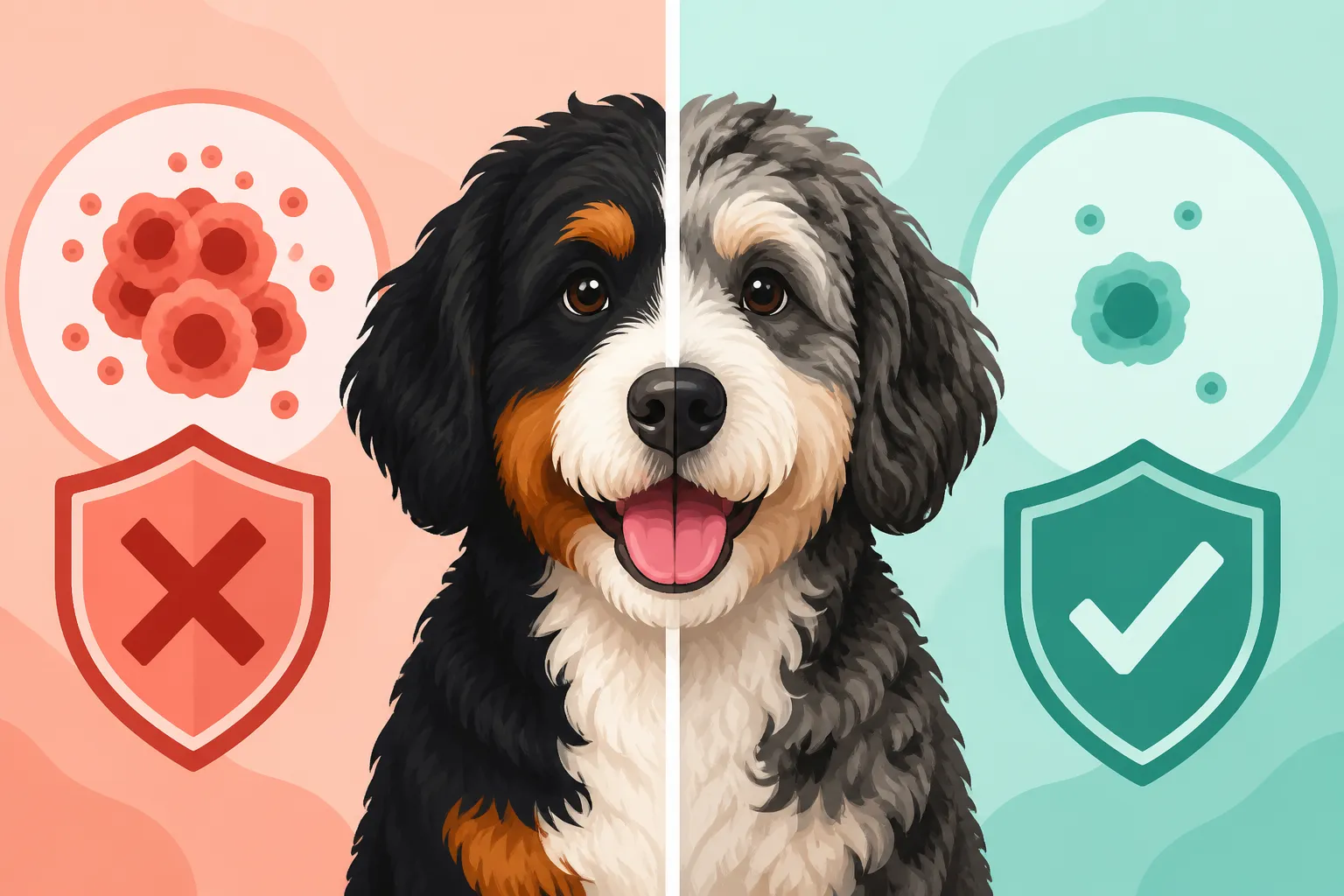
The worry that comes with loving a Bernedoodle is often tied to the health legacy of their Bernese Mountain Dog parent, especially when it comes to the heartbreaking prevalence of certain cancers. Many folks hope that by crossing the Bernese with a Poodle, you automatically cut that cancer risk in half. But is that truly the case? This guide delves deep into the genetics, realities, and proactive steps you can take to understand your Bernedoodle's cancer risk, offering a realistic perspective rather than simply a hopeful one.
Understanding the Bernese Mountain Dog's Cancer Predisposition
Let's be honest, the short lifespan often associated with the Bernese Mountain Dog is a tough pill to swallow for anyone who adores these gentle giants. It's one of the main reasons breeders began looking at crosses like the Bernedoodle in the first place. The hope was always to infuse some of the Poodle's longevity and robustness into the Bernese line, especially concerning cancer.
The Stark Reality of Bernese Lifespan and Cancer
When you look at purebred Bernese Mountain Dogs, the statistics can be quite sobering. A significant number of them, sadly, succumb to various forms of cancer, often at a relatively young age. While a typical dog might live into their early to mid-teens, the Bernese frequently faces a much shorter road. This isn't just anecdotal; studies and veterinary observations consistently point to cancer as a leading cause of death in the breed. It's not uncommon to hear of a beloved Bernese passing away between the ages of six and nine, with cancer being the culprit more often than not. This tragic reality is precisely what drives the desire for a healthier, longer-lived companion, like the Bernedoodle promises to be. To truly appreciate this concern, it helps to understand The Seven Years a Bernese Lives and the Twelve a Bernedoodle Might.
Common Cancers in Bernese Mountain Dogs
It’s not just any cancer; there are specific types that seem to target Bernese Mountain Dogs with alarming frequency. One of the most notorious is Histiocytic Sarcoma. This aggressive and rapidly spreading cancer often affects the spleen, lymph nodes, lungs, and bone marrow. It’s particularly devastating because it can be hard to detect in its early stages and progresses quickly. Other common cancers include Lymphoma, which affects the lymphatic system, and Mast Cell Tumors, which can appear as skin lumps but can also be internal and highly aggressive. These aren't just minor health concerns; they are life-threatening conditions that cast a long shadow over the Bernese breed. If you're wondering What Histiocytic Sarcoma Does to a Bernese, it's a truly heartbreaking journey.
The Poodle's Contribution to Health
On the other side of the Bernedoodle equation, you have the Poodle, a breed renowned for its intelligence, elegance, and generally longer lifespan compared to the Bernese. It’s this Poodle contribution that sparks the hope of hybrid vigor and a reduced cancer risk.
Poodle Health Strengths and Weaknesses
Poodles, especially Standard Poodles, typically enjoy a longer lifespan, often reaching 12 to 15 years, which is a significant jump from the Bernese average. They are generally considered a robust breed. However, that's not to say they are without their own health challenges. Poodles can be predisposed to conditions like Addison's Disease, bloat (Gastric Dilatation-Volvulus), epilepsy, hip dysplasia, and certain eye conditions. While they can develop cancers like osteosarcoma or hemangiosarcoma, the overall prevalence of rapidly fatal cancers, especially Histiocytic Sarcoma, is notably lower than in the Bernese Mountain Dog. So, while they bring longevity, they also bring their own set of potential genetic predispositions that responsible breeders must screen for.
How "Hybrid Vigor" Comes into Play
The concept of "hybrid vigor," or heterosis, is often touted as the magic bullet for crossbreeds like the Bernedoodle. In simple terms, it's the idea that when you breed two genetically distinct purebreds, the offspring can be healthier, more robust, and less susceptible to certain hereditary diseases than either parent breed. This is because crossing diverse genetic lines can reduce the likelihood of inheriting two copies of a harmful recessive gene. If one parent carries a gene for a specific disease, but the other parent doesn't, the offspring is less likely to express that disease. For the Bernedoodle, the hope is that the Poodle's healthier genes dilute the Bernese's strong predisposition to certain cancers, thereby extending the Bernedoodle's overall lifespan and quality of life. Many people look to Whether the Bernedoodle Cross Actually Reduced Cancer with great interest because of this very concept.
Does "Half Bernese" Mean Half the Cancer Risk for Bernedoodles?
This is the million-dollar question for many prospective Bernedoodle owners. It’s a very understandable hope, given the heartbreaking statistics for Bernese Mountain Dogs. But the reality of genetics is rarely as simple as a 50/50 split.
The Nuances of Genetic Inheritance
Unfortunately, genetics isn't quite like mixing two colors of paint to get a perfect blend. It's more complex, especially with multifactorial diseases like cancer. While hybrid vigor can reduce the incidence of some diseases by introducing genetic diversity, it doesn't automatically mean a Bernedoodle gets "half" the cancer risk of a Bernese. Here's why:
- Dominant vs. Recessive Genes: If a predisposition to a particularly aggressive cancer in Bernese is influenced by dominant genes, or by multiple genes working together (polygenic inheritance), simply having a Poodle parent doesn't necessarily "cancel out" half of that risk. The Bernedoodle could still inherit some of those problematic genetic markers.
- Carrier Status: A Bernedoodle could still be a carrier of genes that predispose to cancer, even if they don't develop it themselves. This is important if you were ever considering breeding.
- New Combinations: Sometimes, new genetic combinations in crossbreeds can unfortunately lead to unforeseen health issues, though the aim of hybrid vigor is to avoid this.
So, while the statistical likelihood of some specific Bernese-associated cancers (like Histiocytic Sarcoma) might be lower in a Bernedoodle compared to a purebred Bernese, it's not a simple halving across the board for all cancers. The dog is still a large breed, and large breeds have their own general cancer risks regardless of pedigree. This is why the question Whether an F1 Bernedoodle Halves the Cancer Risk is more intricate than a simple yes or no.
Current Data and Anecdotal Evidence on Bernedoodle Cancer Rates
Gathering definitive, large-scale scientific data specifically on Bernedoodle cancer rates is challenging because they are a relatively new and unregistered crossbreed. There isn't a central registry tracking their health outcomes in the same way there is for purebreds.
- Anecdotal Evidence: From speaking with many Bernedoodle owners and breeders, the general consensus is that Bernedoodles do tend to live longer than purebred Bernese Mountain Dogs, often reaching 10-12 years, sometimes even 15. This increased lifespan suggests a reduced incidence of the early-onset, aggressive cancers that plague the Bernese. Many owners report their Bernedoodles not succumbing to cancer as frequently or as early as their Bernese counterparts.
- Veterinary Observations: Vets who see a lot of Bernedoodles often note that while they are generally healthier than Bernese, they are not immune to cancer. They can still develop various types, and their large size remains a risk factor for conditions like osteosarcoma.
- Lack of Hard Data: The challenge remains that without extensive, peer-reviewed studies on thousands of Bernedoodles across multiple generations, it's difficult to quantify the exact reduction in cancer risk. We can't say it's 25% or 50% definitively. It's more accurate to say that hybrid vigor appears to offer some protection, but it's not a guarantee against cancer. This is why we still ask Whether Cancer Is Still the Leading Cause in Bernedoodles, as it continues to be a concern, even if lessened.
Factors Beyond Genetics Influencing Cancer Risk
While genetics play a huge role, it's crucial to remember that a dog's health, and their susceptibility to cancer, is a complex tapestry woven with many threads. Beyond the genes inherited from their Bernese and Poodle parents, several other factors can significantly influence a Bernedoodle's cancer risk:
- Diet and Nutrition: What you feed your Bernedoodle matters. A high-quality, balanced diet that avoids excessive fillers, artificial ingredients, and questionable by-products can contribute to overall health and a strong immune system. Obesity, for instance, is a known risk factor for certain cancers in dogs, just as it is in humans. Keeping your Bernedoodle at a healthy weight through appropriate feeding is paramount. If you're curious Whether Diet Affects a Bernedoodle's Cancer Risk, the answer is a resounding yes.
- Environmental Exposure: Just like us, dogs are exposed to environmental toxins. This can include pesticides, herbicides on lawns, certain household chemicals, and even cigarette smoke. Minimizing your dog's exposure to these known carcinogens can be a small but meaningful step in supporting their long-term health.
- Spay/Neuter Timing: There's a growing body of research suggesting that the age at which a dog is spayed or neutered can impact their risk for certain cancers and orthopedic issues. Early spay/neuter has been linked to an increased risk of some cancers (like osteosarcoma) and joint problems in large breeds. Discussing the optimal timing with your vet, considering your individual dog's breed and risk factors, is a really important conversation to have. This research directly impacts questions like Whether Spaying Early Raises Bernedoodle Cancer Risk.
- Exercise and Weight Management: Regular, appropriate exercise helps maintain a healthy weight and keeps the body's systems functioning optimally. An overweight Bernedoodle puts unnecessary strain on their joints and can increase inflammation throughout the body, both of which can be contributing factors to various health problems, including cancer.
- Stress Levels: While harder to quantify, a chronic state of stress can impact a dog's immune system, potentially making them more vulnerable to illness. A happy, secure, and well-adjusted dog is generally a healthier dog.
Considering all these elements alongside genetics gives you a more holistic picture of how to best support your Bernedoodle's health and longevity.
Proactive Measures to Support Your Bernedoodle's Health
Given the genetic predisposition from the Bernese side, and the general complexities of canine health, a proactive approach is the best way to support your Bernedoodle's well-being. You can't change their genetics, but you can certainly influence their environment and care.
Choosing a Reputable Breeder Who Tests
This is perhaps the single most critical step you can take when bringing a Bernedoodle into your life. A truly reputable breeder doesn't just breed for cute puppies; they breed for health and temperament. They will perform extensive health testing on both parent dogs before breeding. This isn't just a simple vet check-up; it involves specific genetic and orthopedic screenings.
- Bernese Side Screening: For the Bernese parent, this should include testing for conditions prevalent in the breed, most notably hip and elbow dysplasia, eye conditions, and importantly, seeking out lines with a history of longevity and a lower incidence of early-onset cancers like Histiocytic Sarcoma. While there isn't a single DNA test for all cancers, breeders can try to avoid lines known for aggressive cancer. It's perfectly reasonable to be Asking a Breeder About Cancer in the Bernese Line.
- Poodle Side Screening: The Poodle parent should be screened for hip and elbow dysplasia, Von Willebrand's Disease, progressive retinal atrophy (PRA), and often a thyroid panel.
- Transparent Records: A good breeder will be transparent and willing to share the results of these tests, often providing OFA (Orthopedic Foundation for Animals) or PennHIP clearances, as well as genetic testing results from labs like Embark or Paw Print Genetics. If a breeder avoids these conversations or doesn't have verifiable health clearances, it's a huge red flag. Looking into The Five Clearances a Bernedoodle Breeder Should Have is non-negotiable for a healthy puppy.
Lifestyle Choices for a Healthier Bernedoodle
Once your Bernedoodle is home, their daily life heavily impacts their health. You have a direct hand in providing the best possible environment for them to thrive.
- Premium Nutrition: As mentioned earlier, a high-quality diet is foundational. Opt for a large-breed specific formula, especially during puppyhood, to support slow, steady growth which is crucial for joint development. Talk to your vet about the best food for your dog's age, size, and activity level. Avoid overfeeding, which can lead to obesity and put stress on joints and organs.
- Regular, Appropriate Exercise: Bernedoodles are energetic dogs, particularly when young, but their large size means you need to be mindful of their developing joints. Avoid high-impact activities like excessive jumping or long, strenuous runs on hard surfaces, especially in their first year. Instead, opt for moderate walks, playtime in the yard, or swimming, which is excellent for joints. As they mature, they'll enjoy more vigorous activities, but always gauge their endurance and avoid overexertion, particularly in warm weather.
- Weight Management: This cannot be stressed enough. An overweight Bernedoodle is at higher risk for a myriad of health problems, including joint issues (like arthritis, which can start surprisingly early for Arthritis in a Bernedoodle at Eight), heart disease, diabetes, and yes, certain types of cancer. Work with your vet to determine your Bernedoodle's ideal weight and stick to a feeding plan that maintains it. You should be able to feel their ribs easily without seeing them.
- Stress Reduction: Provide a consistent routine, plenty of mental stimulation through training and puzzle toys, and a calm, loving home environment. A well-adjusted dog often has a stronger immune system.
Early Detection and Veterinary Care
Even with the best breeding and lifestyle, health issues can arise. Early detection is your best friend when it comes to managing conditions, especially cancer.
- Routine Veterinary Check-ups: Don't skip these! At least once a year for adult dogs, and twice yearly for seniors, your vet can catch subtle changes that you might miss. They'll perform a thorough physical exam, listen to their heart and lungs, palpate their abdomen, and check for any lumps or bumps. The Screening a Bernedoodle Should Have Yearly should become a non-negotiable part of your dog ownership.
- Be Diligent with Lumps and Bumps: Bernedoodles, with their thick coats, can hide things easily. Get into the habit of performing regular "lump checks" when you're grooming or petting them. Feel all over their body, paying close attention to armpits, groin, neck, and behind the ears. Any new lump or bump, regardless of size, should be brought to your vet's attention promptly. While many are benign, it's always better to be safe than sorry.
- Watch for Subtle Changes: A dog can't tell you they don't feel well. You need to be observant. Look for changes in appetite, water intake, energy levels, breathing patterns, urination/defecation habits, or any lameness. Persistent coughing, vomiting, diarrhea, or unexplained weight loss are all signs that warrant a vet visit.
- Consider Pet Insurance: Given the potential for significant veterinary costs, especially if a serious illness like cancer were to arise, pet insurance can be a real lifesaver. Policies like those offered by Healthy Paws can help cover a large percentage of unexpected vet bills, allowing you to make medical decisions based on what's best for your Bernedoodle, rather than solely on your wallet. It's a pragmatic step for anyone concerned about Insuring a Bernedoodle Against the Bernese Half.
By combining responsible breeding choices, excellent daily care, and diligent veterinary oversight, you are giving your Bernedoodle the absolute best chance at a long, healthy, and happy life, even with the lingering concerns from their Bernese heritage.
Comparative Overview of Health and Lifespan
To put things into perspective, here's a quick look at the general health and lifespan expectations for Bernese Mountain Dogs, Standard Poodles, and Bernedoodles. Keep in mind these are averages and individual dogs can vary greatly.
| Trait / Breed | Bernese Mountain Dog | Standard Poodle | Bernedoodle (F1/F1b) |
|---|---|---|---|
| Average Lifespan | 6-9 years | 12-15 years | 10-14 years |
| Primary Health Concerns | Cancers (Histiocytic Sarcoma, Lymphoma, Mast Cell), Hip & Elbow Dysplasia, Bloat | Addison's Disease, Bloat, Hip Dysplasia, Sebaceous Adenitis, Eye conditions | Hip & Elbow Dysplasia, Bloat, Addison's, Reduced cancer risk but still possible |
| Cancer Prevalence | Very High (leading cause of death) | Moderate (various types, generally later onset) | Moderate to Lower than BMD (Hybrid vigor effect) |
| Temperament | Calm, gentle, affectionate, sometimes reserved | Intelligent, active, loyal, sometimes sensitive | Goofy, intelligent, affectionate, often social and playful |
| Grooming Needs | Heavy shedding, thick double coat, moderate brushing | Non-shedding, curly coat, extensive regular grooming | Variable coat (wavy to curly), minimal to no shedding, extensive regular grooming |
Disclaimer
The information provided in this article is for general informational purposes only and does not constitute veterinary advice. Always consult with a qualified veterinarian for any health concerns or before making any decisions about your pet's care. Breed health statistics are averages, and individual animals may vary.