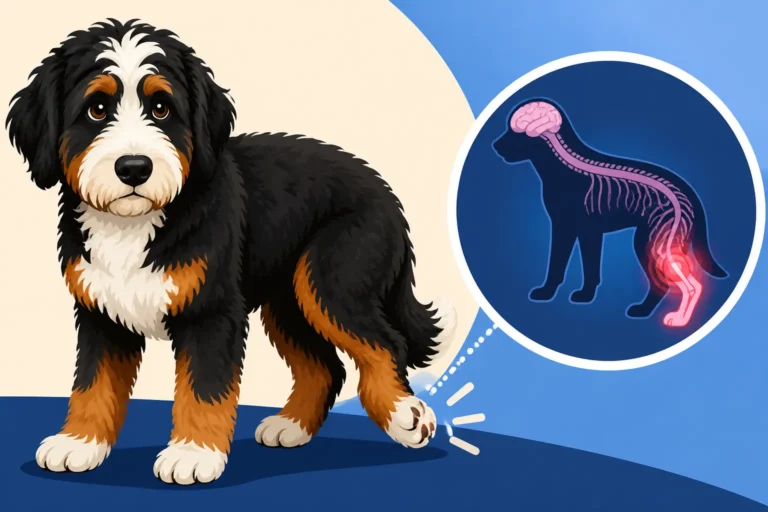
Whether Bernedoodles Develop Malignant Histiocytosis
One of the hardest parts of being a Bernedoodle parent is navigating the fear of illness, especially when it comes to the serious conditions that can affect larger breeds. We pour our hearts into these furry family members, and when something feels off, our minds immediately race to the worst-case scenarios. Among the many health concerns, the mention of aggressive cancers can send shivers down any owner's spine. This guide aims to tackle a particularly worrying one: Malignant Histiocytosis. We’re going to delve into what it is, whether our beloved Bernedoodles are truly at risk, and what you, as a loving owner, need to know.
Understanding Malignant Histiocytosis and Its Aggressive Nature
Malignant Histiocytosis (MH) is a scary diagnosis, and for good reason. It’s a highly aggressive and rapidly progressive cancer that originates from histiocytes, which are a type of immune cell found throughout the body. Think of these cells as part of your dog's defense system, constantly patrolling and engulfing foreign invaders. When these cells turn cancerous, they multiply uncontrollably and can spread quickly, leading to devastating consequences.
This isn't your run-of-the-mill lump; MH is insidious. It can manifest in different forms, often making it tricky to pin down initially. You might hear terms like "disseminated histiocytic sarcoma" or "localized histiocytic sarcoma." The disseminated form, which is unfortunately more common, involves multiple organs and spreads aggressively, often affecting the spleen, lymph nodes, lungs, liver, and bone marrow. A localized form, while less common, might appear as a tumor on the skin or in a specific organ, and while it might offer a slightly better prognosis if caught extremely early and removed, it still carries a high risk of recurrence or metastasis. The truly heartbreaking part is how quickly this cancer can progress, turning a seemingly healthy dog into one showing severe signs of illness in a matter of weeks or even days. It’s a brutal disease that challenges even the most experienced veterinarians and devastates families.
The Bernedoodle's Genetic Link to Malignant Histiocytosis
When we talk about Malignant Histiocytosis, the conversation almost immediately turns to the Bernese Mountain Dog. This magnificent breed, one of the Bernedoodle's parent breeds, unfortunately carries a significant genetic predisposition to this particularly aggressive cancer. It's one of the reasons the Bernedoodle cross was initially developed – a hope that by introducing the Poodle's genetics, some of the severe health issues, especially cancer, inherent in the Bernese could be diluted or lessened. The question then becomes: does this "hybrid vigor" truly protect our Bernedoodles from inheriting such a devastating disease?
Inheriting Risk from the Bernese Side
The reality is, while hybrid vigor can sometimes lessen the incidence of certain polygenic diseases (those caused by multiple genes), it’s less effective against diseases with a strong, specific genetic predisposition, like malignant histiocytosis in Bernese Mountain Dogs. Our Bernedoodles inherit 50% of their genetic makeup from their Bernese parent, and with that comes the potential for inheriting the same genetic markers that make Bernese Mountain Dogs so susceptible to MH. It’s not a guarantee that every Bernedoodle will get it, but the risk is certainly there, and it’s higher than in breeds not related to the Bernese. It’s a sobering thought, especially when you bring home a fluffy puppy, filled with hopes for a long, healthy life. This is why some breeders try to be extremely diligent about screening their Bernese parent stock for healthy lineage, but even then, MH can be a cruel wildcard. Understanding this inherent risk is crucial for any Bernedoodle owner, pushing us to be more vigilant and proactive about their health. It's a heavy burden, but knowledge empowers us. You might be interested in whether the Bernedoodle cross actually reduced cancer overall, or more specifically, Whether Half Bernese Means Half the Cancer Risk.
The Poodle's Influence and Genetic Testing
The Poodle side of the Bernedoodle equation doesn't typically carry a predisposition to Malignant Histiocytosis. In fact, Poodles are generally a much healthier breed when it comes to cancer, often living longer and with fewer specific cancer predispositions than the Bernese. So, theoretically, the Poodle genetics should offer some protective effect, diluting the Bernese risk. However, it's not a simple 50/50 split on every disease. The inheritance of complex genetic diseases is rarely straightforward, and MH remains a significant concern. Some studies suggest the incidence might be lower in Bernedoodles compared to purebred Bernese, but it's far from eliminated.
Currently, there isn't a specific, widely available DNA test that can definitively predict a dog's risk for developing Malignant Histiocytosis. Researchers are working on identifying the exact genetic markers, but it's a complex puzzle. This means that as owners, we can't rely on a simple genetic test to say our Bernedoodle is "clear." Instead, we must focus on choosing breeders who prioritize health clearances for both parent breeds, especially ensuring the Bernese parent comes from lines with a documented history of longevity and fewer cancer incidences. Asking a breeder about cancer in the Bernese line is always a good idea. This proactive approach, while not perfect, is currently our best defense against inheriting these devastating conditions.
Recognizing the Subtle Signs of Malignant Histiocytosis
One of the most frustrating and heartbreaking aspects of Malignant Histiocytosis is how vague and non-specific its early signs can be. As pet parents, we're attuned to our dogs' every mood and quirk, but these initial symptoms can easily be brushed off as "just getting old," a minor stomach upset, or a temporary lameness. This often leads to delays in diagnosis, which is particularly tragic for a cancer that progresses so rapidly. Knowing what to look for, even if it feels like you're constantly on alert, can make a difference. Early detection, while challenging, is key for any chance at intervention.
Non-Specific Symptoms That Warrant Investigation
Imagine your typically boisterous Bernedoodle, Charlie, who usually greets you at the door with a wagging tail and boundless energy. Lately, he's a bit slower to rise, maybe skips a meal or two, and just seems a little "off." These are the subtle cues that could signal something more serious. Lethargy, a decreased appetite, or unexplained weight loss are common red flags in many canine illnesses, and MH is no exception. These signs can be especially tricky because they often mimic symptoms of other, less severe conditions. It’s not like they wake up one day with a giant, obvious tumor.
Other signs to watch out for include persistent coughing or difficulty breathing, which could indicate lung involvement, or lameness that doesn't seem to improve or shifts from one limb to another, possibly pointing to bone or joint involvement. Sometimes, you might feel enlarged lymph nodes, particularly in the neck, armpits, or groin. Even subtle changes in gum color (paleness) or yellowing of the skin/eyes (jaundice) can occur if the liver is affected. The key here is persistence and a change from your dog's normal behavior. If your Bernedoodle is usually a food hound and suddenly turns up their nose at dinner, or if they're usually up for a walk but now lag behind, these are changes that deserve a call to the vet. Don't wait, because with MH, time is truly of the essence. For more general guidance, you might find The First Signs of Cancer in a Bernedoodle helpful.
When to Seek Veterinary Attention
It’s easy to second-guess ourselves as pet owners. "Am I overreacting? Is it just a bad day?" With a disease as aggressive as Malignant Histiocytosis, it's always better to err on the side of caution. If you notice any combination of the symptoms listed above, especially if they persist for more than a day or two, or if they seem to be worsening, it's time to make an appointment with your veterinarian. Don't be afraid to voice your concerns explicitly, mentioning the Bernedoodle's Bernese heritage and your worry about cancer, particularly MH. Your vet will appreciate your vigilance.
A thorough physical examination is the first step, followed by diagnostic tests. This might include a complete blood count (CBC) and a biochemistry panel, which can reveal anemia, low platelet counts, or elevated liver enzymes. Imaging, such as X-rays of the chest and abdomen, or an abdominal ultrasound, can help identify masses in internal organs. The definitive diagnosis often requires biopsies of affected tissues—whether that's a swollen lymph node, a mass found internally, or even bone marrow. These samples are then sent to a veterinary pathologist who can identify the specific histiocytic cells. The diagnostic journey can be stressful, but it's a necessary step. Having robust pet insurance, like Healthy Paws, can be incredibly beneficial during such a critical time, as these diagnostic tests and subsequent treatments can quickly become very expensive.
Diagnosis, Treatment, and Prognosis for MH
Receiving a diagnosis of Malignant Histiocytosis for your Bernedoodle is, without a doubt, a devastating blow. The rapid progression and aggressive nature of this cancer mean that owners often find themselves in a race against time, making difficult decisions under immense emotional pressure. It's a challenging journey, but understanding the diagnostic process, available treatments, and realistic prognosis can help you advocate for your dog and make the most informed choices for their care.
The Diagnostic Process and Its Challenges
Diagnosing Malignant Histiocytosis can be a bit like chasing a ghost, especially in its early stages. Because the symptoms are so non-specific (lethargy, weight loss, limping), vets often start by ruling out more common ailments. This can lead to a frustrating period of tests and waiting, while the disease continues its relentless progression. A comprehensive diagnostic workup for suspected MH often involves several stages:
- Initial Bloodwork: A complete blood count (CBC) might reveal anemia (low red blood cells), thrombocytopenia (low platelets), or an increase in abnormal white blood cells. A biochemistry panel checks organ function, which can show signs of liver or kidney involvement.
- Imaging: X-rays of the chest can identify masses in the lungs or enlarged lymph nodes. An abdominal ultrasound can reveal lesions in the spleen, liver, or other abdominal organs. In some cases, an MRI or CT scan might be recommended for more detailed imaging, especially if neurological signs are present or specific masses need precise localization.
- Cytology and Histopathology: This is often where the definitive diagnosis is made. Fine needle aspirates (FNAs) or biopsies are taken from suspicious masses, enlarged lymph nodes, or affected organs (like the spleen or liver). These samples are then examined by a veterinary pathologist under a microscope to identify the characteristic malignant histiocytes. Bone marrow aspirates can also be crucial if bone marrow involvement is suspected.
The challenge lies in the fact that MH cells can be hard to differentiate from other inflammatory cells, sometimes requiring specialized staining or even consultation with multiple pathologists to confirm the diagnosis. This complexity adds to the emotional and financial burden on owners, but it's a critical step to ensure appropriate treatment, however limited.
Treatment Options and Prognosis
Unfortunately, due to the aggressive and rapidly spreading nature of Malignant Histiocytosis, treatment options are often focused on managing symptoms and trying to extend quality of life rather than achieving a definitive cure. The approach depends heavily on whether the cancer is localized or disseminated.
- Localized Histiocytic Sarcoma: If a tumor is found in a single, resectable location (e.g., on the skin or a specific organ like the spleen), surgical removal may be an option. However, even with successful surgery, the risk of recurrence or metastasis is very high, and adjunctive chemotherapy is often recommended.
- Disseminated Histiocytic Sarcoma: For the more common, widespread form of MH, chemotherapy is the primary treatment. Protocols often involve drugs like Lomustine (CCNU), which has shown some efficacy in slowing progression for a short period. However, responses vary, and the disease typically develops resistance over time. Radiation therapy might be used for localized pain relief or to target specific tumors if surgery isn't feasible.
- Supportive Care: This is a huge part of managing MH. It involves addressing symptoms like pain, nausea, and poor appetite. Medications for pain management, appetite stimulants, anti-nausea drugs, and nutritional support are all crucial components to maintain comfort and quality of life for as long as possible.
The prognosis for Malignant Histiocytosis, especially the disseminated form, is generally guarded to poor. Survival times vary widely but often range from a few weeks to several months, even with aggressive treatment. Localized forms may offer a slightly longer prognosis if caught very early and treated aggressively, but it's still a significant battle. This devastating reality underscores the importance of cherishing every moment with your Bernedoodle and making decisions that prioritize their comfort and dignity. The financial burden of diagnostics and treatment for MH can be substantial, often running into many thousands of dollars. Pet insurance providers like Healthy Paws can truly be a lifesaver in these situations, helping to cover a significant portion of these unexpected and critical costs, allowing you to focus on your Bernedoodle's care without the added stress of overwhelming bills. For more information on treatment costs, you may find What Chemotherapy Achieves for a Bernedoodle or What Cancer Treatment Costs a Bernedoodle Owner to be helpful resources.
Here's a quick look at common symptoms that might signal Malignant Histiocytosis, and why immediate vet attention is crucial:
| Symptom Category | Specific Signs | Why It's Concerning for MH |
|---|---|---|
| General Well-being | Lethargy, reluctance to play/exercise, withdrawal | Early sign of systemic illness, common in aggressive cancers affecting overall health. |
| Appetite & Weight | Decreased appetite (anorexia), unexplained weight loss | MH can cause cachexia (wasting), nausea, and general malaise, impacting desire to eat. |
| Breathing | Persistent cough, difficulty breathing, increased respiratory rate | Indicative of lung involvement (metastasis to lungs or primary lung tumor). |
| Mobility & Pain | Lameness (especially shifting), stiffness, reluctance to move | MH can affect bones, joints, or neurological pathways, causing pain and mobility issues. |
| Lumps & Swellings | Enlarged lymph nodes (neck, armpits, groin), subcutaneous (under skin) masses | Direct evidence of tumor growth or spread of cancer to lymphatic system. |
| Gastrointestinal | Vomiting, diarrhea | Possible involvement of gastrointestinal tract or systemic effects causing GI upset. |
| Other | Pale gums, jaundice (yellowing of skin/eyes), increased thirst/urination | Indicative of anemia (pale gums), liver dysfunction (jaundice), or kidney involvement. |
It's vital to remember that while these signs can be alarming, they are not exclusive to Malignant Histiocytosis. Many other conditions can present similarly. However, given the severity of MH, prompt veterinary evaluation is always the best course of action.
Disclaimer
This article is intended for informational purposes only and does not constitute veterinary advice. Always consult with a qualified veterinarian for any health concerns or before making any decisions about your Bernedoodle's care.