Whether a Bernedoodle Tolerates Chemotherapy Well
Facing a cancer diagnosis for your beloved Bernedoodle is an incredibly difficult, often heartbreaking, moment for any pet parent. When your veterinarian suggests chemotherapy, a wave of fear and uncertainty can wash over you, immediately conjuring images of human patients battling severe side effects. It’s natural to wonder, "Will my sweet, goofy Bernedoodle suffer through this treatment? Will their quality of life plummet?" This guide aims to shed light on how Bernedoodles typically tolerate chemotherapy, what to expect, and how you can best support them through the process, easing some of those worries.
Understanding Canine Chemotherapy: What's Different for Dogs?
It's absolutely crucial to understand that canine chemotherapy is fundamentally different from human chemotherapy in its primary goals and typical outcomes. This isn't to say it's without challenges, but the approach is generally less aggressive. As pet parents, we often project our own experiences or what we know from human medicine onto our dogs, and with chemotherapy, that can lead to a lot of unnecessary anxiety.
The Goal Isn't Always a Cure
For many human cancers, the aggressive pursuit of a cure, even with severe side effects, is often the top priority. For dogs, especially a Bernedoodle, the primary goal of chemotherapy is almost always focused on achieving remission, extending a good quality of life for as long as possible, and slowing down the progression of the disease. This means that veterinarians will typically use lower doses or different protocols than those used in human oncology, specifically to minimize debilitating side effects. They are not trying to push your dog to the absolute limit in the hope of a complete eradication of cancer if it means a miserable existence during treatment. Instead, the focus is on allowing your Bernedoodle to continue enjoying walks, meals, cuddles, and their usual activities for as long as possible. The aim is for them to feel relatively normal and happy throughout the treatment period.
A Focus on Quality of Life
Your veterinary oncologist will be constantly assessing your Bernedoodle’s quality of life. This isn't just a buzzword; it's a critical component of canine cancer care. If the side effects become too severe or persistent, adjustments will be made to the protocol, or the treatment may even be discontinued. For instance, if your Bernedoodle loves playing fetch in the yard, but chemo makes them too nauseous or weak to do so, that's a red flag that the current plan might need re-evaluation.
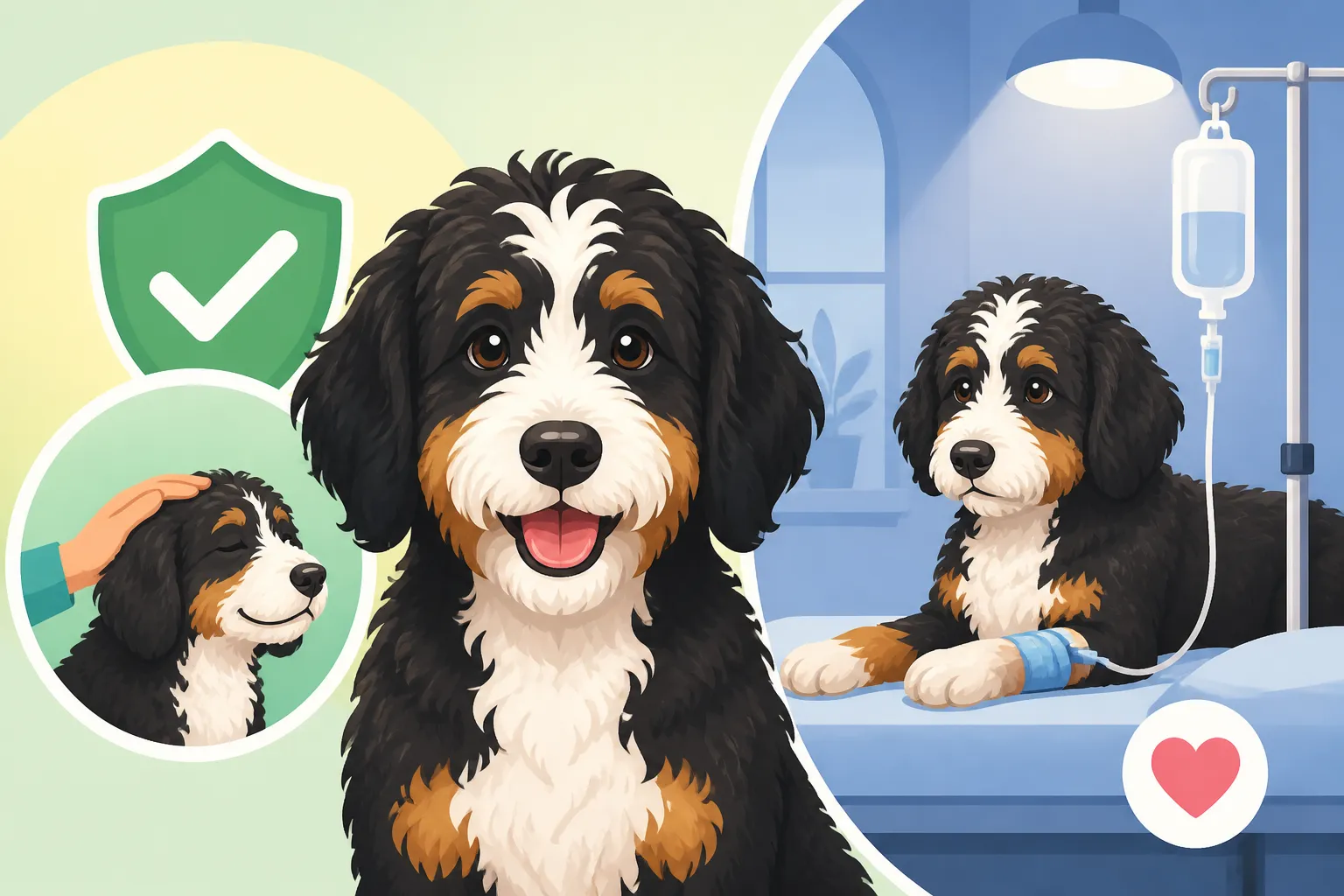
They want your dog to still be a dog, to still greet you at the door, to still beg for treats. This emphasis means that most dogs, including Bernedoodles, generally tolerate chemotherapy much better than people anticipate. While side effects do occur, they are typically less severe and shorter-lived than those seen in humans. Think about it: a dog can't understand why they feel unwell. They just know they do. So, keeping them as comfortable and happy as possible is paramount. It's a testament to veterinary medicine's compassionate approach that the focus remains so heavily on their well-being.
Factors Influencing Your Bernedoodle's Tolerance
Just like in people, not every Bernedoodle will react to chemotherapy in exactly the same way. There are a handful of crucial factors that can significantly influence how well your particular dog tolerates their treatment. Understanding these can help you set realistic expectations and work effectively with your veterinary team.
Individual Dog Variation and Health Status
Every Bernedoodle is an individual, with their own unique genetics, metabolism, and temperament. Some dogs, even within the same breed, simply have a more robust constitution or a higher pain tolerance. Beyond that, your Bernedoodle's overall health status before starting chemotherapy plays a huge role. If your dog is already compromised by other health issues, such as kidney disease, liver problems, or an autoimmune disorder, their ability to process and recover from chemotherapy drugs might be diminished. This is why a thorough pre-chemotherapy workup is so important. Your vet will conduct blood tests, urine analysis, and potentially imaging to get a full picture of their health.
For instance, a Bernedoodle that is generally healthy, active, and has a good appetite before starting treatment is often better equipped to handle the stresses of chemotherapy than one that is already lethargic, underweight, or battling secondary infections. Age also comes into play; a younger, robust Bernedoodle might bounce back more quickly than an older dog, though senior dogs can absolutely still be good candidates for treatment, especially when we're thinking about What Changes in a Bernedoodle After Eight. Even factors like stress levels can impact tolerance. A Bernedoodle with a calm demeanor might cope better than one prone to anxiety, although supportive care can help immensely with this.
Type of Cancer and Chemotherapy Protocol
The specific type of cancer your Bernedoodle has makes a big difference in the kind of chemotherapy protocol that will be prescribed. Different cancers respond to different drugs, and these drugs have varying side effect profiles. For example, a Bernedoodle diagnosed with lymphoma, which is one of The Cancers That Take Bernedoodles Most Often, might receive a multi-agent protocol, meaning a combination of several different chemotherapy drugs given over a period. This approach is often very effective for lymphoma but might carry a broader range of potential side effects than a single-agent protocol used for other cancers.
Conversely, some cancers might only require a single drug, or a metronomic protocol, which involves giving low doses of chemotherapy drugs daily to target cancer cells without severely impacting normal cells. This type of protocol often has very minimal side effects. Your veterinary oncologist will tailor the protocol specifically to your Bernedoodle's cancer, general health, and your shared goals for their quality of life. They will also consider the dosage, frequency of treatments, and duration. For a deeper dive, understanding What Chemotherapy Achieves for a Bernedoodle for different cancer types can be very informative. It’s a complex calculation, but rest assured, your vet is working to find the most effective yet gentlest approach for your furry family member.
Common Side Effects and How We Manage Them
While dogs generally tolerate chemotherapy better than humans, it's not without its challenges. It's important to be aware of the most common side effects so you can recognize them early and work with your vet to manage them effectively. Remember, the goal is always to maintain your Bernedoodle's comfort and quality of life.
Gastrointestinal Upset and Appetite Changes
One of the most frequently observed side effects of chemotherapy in dogs is gastrointestinal upset. This can manifest as nausea, vomiting, diarrhea, or a decreased appetite. Certain chemotherapy drugs are more prone to causing these issues than others, but it's a common concern across the board. Imagine feeling constantly queasy; it's no fun for anyone, let alone your Bernedoodle who loves their mealtime.
Your Bernedoodle might start to associate the vet clinic or even specific days of the week with feeling unwell, which is sometimes referred to as "anticipatory nausea." They might turn their nose up at their usual kibble, or even foods they typically adore. Diarrhea can range from mild looseness to more severe, watery stools, which can quickly lead to dehydration.
The good news is that these side effects are often manageable with supportive medications. Your vet will likely prescribe anti-nausea medications, such as Cerenia (maropitant citrate) or ondansetron, to be given before or after chemotherapy sessions, or even regularly if needed. For appetite stimulation, mirtazapine or capromorelin (Entyce) might be suggested. Adjusting their diet to bland, easily digestible foods like boiled chicken and rice, or offering novel, highly palatable foods can also help. Keeping them hydrated, especially if they're experiencing vomiting or diarrhea, is critical. Your vet might even suggest subcutaneous fluids if dehydration becomes a concern. Monitoring their eating habits and stool quality closely at home is vital so you can report any changes immediately to your veterinary team. Early intervention makes a huge difference in keeping your Bernedoodle comfortable.
Fatigue and Bone Marrow Suppression
Chemotherapy drugs target rapidly dividing cells, which is great for cancer cells, but it also affects other fast-growing cells in the body, like those in the bone marrow and hair follicles. This can lead to a couple of common issues:
Fatigue: It's not uncommon for Bernedoodles undergoing chemotherapy to experience increased lethargy or fatigue. They might sleep more, be less enthusiastic about walks or playtime, and generally seem a bit "off." This usually peaks a few days after a chemo session and then gradually improves. It's important to differentiate between mild fatigue and profound weakness, which would warrant a call to your vet. This isn't the time for long hikes or intense games of fetch; gentle, shorter walks and plenty of rest are the order of the day.
Bone Marrow Suppression: This is a more serious, but often temporary, side effect where the chemotherapy drugs reduce the production of blood cells in the bone marrow. This can lead to:
- Neutropenia: A drop in white blood cells (specifically neutrophils), which are crucial for fighting infection. If your Bernedoodle becomes severely neutropenic, they are at a higher risk of developing infections, which can be life-threatening. This is why regular blood work, often a complete blood count (CBC), is routinely done before each chemotherapy session to ensure their white blood cell count has recovered sufficiently.
- Anemia: A decrease in red blood cells, leading to weakness, lethargy, and pale gums.
- Thrombocytopenia: A reduction in platelets, which are essential for blood clotting, potentially leading to bruising or bleeding issues.
If bone marrow suppression becomes significant, your vet might delay the next chemotherapy treatment, reduce the dose, or prescribe antibiotics if an infection is suspected. In some rare, severe cases, blood transfusions or growth factors might be needed, but proactive monitoring usually helps prevent these extremes. Keeping a close eye on your Bernedoodle for any signs of illness, like fever, increased panting, or unusual lethargy, is crucial, especially in the week following treatment.
The Myth of "Chemo Hair Loss"
This is a common misconception carried over from human medicine. When people think of chemotherapy, they often immediately picture hair loss. While this is a very common side effect in humans, it's actually quite rare in dogs, especially in breeds like the Bernedoodle.
Why the difference? Human hair follicles are constantly in a rapid growth phase, making them highly susceptible to chemotherapy drugs that target fast-dividing cells. Most dog breeds, however, have hair follicles that cycle through growth phases differently, spending more time in resting phases. As a result, they don't typically experience widespread hair loss or baldness.
Now, a Bernedoodle might experience some thinning of their coat, or their coat might become a bit duller or take longer to grow back if it's shaved for a procedure. You might also notice some changes in texture, like their normally soft, wavy coat becoming a bit coarser or more prone to matting. But you shouldn't expect your Bernedoodle to go completely bald. The hair loss that sometimes occurs is usually localized, often in areas that have been clipped for IV access or surgery, and grows back eventually. For dogs with continuously growing coats, like some Poodles, some degree of hair thinning can occur, but it's typically nowhere near the dramatic loss seen in people. So, while you'll still need to keep up with grooming for The Volume of Coat a Bernedoodle Owner Brushes Weekly, you likely won't be dealing with a bald dog.
Supporting Your Bernedoodle Through Treatment
Navigating chemotherapy with your Bernedoodle is a journey that requires patience, vigilance, and a strong partnership with your veterinary team. Providing excellent home care and being financially prepared can make a world of difference in their comfort and your peace of mind.
Home Care and Comfort Measures
Your Bernedoodle will rely on you for comfort and routine during their treatment. Simple, consistent home care can go a long way in supporting them.
Firstly, maintain a calm and predictable environment. Dogs thrive on routine, and during a time of stress and potential discomfort, this is even more important. Keep feeding times, walk schedules, and bedtime consistent. Ensure they have a quiet, comfortable place to rest, perhaps a soft bed in a peaceful corner, away from excessive household noise or activity. For an older Bernedoodle, a supportive orthopedic bed can make a huge difference in overall comfort, especially if they are slowing down or have existing joint issues.
Secondly, diet adjustments are often necessary. As mentioned, offering bland foods like boiled chicken, rice, or cottage cheese can be more appealing when their appetite is low. Sometimes, a warm meal or adding a bit of low-sodium broth can make it more enticing. Try offering smaller, more frequent meals throughout the day rather than two large ones. If your Bernedoodle is on a specific therapeutic diet for another condition, discuss with your vet how to balance that with their chemotherapy-related appetite issues. You might even consider if Whether Diet Affects a Bernedoodle's Cancer Risk in a broader sense, even if it's too late to prevent cancer, can impact their recovery and overall health during treatment.
Thirdly, monitor them closely. Keep a daily log of their appetite, water intake, energy levels, and any vomiting or diarrhea. Note the time, duration, and severity. This information is invaluable to your veterinary team, helping them to make informed decisions about dosage adjustments or additional supportive medications. Pay attention to subtle changes; a Bernedoodle might just seem "a little quieter" or "not quite themselves," and that's important to report. Also, be diligent about administering all prescribed medications, whether they are anti-nausea, appetite stimulants, or antibiotics. Missing a dose could mean a step backward in managing their comfort.
Finally, continue gentle exercise. While they might be more fatigued, short, slow walks are still beneficial for their mental well-being and to prevent muscle loss. Avoid strenuous activity and listen to your Bernedoodle; if they want to turn back after five minutes, let them. The idea is to keep their spirits up without overtaxing their system. A short stroll around the block or some quiet time in the yard can be just what they need.
The Role of Your Veterinary Team and Pet Insurance
Your veterinary oncology team—which may include a board-certified oncologist, veterinary technicians, and your primary care vet—is your greatest asset during this time. They will guide you through every step, explain the specifics of your Bernedoodle's cancer, outline the proposed treatment plan, and detail the potential side effects and how to manage them. Don't hesitate to ask questions, no matter how small they seem. You are your Bernedoodle's advocate, and clear communication with your vet is key.
Regular check-ups and blood work are standard during chemotherapy. These appointments allow the vet to monitor your Bernedoodle's response to treatment, assess for bone marrow suppression, and adjust the plan as needed. They'll review your home care log and address any concerns you have. Remember, a good veterinary team wants to keep your Bernedoodle feeling as good as possible, and they rely on your observations to do so.
When considering the long-term costs associated with cancer treatment, including chemotherapy, pet insurance can be an absolute lifesaver. This is where a company like Healthy Paws can make a tangible difference. Many pet insurance policies, especially comprehensive ones, cover a significant portion of cancer treatment costs, from diagnostics to chemotherapy drugs, supportive care medications, and follow-up appointments. Knowing you have that financial buffer can alleviate immense stress, allowing you to focus solely on your Bernedoodle's health without the added burden of overwhelming bills. Without insurance, What Cancer Treatment Costs a Bernedoodle Owner can quickly climb into the thousands or even tens of thousands of dollars, making choices agonizingly difficult. Investing in Insuring a Bernedoodle Against the Bernese Half of their health risks is a proactive step many owners take, and cancer is definitely one of those big risks.
Making the Difficult Decision: Is Chemo Right for Your Bernedoodle?
Deciding whether to pursue chemotherapy for your Bernedoodle is one of the toughest decisions you might ever face as a pet parent. There’s no single right answer, and it’s a deeply personal choice that weighs heavily on your heart and mind.
Weighing the Pros and Cons
When faced with a cancer diagnosis and the option of chemotherapy, it's easy to feel overwhelmed. Taking a step back and creating a mental or even physical list of pros and cons can sometimes help clarify the situation.
Pros of Chemotherapy:
- Extending Quality of Life: For many cancers, chemotherapy can significantly extend your Bernedoodle's life, often by several months or even a year or two, while maintaining a good quality of life. This is the primary driver for most owners.
- Achieving Remission: In some cases, particularly with certain types of lymphoma, chemotherapy can lead to complete or partial remission, where the cancer either disappears entirely or shrinks significantly, allowing your dog to live symptom-free for a period.
- Managing Symptoms: Even if a cure isn't possible, chemotherapy can alleviate painful or uncomfortable symptoms associated with the cancer, making your Bernedoodle more comfortable. For example, if your Bernedoodle has Lumps a Bernedoodle Owner Should Not Wait On, chemo might reduce their size and associated discomfort.
- Hope and Time: It offers you more time with your beloved companion, which for many, is priceless. It also provides a sense of hope and the feeling that you are actively fighting for your dog.
Cons of Chemotherapy:
- Potential Side Effects: While generally well-tolerated, side effects like nausea, lethargy, and decreased appetite are possible and can impact your Bernedoodle's comfort, albeit usually temporarily.
- Financial Cost: Cancer treatment, especially chemotherapy, can be expensive. Without pet insurance, the financial burden can be substantial, forcing heartbreaking decisions.
- Time Commitment: Chemotherapy often requires frequent vet visits for treatments and monitoring, which can be a significant time commitment for you.
- Uncertainty of Outcome: There are no guarantees. Not all cancers respond equally well to chemotherapy, and even if it's initially successful, there's always the risk of recurrence.
- Stress on Your Dog: Although vets strive to minimize it, the process itself, with vet visits and procedures, can be stressful for some dogs.
It's about finding the balance that feels right for you and your Bernedoodle. Some owners prioritize every possible moment, while others prioritize absolute comfort above all else, especially if their Bernedoodle is already quite old or frail.
Honest Conversations with Your Vet
This cannot be stressed enough: have open, honest, and in-depth conversations with your veterinary oncologist. They are the experts who can provide you with the most accurate information specific to your Bernedoodle's diagnosis and prognosis.
Here are some key questions to ask:
- What is the specific diagnosis for my Bernedoodle? What stage is the cancer?
- What are the realistic expectations for this chemotherapy protocol? What is the projected lifespan extension, and what does "quality of life" typically look like during that time?
- What are the most common side effects of the drugs you're recommending, and how will we manage them?
- What is the likelihood of achieving remission or significant improvement?
- What are the costs involved, including the chemotherapy itself, supportive medications, and monitoring tests?
- What are the alternatives to chemotherapy, if any? And what would happen if we chose not to treat?
- How will we know if the chemotherapy isn't working or if my Bernedoodle's quality of life is declining too much? What signs should I look for?
- What is the schedule for treatments and follow-up appointments?
Don't be afraid to ask for clarification if you don't understand something. It's okay to ask for time to think about the decision, and it's also okay to get a second opinion if it helps you feel more confident. Your vet understands that this is an emotional time and should be prepared to discuss all aspects of the treatment thoroughly. Ultimately, the decision comes down to what you feel is best for your unique Bernedoodle, considering their personality, your family's lifestyle, and your financial capabilities. Every Bernedoodle deserves to feel loved and comfortable, and making an informed decision about their care is the greatest gift you can give them during this challenging time.
Disclaimer
The information provided in this article is for educational and informational purposes only and does not constitute veterinary medical advice. Always consult with a qualified veterinarian or veterinary specialist for any health concerns or before making any decisions about your Bernedoodle's medical care.