Whether Spaying Early Raises Bernedoodle Cancer Risk
One of the toughest decisions any Bernedoodle parent faces is when, or even if, to spay or neuter their beloved companion. There's so much conflicting advice out there, especially when it comes to the fear that early spaying might significantly increase your Bernedoodle's risk of developing cancer down the line. This comprehensive guide is here to untangle that complex issue, offering realistic insights and the latest understanding to help you make the most informed choice for your furry family member.
The Early Spay Debate and Your Bernedoodle's Health
For decades, the standard veterinary advice was to spay female dogs around six months of age, before their first heat cycle. The rationale was simple: preventing unwanted pregnancies and drastically reducing the risk of mammary tumors. However, as our understanding of canine physiology and long-term health consequences has evolved, this blanket recommendation has come under scrutiny, especially for larger breeds like our wonderful Bernedoodles. The core of the current debate hinges on how removing reproductive organs and the hormones they produce might impact a dog's overall health and cancer susceptibility.
Understanding "Early" Spaying
When we talk about "early spaying," we generally refer to spaying a female dog before she reaches sexual maturity and experiences her first heat cycle. For many smaller breeds, this might still align with the traditional 6-month mark. However, Bernedoodles, being a mix of the Standard Poodle and the Bernese Mountain Dog, are considered large to giant breeds. Large breeds typically mature much slower than their smaller counterparts. A Bernedoodle might not experience her first heat until she's anywhere from 10 months to over a year and a half old. Therefore, spaying a Bernedoodle at six months could be considered "early" in the context of her physiological development, even if it's the traditional timing for other breeds. The key factor isn't necessarily a specific age on the calendar, but rather where the dog is in her growth and hormonal development.
The Hormonal Role in Development
Before spaying, a female dog's ovaries produce vital hormones like estrogen and progesterone. These aren't just for reproduction; they play crucial roles in a dog's musculoskeletal development, particularly the closure of growth plates in bones. When you remove the ovaries early, you also remove these hormones, which can delay or prevent the natural closure of these growth plates. This means the bones might continue to grow for a longer period, resulting in longer limbs and a different overall skeletal structure. Beyond skeletal health, these hormones also interact with various body systems, influencing everything from metabolic rate to immune function. It's this complex interplay that scientists believe could be linked to changes in cancer risk and other health conditions, and it’s why discerning owners are increasingly questioning whether a one-size-fits-all approach is truly best for breeds like the Bernedoodle.
Linking Early Spaying to Cancer Risks
The connection between early spaying and cancer risk is one of the most hotly debated topics in veterinary medicine today. While the benefits of spaying, such as preventing mammary cancer and pyometra, are clear, newer research suggests that the timing of the procedure might shift the risk profile for other types of cancers. This creates a challenging dilemma for Bernedoodle owners who want to do everything possible to safeguard their dog's health for a long, happy life.
Mammary Tumors and Spaying Timing
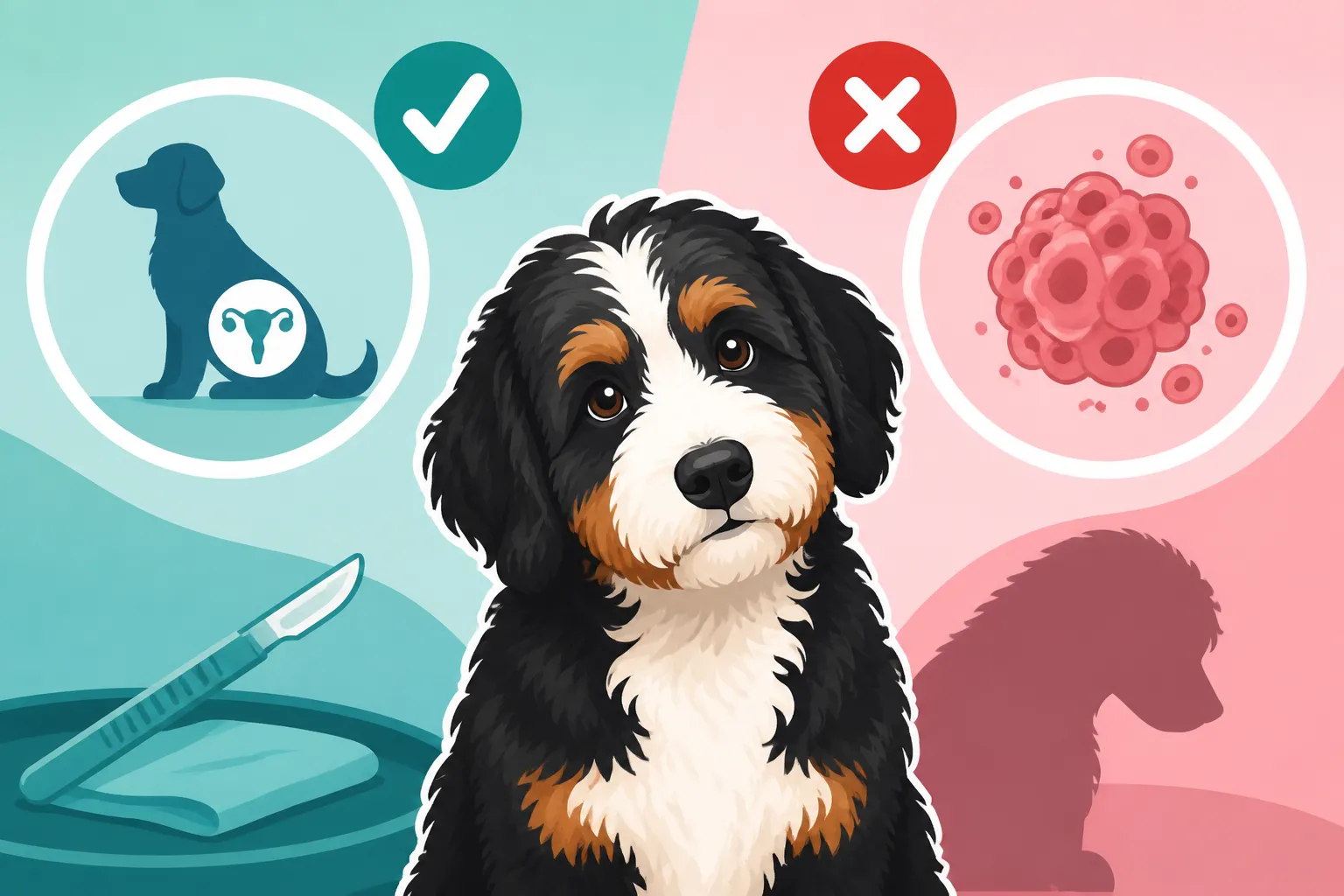
Let's start with the undisputed benefit: spaying significantly reduces the risk of mammary tumors. These are the most common type of cancer in intact female dogs, and about half of them are malignant. The protective effect is most pronounced when a female is spayed before her first heat cycle. The statistics are quite compelling: spaying before the first heat reduces the risk to almost zero, while spaying after one heat still offers significant protection (around 8% risk compared to intact females), and after two heats, the protective effect diminishes even further (around 26% risk). This is largely because each heat cycle exposes the mammary tissue to a surge of hormones that can promote tumor development. For those worried about The Cancers That Take Bernedoodles Most Often, this particular benefit of spaying remains a strong argument for the procedure.
Increased Risk of Other Cancers
Here's where the waters get a bit murkier and the source of much anxiety for owners. Several studies, particularly those focusing on large and giant breeds, have indicated a potential link between early spaying and an increased risk of certain cancers, specifically osteosarcoma (bone cancer) and hemangiosarcoma (cancer of the blood vessel lining). While the overall risk increase might seem small in percentage points, for breeds already predisposed to these cancers, like the Bernese Mountain Dog side of our Bernedoodles, any increase is a serious concern.
For example, a study by Dr. Benjamin Hart and his team at UC Davis examined the health records of thousands of dogs, including Golden Retrievers, Labrador Retrievers, and German Shepherds. Their findings often highlighted that dogs spayed or neutered early had a statistically higher incidence of certain cancers compared to their intact counterparts. While direct studies on Bernedoodles are less extensive, given their Bernese heritage, these findings provide a crucial lens through which to consider the implications for our beloved companions. It's a scary thought to consider that trying to prevent one cancer might inadvertently increase the risk of another, often more aggressive, type.
The "Goldilocks" Window for Bernedoodles
Given the conflicting information, many veterinarians and researchers are now advocating for a more individualized approach to spay/neuter timing, particularly for large breeds. For Bernedoodles, this often means considering delaying spaying until after the dog has reached full skeletal maturity, which can be anywhere from 12 to 24 months of age. The idea is to allow the growth plates to close naturally under the influence of hormones, potentially reducing the risk of joint disorders like hip and elbow dysplasia, which can be exacerbated by early spaying.
Furthermore, some research suggests that waiting until after the first or even second heat cycle might offer a more balanced approach to cancer risk. The theory is that allowing some hormonal exposure might reduce the risk of osteosarcoma and hemangiosarcoma, while still achieving a significant reduction in mammary tumor risk. This isn't a simple calculation, as every heat cycle does increase the risk of mammary tumors slightly, but for many owners, finding that "Goldilocks" window — not too early, not too late — feels like the right compromise. Of course, this means extra vigilance to prevent unwanted pregnancies during this period. Discussions with your vet, considering your specific Bernedoodle's growth rate and family history, are paramount in making this highly personal decision. Many responsible breeders, when discussing The Five Clearances a Bernedoodle Breeder Should Have, will also often discuss optimal spay/neuter timing.
Beyond Cancer: Other Health Considerations
While cancer risk is a major concern for many Bernedoodle owners considering spay/neuter timing, it's essential to understand that hormonal influences extend far beyond just oncological health. The decision to spay, and especially when to spay, can have a ripple effect on various other aspects of your Bernedoodle's well-being, from their joint health to their weight and even their cognitive function. This holistic view helps paint a more complete picture, moving beyond a singular focus on cancer and embracing the entirety of your dog's health.
Orthopedic Issues and Joint Health
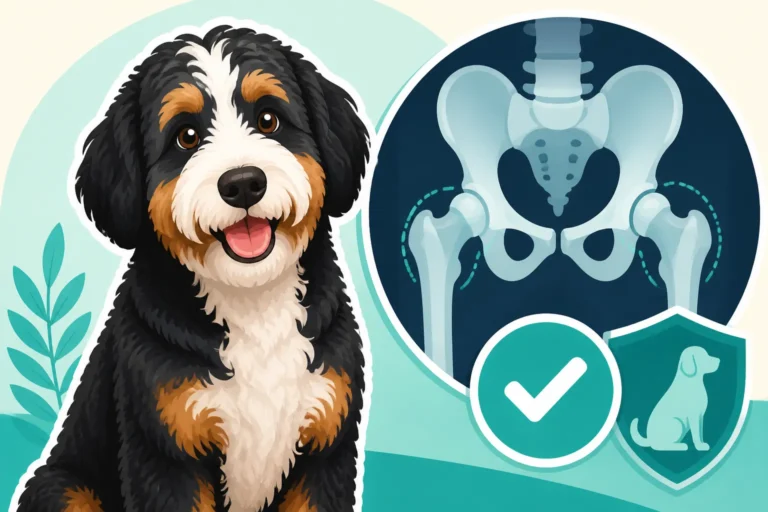
This is a big one for Bernedoodles. Both the Bernese Mountain Dog and Standard Poodle parents are prone to orthopedic issues such as hip and elbow dysplasia, and ligament tears. When a Bernedoodle is spayed too early, before their growth plates have naturally fused, the absence of sex hormones can cause these plates to remain open longer. This prolonged growth can lead to bones growing to slightly abnormal lengths and shapes, which in turn can alter joint conformation and increase the laxity in joints. This increased laxity has been statistically linked to a higher incidence of cranial cruciate ligament (CCL) tears (a common knee injury), hip dysplasia, and elbow dysplasia in studies involving large breed dogs. Imagine a large, energetic Bernedoodle, already carrying significant weight, having compromised joints because of a timing decision made when they were just a puppy. This is why some owners opt to wait until their Bernedoodle is at least 18-24 months old, when growth plate closure is more likely complete, hoping to reduce their risk of conditions that might otherwise lead to costly surgeries like The Price of Cruciate Surgery on a Ninety Pound Bernedoodle.
Weight Management and Metabolic Changes
Spaying or neutering removes the reproductive organs, which are major producers of hormones that influence metabolism and appetite. After the procedure, it's very common for a dog's metabolism to slow down, while their appetite might actually increase. This combination often leads to weight gain if not carefully managed. For a Bernedoodle, who already has a tendency towards a cuddly physique and a love for food, this can be a serious issue.
Being overweight or obese isn't just about aesthetics; it carries significant health risks. Excess weight puts additional strain on joints, exacerbating any pre-existing or potential issues like arthritis or dysplasia. It also increases the risk of other health problems like diabetes, heart disease, and even certain types of cancer. Managing your Bernedoodle's weight effectively after spaying will be crucial to their long-term health, as even a few extra pounds can shave years off their lifespan. Understanding Whether an Overweight Bernedoodle Loses Years is vital for responsible ownership. Regular exercise and a carefully controlled diet become even more important following the surgery.
Other Potential Health Risks and Benefits
The impact of spaying timing extends to other areas of health as well. For instance, studies have shown an increased risk of urinary incontinence in females spayed early, a condition that can be frustrating for both dog and owner. There's also some research suggesting a potential link between early spaying and an increased risk of hypothyroidism, a common endocrine disorder in dogs.
On the flip side, beyond the mammary cancer prevention we discussed, spaying completely eliminates the risk of pyometra, a life-threatening uterine infection common in intact older females, and uterine or ovarian cancers. It also removes the behavioral challenges and mess associated with heat cycles, which can be a huge relief for many households. The decision truly boils down to balancing a complex web of risks and benefits. It’s a discussion that should always involve your veterinarian, considering your individual dog's health, temperament, and your lifestyle. Thinking ahead about What Changes in a Bernedoodle After Eight and how these decisions impact their senior years can also be incredibly helpful.
Making an Informed Spaying Decision for Your Bernedoodle
Navigating the complexities of spay timing for your Bernedoodle can feel overwhelming, like trying to solve a puzzle with missing pieces. There's no single, universally perfect answer, and what's right for one dog might not be ideal for another. The best approach involves weighing the knowns, acknowledging the unknowns, and having open, honest conversations with your trusted veterinary team.
Consulting with Your Veterinarian
Your veterinarian is your most valuable resource in this decision-making process. They know your Bernedoodle's individual health history, temperament, and growth trajectory. Don't be afraid to come prepared with questions about the pros and cons of different timings specifically for large breeds and Bernedoodles. Ask about the prevalence of certain cancers or orthopedic issues in your area, and how the timing of spaying might impact your dog given their specific genetic background (if known through parental health clearances).
A good vet will discuss not just the cancer risks, but also the orthopedic implications, the behavioral aspects, and the practicalities of managing an intact female through heat cycles if you choose to delay. They can help you understand the nuances, such as the potential for Whether a Bernedoodle Lives Longer Than a Bernese and how spay timing might influence that. Together, you can create a timeline that feels right for your family and your Bernedoodle. Some vets might even suggest blood tests to assess hormonal levels or joint X-rays to check growth plate status if you're considering a later spay.
Weighing the Risks and Benefits
To help organize your thoughts, consider a structured approach to comparing the different options. Here’s a table outlining some of the key risks and benefits associated with early versus delayed spaying for Bernedoodles:
| Feature/Risk/Benefit | Early Spaying (e.g., < 12 months) | Delayed Spaying (e.g., 18-24+ months) |
|---|---|---|
| Mammary Cancer Risk | Significantly reduced (almost eliminated if before 1st heat) | Still significantly reduced, but slightly higher with each heat |
| Pyometra Risk | Eliminated | Eliminated post-surgery, but present while intact |
| Unwanted Pregnancy Risk | Eliminated | Present until surgery; requires strict management during heats |
| Urinary Incontinence | Potentially increased risk | Potentially reduced risk (compared to early spay) |
| Orthopedic Issues | Potentially increased risk (CCL tears, hip/elbow dysplasia) | Potentially reduced risk (allows growth plates to close naturally) |
| Osteosarcoma Risk | Some studies suggest potentially increased risk in large breeds | Some studies suggest potentially reduced risk in large breeds |
| Hemangiosarcoma Risk | Some studies suggest potentially increased risk in large breeds | Some studies suggest potentially reduced risk in large breeds |
| Weight Gain Tendency | Possible, due to metabolic changes post-surgery | Possible, due to metabolic changes post-surgery |
| Behavioral Changes | Anecdotal reports of increased fear/aggression in some breeds; mixed data | Less clear correlation; individual dog dependent |
| Owner Convenience | One-time surgery, no heat cycle management | Requires managing heat cycles, potential for "mess" |
Remember, this table provides generalizations. Your Bernedoodle's unique genetics, environment, and lifestyle will all play a role. For example, if your Bernedoodle is generally a laid-back homebody, the risk of accidental pregnancy during delayed spaying might be lower than for a high-energy dog in a multi-dog household.
The Role of Pet Insurance
Regardless of when you decide to spay or neuter, having a good pet insurance policy can provide immense peace of mind. While most pet insurance plans, like those offered by Healthy Paws, won't cover the elective spay surgery itself, they can be a lifeline if your Bernedoodle does develop a serious health condition later in life, whether it's cancer, a torn cruciate ligament, or another unexpected illness. Policies vary, so it's essential to understand Whether Cancer Cover Is Worth It on a Bernedoodle and check the specifics, including waiting periods and exclusions, before issues arise.
When looking at pet insurance for a Bernedoodle, consider that they are a large breed with potential predispositions to certain health issues from both parent lines. A good policy can help cover diagnostics, treatments, and even emergency care for conditions that might develop years after your spay/neuter decision. This financial safety net can alleviate some of the stress associated with potential health risks, allowing you to focus on getting your dog the best possible care. For instance, Whether Hip and Elbow Disease Is Excluded on a Bernedoodle is a crucial question to ask your potential insurer, especially given the breed's predispositions and the discussions around spay timing. Planning for the unexpected is just another part of being a responsible Bernedoodle parent. Keeping a Bernedoodle Sound Past Ten often involves significant veterinary care, and insurance can make that manageable.
Final Thoughts on Bernedoodle Spay Timing
The decision of when to spay your Bernedoodle is a deeply personal one, tinged with a blend of hope for a long, healthy life and anxiety over making the "wrong" choice. What’s clear is that there is no universal right answer that fits every single dog. While early spaying offers undeniable protection against mammary cancer and pyometra, emerging research, particularly for larger and giant breeds, suggests that delaying the procedure might offer benefits in reducing the risk of certain orthopedic conditions and potentially other types of cancer.
Ultimately, your goal is to find the balance that minimizes risks and maximizes the overall well-being of your unique Bernedoodle. This involves careful consideration of your dog's individual genetics, growth rate, temperament, and your family's lifestyle. Having thorough and candid conversations with your veterinarian, armed with questions and a desire to understand the full picture, is the most crucial step. They can help you sift through the data and make a choice that is truly in the best interest of your furry companion. The Average Age a Bernedoodle Reaches can be influenced by many factors, and spay/neuter timing is certainly one of them.
Disclaimer
This article is intended for informational purposes only and does not constitute veterinary advice. Always consult with a qualified veterinarian for any health concerns or before making any decisions about your pet's medical care.