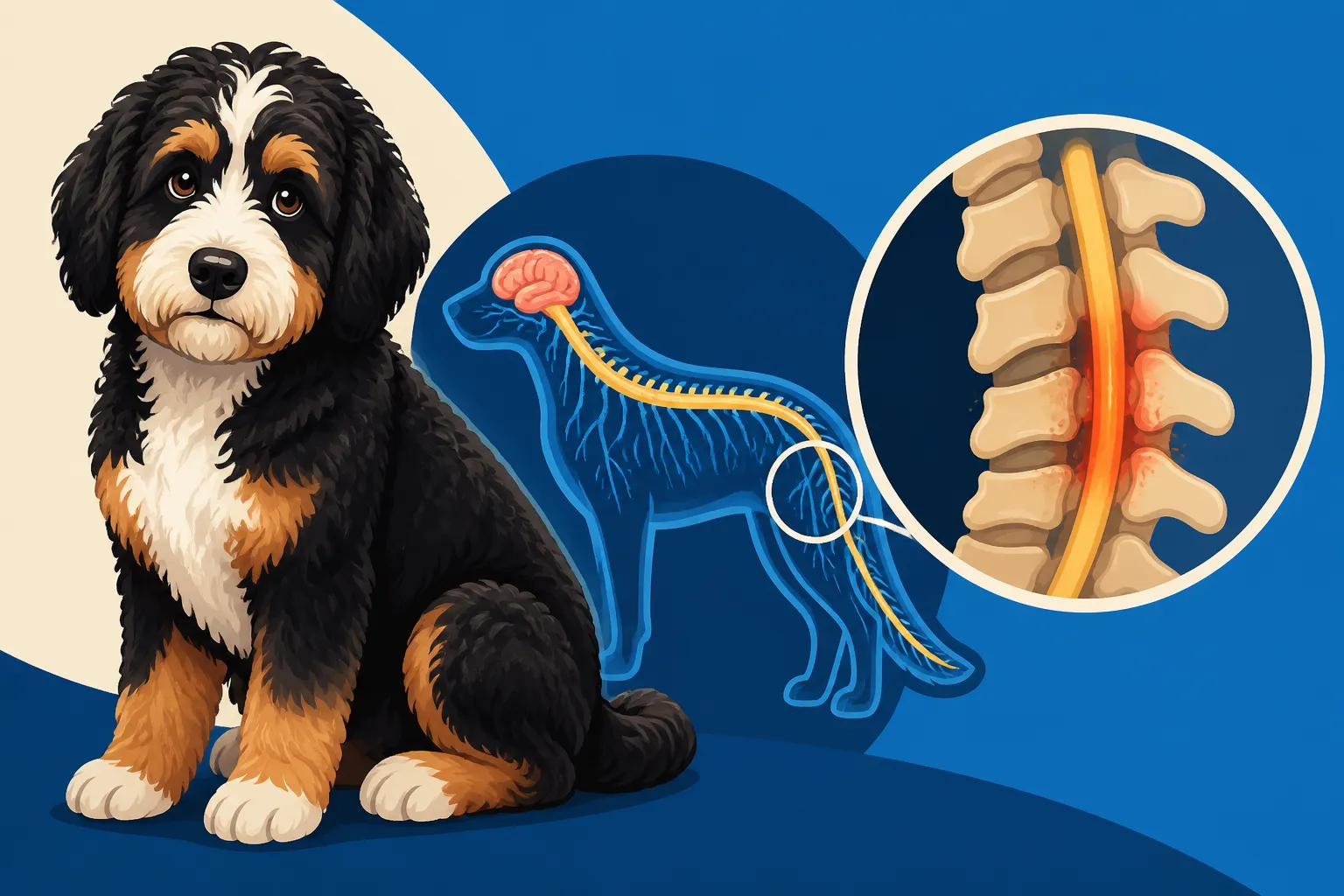
The Age Degenerative Myelopathy Appears in a Bernedoodle
It’s absolutely heartbreaking to see your beloved Bernedoodle, a dog known for its zest for life and often goofy antics, start to slow down. One day they're bounding through the park, and the next, you notice a slight drag in their step, a wobble that wasn't there before. This can send any dedicated owner into a spiral of worry, wondering what’s happening and if there’s anything you can do. This guide is here to shed light on Degenerative Myelopathy (DM), a neurological condition that can affect Bernedoodles, focusing specifically on when you might begin to see its unwelcome signs.
Understanding Degenerative Myelopathy in Bernedoodles
Degenerative Myelopathy, or DM, is a phrase that can strike fear into the hearts of many dog owners, especially those with breeds known to be susceptible. It's a progressive, incurable neurological disease affecting the spinal cord, and it's particularly insidious because its early symptoms can mimic other, more common conditions. For Bernedoodle owners, understanding DM means understanding its genetic roots and how it progresses.
What Exactly Is DM?
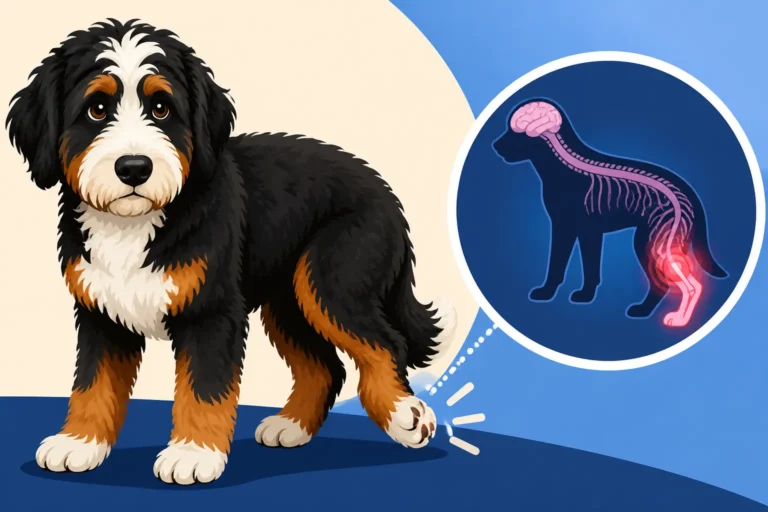
At its core, DM is a degenerative disease of the white matter of the spinal cord. Think of your dog's spinal cord like a superhighway for signals traveling between the brain and the body, particularly the limbs. The white matter contains the "insulation" (myelin) around these nerve fibers. In DM, this insulation starts to break down, and the nerve fibers themselves begin to degenerate. This means the signals from the brain to the hind limbs get disrupted, leading to a loss of coordination and weakness. It's often likened to Amyotrophic Lateral Sclerosis (ALS) in humans because of its progressive nature and the way it steals mobility without typically affecting a dog's cognitive function or their happy, loving personality.
The disease typically starts in the thoracic (mid-back) region of the spinal cord, which is why you’ll first notice problems in the rear legs. It doesn't usually cause pain, which, while a small comfort, can also make it harder to initially diagnose as your dog won't cry out in discomfort. Instead, it’s a relentless march towards paralysis, eventually impacting the ability to walk, stand, and even control bladder and bowel functions. It's a truly tough diagnosis to receive, but knowing what it entails can help you prepare and provide the best possible quality of life for your furry family member.
The Genetic Link: SOD1 Gene
Unlike many health issues that can be influenced by diet or environment, Degenerative Myelopathy has a strong, identifiable genetic component. It's primarily associated with a mutation in the SOD1 gene. This isn't just a Bernedoodle thing; it's seen across many breeds, including the Bernese Mountain Dog and the Poodle, making it a critical consideration for our beloved crossbreed.
For a Bernedoodle to be at risk of developing DM, they need to inherit two copies of this mutated gene – one from each parent. This is why when we talk about Degenerative Myelopathy Both Bernedoodle Parents Can Carry, it's not just hypothetical; it's a very real concern. A dog that inherits one mutated gene and one normal gene is considered a "carrier." Carriers usually don't develop DM themselves, but they can pass the mutated gene on to their puppies. If two carriers are bred together, there's a 25% chance with each puppy that it will inherit two copies of the mutated gene and thus be at risk for DM.
This genetic understanding is why responsible breeders emphasize The SOD1 Test Both Bernedoodle Parents Need. Knowing the genetic status of parent dogs (clear, carrier, or at-risk) is absolutely crucial in preventing at-risk puppies from being born. If you're looking for a puppy, always ask to see the genetic health clearances for both parents, including their SOD1 status. This simple test is a powerful tool in mitigating the heartache that comes with DM.
When Does DM Typically Show Up in Bernedoodles?
This is the question that keeps many Bernedoodle owners up at night: when will I see it, if it's going to happen? The timing of DM onset can be incredibly varied, but there are some general patterns we can observe in Bernedoodles and other susceptible breeds.
Average Age of Onset
For most dogs who eventually develop Degenerative Myelopathy, the signs don't usually appear in their puppyhood or even young adulthood. DM is overwhelmingly a disease of middle to older age. In Bernedoodles, you're most likely to start noticing symptoms when your dog is between 8 and 14 years old.
It's a really broad range, isn't it? That's because every dog is an individual, even within the same breed and with the same genetic predisposition. Some might show very subtle signs right around their 8th birthday, making you wonder if it's just What Changes in a Bernedoodle After Eight, while others might not start declining until they're closer to 12 or 13. This late onset often means that owners have had many wonderful years with their Bernedoodle before facing this challenge. However, it also means that initial symptoms can easily be mistaken for normal aging, general weakness, or other age-related conditions.
Consider a typical scenario: your beloved standard Bernedoodle, "Gus," is nearing his tenth birthday. He's always been a strong, active dog, but lately, you've noticed he's a bit wobbly when he stands up after a nap. He might trip over his own feet more often on walks, or his nails on his back paws seem more worn than usual. These seemingly minor issues, if progressive, could be the very first whispers of DM.
Early vs. Late Manifestation
While the 8-14 year window is typical, there can be some variance. It's rare, but not impossible, for a Bernedoodle to show signs of DM a bit earlier, perhaps around 6 or 7 years of age. Conversely, some dogs might not exhibit clear symptoms until they are quite elderly, well into their double-digit years.
What contributes to this difference? The severity of the genetic mutation might play a role, or perhaps other unknown genetic or environmental factors. It’s important to remember that even if a Bernedoodle has two copies of the mutated SOD1 gene, it doesn't guarantee they will develop DM, nor does it dictate a precise timeline. It simply means they are at risk. The penetrance of the gene (the likelihood that an at-risk dog will actually show symptoms) isn't 100%, and the progression rate also varies significantly.
This variability underscores why regular vet check-ups are so crucial, especially as your Bernedoodle ages. An observant vet might pick up on subtle neurological signs before they become obvious to you, allowing for earlier investigation and management planning.
Why Age Varies
The exact mechanism behind the varying age of onset and progression rate in DM-affected dogs is not fully understood, but it's likely a complex interplay of factors:
- Genetic Modifiers: There might be other genes that influence how quickly the SOD1 mutation expresses itself or how rapidly the disease progresses. These "modifier genes" could either accelerate or slow down the onset of symptoms.
- Environmental Factors: While DM is largely genetic, some researchers theorize that environmental triggers or lifestyle factors might play a minor role in symptom onset or progression, though concrete evidence is still emerging. For instance, some theorize that certain toxins or inflammatory conditions could potentially exacerbate the disease process, but this is not definitively proven.
- Individual Physiology: Just like people, every dog's body reacts and adapts differently. Some Bernedoodles might have a naturally more robust nervous system or compensatory mechanisms that allow them to mask symptoms longer.
- Disease Progression Rate: Once symptoms begin, the rate at which DM progresses can also differ widely. Some Bernedoodles might decline rapidly over six months, while others might have a much slower, gradual decline over several years. This means two dogs who start showing signs at the same age might have vastly different journeys with the disease.
Given these variables, it's impossible to predict with certainty when or if an at-risk Bernedoodle will develop DM. The best we can do is be vigilant, understand the signs, and provide the best possible care when and if they do emerge.
Recognizing the First Signs of DM
Catching the early signs of Degenerative Myelopathy can be challenging because they are often subtle and can easily be attributed to other common ailments of aging dogs, such as Arthritis in a Bernedoodle at Eight or even just a particularly tiring walk. However, knowing what to look for can help you advocate for your dog and seek veterinary attention sooner rather than later.
Subtle Changes in Gait and Movement
The hallmark of early DM is typically a progressive weakness and lack of coordination in the hind limbs. This isn't an overnight collapse; it's a gradual, insidious creep. You might first notice things like:
- Scuffing Paws: This is a big one. Your Bernedoodle might start dragging their back paws slightly, leading to excessive wear on the top of their nails, especially the middle two, or the top of their paw. You might even hear their nails scraping the ground more often. This happens because they're losing the ability to correctly lift their feet.
- Wobbling or Swaying: When standing still, especially after exertion, your dog might sway slightly in the hindquarters. Their stance might become wider as they try to gain more stability.
- Uncoordinated Steps: Their back legs might seem to move independently or "cross over" each other occasionally. They might stumble or trip on flat surfaces, or struggle with uneven terrain, making it seem like Whether a Bernedoodle Dragging a Back Foot Has DM.
- Difficulty with Stairs or Jumping: Tasks that were once easy, like climbing stairs, getting into the car, or jumping onto the couch, become noticeably harder. They might hesitate, need assistance, or avoid them altogether.
- Loss of Muscle Mass: Over time, you might notice that the muscles in their hindquarters appear to be wasting away. This isn't just weight loss; it's specific muscle atrophy.
These signs often start mildly in one hind leg and then progress to affect both, eventually leading to more significant mobility issues. It's crucial to pay attention to any persistent or worsening changes, even if they seem minor. Keep a journal of observed symptoms and their progression to share with your vet.
Differentiating DM from Other Conditions
Here's where it gets really tricky and often frustrating for owners. Many of the early symptoms of DM are identical to those of other common orthopedic and neurological conditions that affect older, large-breed dogs. This makes definitive diagnosis challenging.
Here's a quick comparison table of common conditions often confused with DM:
| Condition | Typical Onset | Key Differentiating Factors | How It Appears Similar to DM |
|---|---|---|---|
| Degenerative Myelopathy (DM) | 8-14 years | Non-painful hind limb weakness, proprioceptive deficits (knuckling), symmetric progression, often no spinal pain on palpation. | Progressive hind limb weakness, ataxia (uncoordinated movement), difficulty rising. |
| Hip Dysplasia | Early/Any | Often painful, reluctance to move, "bunny hopping" gait, diagnostic X-rays show joint changes. | Hind limb weakness, difficulty rising, reluctance to run/jump. |
| Arthritis (Osteoarthritis) | Middle/Old age | Painful joints, stiffness, worsens in cold/damp weather, responds to anti-inflammatories, X-rays show joint degeneration. | Stiffness, limping, difficulty with stairs/jumping, reduced activity. |
| IVDD (Intervertebral Disc Disease) | Any age | Often acute onset, can be very painful, hunched back, knuckling, paralysis; diagnostic MRI/CT can confirm disc herniation. | Hind limb weakness, knuckling, paralysis (in severe cases). |
| CCL (Cruciate Ligament) Injury | Any age | Sudden lameness in one hind leg, "toe-touching" gait, positive "cranial drawer" test. | Hind leg weakness/lameness (though usually acute and unilateral initially). |
A definitive diagnosis of DM can only be confirmed post-mortem by examining spinal cord tissue. However, your vet will perform a thorough neurological exam looking for specific deficits, such as a loss of proprioception (the awareness of where their limbs are in space, often tested by "knuckling over" a paw and seeing how quickly they correct it). They will also run other tests, including X-rays to rule out Hips on a Ninety Pound Bernedoodle issues or Elbow Dysplasia in a Growing Bernedoodle that might be causing similar symptoms. Blood tests can rule out other systemic diseases. Sometimes, an MRI of the spine might be recommended to rule out treatable conditions like disc compression.
This diagnostic journey can be extensive and costly, and it’s a time when having robust pet insurance like Healthy Paws can really make a difference. Knowing that you can pursue all necessary tests without immediate financial strain allows you to focus on getting answers for your beloved Bernedoodle. While DM itself isn't treatable, a definitive diagnosis (even if it's ruling out other things) helps you understand what you're dealing with and plan for your Bernedoodle's future care. For more on distinguishing DM from hip issues, check out Telling DM From Hip Disease in a Bernedoodle.
Managing Life with a Bernedoodle Diagnosed with DM
Receiving a presumptive diagnosis of Degenerative Myelopathy is devastating. It's an emotional blow, knowing that your beloved dog is facing a progressive, incurable disease. However, it's not a death sentence, and with thoughtful management and unwavering love, you can significantly enhance your Bernedoodle's quality of life as they navigate the challenges of DM.
Supporting Your Dog Through Progression
While there’s no cure for DM, the focus shifts entirely to supportive care, maximizing comfort, and maintaining mobility for as long as possible. This often involves a multi-faceted approach:
- Physical Therapy: This is perhaps the most crucial intervention. Regular physical therapy sessions, often with a certified canine rehabilitation therapist, can help maintain muscle mass, flexibility, and hind-limb function. Exercises might include passive range of motion, controlled walking on an underwater treadmill, balance exercises, and therapeutic massage. This won't stop the progression of DM, but it can significantly slow muscle atrophy and keep your Bernedoodle stronger for longer. Think of it as keeping the remaining "superhighway" connections as clear and functional as possible.
- Assistive Devices: As weakness progresses, your Bernedoodle will benefit immensely from various aids.
- Slings and Harnesses: A rear-support harness, like those from Help'EmUp or Ruffwear, can be indispensable. These allow you to provide crucial support to their hindquarters when they need to stand, walk, or go potty. This takes pressure off their weakening legs and prevents falls.
- Booties/Paw Protection: Because they may scuff their paws, protective booties can prevent scrapes, sores, and uneven nail wear. These are a simple but effective way to ensure comfort.
- Wheelchairs and Carts: These devices are absolute game-changers for dogs with advanced DM, allowing them to remain active and enjoy walks even when their hind legs are no longer functional. Brands like Eddie's Wheels or Walkin' Pets offer custom-fit wheelchairs that can give your Bernedoodle a renewed sense of independence and joy. This is precisely what we explore in Wheelchairs and Carts for a Bernedoodle With DM.
- Environmental Modifications: Making your home DM-friendly is paramount.
- Rugs and Runners: Hard, slippery floors are a nightmare for a dog with hind-limb weakness. Lay down rugs, yoga mats, or runners to provide traction, especially in high-traffic areas.
- Ramps and Steps: Replace stairs with ramps for access to beds, couches, or cars. Even small steps can become insurmountable obstacles.
- Comfortable Bedding: Orthopedic beds provide better support for their joints and help prevent pressure sores if they become less mobile.
- Nutritional Support: While diet won't cure DM, ensuring your Bernedoodle is on a high-quality, balanced diet is always important. Some owners discuss supplements like Omega-3 fatty acids or antioxidants with their vet, as these can support overall neurological health.
- Bladder and Bowel Management: In later stages, DM can affect bladder and bowel control. Your vet can guide you on managing incontinence, which might involve scheduled potty breaks, "expressing" the bladder, or using doggy diapers. Maintaining hygiene is crucial to prevent skin infections.
This comprehensive approach to care is intensive, both in terms of time and resources. Vet visits, physical therapy, and specialized equipment can add up. Pet insurance, such as a comprehensive policy from Healthy Paws, can be a significant help in covering these ongoing medical and rehabilitative expenses, allowing you to prioritize your Bernedoodle's comfort and well-being without constant financial worry. It truly offers peace of mind during a challenging time. For more on keeping your dog comfortable, consider Whether a Bernedoodle With DM Can Be Kept Comfortable.
The Emotional Toll on Owners
Let’s be honest: living with and caring for a dog with a progressive disease like DM is incredibly tough. It's emotionally draining to watch a once-vibrant companion slowly lose their mobility. There are days filled with frustration, sadness, and overwhelming love. You're not alone in feeling this way.
It’s crucial to acknowledge your feelings and give yourself grace. This journey will test your patience and your heart. Seek support from your veterinary team, who can offer practical advice and emotional understanding. Connect with online forums or local groups of owners managing similar conditions; sharing experiences and tips can be invaluable. Remember that the quality of life you provide, filled with love, dignity, and comfort, is the most profound gift you can give your Bernedoodle. Even as their body weakens, their spirit and their bond with you remain strong. Cherish every moment, adapt as needed, and know that your dedication makes an immeasurable difference.
Disclaimer
The information provided in this article is for general informational purposes only and is not a substitute for professional veterinary advice. Always consult with a qualified veterinarian for any health concerns or before making any decisions related to your pet's health or treatment.