When a Bernedoodle’s Hips Can Be Certified
When you welcome a Bernedoodle puppy into your home, you're not just getting an adorable, fluffy companion; you're also taking on the responsibility of safeguarding their long-term health. One of the biggest worries for any Bernedoodle owner, particularly given their Bernese Mountain Dog heritage, revolves around hip health. Navigating the world of hip certification can feel overwhelming, with questions about timing, methods, and what it all means for your beloved dog. This guide is here to walk you through exactly when and why Bernedoodle hips can be certified, helping you make informed decisions for your furry family member.
Understanding Hip Health in Bernedoodles: Why It Matters So Much
It's no secret that the Bernedoodle is a crossbreed that brings together some truly wonderful traits. You get the intelligence and low-shedding potential of the Poodle, combined with the gentle, goofy, and loyal nature of the Bernese Mountain Dog. But with these incredible qualities, we also inherit the potential for certain health challenges, and hip dysplasia is often at the top of that list.
The Genetic Blueprint: Bernese and Poodle Contributions
Let's be real: when you hear "Bernese Mountain Dog," your mind probably jumps to their loving demeanor and impressive size. But it's also crucial to remember their predispositions. Bernese Mountain Dogs, as a breed, have a notably higher incidence of hip and elbow dysplasia compared to many other breeds. It’s simply a fact of their genetic makeup. They are prone to these structural issues, and it's something responsible breeders work tirelessly to mitigate.
Now, the Poodle side of your Bernedoodle's family tree typically brings a somewhat healthier hip record, but they aren't entirely immune. Standard Poodles can also be affected by hip dysplasia, albeit usually at a lower rate than Bernese Mountain Dogs. The hope with a crossbreed like the Bernedoodle is often that "hybrid vigor" will reduce the incidence of these conditions. While a well-bred Bernedoodle can have a lower risk than a purebred Bernese, they are far from immune. The genetic dice are still being rolled, and those Bernese genes still play a significant role. This is precisely why understanding and planning for proper screening is so vital. It's about acknowledging the potential challenges and proactively addressing them.
The Realities of Hip Dysplasia: More Than Just a "Bad Hip"
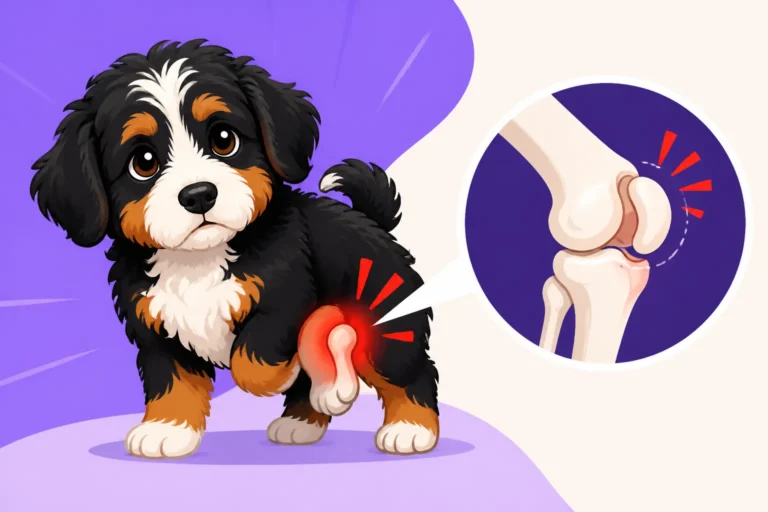
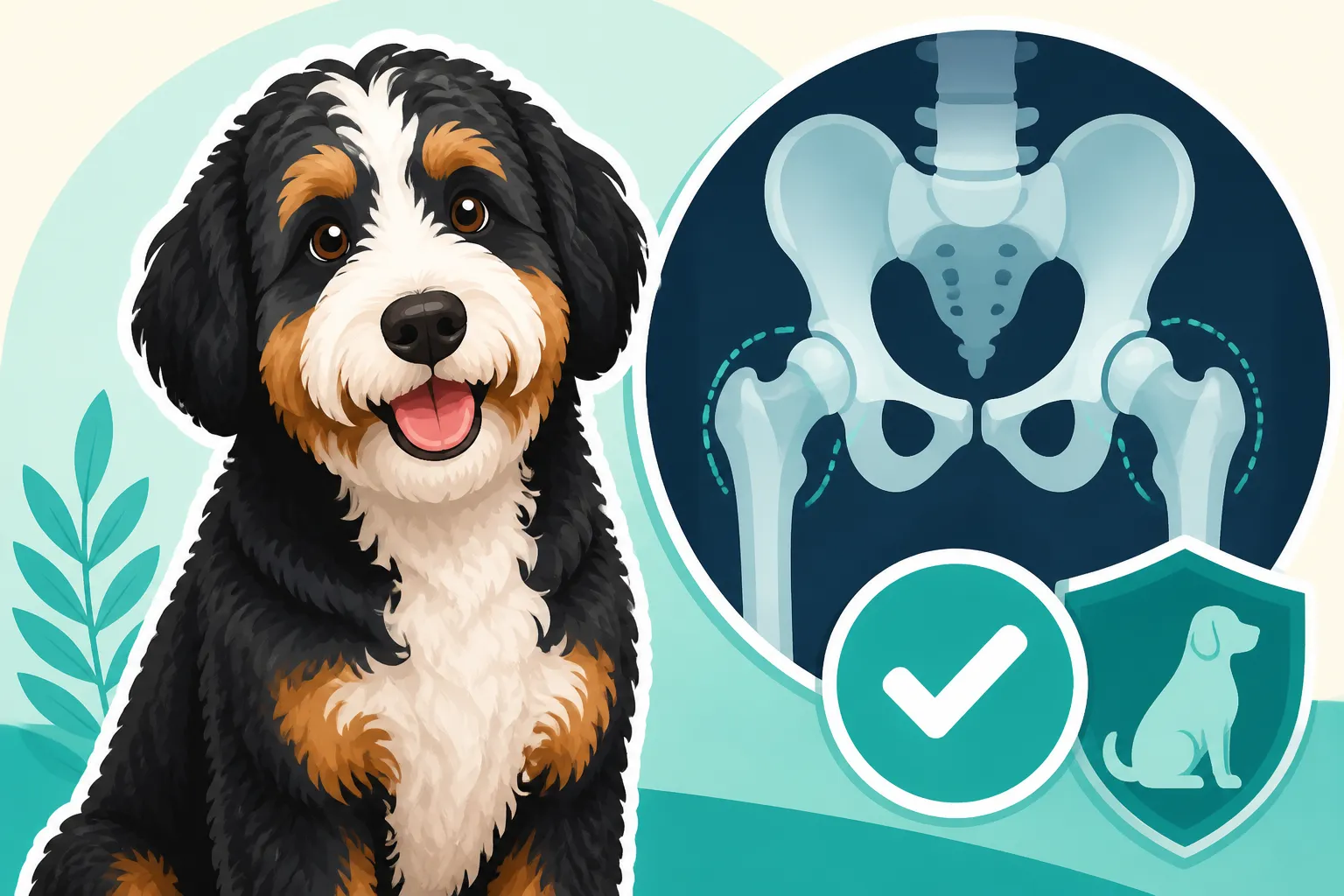
When we talk about hip dysplasia, it's easy to just think of it as a dog having "bad hips." But it's much more complex and, frankly, heartbreaking than that. Hip dysplasia is a condition where the hip joint, which is a ball-and-socket joint, doesn't form correctly. The "ball" (the head of the femur) and the "socket" (the acetabulum of the pelvis) don't fit snugly. Instead, they fit loosely, or one or both are malformed.
This improper fit leads to instability in the joint. Over time, as your Bernedoodle moves, the abnormal contact and friction cause wear and tear on the cartilage and bone. This irritation and damage lead to inflammation, pain, and eventually, the degenerative joint disease we know as arthritis. Imagine walking around every day with a shoulder that keeps partially dislocating, grinding bone on bone. That's essentially what a dog with severe hip dysplasia experiences.
The impact on your Bernedoodle's quality of life can be profound. They might show signs as early as puppyhood, or it could manifest later in life as painful arthritis. Symptoms can include lameness, difficulty rising, a reluctance to run, jump, or climb stairs, a "bunny hop" gait when they run, or even just a general stiffness after rest. For a large, active dog like a Bernedoodle, this can drastically reduce their mobility and joy. It’s a progressive condition, meaning it often gets worse without intervention, leading to chronic pain that no loving owner wants their dog to endure. Knowing this underscores why proper hip certification isn't just a formality for breeders; it's a critical step in safeguarding your Bernedoodle's comfort and long-term well-being.
The Timeline for Bernedoodle Hip Certification: When to Act
So, you understand the importance of hip health. Now, the big question is: when can you actually get your Bernedoodle's hips certified? It's not a one-size-fits-all answer, and there are different stages and types of evaluations to consider.
Preliminary Evaluations: Getting an Early Look
While official hip certifications generally require a certain level of skeletal maturity, there are options for preliminary evaluations, especially for breeders who want an early indication or for owners who have concerns about their puppy's gait. Some veterinarians or specialized orthopedic vets might perform preliminary X-rays as early as 4-6 months of age.
These preliminary evaluations can offer a glimpse into the developing hip joints. They can sometimes identify severe cases of dysplasia early on, which can be crucial for making informed decisions about a puppy's future, particularly for breeders who need to assess their potential breeding stock. However, it's vital to understand that these preliminary results are not definitive certifications. A puppy's bones are still growing and developing rapidly, so the joint laxity or formation seen at a young age can change as they mature. A "good" preliminary result doesn't guarantee a perfect final certification, and conversely, a "fair" or "mild" preliminary can sometimes improve. These early X-rays are more for guidance and identifying red flags, rather than providing a final verdict. If you're observing symptoms like a "bunny hop" gait in a young Bernedoodle, an early evaluation could provide peace of mind or prompt early intervention strategies.
Official Certification: The Golden Window for OFA and PennHIP
For official, binding hip certification, both the Orthopedic Foundation for Animals (OFA) and PennHIP have specific age requirements designed to ensure the most accurate assessment of a dog's hip health. These ages are chosen because, by then, a dog's skeleton has reached a level of maturity where the hip joint's structure is largely stable and can be reliably evaluated.
-
OFA (Orthopedic Foundation for Animals): For official OFA certification, your Bernedoodle must be 24 months (2 years) of age or older. This is because at two years, most large breed dogs have completed their major skeletal growth. X-rays taken before this age are considered preliminary and will not receive an official OFA certification number that is recorded in their public database. The OFA method involves a single, extended hip view X-ray, which is then evaluated by three independent board-certified veterinary radiologists who assign a grade (Excellent, Good, Fair, Borderline, Mild, Moderate, Severe). Only "Excellent," "Good," and "Fair" are considered passing grades for breeding purposes.
-
PennHIP: PennHIP offers a different methodology and, as a result, has a lower age requirement for official evaluation. Your Bernedoodle can undergo PennHIP evaluation as early as 16 weeks (4 months) of age. This earlier window is a significant advantage for breeders, as it allows them to assess potential breeding stock much sooner. The PennHIP method involves three distinct X-ray views: a standard extended view, a compression view, and a distraction view. The distraction view is key, as it measures the passive laxity (looseness) of the hip joint, which is a strong predictor of whether a dog will develop osteoarthritis later in life. The results are presented as a Distraction Index (DI), which is a numerical value, and the dog's hips are ranked against other dogs of the same breed.
Choosing between these methods often depends on your specific goals. If you're a breeder looking for early assessment, PennHIP might be your preference. If you're aiming for the widely recognized OFA clearances and don't mind waiting, that's another excellent option. Many breeders will use both or choose one based on their program's focus. The key takeaway is that for a definitive, recognized certification, waiting until at least two years of age for OFA or four months for PennHIP is essential.
Here’s a quick overview of the main differences:
| Feature | OFA (Orthopedic Foundation for Animals) | PennHIP (University of Pennsylvania Hip Improvement Program) |
|---|---|---|
| Minimum Age | 24 months (2 years) for final certification | 16 weeks (4 months) |
| Primary Focus | Phenotypic assessment of hip quality | Quantitative measurement of hip laxity |
| X-ray Views | One standard extended view (legs extended) | Three views: extended, compression, and distraction |
| Interpretation | Subjective grading by 3 radiologists (Excellent to Severe) | Objective, numerical Distraction Index (DI) and breed ranking |
| Results | Pass/Fail (Excellent, Good, Fair are passing) | Continuous scale, lower DI indicates tighter hips, less risk |
| Purpose | Breeding selection, general health knowledge | Breeding selection (especially early), general health knowledge |
This table really highlights the key differences and why you might lean one way or another.
Navigating the Certification Process: What to Expect
Once you've decided to move forward with hip certification for your Bernedoodle, understanding the practical steps and what to expect can help ease any anxieties. It's a significant investment in your dog's future health, and preparation is key.
Choosing the Right Method: OFA vs. PennHIP for Your Bernedoodle
The choice between OFA and PennHIP for your Bernedoodle's hip certification often comes down to a few factors: timing, the specific information you're seeking, and your long-term goals. Both are valuable tools for assessing hip health, but they approach it from slightly different angles.
OFA
The OFA method is highly recognized and widely adopted. Breeders often rely on OFA for their public database, which allows potential puppy buyers to look up the hip scores of parent dogs. The grading system (Excellent, Good, Fair) is relatively straightforward for most people to understand. If you're a breeder, using OFA at 24 months provides a definitive, official clearance that is easily verifiable. However, the downside is the wait. Two years is a long time, especially if you're trying to make breeding decisions earlier, or if you're simply anxious about your dog's hip health. The single X-ray view also primarily assesses the "fit" of the hip at that moment, rather than the inherent laxity.
PennHIP
PennHIP, on the other hand, offers a more quantitative and arguably more predictive assessment. By measuring passive hip laxity with the distraction view, it gives a numerical score that can indicate the likelihood of developing osteoarthritis. The ability to perform this evaluation as early as 16 weeks is a huge benefit for breeders, allowing them to make earlier, more informed decisions about which dogs to keep in their breeding program. For the average pet owner, PennHIP can also provide earlier peace of mind about a puppy's genetic predisposition. The results are also compared against the wider Bernedoodle population, giving you a percentile ranking. The main 'con' for some is that the PennHIP method requires specific training and equipment for the veterinarian, so not all vet clinics offer it. The results are also a bit more technical than OFA's simple grading system.
For a Bernedoodle, considering their Bernese heritage and the concern for conditions like Hips on a Ninety Pound Bernedoodle, an assessment that looks deeply into joint laxity can be particularly informative. If you're a responsible breeder, pursuing both types of clearances or at least the one that best suits your breeding philosophy is commendable. For pet owners, understanding these evaluations helps you interpret breeder claims and ensure you're getting a puppy from health-tested lines. Furthermore, knowing your dog's hip status is crucial for future care planning and even for considering pet insurance. Companies like Healthy Paws, for example, often have waiting periods for orthopedic conditions, and having clear certifications can sometimes streamline future claims related to hip health, should issues arise later in life. They often look at documented histories, and certifications are key.
Preparing for the X-Rays: Working with Your Vet
Getting hip X-rays is more involved than a regular check-up. For the most accurate and clear images, your Bernedoodle will need to be sedated or anesthetized. This ensures they are completely relaxed and still, allowing the veterinary technician or veterinarian to properly position their hips for the X-rays. Proper positioning is absolutely critical; even a slight rotation can skew the results.
Here’s what you can expect and how to prepare:
- Consultation: Start by discussing your intentions with your veterinarian. Ask if they are experienced in performing OFA or PennHIP X-rays for large breeds. Some clinics specialize in this, or your vet might refer you to a veterinary orthopedic specialist.
- Fasting: Just like with any procedure requiring sedation or anesthesia, your Bernedoodle will need to fast for a certain number of hours beforehand (typically 8-12 hours, with water usually allowed until a few hours prior). Your vet will give you specific instructions.
- The Procedure: Once sedated, your dog will be carefully positioned on the X-ray table. For OFA, it’s usually one extended ventral-dorsal view. For PennHIP, it’s three specific views, often requiring a specialized distraction device. These X-rays are then sent to the respective organization for evaluation by their specialists.
- Recovery: Your Bernedoodle will likely be a bit groggy as they wake up from sedation. You'll need to monitor them closely and provide a quiet, comfortable space for recovery at home.
- Cost: Be prepared for the financial aspect. The cost for hip X-rays and certification can vary widely depending on your location, your vet's fees, and whether you choose OFA or PennHIP. It typically ranges from a few hundred dollars up to over a thousand, especially if more extensive sedation or specialist consultation is involved. This is another area where having a good pet insurance plan, like one from Healthy Paws, could be beneficial in managing diagnostic costs if you were pursuing this due to concern rather than routine certification. While certifications themselves aren't usually covered, the diagnostic process leading to understanding potential issues can be. If you're worried about costs, understand that procedures like What Hip Replacement Runs on a Standard Bernedoodle are significantly more expensive, making early certification a wise investment.
Remember, this isn't just a simple snapshot. It's a precise diagnostic procedure designed to provide the best possible assessment of your Bernedoodle's hip joint health.
Beyond Certification: Long-Term Hip Health for Your Bernedoodle
Getting your Bernedoodle's hips certified is a fantastic step, but it's not the end of the journey for ensuring their long-term joint health. There's so much more you can do every single day, from puppyhood well into their golden years, to support their hips and keep them comfortable.
Proactive Care: Nutrition, Exercise, and Environment
Taking a proactive approach to your Bernedoodle's joint health begins the moment you bring them home. Especially for a large, rapidly growing breed like the Bernedoodle, the early years are incredibly important.
- Nutrition for Slow Growth: One of the biggest mistakes owners can make with large breed puppies is overfeeding them, thinking it will make them bigger faster. In reality, excessively fast growth puts immense stress on developing joints. Choose a high-quality large breed puppy food that is formulated for slow, controlled growth, with appropriate calcium and phosphorus levels. Your vet can advise you on the best diet and portion sizes. Focus on keeping your puppy lean, allowing them to reach their genetic potential without putting unnecessary strain on their bones. This is why discussions around Growing a Standard Bernedoodle Slowly on Purpose are so crucial. Similarly, avoiding situations where you ask Whether Overfeeding a Bernedoodle Puppy Damages Its Joints can prevent future heartache.
- Controlled Exercise: While exercise is vital for a growing puppy, too much strenuous activity too soon can be detrimental to developing joints. Avoid forced running, long hikes, repetitive jumping (like off furniture or in and out of cars), and excessive stair climbing in their first year to eighteen months. Puppy playtime should be natural and self-regulated. Follow the "five-minute rule" for puppy walks (five minutes of structured walking per month of age, twice a day, up to their adult age). Swimming, however, is excellent, low-impact exercise for all ages!
- Safe Environment: Provide a non-slip environment at home. Hardwood and tile floors can be slippery, leading to slips and falls that stress joints. Consider rugs or runners in high-traffic areas. Use ramps for getting into cars or onto furniture (if you allow it) to minimize jumping impact. Comfortable, orthopedic dog beds can also provide essential support, especially as your Bernedoodle gets older.
- Weight Management: Keeping your Bernedoodle at a healthy weight throughout their life is perhaps the single most important thing you can do for their joint health. Every extra pound puts more strain on their hips and elbows. Regularly assess their body condition score, ensuring you can feel their ribs easily without seeing them prominently.
- Supplements: While not a magic bullet, some owners and vets consider joint supplements containing ingredients like glucosamine, chondroitin, and MSM. These are thought to support cartilage health. Discuss with your vet whether a supplement might be beneficial for your Bernedoodle, particularly if they have "Fair" OFA results or are starting to show early signs of stiffness. Whether Joint Supplements Help a Bernedoodle is a common question, and it's best answered in consultation with your vet.
Healthy Paws, along with other pet insurance providers, often emphasize the importance of preventative care. While they won't cover the cost of supplements or special diets purely for prevention, their coverage for diagnostics and treatment can be invaluable if, despite all your efforts, joint issues do arise.
What to Do with the Results: Making Informed Decisions
Once you receive your Bernedoodle's hip certification results, it’s important to understand what they mean and how to act on them.
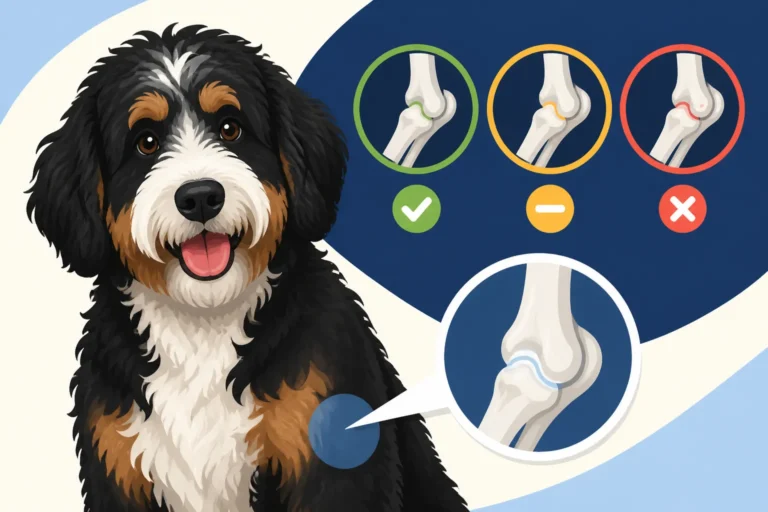
- Interpreting OFA Results: OFA results range from Excellent, Good, Fair (all passing grades for breeding) to Borderline, Mild, Moderate, and Severe (non-passing).
- Excellent/Good: These are the ideal results, indicating well-formed, tight hips with minimal to no laxity. Dogs with these scores are generally considered suitable for breeding and have a low risk of developing hip dysplasia.
- Fair: Still a passing grade for OFA, but it suggests some minor imperfections in hip conformation. While acceptable for breeding, some breeders might choose to only breed Fair-rated dogs to Excellent or Good partners to try and improve hip quality in the offspring.
- Borderline/Mild/Moderate/Severe: These indicate varying degrees of hip dysplasia. Dogs with these scores should absolutely not be bred. For a pet, these scores mean a higher risk of developing osteoarthritis and potential pain, necessitating proactive management strategies.
- Interpreting PennHIP Results: PennHIP provides a Distraction Index (DI) for each hip. The DI ranges from 0 to 1, with values closer to 0 indicating tighter hips (less laxity) and values closer to 1 indicating looser hips (more laxity). PennHIP also provides a breed-specific ranking, showing where your dog's DI falls within the Bernedoodle population. Dogs in the tighter half (lower DI) of the breed are generally considered better candidates for breeding.
- Discuss with Your Vet and Breeder: Regardless of the results, always review them thoroughly with your veterinarian. They can explain the nuances of the report and what it means for your individual dog's health and future care. If you obtained your Bernedoodle from a reputable breeder, they should be eager to discuss the results with you and offer guidance, especially if the results are less than ideal. Responsible breeders use these results to refine their breeding programs and improve the health of future generations, as part of providing The Five Clearances a Bernedoodle Breeder Should Have.
- Long-Term Management: If your Bernedoodle receives a less-than-perfect hip score, it's not a death sentence, but it does mean you need to be extra vigilant. Work with your vet to develop a long-term management plan. This might include:
- Weight Control: Absolutely critical.
- Supplements: Glucosamine, chondroitin, fish oil.
- Pain Management: If arthritis develops, your vet might prescribe anti-inflammatory medications (NSAIDs) or other pain relievers.
- Physical Therapy: Hydrotherapy, massage, and controlled exercises can help maintain muscle mass and joint flexibility.
- Surgery: In severe cases, particularly for young dogs, surgical interventions like a Triple Pelvic Osteotomy (TPO) or Femoral Head Ostectomy (FHO) may be options. For older dogs with severe, debilitating arthritis, total hip replacement is a possibility, though costly, as highlighted in What Hip Replacement Runs on a Standard Bernedoodle.
A certification is a snapshot, but your ongoing care is the movie. Even a dog with excellent hips can develop issues later in life due to injury or other factors. Conversely, a dog with less-than-perfect hips can live a comfortable life with proper care and management. Pet insurance, like that offered by Healthy Paws, becomes incredibly valuable here, as it can help offset the significant costs of ongoing diagnostics, medications, and potential surgeries associated with managing hip dysplasia or arthritis as your Bernedoodle gets older, ensuring you can always provide the best care without financial burden being the deciding factor. It's truly about giving your companion the healthiest, happiest life possible.
Disclaimer
Please remember that this article provides general information and should not be considered a substitute for professional veterinary advice. Every Bernedoodle is unique, and health decisions should always be made in consultation with a qualified veterinarian who is familiar with your dog's specific health history.