Whether Jumping Off Furniture Hurts a Bernedoodle
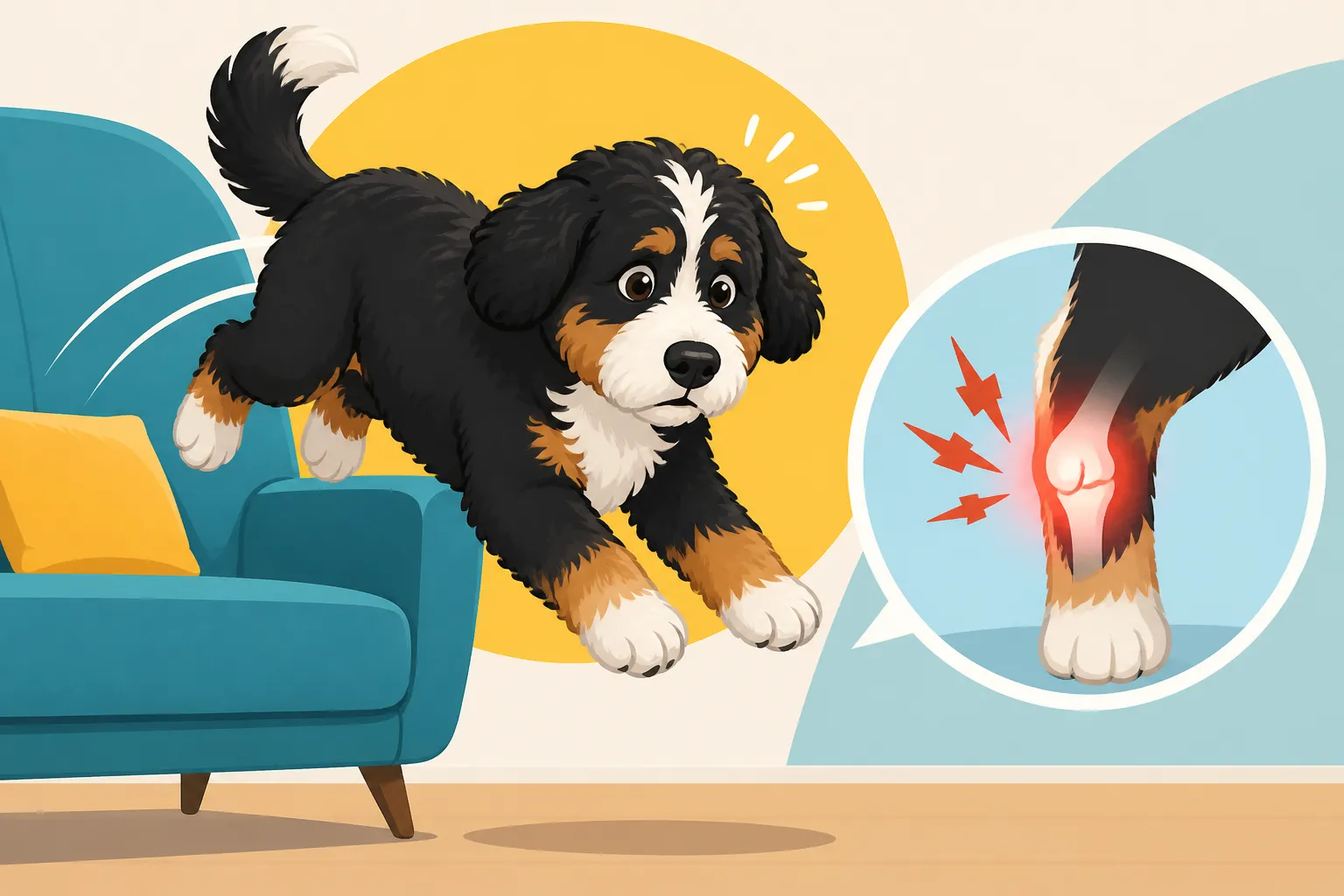
It's a sight many Bernedoodle owners know all too well: your playful pup, full of boundless energy, suddenly decides the coffee table or sofa is a launchpad. While their enthusiasm is adorable, that heart-stopping moment when they land can fill you with dread. You worry, quite rightly, about whether all that leaping and landing is secretly harming their precious joints and growing bodies. This guide is here to unravel those worries, explaining exactly why jumping off furniture can be a real problem for Bernedoodles, the specific risks involved, and what you can do to protect your furry family member.
Understanding Your Bernedoodle's Joint Vulnerabilities
Bernedoodles are a fantastic blend of two breeds, the Bernese Mountain Dog and the Poodle, inheriting wonderful traits from both. However, they also inherit some of their genetic predispositions, particularly when it comes to skeletal development and joint health. Understanding these vulnerabilities is the first step in protecting your dog from injuries caused by repetitive impacts like jumping.
The Impact on Growing Puppies and Adolescents
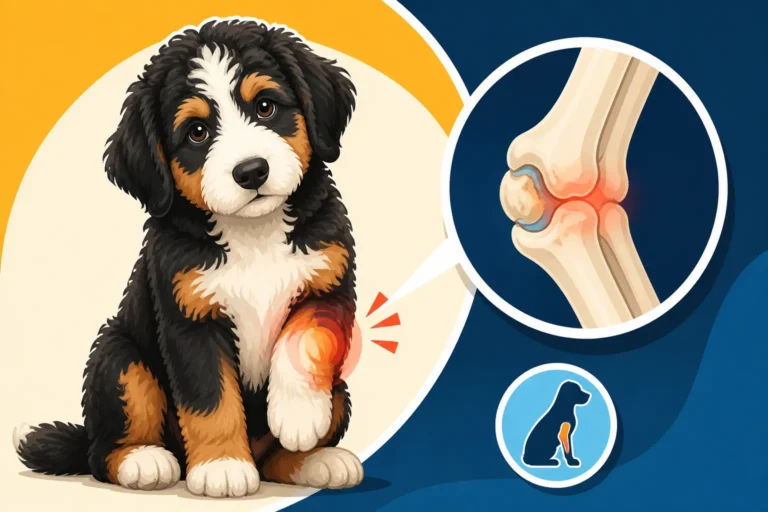
When your Bernedoodle is a puppy, they are growing at an incredible rate. Their bones aren't fully developed; they have what are called "growth plates" – areas of soft, rapidly dividing cartilage that eventually harden into bone. These growth plates are particularly vulnerable to injury. High-impact activities, like repeatedly jumping off furniture, can cause trauma to these delicate structures. Imagine a child's bones not being fully fused; even a seemingly minor fall could have significant consequences.
If a growth plate is damaged, it can lead to abnormal bone growth, potentially causing lifelong lameness or requiring complex surgeries down the line. It's not always an immediate, dramatic injury you'll see. Sometimes, the damage accumulates over time, leading to subtle limps or discomfort that only become apparent weeks or months later. This is why many vets recommend strict adherence to the "The Five Minute Rule on a Bernedoodle Puppy's Walks". Protecting those growing joints is paramount.
Predisposition to Hip and Elbow Dysplasia
Both Bernese Mountain Dogs and Poodles, and therefore Bernedoodles, can be prone to inherited joint conditions like hip and elbow dysplasia. These conditions mean the joints don't develop properly, leading to looseness, pain, and eventually arthritis. Jumping, especially from heights, puts immense strain on these already compromised joints.
Even if your Bernedoodle has excellent genetic clearances from their breeder for these conditions, excessive or improper exercise can exacerbate any underlying predisposition. A Bernedoodle with even mild hip or elbow looseness might manage day-to-day life without much issue, but constant jarring from furniture jumps can accelerate the wear and tear, bringing on painful symptoms much earlier than they might otherwise appear. This is why discussions around "Hips on a Ninety Pound Bernedoodle" and "Elbow Dysplasia in a Growing Bernedoodle" are so critical for long-term health.
The Specific Risks of Jumping for Bernedoodles
It’s not just the immediate impact that poses a risk. The sheer size and weight that many Bernedoodles eventually reach, combined with their sometimes clumsy nature, make jumping a multifaceted hazard. The dangers can range from acute, sudden injuries to chronic issues that develop over time.
Acute Injuries: Sprains, Strains, and Fractures
The most immediate concern with a Bernedoodle jumping off furniture is an acute injury. A misstep, an awkward landing, or simply the force of their body weight coming down can lead to several problems:
- Sprains and Strains: These are very common. A sprain affects ligaments (the tough bands connecting bones), while a strain affects muscles or tendons. Both can cause significant pain, lameness, and require rest, pain medication, and sometimes physical therapy. Imagine your Bernedoodle landing with one leg splayed awkwardly – a classic recipe for a sprain.
- Fractures: While less common than sprains or strains, fractures can occur, especially in puppies with their softer bones and growth plates. A twisted landing could put enough rotational force on a limb to cause a break. A fracture means immediate veterinary attention, often surgery, and a long, difficult recovery period.
- Cruciate Ligament Tears: For a heavier dog like a standard Bernedoodle, a sudden twist or awkward landing can put enormous stress on the knee joint, potentially tearing the cranial cruciate ligament (CCL). This is a very common and often devastating injury, similar to an ACL tear in humans. It almost always requires expensive surgery and a lengthy recovery. The risk of "Torn Cruciates in a Heavy Bernedoodle " is a serious consideration, and jumping significantly increases this likelihood.
Chronic Issues: Arthritis and Joint Degeneration
Beyond the immediate trauma, repeated jumping and landing, especially on hard surfaces, contributes to the cumulative wear and tear on a Bernedoodle's joints. Over time, this repetitive stress can lead to:
- Premature Arthritis: Even if your Bernedoodle doesn't have dysplasia, the constant impact can lead to the breakdown of cartilage in their joints. This results in inflammation, pain, and stiffness – essentially, early onset arthritis. A dog that might have developed "Arthritis in a Bernedoodle at Eight " years later could show signs much sooner due to high-impact activities in their youth.
- Spinal Problems: The spine also takes a beating. The discs between vertebrae act as shock absorbers. Repeated hard landings can stress these discs, potentially leading to bulging or herniated discs, causing severe back pain, neurological issues, and even paralysis in extreme cases.
It’s a silent process often, with the damage building up unseen. You might not notice it until your Bernedoodle starts to slow down, struggle with stairs, or shows reluctance to jump up onto furniture, which is often a sign of existing pain.
| Type of Injury | Affected Area | Severity | Common Cause | Potential Treatment |
|---|---|---|---|---|
| Sprains/Strains | Ligaments, Muscles, Tendons | Moderate | Awkward landing, twisting | Rest, anti-inflammatories, physical therapy |
| Growth Plate Fractures | Soft bone ends (puppies) | High | High impact, sudden trauma | Surgery, casting, strict rest |
| Cranial Cruciate Ligament (CCL) Tear | Knee joint (stifle) | High | Twist on landing, sudden stop | Surgery (TPLO, TTA), extensive rehab |
| Hip/Elbow Dysplasia Exacerbation | Hip/Elbow joints | Moderate-High | Repetitive impact on genetically predisposed joints | Pain management, supplements, surgery (FHO, THR) |
| Intervertebral Disc Disease (IVDD) | Spinal discs | High | Repetitive jarring, hard landings | Rest, anti-inflammatories, surgery |
| Early Onset Arthritis | Any joint, especially hips/elbows | Chronic | Cumulative wear and tear, inflammation | Pain management, joint supplements, weight control |
Exacerbating Factors: Weight and Surface Type
A Bernedoodle's size compounds these risks. An overweight Bernedoodle loses years partly because the extra pounds put tremendous stress on their joints with every movement, especially jumps. Even a healthy, well-muscled standard Bernedoodle, weighing 70-90 pounds, generates significant force when landing. Imagine a small child jumping off a chair versus a full-grown adult; the impact force is vastly different.
The type of flooring also plays a huge role. Landing on hard surfaces like tile, hardwood, or concrete offers little shock absorption, transferring all the impact directly to the joints and spine. Carpeting provides a bit more cushion, but it's still far from ideal, especially from higher furniture.
Preventing the Jump: Practical Strategies for Bernedoodle Owners
Recognizing the risks is one thing, but taking proactive steps to prevent your Bernedoodle from jumping off furniture is crucial. This often involves a multi-pronged approach combining environmental management, training, and thoughtful consideration of their overall health.
Creating a Safe Environment
One of the easiest ways to prevent jumping is to remove the temptation or make it safer.
- Ramps and Stairs: For dogs that are allowed on furniture, or those that absolutely insist on joining you on the sofa or bed, ramps or pet stairs are a game-changer. These provide a gentle incline or steps, allowing them to access elevated surfaces without jarring their joints. There are many options available, from sturdy wooden ramps to softer foam steps, suitable for Bernedoodles of all sizes. By making it easy to use a ramp, you’re encouraging a much safer way up and down. This directly addresses the problem, especially for older dogs or those already showing signs of joint stiffness, as discussed in Whether Ramps Help a Bernedoodle's Joints.
- Designated Dog Beds: Provide incredibly comfortable, supportive dog beds on the floor in common areas. High-quality orthopedic beds, especially for a large breed like a Bernedoodle, can make lying on the floor a luxurious experience. If their own bed is more appealing and accessible, they might be less inclined to seek out the couch for comfort. Consider placing these beds strategically, perhaps right next to your sofa, so they can still feel close to you.
- Restricting Access: If certain furniture pieces are particularly high or if your Bernedoodle is particularly prone to jumping, consider restricting access. This might mean baby gates in certain rooms, or even placing blankets or throws on the furniture when you're not supervising to make it less inviting. For very determined jumpers, sometimes the only way to break the habit is to make it impossible for a period.
Training and Behavior Modification
Training is key, especially when your Bernedoodle is young and impressionable. It's much easier to prevent a habit from forming than to break an established one.
- "Off" Command: Teach a solid "off" command from an early age. This means your Bernedoodle should get all four paws on the floor when asked. Reward them generously when they comply. Consistency is vital; every time they jump on furniture without permission, redirect them with the "off" command.
- "Place" or "Mat" Training: This teaches your Bernedoodle to go to a specific spot (like their dog bed or a mat) and stay there. This is invaluable when you have guests or want them to settle down without resorting to jumping on furniture. Practice this in short, positive sessions daily.
- Impulse Control: Working on general impulse control exercises can help. This includes "leave it," waiting for food, or waiting at doors. A dog with better impulse control is less likely to make a spontaneous, potentially harmful decision like launching off the sofa.
- Enrichment and Exercise: A tired Bernedoodle is a good Bernedoodle! Ensure your dog gets adequate physical and mental exercise to burn off excess energy. Daily walks, playtime in the yard, puzzle toys, and training sessions can reduce the likelihood of them seeking thrill-seeking activities like furniture parkour. Just remember to tailor exercise to their age and development, especially for puppies.
Supporting Joint Health
Beyond preventing the jump itself, you can support your Bernedoodle's overall joint health, making them more resilient to the stresses of daily life.
- Weight Management: Keeping your Bernedoodle at a healthy weight is paramount. Excess weight puts additional strain on all joints. Consult with your vet to determine the ideal weight for your individual dog and adjust their diet and exercise accordingly.
- High-Quality Diet: Feed a high-quality, large-breed specific dog food. These formulas are often designed to support healthy growth rates in puppies and provide appropriate nutrient balances for adults, including ingredients that support joint health.
- Joint Supplements: Many Bernedoodle owners choose to add joint supplements to their dog's diet, sometimes starting even before senior years. Ingredients like glucosamine, chondroitin, and MSM can help support cartilage health and reduce inflammation. Discuss this with your veterinarian to see if "Whether Joint Supplements Help a Bernedoodle " is right for your dog.
- Regular Veterinary Check-ups: Routine vet visits allow your veterinarian to monitor your Bernedoodle's joint health and catch any potential issues early. Early diagnosis of conditions like dysplasia means earlier intervention, which can significantly improve outcomes.
When Accidents Happen: Recognizing Injury and Seeking Help
Despite your best efforts, accidents can still occur. Bernedoodles are dogs, after all, and sometimes their exuberance outweighs their good sense. Knowing how to recognize the signs of an injury and when to seek veterinary care is critical.
Signs Your Bernedoodle Might Be Injured
Sometimes, a serious injury is obvious – a yelp, sudden lameness, or visible swelling. Other times, the signs can be much more subtle, especially if the injury is internal or developing over time. Keep an eye out for any of these indicators:
- Limping or Lameness: This is the most common sign. It could be constant, intermittent, or only noticeable after rest or exercise.
- Reluctance to Move: They might be hesitant to jump (even safely with a ramp), climb stairs, play, or even get up from a lying position.
- Pain Response: Whining, yelping when touched, snapping, or trying to bite when you examine a specific area.
- Swelling or Heat: Visible swelling around a joint or limb, or the area feeling warm to the touch.
- Changes in Gait: Walking with a stiff back, bunny hopping (especially indicative of hip pain, relating to "The Bunny Hop Gait in a Young Bernedoodle" ), or dragging a paw.
- Licking or Chewing: Obsessive licking or chewing at a particular leg or joint.
- Behavioral Changes: Lethargy, loss of appetite, irritability, or seeking isolation.
If you observe any of these signs, even if they seem minor, it's always best to err on the side of caution and consult your veterinarian.
Immediate Steps and Veterinary Care
If you suspect your Bernedoodle has injured themselves from jumping:
- Restrict Movement: Immediately confine your Bernedoodle to a small, safe space (like a crate or small room) to prevent further injury. No more running, jumping, or playing until a vet has evaluated them.
- Gentle Examination (if safe): If your dog is not in severe pain and you can do so safely, gently feel along their legs and body for any obvious swelling, heat, or areas of tenderness. Watch their reaction carefully. Do not force them to stand or walk.
- Contact Your Vet: Call your veterinarian as soon as possible. Describe what happened and the symptoms you're seeing. They will advise you whether to bring your dog in immediately or if it can wait for a regular appointment. Be prepared for X-rays, physical examinations, and potentially other diagnostics.
- Pain Management: Do not give human pain medications like ibuprofen or acetaminophen. These can be toxic to dogs. Only administer pain relief specifically prescribed by your vet.
Dealing with an injury, especially a serious one like a cruciate tear or a fracture, can be incredibly stressful and expensive. This is where pet insurance can be a literal lifesaver. Companies like Healthy Paws offer comprehensive coverage that can help ease the financial burden of unexpected vet bills for accidents and illnesses. Having a plan in place means you can focus on your Bernedoodle's recovery rather than worrying about the cost of potential surgeries or extended treatments like "Whether a Bernedoodle Needs a Hip Replacement" or extensive physical therapy. It's a pragmatic decision that offers peace of mind for any Bernedoodle owner.
Disclaimer
The information provided in this article is for general informational purposes only and is not a substitute for professional veterinary advice. Always consult with a qualified veterinarian regarding any health concerns or before making any decisions about your Bernedoodle's care or treatment plan.