Whether a Black Bernedoodle Absorbs More Heat
It's a question that keeps so many of us Bernedoodle parents up at night when the summer sun beats down: does that gorgeous, plush black coat mean our beloved companion is soaking up more heat and struggling worse than their lighter-colored siblings? That deep, rich black is stunning, but it also brings a very real worry about overheating. You're not alone in that concern; it's a common and valid anxiety for anyone with a dark-coated dog, especially a thick-furred Bernedoodle. This guide is dedicated to shedding light on the truth behind black coats and heat absorption, providing practical strategies, and offering peace of mind to ensure your Bernedoodle stays safe and comfortable, no matter how high the mercury climbs.
The Intricacies of Coat Color and Heat Absorption
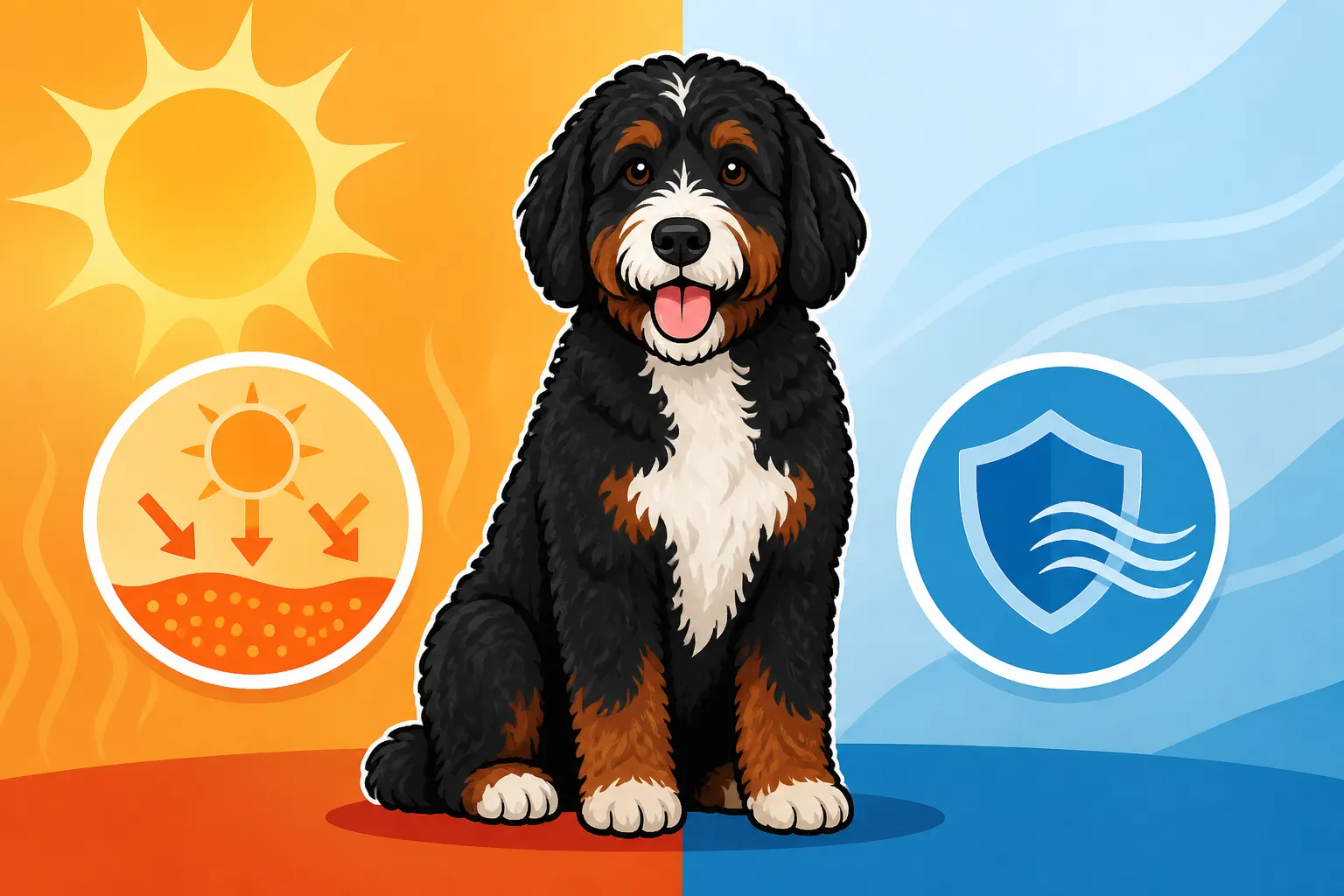
The idea that black absorbs more heat isn't just an old wives' tale; there's a scientific basis to it. Darker colors, particularly black, absorb more visible light from the sun than lighter colors. When light is absorbed, its energy is converted into heat. This fundamental principle applies to everything from a black car parked in the sun to, yes, your beautiful black Bernedoodle. However, the story isn't quite as simple as "black coat equals cooking dog." There are many layers to consider, especially when it comes to the complex physiology and coat structure of a dog.
When we talk about heat absorption, we're primarily referring to the surface of the object. A black coat will indeed get hotter to the touch when exposed to direct sunlight compared to a white or lighter-colored coat. This is because the dark pigments are more efficient at absorbing the solar radiation. You might notice this yourself by placing your hand on your black Bernedoodle's back after they've been lying in a sunny spot – it can feel surprisingly warm. This immediate surface heating is what triggers the initial worry for many owners.
However, a dog's coat is more than just its outermost layer. It's a complex system designed to offer protection, and that protection works in both hot and cold conditions. The crucial distinction lies in how that absorbed heat is managed and whether it effectively transfers to the dog's skin and internal body temperature. While the surface of a black coat will undoubtedly get hotter, other factors come into play that can mitigate or exacerbate this effect.
Black Coats and Direct Sunlight Interaction
Let's dive a little deeper into that direct sunlight interaction. When those powerful UV rays hit your black Bernedoodle's coat, the black pigment acts like a sponge for solar energy. This means the individual hairs themselves will heat up more rapidly and to a higher temperature than if they were, say, a cream or sable color. Think of how a black asphalt road gets scorching hot in the summer sun, radiating heat upwards. A black coat behaves similarly on a micro-level.
This phenomenon is most pronounced when your Bernedoodle is basking directly in unobstructed sunlight. The shorter the distance between the heated hair shaft and the skin, the more readily that heat can be conducted inward. This is why dogs with very short, dark coats might actually struggle more in direct sun, as there's less insulating air layer. For a Bernedoodle, however, the coat is rarely short. Even a closely clipped Bernedoodle still has a significant amount of fur compared to breeds like a Boxer or a Vizsla.
This doesn't mean you should ignore the color effect entirely. It's still a factor, especially during peak sun hours. A black Bernedoodle will likely feel the initial impact of solar radiation more acutely on its coat surface, potentially making them seek shade faster or feel uncomfortable sooner if exposed for prolonged periods. For more insights on how different shades react, you might find it useful to read about Why a Black Tri Bernedoodle Overheats for a comparison.
Beyond Color: Coat Density and Type
While color plays its part, it's absolutely crucial to understand that a Bernedoodle's coat density and type are often far more significant factors in how they cope with heat than color alone. Bernedoodles, regardless of their black, tri-color, sable, or merle markings, inherit a dense, often double-layered coat from their Bernese Mountain Dog parent, combined with the thick, curly, or wavy coat of a Poodle. This creates a formidable insulating layer.
This insulation is a double-edged sword. In winter, it's fantastic for trapping body heat and keeping them warm in snowy conditions. But in summer, that same insulating quality can trap heat against the body, preventing efficient cooling. A dense coat, whether black or white, acts as a barrier to the external environment. It slows down both the transfer of external heat to the skin and the dissipation of internal body heat away from the skin.
Consider a Bernedoodle with a very thick, plush wavy coat versus one with a looser, straighter coat. The denser, thicker coat, regardless of color, will inherently be more challenging for heat to escape from. This means that a black Bernedoodle with a less dense, single coat might actually fare better than a white Bernedoodle with an extremely thick, double coat. When discussing The Coat a Bernedoodle Gets From Two Heavy Coated Parents, we delve deeper into these nuances, highlighting just how much volume these dogs carry.
The Role of the Undercoat as Insulation
The undercoat is the real unsung hero (or villain, depending on the season) in a Bernedoodle's thermal regulation. Many Bernedoodles, even those leaning heavily towards the Poodle's curly coat, still retain some degree of the dense, woolly undercoat characteristic of the Bernese Mountain Dog. This undercoat is designed to trap a layer of air close to the dog's skin, which helps to maintain a stable body temperature.
In cold weather, this trapped air warms up from the dog's body heat and keeps them toasty. In hot weather, however, if this undercoat isn't properly maintained and is allowed to become matted or excessively thick, it can trap hot air and humidity against the skin. This prevents the skin from breathing and evaporative cooling (sweating through paw pads and panting) from being as effective as it needs to be. It essentially creates a barrier that hinders the natural cooling process.
Therefore, the quality of your Bernedoodle's grooming, particularly regular brushing to remove dead and shedding undercoat, is paramount. Regardless of whether your Bernedoodle is black, white, or any color in between, a matted or unkempt undercoat will significantly impair their ability to regulate their body temperature in the heat. This aspect often outweighs the impact of the topcoat's color when it comes to overall heat management.
Practical Implications for Your Black Bernedoodle
Understanding the science is one thing, but applying that knowledge to your daily life with your black Bernedoodle is another. The reality is, while the black coat does absorb more surface heat, the denser coat and the breed's general predisposition to overheating are often bigger concerns. What truly matters is recognizing the signs of heat stress and taking proactive measures to keep your dog cool. This isn't just about comfort; it's about preventing dangerous and potentially life-threatening conditions like heatstroke.
Whether your Bernedoodle is black or otherwise, they have a thick coat that isn't ideal for scorching temperatures. Combine that with their sometimes goofy, energetic nature, and you have a recipe for potential trouble if precautions aren't taken. It's about being vigilant and adjusting your routine to protect them from the summer elements.
Recognizing Overheating Signs
This is perhaps the most critical piece of information for any Bernedoodle owner, especially those with black-coated dogs. Knowing the signs of overheating can literally be a lifesaver. Dogs don't sweat efficiently through their skin like humans do; their primary way of cooling down is through panting and releasing heat through their paw pads. When these mechanisms are overwhelmed, their internal body temperature rises rapidly, leading to heatstroke.
Here are the key signs to watch for:
- Excessive Panting: While some panting is normal after exertion, if it's very heavy, rapid, or doesn't subside quickly even when at rest, it's a red flag.
- Lethargy or Weakness: Your normally energetic Bernedoodle might become unusually sluggish, reluctant to move, or even collapse.
- Drooling: Profuse drooling, often thick and ropey, indicates they're struggling.
- Dark Red Gums: Healthy gums are typically pink. Gums that appear dark red or even purple are a serious sign of heat stress.
- Wobbly or Disoriented Gait: They might stumble, sway, or seem confused.
- Vomiting or Diarrhea: These can be later signs of heatstroke.
- Seizures: In severe cases, heatstroke can lead to seizures and loss of consciousness.
If you observe any of these signs, especially a combination of them, you need to act immediately. Get your Bernedoodle to a cooler environment, apply cool (not ice cold) water to their paw pads, armpits, and groin, and contact your veterinarian immediately. Time is of the essence when it comes to heatstroke. You can learn more about these critical indicators by checking out Signs a Bernedoodle Is Overheating.
Adjusting Outdoor Activities
This is where you have the most direct control over your black Bernedoodle's exposure to heat. Simply put, you need to rethink your usual outdoor schedule during warmer months. That means no more midday walks in the direct sun, even if it's just for a quick potty break. The asphalt or concrete can get incredibly hot, burning their paw pads and radiating heat up into their dark coat.
Here’s how to adjust:
- Avoid Peak Sun Hours: Schedule walks and outdoor play for early mornings (before 8 AM) and late evenings (after 7 PM), when temperatures are cooler and the sun's intensity is much lower.
- Seek Shade: If you must be outside during the day, stick to heavily shaded areas. Parks with mature trees, shaded trails, or even just the shady side of a building can make a huge difference. Remember that even in the shade, ambient temperatures can still be high.
- Pavement vs. Grass: Always prioritize walking on grass or dirt paths over asphalt or concrete, which absorb and retain heat. A good rule of thumb: if the pavement is too hot for your bare hand for five seconds, it's too hot for your dog's paws.
- Short and Sweet: Keep outdoor sessions brief, especially if your Bernedoodle is prone to getting overly excited or focused on play. A quick potty break is fine, but intense games of fetch or long walks are best saved for cooler times.
- Bring Water: Always carry plenty of fresh water for your Bernedoodle, even on short outings. Offer it frequently. Consider a portable water bottle with an attached bowl.
Thinking about Whether a Bernedoodle Should Be Walked in Summer is a crucial part of your seasonal planning. Be realistic about what your Bernedoodle can handle, and always err on the side of caution.
Providing a Cool Environment
Your Bernedoodle's home environment should be their sanctuary from the heat. This means ensuring they always have access to cool, comfortable spaces, especially if you live in a climate where summers are intense.
- Air Conditioning is Your Friend: If you live in a hot region, air conditioning isn't a luxury for a Bernedoodle; it's a necessity. Keep your home comfortably cool. If you don't have central AC, consider a window unit for the room your Bernedoodle spends the most time in. Whether Air Conditioning Is Necessary for a Bernedoodle highlights this point perfectly.
- Shaded Outdoor Areas: If your Bernedoodle spends time outside, they absolutely must have access to ample shade at all times. This could be a large tree, a sturdy canopy, or a doghouse positioned out of direct sunlight.
- Cooling Mats and Beds: These can be incredibly effective. Cooling mats contain a gel that activates with pressure, providing a cool surface. Elevated dog beds, made of mesh, allow air to circulate underneath, preventing heat from building up.
- Fresh Water, Always: This cannot be stressed enough. Your Bernedoodle should have constant access to fresh, clean, cool water. Consider multiple water bowls around the house and outside. Some dogs enjoy ice cubes in their water or even frozen treats made with dog-safe ingredients.
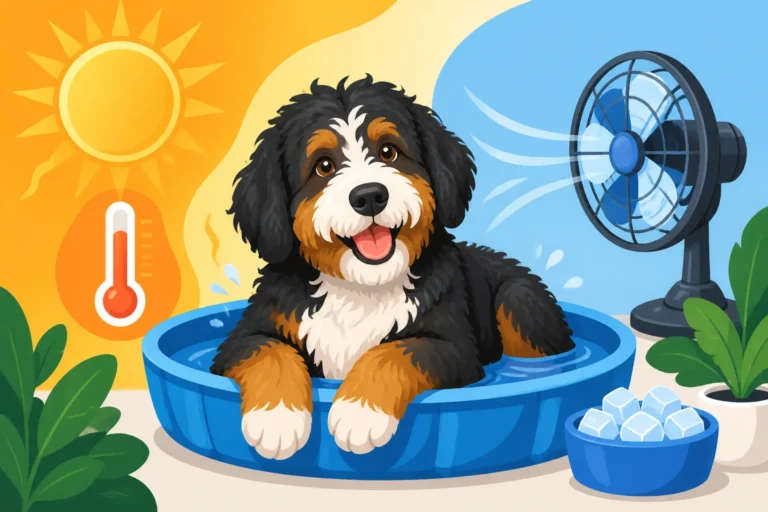
- Kiddie Pools: For those who love water, a shallow kiddie pool filled with a few inches of cool water can be a fantastic way for them to cool off and play. Just ensure they have supervision and can easily get in and out. For more ideas, read Cooling a Bernedoodle Down Safely.
Debunking Myths and Understanding Nuances
The narrative around dark coats and heat can often be oversimplified. While the initial scientific principle is sound, a dog's physiology and coat structure add layers of complexity that challenge a blanket statement like "black dogs are always hotter." It's important to move past these broad generalizations and delve into the nuances that truly impact your Bernedoodle's heat tolerance.
It's natural to feel that worry, seeing that dark fur absorb so much sunlight. But let's clarify some common misconceptions to help you better understand how your Bernedoodle's unique coat works. Focusing solely on color can distract from other equally, if not more, important factors that contribute to heat stress.
The Insulation Paradox: Protection vs. Heat Retention
Here's where it gets interesting: a dog's coat, even a thick one, can actually provide a degree of protection against the sun. Think of it like a natural sun umbrella. While the outer layer of a black coat heats up, the density of the fur can create an air buffer between the intensely hot surface and the dog's skin. This layer of trapped air can actually slow down the conduction of heat to the body.
This is why shaving a thick-coated dog like a Bernedoodle completely bald in the summer isn't always the best idea. Firstly, it exposes their delicate skin directly to harmful UV rays, increasing the risk of sunburn and skin cancer, especially for lighter-skinned areas. Secondly, it removes that insulating air layer that can help protect them from direct solar radiation. The coat, when healthy and well-maintained, works to regulate temperature, much like the layers of clothing a desert dweller might wear to keep cool.
Of course, this "insulation paradox" has its limits. If the ambient temperature is extremely high and there's no air movement, or if the coat is matted and preventing air circulation, then the benefits are quickly outweighed by the risks of heat retention. It's a fine balance, and proper grooming is key to making this natural protection work for your Bernedoodle, rather than against them. You might be interested in the discussion around The Summer Shave Argument on a Bernedoodle for a more in-depth look at this.
Individual Variation and Breed Traits
Beyond coat color and density, individual Bernedoodles will have varying tolerances for heat based on a multitude of factors. Just like people, some dogs are simply more susceptible to heat than others, regardless of their fur color.
Consider these factors:
- Age: Very young puppies and senior Bernedoodles (often considered senior around The Birthday a Standard Bernedoodle Counts as Senior) have less efficient thermoregulation systems and are more vulnerable to heat.
- Weight and Body Condition: Overweight Bernedoodles have an extra layer of fat that acts as insulation, making it harder for them to dissipate heat. Keeping a healthy weight is crucial for overall health and heat tolerance.
- Activity Level: High-energy Bernedoodles who push themselves too hard in warm weather are at much greater risk. Some dogs don't know when to quit, and it's up to us to manage their exertion.
- Underlying Health Conditions: Dogs with respiratory issues (like brachycephalic breeds, though less common in Bernedoodles unless there's an unusual facial structure), heart conditions, or other chronic illnesses will struggle significantly more in the heat. Regular veterinary check-ups and The Screening a Bernedoodle Should Have Yearly are important for identifying these predispositions. For example, dogs with hypothyroidism, a condition that can come from the Bernese side of the lineage, might have issues with temperature regulation.
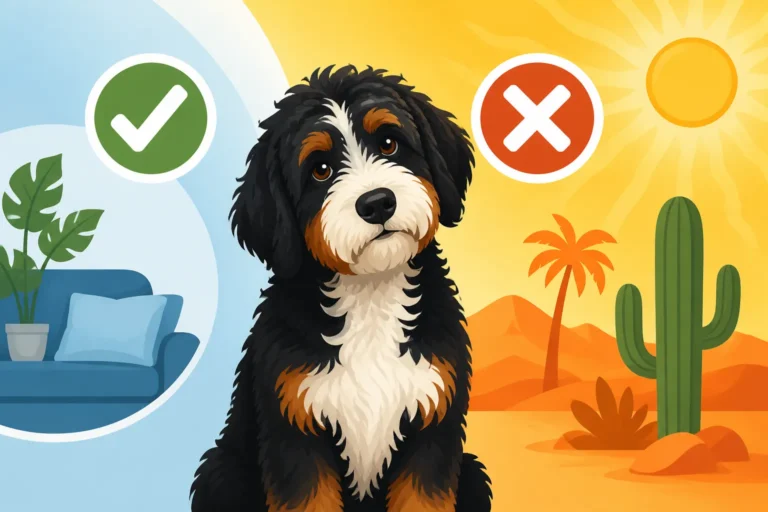
- Acclimation: Dogs that live in consistently hot climates may have a slightly better ability to adjust, but this is marginal for a breed like the Bernedoodle, which is ultimately not designed for extreme heat. Whether a Bernedoodle Belongs in a Hot State touches on the challenges faced in very warm regions.
The sum of these factors often dictates a Bernedoodle's heat tolerance more than the specific shade of their black coat. It's why Heatstroke Risk in a Dark Coated Bernedoodle isn't only about the color, but about the combination of traits.
Hydration is Absolutely Key
This point cannot be overemphasized. Regardless of coat color, consistent and ample hydration is fundamental to preventing overheating in any dog. Water plays a vital role in regulating body temperature. When a dog pants, evaporation of water from the tongue, mouth, and respiratory tract helps to cool the blood flowing through those areas. Without sufficient water, this evaporative cooling process becomes inefficient.
Always ensure your Bernedoodle has access to fresh, clean, cool water. Here are a few tips:
- Multiple Water Stations: Have water bowls in various locations around your home and yard.
- Refresh Frequently: Change the water frequently, especially if it's getting warm.
- Travel Bowls: Always carry a portable water bowl and a bottle of water when you're out and about, even for short trips.
- Ice Cubes: Many Bernedoodles love to play with and consume ice cubes, which can be a fun way to increase water intake and provide a cooling treat.
- Avoid Dehydrating Foods: While treats are fun, ensure their diet is balanced and not overly salty, which can contribute to dehydration.
- Watch Water Intake: Pay attention to how much your Bernedoodle is drinking. A sudden decrease could be a subtle sign of not feeling well, and an increase could mean they're trying to compensate for overheating.
Keeping Your Bernedoodle Safe and Comfortable
Ultimately, your goal is to provide a safe and comfortable existence for your Bernedoodle, irrespective of their coat color. While a black coat does absorb more surface heat, the practical steps you take to manage their environment, activity, and grooming are what truly make the difference. Don't let the anxiety over coat color paralyze you; empower yourself with actionable strategies.
Grooming for Temperature Regulation
Proper grooming isn't just about aesthetics; it's a critical part of your Bernedoodle's health, especially when it comes to temperature regulation. For a thick-coated breed like a Bernedoodle, neglecting grooming can quickly lead to matting, which severely impairs their ability to cool down.
- Regular Brushing: This is paramount. Daily brushing, especially during shedding seasons, helps remove loose undercoat and prevents mats. A dematted coat allows air to circulate closer to the skin, facilitating better evaporative cooling. Pay special attention to areas prone to matting like armpits, behind the ears, and the britches.
- Avoid Shaving to the Skin: As mentioned earlier, shaving your Bernedoodle completely bald can do more harm than good by removing the protective layer against sunburn and potentially hindering natural insulation. A summer trim, where the coat is left at an inch or two in length, is generally a better option. This length provides some protection while reducing bulk.
- Professional Grooming: Regular trips to a professional groomer are highly recommended. They have the tools and expertise to properly demat and trim your Bernedoodle's thick coat, ensuring it's in the best condition for heat management. Discuss a summer clip with your groomer that suits your dog's lifestyle and local climate.
Here's a quick reference on grooming considerations:
| Coat Characteristic | Summer Grooming Action | Reason |
|---|---|---|
| Black Color | Prioritize shade, timing walks | Absorbs more surface heat, but less critical than density. |
| Dense Undercoat | Daily line brushing, professional de-shedding | Traps hot air against skin; removal allows air circulation. |
| Long Coat | Regular trims to 1-2 inches, not shaved short | Reduces bulk for cooling, but maintains protection against sun and insects. |
| Matted Coat | Immediate professional dematting or shaving (if severe) | Completely blocks air circulation and traps heat; painful for the dog. |
| Wet Coat | Ensure full drying after swimming, especially undercoat | Traps moisture and creates a humid environment, potentially leading to hot spots or skin issues. |
Emergency Preparedness
Even with the best precautions, accidents can happen, or your Bernedoodle might simply get overwhelmed by an unexpected spike in temperature. Being prepared for a heat-related emergency is essential.
- Know Your Vet's Emergency Protocol: Have your veterinarian's emergency contact information readily available. Know their after-hours procedures or the location and contact of the nearest 24-hour emergency veterinary clinic.
- Create a "Cooling Kit": Keep a small kit handy during summer outings. This could include a spray bottle with cool water, a small towel, and an insulated water bottle for your dog.
- Pet Insurance: Unexpected emergencies, like a severe case of heatstroke requiring intensive veterinary care, can be incredibly expensive. Having a robust pet insurance plan can alleviate the financial burden during stressful times. Brands like Healthy Paws offer comprehensive coverage that can help with these unforeseen medical costs, allowing you to focus on your Bernedoodle's recovery rather than the bill. It's a pragmatic step for any responsible pet owner to consider, especially with a breed that can face various health challenges over its lifetime.
- Learn Basic First Aid: Familiarize yourself with basic canine first aid for overheating. This includes knowing how to gently cool your dog and what not to do (e.g., don't use ice baths, as rapid temperature drops can cause shock).
Long-Term Health and Heat Tolerance
Finally, your Bernedoodle's overall health plays a significant role in their ability to tolerate heat. A healthy dog, well-nourished, at a good weight, and without underlying medical conditions, will always cope better with environmental stressors than one who is struggling.
- Regular Vet Check-ups: Consistent veterinary care helps catch any potential health issues early, allowing you to manage them before they impact your dog's ability to handle heat.
- Balanced Diet: A high-quality, balanced diet supports overall health, energy levels, and a strong immune system. Feeding a Bernedoodle That Will Reach Ninety Pounds discusses the nutritional needs that contribute to a healthy life.
- Weight Management: Keep your Bernedoodle at a healthy weight. Extra pounds put additional strain on their cardiovascular system and act as extra insulation, making them more susceptible to overheating.
- Appropriate Exercise: Ensure your Bernedoodle gets consistent, appropriate exercise during cooler parts of the day. This keeps them fit without over-exerting them in dangerous conditions. For example, The Five Minute Rule on a Bernedoodle Puppy's Walks outlines how to gradually build up tolerance.
While a black Bernedoodle's coat will indeed absorb more surface heat, it's the comprehensive approach to their care – focusing on proper grooming, smart activity planning, creating a cool environment, and maintaining overall health – that truly makes the difference in keeping them safe and comfortable year-round. Don't stress too much about the color, but rather focus on being a vigilant and proactive pet parent.
Disclaimer
This article provides general information and recommendations regarding Bernedoodle care and heat management. It is not a substitute for professional veterinary advice. Always consult with a qualified veterinarian for any health concerns or before making significant changes to your pet's care routine.