Signs of Heatstroke in a Bernedoodle
Living with a Bernedoodle means navigating their boundless energy and that gorgeous, fluffy coat – both of which can become serious liabilities when the temperatures rise. It’s heart-wrenching to see your lively companion struggle in the heat, and sadly, these wonderful dogs are particularly susceptible to overheating and heatstroke, a life-threatening condition. This guide is all about equipping you, the dedicated Bernedoodle parent, with the crucial knowledge to recognize the early warning signs of heatstroke, understand what’s happening in their bodies, and know exactly when to act to protect your furry family member.
Understanding Why Bernedoodles Overheat So Easily
Bernedoodles are a delightful mix, inheriting traits from both their Bernese Mountain Dog and Poodle parents. While this blend often results in a fantastic temperament and stunning looks, it also means they carry a significant risk factor for heat-related illnesses: that glorious, dense coat. It’s not just a superficial issue; it’s a biological challenge in warmer weather.
The Dense Double Coat Challenge
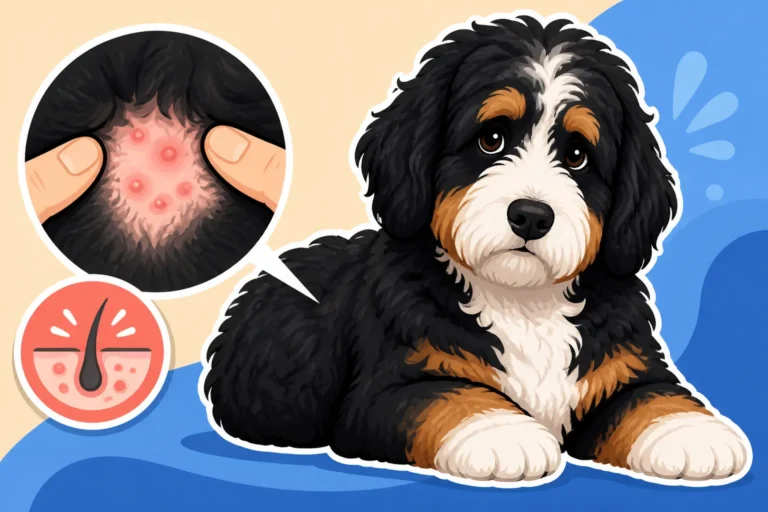
Think about it: the Bernese Mountain Dog, a breed originating from the chilly Alps, has a thick, insulative double coat designed to keep them warm in snowy conditions. Many Bernedoodles inherit a variation of this dense fur, often with the Poodle's curly or wavy texture. This combination creates a fantastic insulator, which is wonderful in winter but acts like a heavy blanket in summer. It traps heat close to their body, making it incredibly difficult for them to dissipate excess warmth, even with panting. It's like wearing a winter parka in July and trying to run a marathon – their bodies just aren't designed for it in warm climates. This is especially true for those beautiful Why a Black Tri Bernedoodle Overheats, as dark colors absorb more sunlight, exacerbating the problem.
Exertion and Environmental Factors
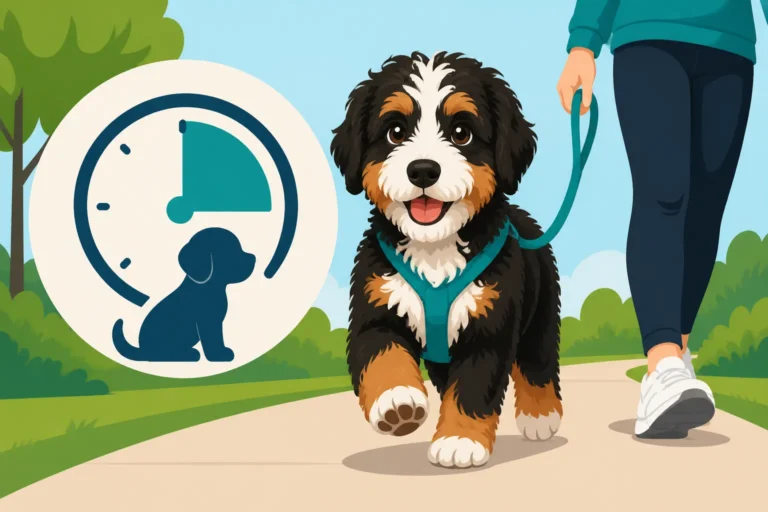
Beyond their coat, Bernedoodles are often playful, energetic dogs. They love to run, fetch, and be involved in family activities. This natural exuberance, combined with their size (especially standard Bernedoodles), means they can generate a lot of internal heat quickly through exercise. Add in high humidity, which makes it harder for their panting mechanism to cool them down, or even just sitting outside on a hot patio, and you have a recipe for disaster. Owners often ask Whether a Bernedoodle Should Be Walked in Summer, and the answer is usually with extreme caution and at specific times of day. Ignoring ambient temperatures and humidity levels can quickly push your dog into dangerous territory.
Recognizing Early Warning Signs of Heatstroke
Spotting heatstroke early is absolutely critical. It’s not just about extreme panting; there are a cascade of more subtle, yet urgent, signs that your Bernedoodle is in distress. Don't wait for them to collapse – pay attention to these initial indicators.
Excessive Panting and Drooling
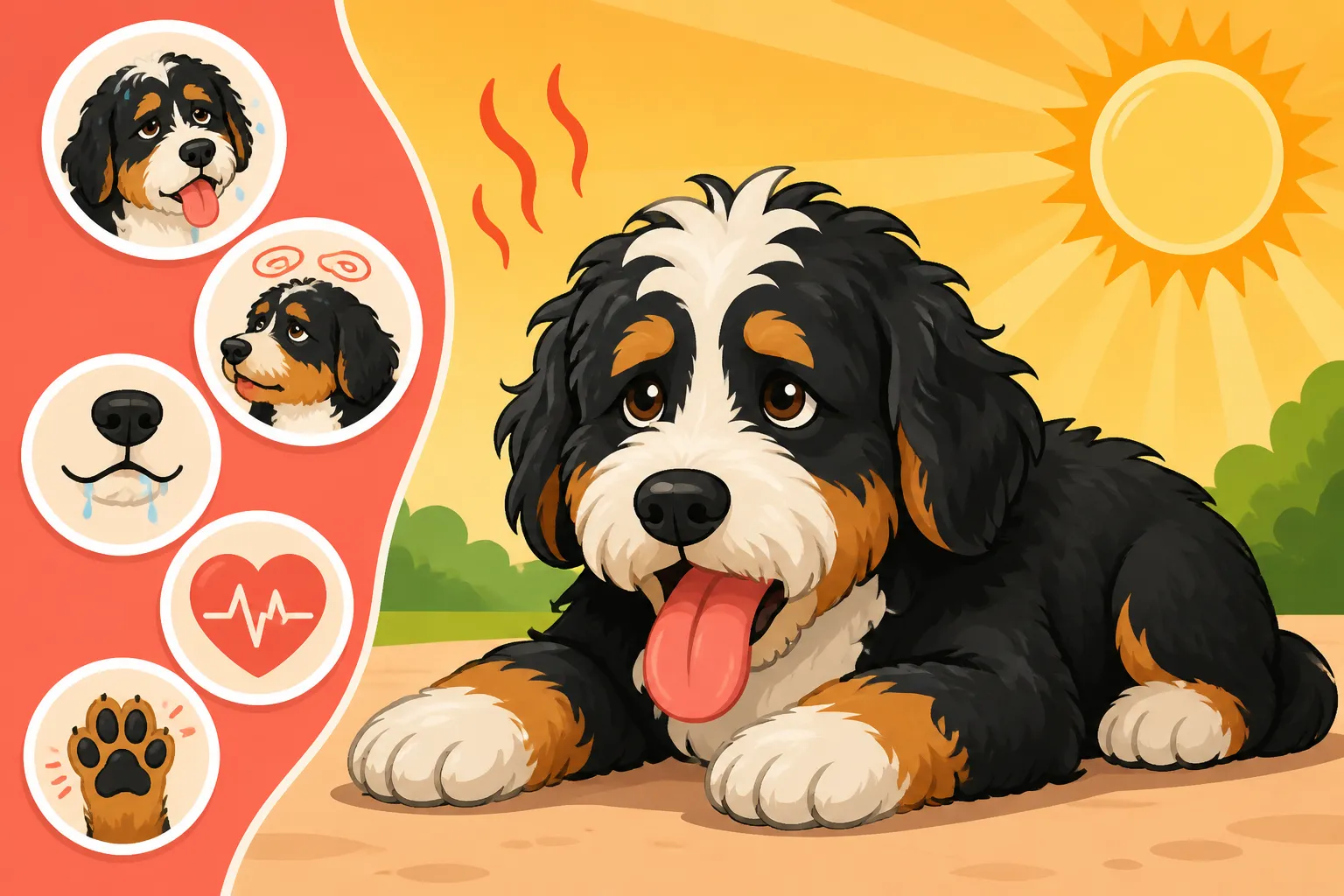
This is often the first and most obvious sign. While all dogs pant to cool down, a Bernedoodle experiencing heat stress will pant far more intensely than usual. Their breathing will be rapid, shallow, and often very labored. You might hear a louder, harsher sound with each breath. Accompanying this will be an increase in drooling. It won't just be a little slobber; you might notice thick, ropey saliva or an excessive amount of foamy drool around their mouth. Their gums may also appear brighter red than normal as their body tries to push more blood to the surface to cool. This is a clear signal their body is struggling to regulate its temperature. Many people wonder Whether a Bernedoodle Pants More Than Other Dogs, and while some breeds naturally pant more, excessive panting, particularly when combined with other symptoms, is always a red flag.
Lethargy and Disorientation
A dog's energy levels are a huge tell. If your typically lively Bernedoodle becomes unusually sluggish, reluctant to move, or just "off," especially after being in the heat, it's a major concern. They might seem confused, stumble, or even appear drunk as if they can't coordinate their movements. Their eyes might look glassy or vacant. They may not respond to commands or even their name. This isn't just tired behavior; it's a sign that their brain and central nervous system are being affected by the rising internal temperature. They might seek out cool spots but be too weak or disoriented to effectively cool themselves. This kind of disorientation can also be a symptom of more severe conditions like bloat, so it’s always best to err on the side of caution.
Vomiting and Diarrhea
As heatstroke progresses, the internal organs begin to suffer damage. The gastrointestinal tract is often one of the first systems to show signs of distress. Your Bernedoodle might start to vomit, which could include undigested food, bile, or even blood in more severe cases. Diarrhea, often bloody, can also occur. These are critical signs that the body's internal systems are shutting down and immediate veterinary intervention is required. This isn't just an upset stomach; it's a systemic problem.
Advanced Symptoms and Emergency Action
Once heatstroke advances, the symptoms become far more severe and life-threatening. Recognizing these signs means you need to take immediate, decisive action. Time is of the essence.
Collapse and Seizures
When a Bernedoodle's core body temperature reaches dangerously high levels (typically above 104°F or 40°C), their body can no longer compensate. They may collapse suddenly, unable to stand or move. Their muscles might twitch uncontrollably, leading to seizures. Seizures are a terrifying symptom, indicating significant neurological damage and a severe emergency. If your Bernedoodle collapses or has a seizure, it's a dire situation requiring immediate and aggressive cooling measures followed by urgent veterinary care. Every second counts. Remember, The Temperature a Bernedoodle Should Not Be Walked In often feels comfortable to humans but can be lethal to a heavily coated dog.
Dark Red or Pale Gums and Rapid Heartbeat
Take a moment to check your Bernedoodle's gums. In the early stages, they might be bright red, almost cherry-colored, indicating increased blood flow trying to cool the body. However, as heatstroke progresses and shock sets in, the gums can become very pale, white, or even bluish-purple, signaling a lack of oxygen or poor circulation. You might also notice their capillary refill time – the time it takes for color to return after you press a finger against their gum – is slow. Simultaneously, their heart rate will be racing, a desperate attempt by their body to circulate blood and cool down. Feel their pulse on the inside of their hind leg; it will be rapid and possibly weak. These are signs of a body in full-blown crisis.
Immediate First Aid Steps
If you suspect heatstroke, even with mild symptoms, your first priority is to cool your Bernedoodle down safely and gradually, and then transport them to the vet.
- Move to a Cooler Location: Get them out of the sun and into an air-conditioned space, or at least a shady, breezy spot.
- Apply Cool Water: Wet their coat thoroughly with cool, not ice-cold, water. Focus on areas with good blood flow: the ears, paw pads, armpits, and groin. You can use a hose, wet towels, or even submerge them in a shallow tub of cool water if they are small enough. Be careful not to use ice water, as this can constrict blood vessels, hindering heat dissipation, and could even cause shock. Aim for a gradual cooling. Learn more about Cooling a Bernedoodle Down Safely.
- Use a Fan: If possible, direct a fan onto their wet body to aid evaporative cooling.
- Offer Small Amounts of Water: If they are conscious and able to drink, offer small sips of cool (not ice-cold) water. Do not force them to drink.
- Monitor Temperature (if possible): If you have a rectal thermometer, aim to reduce their temperature to around 102.5-103°F (39.2-39.4°C) before stopping active cooling.
- Call Your Vet IMMEDIATELY: Even if your Bernedoodle seems to be recovering, internal damage can still be occurring. Call your vet while you are actively cooling them to let them know you're on your way. They can provide guidance and prepare for your arrival.
It's tempting to think that clipping their coat completely will solve the problem, but it's not always the magic bullet. Whether a Shaved Bernedoodle Handles Heat Better is a complex topic, as their coat also provides some insulation against direct sun.
When to Seek Veterinary Help
Let's be unequivocally clear: if you suspect heatstroke, always assume it's an emergency and seek immediate veterinary attention. Even if your initial cooling efforts seem to work, damage can be happening internally, unseen.
The Critical Need for Professional Medical Care
Heatstroke isn't just about being hot; it's about the systemic breakdown of bodily functions due to prolonged elevated temperature. The internal organs – the brain, kidneys, liver, and heart – are all vulnerable to damage. Your vet will perform a thorough examination, including checking their internal temperature, assessing their heart rate, breathing, and neurological status. They will likely recommend blood tests to check for organ damage, clotting abnormalities, and electrolyte imbalances. They can administer intravenous fluids to combat dehydration and shock, provide oxygen therapy, and medications to protect vital organs or control seizures.
Here's a quick comparison of what you might see and what it means:
| Symptom Category | Early/Mild Signs | Advanced/Severe Signs |
|---|---|---|
| Breathing/Panting | Rapid, heavy panting; slightly labored breathing. | Extreme, uncontrolled panting; gasping; choking sounds; difficulty breathing. |
| Gums/Mouth | Bright red gums; increased, thick drooling. | Pale, white, bluish, or brick-red gums; foamy or bloody drool. |
| Energy/Behavior | Lethargy, reluctance to move; seeking cool spots. | Collapse, stumbling, disorientation, seizures, unresponsiveness. |
| GI Tract | Nausea, mild vomiting. | Severe vomiting (possibly bloody); profuse, bloody diarrhea. |
| Body Temperature | Feels very hot to the touch (ear flaps, belly). | Extremely high (above 104°F/40°C); rapid, weak pulse. |
Post-Heatstroke Monitoring
Even after treatment, a Bernedoodle who has suffered heatstroke will need careful monitoring. Kidney failure, liver damage, and heart problems can manifest days after the initial incident. Your vet will likely recommend follow-up appointments and potentially additional blood work to ensure no delayed complications arise. This is where pet insurance, like a policy from Healthy Paws, can be an absolute lifesaver, helping cover the often substantial costs of emergency treatment and ongoing care.
Remember, prevention is always the best medicine. Be mindful of Heatstroke Risk in a Dark Coated Bernedoodle and always provide access to fresh water and shade. If you live in an area with consistently high temperatures, consider if Whether a Bernedoodle Belongs in a Hot State is truly fair to their health. And when in doubt, call your veterinarian immediately. They are your best resource for keeping your beloved Bernedoodle safe and healthy, especially in challenging weather conditions. Many dog owners have found great benefit from solutions like Whether a Cooling Vest Works on a Bernedoodle or even just letting their dogs enjoy Whether a Bernedoodle Swims to Cool Off to regulate body temperature during warmer months.
Disclaimer
The information provided in this article is for general informational purposes only and is not intended as a substitute for professional veterinary advice. Always consult with a qualified veterinarian for any health concerns or before making any decisions related to your Bernedoodle's health or treatment.