Whether a Bernedoodle’s Eyes Water Under Its Fringe
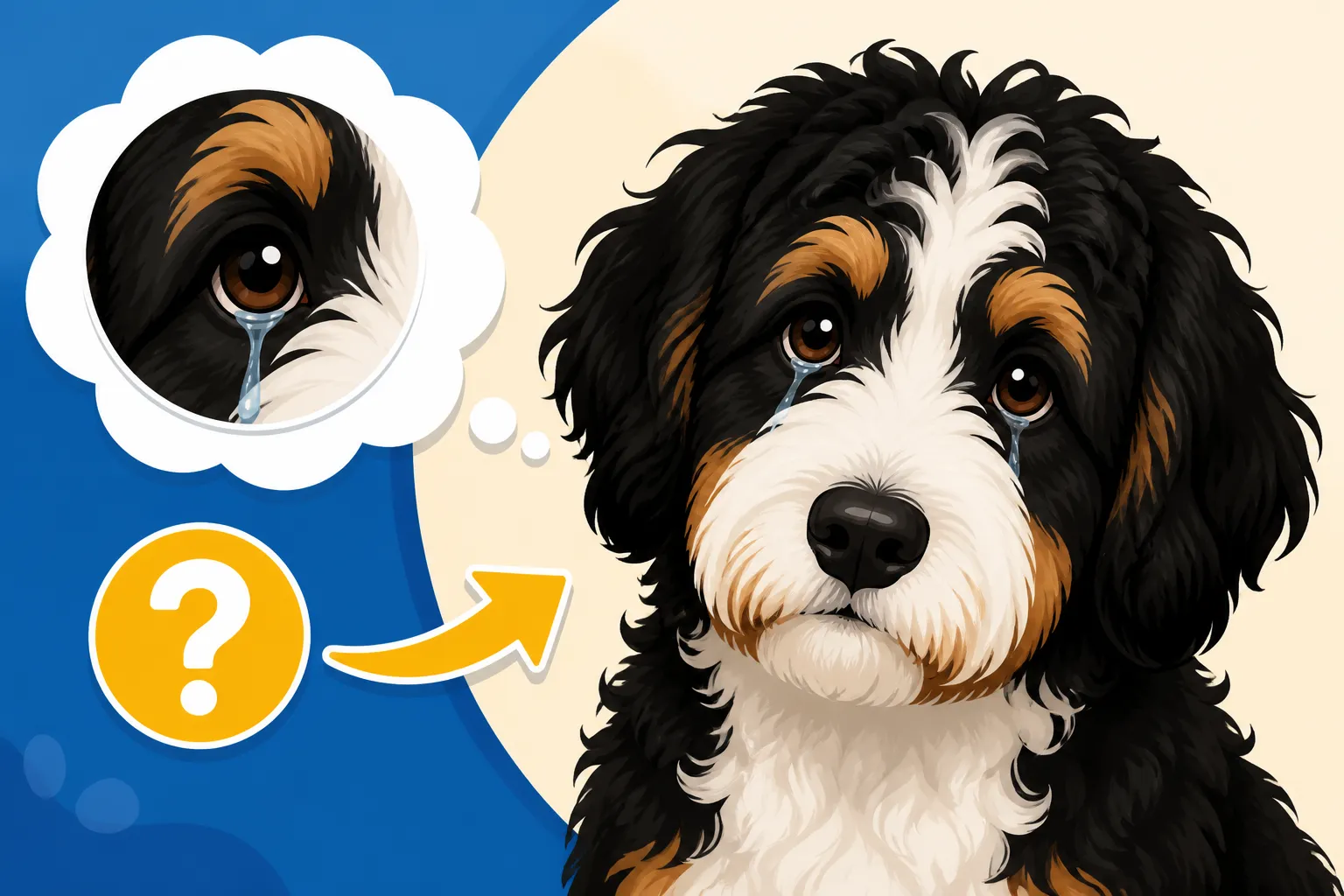
It’s a sight many Bernedoodle owners know all too well: that constant dampness, the faint staining, and the little wet trails leading from your beloved pup’s eyes. You look closely and think, "Is it just the hair in their eyes?" It’s a completely valid question, and the answer is, quite often, yes, the fringe plays a significant role! But it’s not always the only reason. This guide will dive deep into why your Bernedoodle's eyes might be watering, how their unique coat contributes, and what you can do to keep those beautiful eyes clear and comfortable.
The Intricate Relationship Between Bernedoodle Fringe and Eye Health
Bernedoodles are renowned for their gorgeous, flowing, often shaggy coats. While undeniably cute, this hallmark trait, especially the hair around their eyes, can inadvertently become a source of irritation and contribute to that persistent eye watering. It’s a classic case of form meeting function, or rather, misfunction!
Understanding Bernedoodle Coat Types and Eye Irritation
Bernedoodles inherit their coat characteristics from both the Bernese Mountain Dog and the Poodle. This blend creates a spectrum of coat types, from fairly straight and shaggy to wavy, and even tightly curly. Each of these can interact with the eyes in different ways.
A Bernedoodle with a wavy coat, often seen in an F1 generation, might have softer, more pliable hairs around the eyes. While these might not be as stiff as some straight coats, their sheer volume and tendency to grow long and drape can easily fall into the eye, acting like a constant tickle or a tiny brush. Imagine having a hair constantly poking your eye—it’s irritating and causes involuntary tearing to try and flush it out.
On the other hand, a curlier coat, more common in F1b or Multigen Bernedoodles, might seem less likely to "fall" into the eye because the hair curls away from the face. However, these curls can sometimes create a dense mat of hair right up against the eyelids. This dense barrier can trap moisture, dust, and debris, preventing proper airflow and creating a humid environment ripe for irritation or even bacterial growth. Plus, tiny, stiff curly hairs can still poke and irritate, especially if not regularly groomed. It's a double-edged sword – the low-shedding quality we love comes with its own set of grooming demands, particularly around those expressive eyes. For more on the various coat types, you might find our article on The Wavy Coat Most Bernedoodles Carry helpful.
How Long Fringe Physically Affects the Eyes
When we talk about "fringe," we're really talking about the hair that grows on the forehead and around the eyes, sometimes extending down the muzzle. In many Bernedoodles, this hair grows remarkably fast and thick. If left untrimmed, it can:
- Act as a Wick: The hair can literally wick tears and moisture away from the eye, down the face, and create tear stains. This constant moisture can lead to skin irritation and discoloration, especially in lighter-colored Bernedoodles.
- Obstruct Vision: While not directly causing watering, long hair blocking vision can be stressful for your dog. They might try to rub their face more, which can introduce dirt and bacteria, leading to secondary irritation and watering.
- Directly Irritate the Cornea: This is the big one. As mentioned, even soft hairs, when constantly brushing against the delicate surface of the eye (the cornea), can cause irritation. This leads to excessive tearing as the eye's natural defense mechanism to wash away the irritant. It’s not just uncomfortable; prolonged irritation can potentially lead to more serious issues like corneal abrasions if not addressed.
Think about it from your Bernedoodle's perspective. They can’t just sweep their hair out of their eyes like we can. It’s a constant battle, and their body's only response is to water. It’s frustrating for them, and it’s certainly frustrating for us as owners trying to figure out if it’s just hair or something more serious.
Beyond the Fringe: Other Reasons for Watery Bernedoodle Eyes
While the fringe is a common culprit, it’s crucial to understand that watery eyes can also signal underlying health issues or environmental factors completely unrelated to your Bernedoodle's luscious locks. Ignoring these other possibilities could mean missing a treatable condition.
Environmental Factors and Allergic Reactions
Just like us, dogs can suffer from environmental allergies, and their eyes are often the first place to show it. If your Bernedoodle’s eyes are watering excessively, especially during certain times of the year, or after they've been in specific environments, it might be an allergic reaction.
- Pollen and Seasonal Allergies: Spring and fall, with their high pollen counts, can turn many dogs into sniffly, itchy, watery-eyed messes. If you notice your Bernedoodle's eyes water more after a romp in a grassy field or a walk through blooming flowers, allergies are a strong possibility.
- Household Irritants: We expose our dogs to a lot in our homes. Dust mites, cleaning products, air fresheners, smoke (from fireplaces or cigarettes), and even certain fabrics can irritate their sensitive eyes. If the watering is constant indoors, consider what might be lingering in the air or on surfaces your Bernedoodle rubs against.
- Dust and Debris: A windy day, digging in the yard, or even a dusty corner of the house can send tiny particles flying into your dog's eyes. Their natural response is to tear up to flush these foreign bodies out. It's usually temporary, but if a particle gets lodged, it can cause prolonged irritation.
These environmental factors often come with other signs like paw licking, skin itching, or sneezing. If you suspect allergies, a chat with your vet is definitely in order to discuss diagnosis and management, which might involve anything from antihistamines to specialized diets.
Structural and Genetic Eye Conditions
Unfortunately, some Bernedoodles inherit predispositions to certain eye conditions that cause chronic watering. These aren't just about irritation; they're structural problems that need veterinary attention.
- Entropion: This is a condition where the eyelid rolls inward, causing the eyelashes and surrounding hair to rub directly against the cornea. It's incredibly uncomfortable and leads to constant irritation, watering, and potentially corneal ulcers. Both Bernese Mountain Dogs and Poodles can be predisposed, so it's something to watch for in their offspring. We have a detailed article on Entropion in a Bernedoodle's Eyelids that you might find very useful if you suspect this is the case.
- Ectropion: The opposite of entropion, where the eyelid rolls outward, leaving the sensitive inner eyelid exposed. While it might not cause hair to rub the eye, it leaves the eye vulnerable to environmental irritants, dust, and dryness, which can also lead to excessive tearing as the eye tries to protect itself.
- Eyelash Abnormalities (Distichiasis, Ectopic Cilia): Sometimes, eyelashes grow in abnormal places or directions, such as from glands within the eyelid, directly irritating the eye. These are often difficult to spot without a veterinarian's specialized examination and can require surgical correction.
- Blocked Tear Ducts: The tear ducts are tiny drainage pipes that carry excess tears away from the eye and into the nasal cavity. If these ducts become blocked, tears simply overflow, leading to chronic watering and potential tear staining. Blockages can be caused by inflammation, infection, or even congenital malformations.
These genetic and structural conditions are why reputable breeders are so crucial. They perform health clearances on parent dogs to minimize the risk of passing on such predispositions. You can learn more about important screenings in our article, The Eye Conditions a Bernedoodle Is Tested For. A good breeder should be transparent about their dogs’ health histories and offer a health guarantee.
Infections, Injuries, and Other Medical Concerns
Sometimes, watery eyes are a sign of an active infection or an injury that needs immediate medical attention.
- Conjunctivitis ("Pink Eye"): This is an inflammation of the conjunctiva, the membrane lining the inside of the eyelids and covering the white part of the eyeball. It can be caused by bacteria, viruses, fungi, or allergies. Symptoms include redness, swelling, discharge (clear, yellow, or green), and excessive watering. It’s often painful and requires veterinary diagnosis and treatment with antibiotics or anti-inflammatory drops.
- Corneal Ulcers: An ulcer is an open sore on the surface of the cornea, often caused by trauma (like a scratch from a branch or a stiff piece of hair), a foreign body, or severe dry eye. Ulcers are extremely painful, causing intense watering, squinting, and rubbing of the eye. They are serious and need immediate veterinary care to prevent infection and vision loss.
- Foreign Bodies: A tiny seed, a speck of dirt, or even an insect can get lodged in the eye, causing sudden, profuse watering, squinting, and pawing at the face. Sometimes you can gently flush it out with sterile saline, but if it persists, it's a vet trip.
- Dry Eye (Keratoconjunctivitis Sicca or KCS): Counterintuitively, dry eye can actually cause excessive watering. When the eye doesn't produce enough quality tears to lubricate itself, it becomes irritated and tries to compensate by producing reflex tears, which are often not enough to solve the underlying problem. It can lead to chronic irritation, corneal damage, and pigmentary keratitis.
- Glaucoma: This is a serious condition characterized by increased pressure inside the eye. It's painful and can lead to rapid vision loss if not treated promptly. Symptoms include sudden redness, dilated pupil, cloudy eye, pain, and sometimes watering.
- Uveitis: Inflammation of the internal structures of the eye. This is also painful and can have many causes, including infection, immune-mediated disease, or systemic illness.
Because many of these conditions can mimic simpler irritations, it's vital to observe your Bernedoodle closely. If the watering is persistent, accompanied by redness, discharge, squinting, or pain, don't wait. A prompt vet visit can make all the difference. Regular health check-ups, as discussed in The Screening a Bernedoodle Should Have Yearly, are your best defense against many of these more serious conditions.
Proactive Steps for Managing Your Bernedoodle's Eye Moisture
The good news is that many instances of Bernedoodle eye watering are manageable with consistent care and proactive measures. It often comes down to a blend of diligent grooming and attentive observation.
Essential Grooming Practices for the Eye Area
Regular grooming is your first and best line of defense against eye irritation caused by unruly fringe. You don't necessarily need to give your Bernedoodle a full show clip, but strategic trimming around the eyes is non-negotiable for their comfort and health.
- Regular Trimming: Aim to trim the hair around your Bernedoodle's eyes every 2-4 weeks, depending on how fast their coat grows. Use small, blunt-nosed scissors specifically designed for pet grooming to prevent accidental pokes. Always point the scissors away from the eye. If you're nervous about doing it yourself, a professional groomer can easily handle this "face trim" as part of their regular service or as a quick touch-up between full grooms. They can also get those stubborn hairs that grow from the inner corner of the eye.
- Brushing the Face Daily: Even if you're trimming, daily brushing of the face and muzzle area with a small slicker brush or a fine-toothed comb can help prevent tangles and remove loose hairs before they can migrate into the eyes. It also helps to accustom your Bernedoodle to face handling, making future trims much easier. Don't forget the bridge of the nose and under the chin where hair can also cause issues. This is a small part of a larger grooming routine; for more insights, check out How Often a Bernedoodle Should Be Brushed.
- Using Hair Accessories (With Caution): For Bernedoodles with very long topknots, a small, soft hair tie or clip can keep hair out of their eyes between trims. Ensure it's not too tight and doesn't pull on the skin. Supervise your dog to make sure they don't try to eat it. This isn't a substitute for trimming but can offer temporary relief.
Daily Cleaning and At-Home Eye Care
Beyond trimming, a simple daily cleaning routine can do wonders for preventing tear stains and irritation.
- Gentle Wiping: Use a soft, damp cloth, a cotton ball soaked in warm water, or a veterinary-approved eye wipe to gently clean around your Bernedoodle's eyes daily. Wipe away any crust, discharge, or moisture from tear overflow. Always wipe away from the eye, never directly into it.
- Sterile Saline Solution: For general flushing or if a small piece of debris gets into the eye, a sterile saline solution (like the kind used for contact lenses, without any added chemicals or preservatives) can be very helpful. Administer a few drops, and your dog’s natural blinking will help to wash things out.
- Dealing with Tear Stains: If your Bernedoodle is prone to tear staining (the reddish-brown discoloration around the eyes), consistent daily cleaning is key. There are also over-the-counter tear stain removers, but be cautious with these. Many contain ingredients that aren't suitable for prolonged use or direct contact with the eye. Always read labels carefully and consult your vet before using any new product.
- Consider a Water Filter: Sometimes, the mineral content in tap water can contribute to tear staining. Providing filtered water might make a subtle difference for some dogs.
Remember, consistency is key with all these practices. Little and often is far more effective than an intense session every few weeks.
Recognizing When Professional Veterinary Help is Needed
Knowing when to transition from home care to professional veterinary attention is critical. While some watering is normal, certain signs indicate a more serious issue that warrants an immediate visit to your vet.
- Persistent or Excessive Watering: If the watering doesn’t subside after grooming or cleaning, or if it suddenly increases dramatically, it's a red flag.
- Changes in Discharge: While clear discharge is often just tears, if you notice thick, yellow, green, or blood-tinged discharge, it’s highly indicative of an infection or injury.
- Redness or Swelling: Any noticeable redness in the whites of the eyes, on the eyelids, or around the eye itself, especially if accompanied by swelling, means it’s time for a vet.
- Squinting or Pawing at the Eye: These are clear signs of pain or extreme discomfort. Your Bernedoodle is telling you something is very wrong.
- Cloudiness of the Eye or Changes in Vision: If the cornea appears cloudy, blue, or opaque, or if your dog is bumping into things or showing hesitation, it could signal a serious corneal problem, glaucoma, or cataracts. While cataracts are more common in older Bernedoodles, as detailed in Cataracts in an Older Bernedoodle, sudden changes are always a concern.
- Changes in Pupil Size or Reaction: Unequal pupil sizes or pupils that don't react normally to light could indicate neurological issues or severe eye disease.
When in doubt, always err on the side of caution and call your veterinarian. It's always better to get something checked out and find it's minor than to wait and discover a serious problem that has worsened. Many pet insurance providers, like Healthy Paws, can offer peace of mind when facing unexpected vet bills for these kinds of issues, making it easier to seek prompt care. Early detection and treatment can prevent more severe complications and even preserve your Bernedoodle’s vision.
Fostering Long-Term Bernedoodle Eye Wellness
Maintaining your Bernedoodle's eye health is an ongoing commitment, much like their overall well-being. By integrating certain practices into their daily lives and making informed choices, you can significantly contribute to their comfort and prevent many common issues that lead to watery eyes.
Nutritional Support and Overall Health
A dog's diet plays a foundational role in their overall health, and their eyes are no exception. Good nutrition can help support a strong immune system, which in turn can reduce susceptibility to infections, and provide the building blocks for healthy tissues, including those in the eyes.
- Balanced Diet: Ensure your Bernedoodle is on a high-quality, balanced diet appropriate for their age, size, and activity level. Look for foods with good sources of omega-3 fatty acids, like fish oil, which are known for their anti-inflammatory properties and can support healthy skin and coat, potentially reducing irritation that might indirectly affect the eyes.
- Antioxidants: Foods rich in antioxidants, such as beta-carotene (found in carrots, pumpkin), vitamins E and C, and lutein, can help protect eye cells from oxidative damage. While you shouldn't rely solely on supplements without vet guidance, incorporating antioxidant-rich fresh foods as treats can be beneficial.
- Hydration: Proper hydration is crucial for tear production and overall bodily function. Always ensure your Bernedoodle has access to fresh, clean water. Dogs that are even slightly dehydrated might have less efficient tear production or thicker tears, making them more prone to irritation.
- Weight Management: Keeping your Bernedoodle at a healthy weight is vital for their overall health, including joint health (which we talk about in Whether a Bernedoodle Needs Joint Supplements From Young) and reducing inflammation throughout the body. Obesity can sometimes exacerbate certain conditions or make recovery harder.
A healthy dog, fed well and kept at an ideal weight, is generally better equipped to fend off minor irritations and recover from more serious conditions.
The Importance of Breeder Health Clearances
When you're bringing a Bernedoodle into your life, the choices made by the breeder have a profound impact on your puppy's potential for a healthy life, including their eyes. This isn't just about avoiding a sales pitch; it's about making an ethical and informed decision.
- Parental Testing: Reputable Bernedoodle breeders will perform comprehensive health clearances on both parent dogs, including specific eye examinations. These often involve certifications from organizations like the Orthopedic Foundation for Animals (OFA) for eyes (OFA Eye Certification or CAER exam) or the Canine Eye Registration Foundation (CERF). These tests screen for genetic predispositions to conditions like Progressive Retinal Atrophy (PRA), cataracts, glaucoma, and eyelid abnormalities. You should always ask to see these certificates and understand what they mean. Our article The Five Clearances a Bernedoodle Breeder Should Have elaborates on what to look for.
- Understanding Family History: A responsible breeder will also be transparent about the health history of their breeding lines, including any incidence of eye problems in ancestors or previous litters. While testing reduces risk, genetics are complex, and a good breeder will discuss potential inherited issues openly.
- Reducing Predisposition: By selecting parents who are clear of known inheritable eye conditions, a breeder significantly reduces the likelihood that their puppies will develop these issues, thereby minimizing the chances of chronic watery eyes due to genetic factors. This is a critical step in ensuring you bring home a healthy companion. The question of Whether a Bernedoodle Inherits PRA From the Poodle is a perfect example of why this genetic testing is so important.
Choosing a breeder who prioritizes these health clearances is one of the most proactive steps you can take to ensure your Bernedoodle starts life with the best possible eye health foundation.
Creating an Eye-Friendly Home Environment
Your home environment can directly influence the comfort of your Bernedoodle’s eyes. Small adjustments can make a big difference in reducing irritants.
- Dust Control: Regularly vacuuming, dusting, and washing pet bedding can significantly reduce airborne dust and allergens that can irritate your dog’s eyes.
- Air Quality: Consider using an air purifier, especially in rooms where your Bernedoodle spends a lot of time. This can filter out pollen, dust, dander, and other airborne irritants. Avoid strong chemical cleaners, air fresheners, or candles that produce irritating fumes.
- Outdoor Awareness: On windy days, or if your dog is prone to running through tall grass or dusty areas, consider wiping their eyes with a damp cloth immediately after coming indoors. For some dogs, "doggles" (dog goggles) can even be an option for protection during activities like car rides with the window down or trips to the beach.
- Humidity: In very dry climates, a humidifier can help maintain adequate moisture in the air, which can be beneficial for dogs prone to dry eyes. On the flip side, in extremely humid conditions, ensure good ventilation to prevent mold or mildew growth, which can be allergens.
- Avoiding Forced Air: Be mindful of where your Bernedoodle rests, especially near vents or fans. Direct blasts of air can dry out their eyes, leading to irritation and reflexive tearing. Similarly, if your Bernedoodle needs air conditioning, ensure it's not blowing directly into their face, as discussed in Whether a Bernedoodle Needs the House Air Conditioned.
By being mindful of these environmental factors, you can create a sanctuary for your Bernedoodle that supports their overall eye health and minimizes potential irritants. It's all about making their world as comfortable and safe as possible!
Bernedoodle Eye Health: Common Issues and Solutions
To help you quickly identify potential problems and understand appropriate responses, here's a table summarizing common Bernedoodle eye issues, their symptoms, and typical management strategies.
| Condition | Common Symptoms | Contributing Factors | Potential Solutions / Actions |
|---|---|---|---|
| Hair Irritation (Fringe) | Constant clear watering, mild redness, tear staining | Long hair around eyes, certain coat types (wavy, curly) | Regular trimming (every 2-4 weeks), daily gentle wiping, professional grooming. |
| Allergies (Environmental) | Clear watering, redness, pawing at face, sneezing, itching | Pollen, dust, dander, household chemicals, certain foods | Identify and avoid allergens, antihistamines (vet-prescribed), eye drops, vet consultation. |
| Entropion / Ectropion | Excessive watering, redness, squinting, discharge, visible eyelid rolling in/out | Genetic predisposition (Bernese, Poodle), structural defect | Veterinary surgical correction, lubricating eye drops, careful monitoring. |
| Blocked Tear Ducts | Chronic clear watering, tear staining (usually one eye) | Congenital defect, inflammation, infection | Veterinary flushing of ducts, antibiotics if infected, surgery in some cases. |
| Conjunctivitis | Redness, swelling, yellow/green discharge, squinting, pawing at eye | Bacterial, viral, fungal infection, allergies, irritants | Veterinary diagnosis and treatment (antibiotics, anti-inflammatories), warm compresses. |
| Corneal Ulcer | Intense pain, squinting, profuse watering, cloudy eye, redness | Trauma, foreign body, dry eye, infection | Immediate veterinary emergency. Medicated drops, pain relief, possibly surgery. |
| Foreign Body | Sudden, profuse watering, squinting, pawing at eye (often one-sided) | Dust, dirt, grass seeds, small particles | Gentle flushing with sterile saline, veterinary removal if persistent or painful. |
| Dry Eye (KCS) | Chronic irritation, thick discharge, redness, pigmentary changes | Immune-mediated disease, certain medications | Veterinary-prescribed immunosuppressants, artificial tears, lubricants, lifelong management. |
Disclaimer
The information provided in this article is intended for general informational and educational purposes only, and should not be considered as professional veterinary advice. Always consult with a qualified veterinarian for any health concerns or before making any decisions related to your Bernedoodle's health and treatment. Each dog is unique, and a veterinarian can provide personalized recommendations based on their specific needs and medical history.