Whether a Matted Bernedoodle Develops Skin Infections
One of the most frustrating, and frankly, heartbreaking, experiences for a Bernedoodle owner is discovering a stubborn mat on their beloved furry companion. It often starts innocently enough – a small tangle behind an ear or in an armpit. But these seemingly minor knots can quickly snowball into dense, felted patches that aren't just unsightly; they pose a real and serious risk to your dog's health, often leading to painful skin infections that require veterinary intervention. This guide will walk you through why matting is so problematic for Bernedoodles and how to prevent and address the nasty skin infections that can arise.
The Anatomy of a Mat and Why It's More Than Just a Tangle
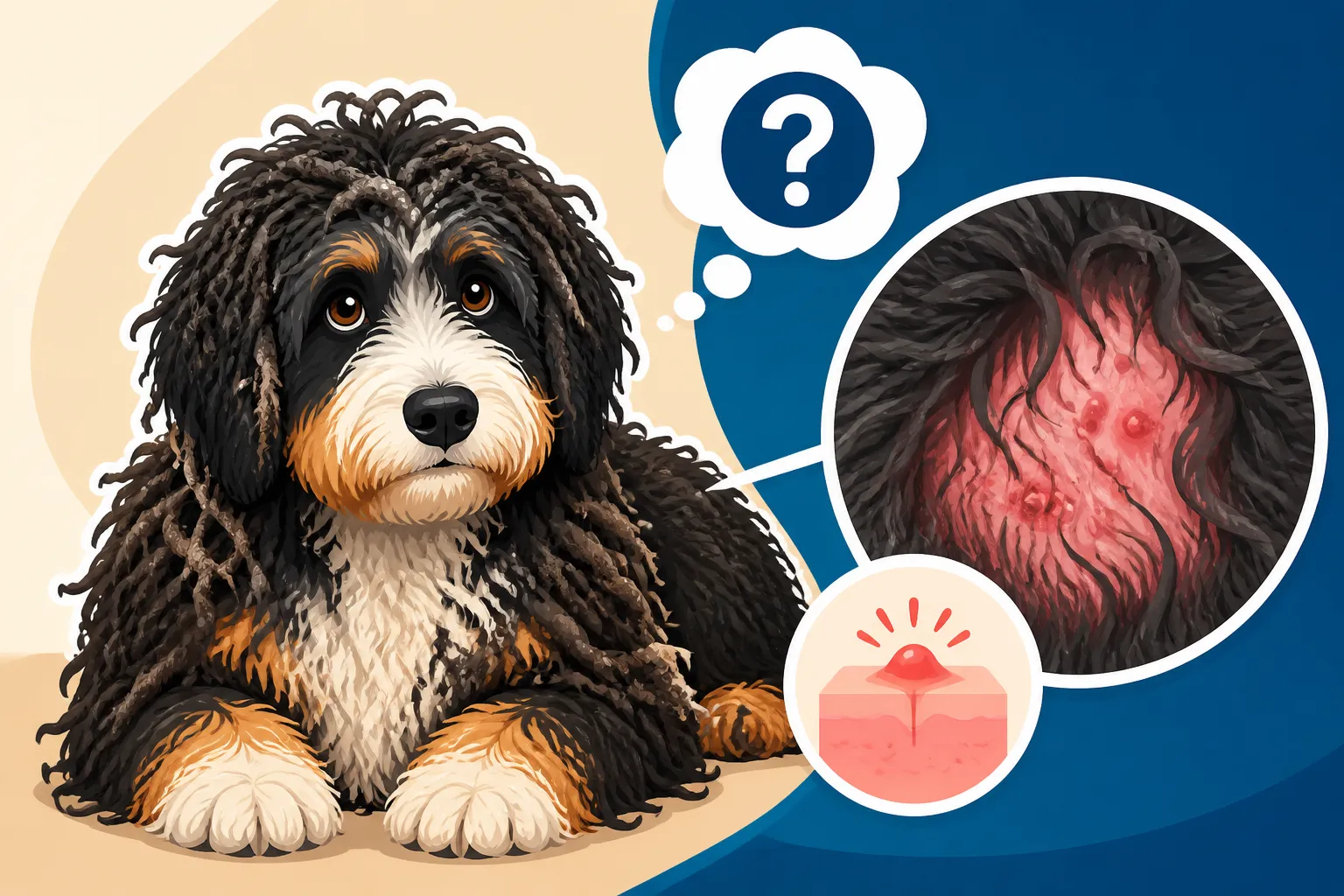
Let's be honest, those beautiful, fluffy Bernedoodle coats are a major draw, aren't they? But with great fluff comes great responsibility, and the unique combination of fur types in a Bernedoodle makes them incredibly prone to matting. It's not just a superficial knot on the surface; a mat is a dense, often painful, tangle of fur that pulls at your dog's skin, creating a hazardous environment underneath.
The Bernedoodle's Unique Coat Predisposition
The Bernedoodle inherits a fascinating, but high-maintenance, coat from both sides of its family tree. From the Bernese Mountain Dog, they can get that incredibly dense double coat, complete with a thick, insulating undercoat designed for chilly mountain climates. From the Poodle, they get the continuously growing, curly, or wavy hair that sheds minimally but loves to trap shed fur within its spirals. It’s this very combination that sets the stage for matting disasters. You might get a plush, wavy coat that feels like velvet, but if that dense Bernese undercoat tries to shed and gets caught in the Poodle curls, it quickly forms a tangled web. This is why understanding The Volume of Coat a Bernedoodle Owner Brushes Weekly is so important; it’s a commitment.
How Mats Form and Tighten
Mats don't just appear overnight; they typically start small. Picture this: your Bernedoodle is rolling in the grass, wrestling with another dog, or just enjoying a good scratch behind the ears. Each movement, each rub, creates friction. Shed hair, dander, dirt, and even tiny bits of debris get caught in the living hair, forming a small knot. If this knot isn't brushed out promptly, it starts to collect more loose hair. As your dog moves, the mat pulls on the surrounding fur, tightening its grip. Over time, especially in high-friction areas like behind the ears, under the collar, in the armpits, on the belly, or in the "britches" area around the rear legs, these small knots transform into large, dense, felt-like pads that are incredibly difficult to comb through. It's a painful process for your dog, much like having your hair constantly tugged. You can often find particularly stubborn Mats in a Bernedoodle's Armpits and Britches because these areas are constantly rubbing.
The Microclimate Under a Mat
Beyond the physical discomfort, a mat creates a literal "hot zone" on your dog's skin. Imagine wearing a thick, woolen sweater that's glued to your skin, never letting air circulate. That's what a mat feels like, but worse. It traps moisture from sweat, baths, or even just humidity in the air. This dark, warm, and moist environment is absolutely ideal for the proliferation of bacteria and yeast that naturally live on your dog's skin. It’s like a tiny, festering greenhouse, just waiting for the opportunity to cause trouble. The lack of airflow means that skin can't breathe, leading to irritation and a compromised skin barrier, making it much easier for microscopic invaders to set up shop and cause an infection.
The Direct Link Between Matting and Skin Infections
So, it's pretty clear that mats are bad news. But how exactly do they escalate from being a painful tangle to a full-blown skin infection? It’s a cascading series of events that can quickly turn your Bernedoodle's comfortable coat into a source of severe discomfort and health concerns.
Moisture Trapping and Bacterial Growth
As mentioned, mats are champions at trapping moisture. Whether it's from a damp walk, a bath that didn't fully dry, or simply the natural perspiration of your dog's skin, that moisture gets locked against the skin. This constant dampness softens the skin, making it more delicate and susceptible to damage. Meanwhile, the warmth and lack of oxygen under the mat create a perfect incubator for opportunistic bacteria, like Staphylococcus, and yeasts, such as Malassezia. These organisms, normally present in small numbers on healthy skin, begin to multiply rapidly. This uncontrolled growth is what leads to pyoderma (bacterial skin infection) or yeast infections, manifesting as inflamed, itchy, and sometimes oozing patches on the skin. It’s a vicious cycle where the mat creates the perfect storm for these microbes to thrive.
Skin Irritation and Micro-trauma
Beyond the moisture, the sheer physical presence of a tight mat causes continuous irritation. The mat constantly pulls on the hair follicles, leading to inflammation. Think of it like a constant, localized headache for your dog's skin. This chronic pulling can cause abrasions and micro-tears in the skin, which might not be visible to the naked eye but are enough to break the skin's protective barrier. Once that barrier is compromised, it’s an open invitation for bacteria and yeast to enter the deeper layers of the skin, where they can cause more severe infections. The dog, feeling itchy and uncomfortable, will then scratch, chew, or lick at the area, further damaging the skin and exacerbating the problem. This self-trauma often leads to the development of "hot spots" – acute moist dermatitis – which are incredibly painful and spread rapidly. This is why addressing any Skin Problems Under a Bernedoodle's Heavy Coat promptly is so critical.
Identifying the Signs of a Skin Infection Under a Mat
Catching a skin infection early can make a huge difference in treatment and your dog's comfort. But when it's hidden under a dense mat, it can be tricky to spot until it's quite advanced. Here’s what you should be looking for:
- Unusual Odor: A distinct, often pungent, yeasty, or foul smell emanating from the matted area.
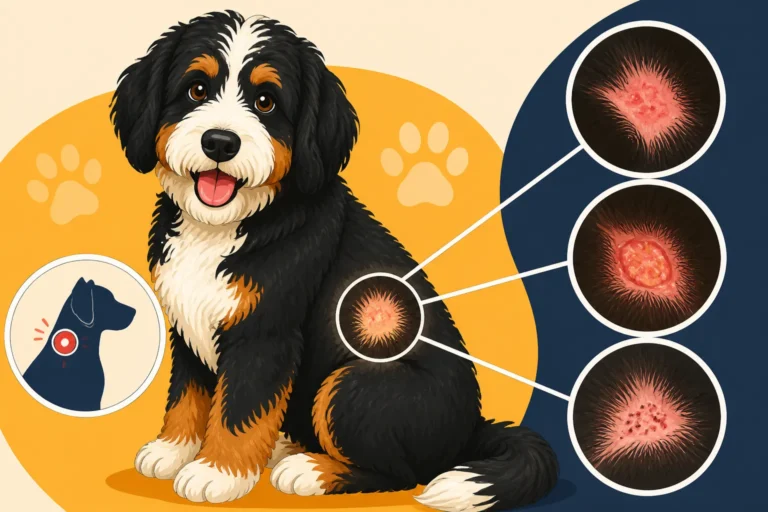
- Redness and Inflammation: If you can carefully part the fur around the mat, you might see angry red skin.
- Moisture or Discharge: The area might feel damp, or you might notice sticky, yellowish, or brownish discharge oozing from the mat. This is a big red flag.
- Pain and Sensitivity: Your dog might yelp, growl, or pull away when the matted area is touched, indicating significant pain.
- Excessive Licking or Chewing: If your Bernedoodle is obsessively licking, chewing, or scratching at a particular spot, especially around a mat, investigate immediately.
- Hair Loss: You might notice hair loss around the edges of the mat due to the pulling or the infection itself.
- Crusts or Scabs: As the infection progresses, crusts, scabs, or flaky skin can develop.
It's tempting to think it's just a little itch, but if you notice these signs, especially when coupled with matting, it's time to act.
Preventing and Treating Matt-Related Skin Issues
The good news is that most mat-related skin infections are preventable, and if they do occur, they are treatable. It requires diligence, the right tools, and knowing when to call in the professionals.
Regular Grooming as Your First Line of Defense
This cannot be stressed enough: consistent, thorough grooming is the absolute best way to prevent mats and the subsequent skin infections. For a Bernedoodle, "regular" means daily brushing for many, especially those with thicker or curlier coats, and professional grooming every 6-8 weeks, sometimes even more frequently for high-maintenance coats.
Here’s a practical grooming routine:
- Start Early: Get your Bernedoodle puppy used to being brushed and handled from a young age. Make it a positive experience with treats and praise.
- Use the Right Tools: You'll need a good quality slicker brush, a metal comb (preferably one with both wide and narrow teeth), and a detangling spray. An undercoat rake can also be useful, but be gentle. Understanding The Slicker and Rake a Bernedoodle Needs can make a huge difference.
- Line Brushing: This is key. Don't just brush the top layer of the coat. Part the fur in small sections and brush from the skin out, making sure your comb can glide through the coat without snagging all the way to the skin. This is the only way to catch developing tangles.
- Focus on Friction Points: Pay extra attention to those areas prone to matting: behind the ears, under the collar, armpits, belly, and "britches."
- Professional Grooming: Schedule regular appointments with a professional groomer who understands doodle coats. They can manage the length, clip problematic areas, and provide a thorough bath and blow-dry (which helps prevent new mats from forming). While a The Seventy to Hundred Fifty Dollar Bernedoodle Groom might seem steep, it’s an investment in your dog’s health.
Remember, even with diligent home care, a Bernedoodle's coat can be tricky. Don't hesitate to consult a professional groomer for advice or to learn proper techniques. For many Bernedoodles, How Often a Bernedoodle Should Be Brushed can be a daily affair, sometimes taking The Weekly Hours a Standard Bernedoodle's Coat Takes to maintain properly.
What to Do if You Discover a Mat and Infection
If you find a mat and suspect a skin infection underneath, do not try to remove it yourself with scissors. This is incredibly dangerous, as the skin can be pulled taut into the mat, leading to serious cuts that require emergency vet care.
Your immediate steps should be:
- Contact Your Veterinarian: This is crucial. A skin infection, especially one hidden under a mat, needs professional medical attention. The vet will be able to properly assess the severity of the infection and pain level.
- Professional Dematting and Shaving: In most cases, the mat will need to be shaved off. This often requires a professional groomer or vet technician, and sometimes even sedation if the mat is severe, extensive, or the dog is in a lot of pain. Trying to brush out a matted area that is already infected will only cause more pain and trauma to the skin. This is why What a Matted Bernedoodle Costs to Shave can be a significant expense. The goal is to expose the skin to air and allow for proper treatment.
- Treatment of the Infection: Your vet will likely prescribe topical treatments (medicated shampoos, ointments) and/or oral antibiotics or antifungal medications, depending on the type and severity of the infection. They might also prescribe anti-inflammatory medications or pain relief. It's important to follow their instructions precisely. Pet insurance providers like Healthy Paws often cover unexpected vet visits for conditions like severe skin infections, which can be a huge relief for owners.
Post-Treatment Care and Long-Term Strategies
Once the initial infection is cleared and the mats are removed, the focus shifts to preventing recurrence and maintaining skin health.
- Keep the Area Clean and Dry: Continue with any medicated baths your vet recommends. Ensure the skin is thoroughly dried after bathing.
- Maintain Shorter Hair: Especially for Bernedoodles prone to matting or with previous infections, keeping the coat a bit shorter can significantly reduce the risk. Discuss appropriate coat lengths with your groomer.
- Regular Brushing (Revisited): Once the coat starts to grow back, recommit to that diligent daily brushing routine. This is non-negotiable for a Bernedoodle.
- Nutrition and Supplements: A high-quality diet and sometimes specific supplements (like omega-3 fatty acids) can support skin and coat health from the inside out. Always discuss supplements with your vet first.
- Monitor Closely: Be vigilant. Check your Bernedoodle’s coat and skin regularly, especially the problem areas. Address any small tangles or signs of irritation immediately.
- Consider Pet Insurance: As we've seen, unexpected health issues can crop up. Having a comprehensive pet insurance plan from a provider like Healthy Paws can help manage the costs of vet visits, medications, and potential sedation for dematting. It offers peace of mind when your furry family member needs care. Inquire about Insuring a Bernedoodle Against the Bernese Half as some breeds are prone to certain conditions.
Here's a quick reference table to help visualize the matting-to-infection process and appropriate responses:
| Matting Severity | Description | Risk of Skin Infection | Recommended Action |
|---|---|---|---|
| Minor Tangles | Small, superficial knots; can be brushed out with some effort. | Low (if addressed) | Daily line brushing, regular combing. |
| Moderate Mats | Larger, denser tangles, pulling on skin; difficult to brush out. | Medium to High | Attempt gentle detangling with spray. If unsuccessful, professional dematting/shaving. |
| Severe Mats | Dense, felted patches covering large areas; skin is red, odorous, or painful. | Very High | Immediate vet visit. Mat will likely need to be shaved by a professional, possibly under sedation. Treatment for infection. |
Don't let the beauty of your Bernedoodle's coat overshadow the importance of its health. A matted Bernedoodle can absolutely develop painful and serious skin infections, but with proactive care and quick action when issues arise, you can keep your beloved companion comfortable and healthy. It's a commitment, but one that every Bernedoodle owner will tell you is incredibly rewarding. If you ever have a really stubborn mat that you simply cannot get out, know that sometimes Whether a Matted Bernedoodle Must Be Shaved Down is the kindest option for your dog.
Disclaimer
This article is intended for informational purposes only and does not constitute veterinary advice. Always consult with a qualified veterinarian for any health concerns or before making any decisions about your pet's medical care.