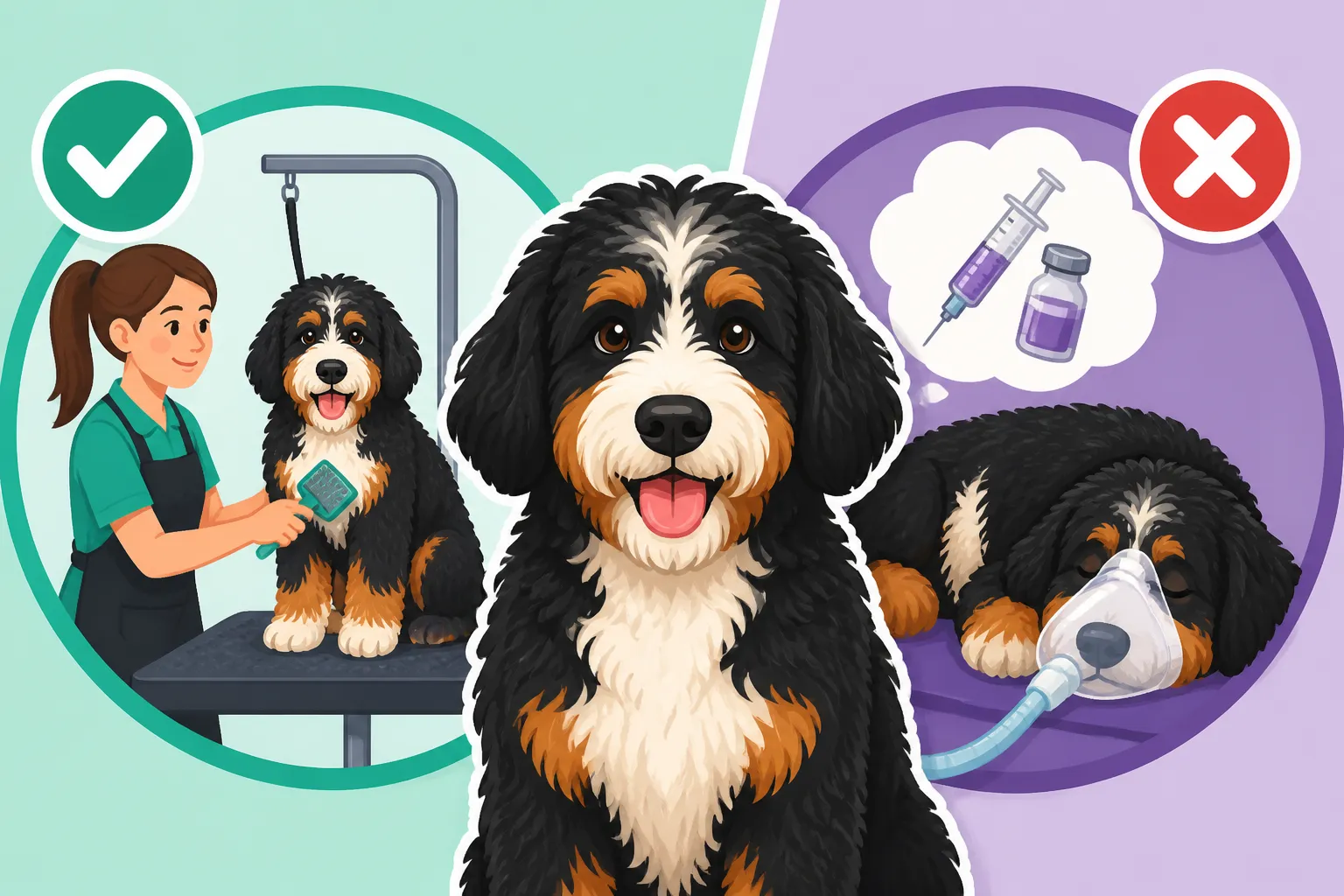
Whether a Bernedoodle Should Ever Be Sedated to Groom
It’s a scenario many Bernedoodle owners dread: the grooming appointment. You love your fluffy companion, but the sheer thought of them struggling, panicking, or even snapping during a necessary trim can be heartbreaking and stressful for everyone involved. Sometimes, the conversation turns to sedation – a drastic step that brings a mix of relief and worry. This guide will delve deep into whether sedation for grooming is ever truly the answer for your Bernedoodle, exploring the underlying issues, alternative strategies, and when veterinary intervention might be a compassionate choice.
Understanding the Fear and Anxiety Behind Grooming Struggles
When your Bernedoodle fights, wriggles, or outright refuses to cooperate during grooming, it’s not usually out of spite. More often than not, it stems from genuine fear, anxiety, or past negative experiences. Their large size and strong will, combined with a thick, mat-prone coat, can make grooming a daunting challenge, even for experienced professionals. Understanding the root cause of this resistance is the first step toward finding a kinder, more effective solution.
Common Triggers for Grooming Resistance in Bernedoodles
Bernedoodles, with their Poodle intelligence and Bernese Mountain Dog sensitivity, can develop strong aversions to grooming for a variety of reasons. Often, it begins early in puppyhood. If their first few experiences with brushing, nail trims, or a professional groomer were startling, painful, or overwhelming, those negative associations can quickly solidify. Imagine a loud dryer, unfamiliar clippers buzzing near sensitive ears, or even just the feeling of being restrained on a cold table – it can be a lot for a young pup.
Another common trigger is matting. Bernedoodles have luxurious coats that can tangle and mat surprisingly quickly, especially in areas like behind the ears, armpits, and leg feathering. Brushing out these mats can be genuinely painful, turning an already anxious dog into one who actively fears the brush. Even benign aspects of grooming, like standing still for extended periods, can be difficult for a dog that might prefer to be playing or lounging. The unfamiliar smells, sounds, and even the presence of other dogs at a grooming salon can also contribute to their stress levels, overwhelming their senses and triggering a fight-or-flight response.
Recognizing the Signs of Extreme Fear and Stress
It’s crucial to be able to read your Bernedoodle’s body language to understand their level of discomfort. Early signs of stress can be subtle: lip licking, yawning (when not tired), turning their head away, or a tense body posture. As anxiety escalates, you might see whale eye (where the whites of their eyes are visible), panting without exertion, trembling, cowering, or attempting to hide. Some Bernedoodles will become still and "freeze," a sign of extreme fear where they might be too terrified to move.
In more severe cases, or when a dog feels truly trapped, these signs can progress to growling, snapping, or even biting. This isn't aggression for aggression's sake; it's a desperate attempt to communicate "I'm scared, please stop." Ignoring these signals or pushing a dog past their comfort threshold can severely damage trust and make future grooming sessions even more traumatic, creating a cycle of fear and escalating behaviors. It's a tough situation, especially when The Weekly Hours a Standard Bernedoodle's Coat Takes are so significant.
Exploring Alternatives to Sedation for a Nervous Bernedoodle
While sedation might feel like the only option when facing a highly anxious Bernedoodle, it’s important to remember that it’s usually a last resort. There are many effective, humane strategies that can often transform a fearful dog into one who tolerates, or even enjoys, grooming. These approaches focus on building trust, positive associations, and breaking down the grooming process into manageable, non-threatening steps.
Gradual Desensitization and Positive Reinforcement Techniques
This is the cornerstone of helping a fearful dog. Desensitization means gradually exposing your Bernedoodle to grooming tools and sensations at a level they can comfortably handle, slowly increasing the intensity over time. For example, instead of immediately trying to brush out a mat, start by simply showing them the brush. Let them sniff it, then give them a high-value treat. Repeat this many times. The goal is to create a positive association: "Brush means yummy treat!"
Once they're comfortable with the brush's presence, gently touch it to their back for a second, then treat. Slowly work your way up to longer strokes, different body parts, and eventually to actual brushing. The same principle applies to clippers, dryers, and nail grinders. Turn the tool on across the room, treat. Move it closer, treat. Touch it to their fur (turned off), treat. Always keep sessions short, positive, and end before your dog shows signs of stress. A Bernedoodle That Will Not Stand for Brushing often benefits immensely from this patient approach.
Positive reinforcement is crucial throughout this process. Every time your Bernedoodle shows even a tiny bit of cooperation – looking at the brush without fear, allowing a brief touch, standing still for a moment – reward them generously with treats, praise, or a favorite toy. This teaches them that good things happen when they cooperate, building confidence and reducing anxiety around grooming. Consistency is key, even if it feels like you're taking baby steps. Remember, you're retraining an emotional response, which takes time and patience.
The Role of Professional Trainers and Force-Free Groomers
Sometimes, a dog's fear is so ingrained or their size makes handling difficult, that professional help is invaluable. A certified professional dog trainer, especially one experienced in fear and aggression, can provide tailored guidance and hands-on support. They can teach you how to properly implement desensitization and counter-conditioning techniques, identify subtle stress signals you might miss, and help you develop a structured training plan. Organizations like BAXTER & Bella offer online puppy and dog training programs that include specific modules on preparing your dog for grooming, which can be an excellent resource for building a strong foundation from the start.
Similarly, seeking out a force-free groomer can make a world of difference. These groomers prioritize a dog's emotional well-being above all else. They use positive reinforcement, go at the dog's pace, and avoid any methods that cause fear or pain. They understand that a calm, cooperative dog is safer for everyone. They might recommend multiple short "happy visits" where your Bernedoodle simply comes in, gets some treats, and leaves, slowly building positive associations with the grooming environment. They're often experts at managing tricky coats and dogs, finding creative ways to get the job done without resorting to restraint or force. Getting a Bernedoodle Used to the Grooming Table is a great example of where professional help can really shine.
Tools and Environment Adjustments for a Calmer Experience
The right tools and a thoughtful environment can significantly reduce your Bernedoodle's grooming anxiety. For home grooming, invest in high-quality, sharp brushes and clippers. Dull tools pull and snag, causing pain and making your dog hate the process. A good slicker brush and a metal comb are essential for regular maintenance and preventing mats, as discussed in How Often a Bernedoodle Should Be Brushed. For nail trims, consider a dremel grinder instead of clippers, as some dogs find the sensation less jarring.
Creating a calm grooming space at home is also vital. Choose a quiet room away from distractions. Use a non-slip mat on your grooming table or even on the floor if your Bernedoodle is more comfortable there. Soft, calming music or a white noise machine can help muffle frightening sounds. Consider using pheromone sprays or diffusers known to have a calming effect on dogs. For dogs that panic at the sound of the dryer, a "happy hoodie" or soft ear covers can dramatically reduce noise sensitivity. You can find many of these specialized grooming tools and calming aids on platforms like Amazon, making it easier to equip yourself for a successful home grooming routine. Teaching a Bernedoodle to Accept the Dryer highlights how important these environmental adjustments can be.
When Sedation Becomes a Consideration: Consulting Your Veterinarian
Despite the best efforts with training and positive reinforcement, there are rare instances where sedation for grooming becomes a compassionate and necessary consideration. This isn't a decision to be taken lightly and should always be made in close consultation with your veterinarian. They can assess your Bernedoodle's overall health, evaluate the severity of their anxiety, and determine if the benefits of sedation outweigh the potential risks.
Medical Reasons for Sedated Grooming
There are specific situations where a dog's welfare might genuinely necessitate sedated grooming. The most common is severe matting that cannot be safely or humanely removed otherwise. Extreme mats can pull on the skin, restrict movement, cause skin infections, and even lead to severe pain. Attempting to de-mat a severely matted Bernedoodle without sedation can be excruciating, dangerous for the dog, and put the groomer at risk. In these cases, a full shave-down under light sedation might be the quickest and kindest option, ensuring the dog doesn't suffer unnecessary pain. Whether a Matted Bernedoodle Is Painful to Handle explains the physical discomfort mats cause.
Other medical conditions might also make grooming painful or impossible without sedation. Dogs with severe arthritis, hip or elbow dysplasia, or other mobility issues might find standing or being manipulated for grooming intensely uncomfortable. Similarly, dogs with extreme skin sensitivities, open wounds, or recovering from surgery might need sedation to allow for necessary clipping or cleaning without causing further injury or distress. In these scenarios, sedation isn't a shortcut; it's a therapeutic tool to ensure essential care can be provided without causing additional suffering.
The Risks and Benefits of Pharmacological Sedation
Like any medical procedure, sedation carries both risks and benefits.
Benefits:
- Reduced Stress and Trauma: For a highly anxious or fearful Bernedoodle, sedation can prevent a traumatic grooming experience, which could otherwise worsen their fear.
- Safety for Dog and Groomer: It ensures the dog remains still, preventing accidental nicks or cuts from clippers, and protects the groomer from bites.
- Necessary Care: Allows for essential grooming (like de-matting or nail trims) that would otherwise be impossible due to pain or fear.
- Faster Procedure: A calm, sedated dog allows the groomer to work more efficiently, reducing the overall time the dog needs to be handled.
Risks:
- Anesthetic Risks: All sedation carries a degree of risk, including adverse reactions, respiratory depression, or cardiovascular issues. These risks are generally low for healthy animals but increase with age or pre-existing conditions.
- Side Effects: Dogs can experience drowsiness, nausea, disorientation, or balance issues post-sedation.
- Cost: Sedation adds a significant cost to the grooming process, as it requires veterinary supervision and medication.
- No Behavioral Change: Sedation addresses the symptoms of fear (the struggle) but not the underlying cause. The dog will still be fearful at the next grooming session unless behavioral modification is also implemented.
- Potential for Over-Sedation: While rare with proper veterinary oversight, there's always a risk of giving too much or the dog reacting unexpectedly.
Your veterinarian will carefully weigh these factors, consider your Bernedoodle's age, health history, and the specific medication used to ensure the safest possible outcome. They may recommend pre-sedation blood work to check organ function, especially for older dogs or those with known health issues.
Preparing Your Bernedoodle for Sedated Grooming
If sedation is deemed necessary, your vet will provide specific instructions, but generally, there are a few key steps. Your Bernedoodle will likely need to fast for a certain number of hours before the appointment to reduce the risk of vomiting during sedation. It’s also important to ensure they are well-hydrated. Discuss any medications or supplements your Bernedoodle is currently taking with your vet, as some might interact with sedatives.
On the day of the appointment, keep your Bernedoodle calm and relaxed as much as possible. Avoid strenuous exercise or anything that might heighten their anxiety before they arrive at the clinic or groomer. Following the procedure, your Bernedoodle will likely be groggy and disoriented. Ensure they have a quiet, comfortable space to recover at home, with easy access to water (once the vet advises it's safe) and a soft bed. Monitor them closely for any unusual reactions or prolonged grogginess. Remember, even with sedation, gentle handling and a calm demeanor from you are still incredibly important for their overall experience. Consider brushing up on basic obedience and cooperation skills with resources like BAXTER & Bella to help make any handling, even post-sedation, a little easier.
Long-Term Strategies for a Stress-Free Grooming Life
Sedation, when used, should be a temporary solution, not a recurring fix. The ultimate goal is always to help your Bernedoodle become more comfortable with grooming over time, reducing the need for pharmacological intervention. This requires a dedicated, consistent, and patient approach that combines ongoing training, clear communication with your groomer and vet, and proactive care at home.
Consistency and Continued Training at Home
The work doesn't stop after a sedated groom. In fact, it's just the beginning of a renewed commitment to positive grooming experiences. You need to consistently practice short, positive grooming sessions at home, even if it's just a few minutes of gentle brushing with lots of treats every day. Focus on touching their paws, ears, tail, and other sensitive areas, pairing each touch with a reward. This regular handling makes future professional grooms less intimidating.
Invest in a variety of grooming tools and introduce them slowly and positively. Even if your Bernedoodle tolerates one brush, they might need desensitization to a different type of comb or clippers. Make grooming a predictable, calm part of their routine. This might mean setting up a designated "grooming station" where they always get brushed and pampered. The more routine and predictable it becomes, the less anxious they will be. Remember, Building a Bernedoodle Up to a Three Hour Groom isn't a quick sprint; it's a marathon of consistent, positive daily interactions.
Maintaining a Partnership with Your Groomer and Vet
Open and honest communication with your professional groomer and veterinarian is paramount. Share your Bernedoodle's history of anxiety, what triggers their fear, and what strategies you've been working on at home. A good groomer will be willing to work with you, trying different techniques, taking breaks, or even scheduling shorter, more frequent appointments to prevent your Bernedoodle from becoming overwhelmed. They might even suggest specific techniques or products they've had success with for nervous dogs.
Your vet remains your most important partner in managing your Bernedoodle's overall health and well-being. Regular check-ups can help identify any underlying medical conditions that might contribute to grooming pain or anxiety. If behavioral medications are considered as a temporary aid to reduce anxiety before grooming sessions (as opposed to full sedation during), your vet is the one who can prescribe and monitor these. They can also offer advice on calming supplements or discuss potential long-term anti-anxiety protocols if your Bernedoodle suffers from generalized anxiety beyond just grooming.
Table: Sedated vs. Non-Sedated Grooming Considerations
| Feature | Non-Sedated Grooming (Training-Based) | Sedated Grooming (Veterinary Supervised) |
|---|---|---|
| Primary Goal | Build positive associations, reduce fear long-term, ensure comfort. | Facilitate essential grooming when other methods fail or are unsafe. |
| Behavioral Impact | Addresses underlying fear, teaches coping skills, builds trust. | Temporarily suppresses behavior; does not teach coping or build trust. |
| Safety | High safety if done patiently; potential for bites if forced. | Generally safe under vet care; inherent risks of anesthesia. |
| Cost | Initial investment in tools, trainer fees. Ongoing treats. | Significant additional cost for vet exam, sedation, and monitoring. |
| Time Investment | Requires consistent, patient training over weeks/months. | One-time procedure, but recovery time needed. |
| Preparation | Gradual introduction to tools, positive reinforcement. | Pre-vet check, fasting, specific vet instructions. |
| Frequency | Ideal for regular, routine grooming. | Reserved for emergencies or extreme cases where alternatives fail. |
| Long-Term Outlook | Aims for a relaxed, cooperative dog. | May be necessary for immediate needs; behavioral work still required. |
Ultimately, the decision to sedate your Bernedoodle for grooming is a serious one, not to be taken lightly. It's born from a place of love and a desire to ensure their comfort and well-being. However, with patience, consistent positive reinforcement, and a strong partnership with your veterinary and grooming professionals, you can often guide your Bernedoodle toward a much more relaxed and happy grooming experience, making sedation an infrequent, if ever, necessity.
Disclaimer
This article is for general informational purposes only and does not constitute professional advice. Laws, prices and regulations vary by location and change over time. Consult a qualified professional for guidance on your specific situation.