Whether Grooming Stress Makes a Bernedoodle Snappy
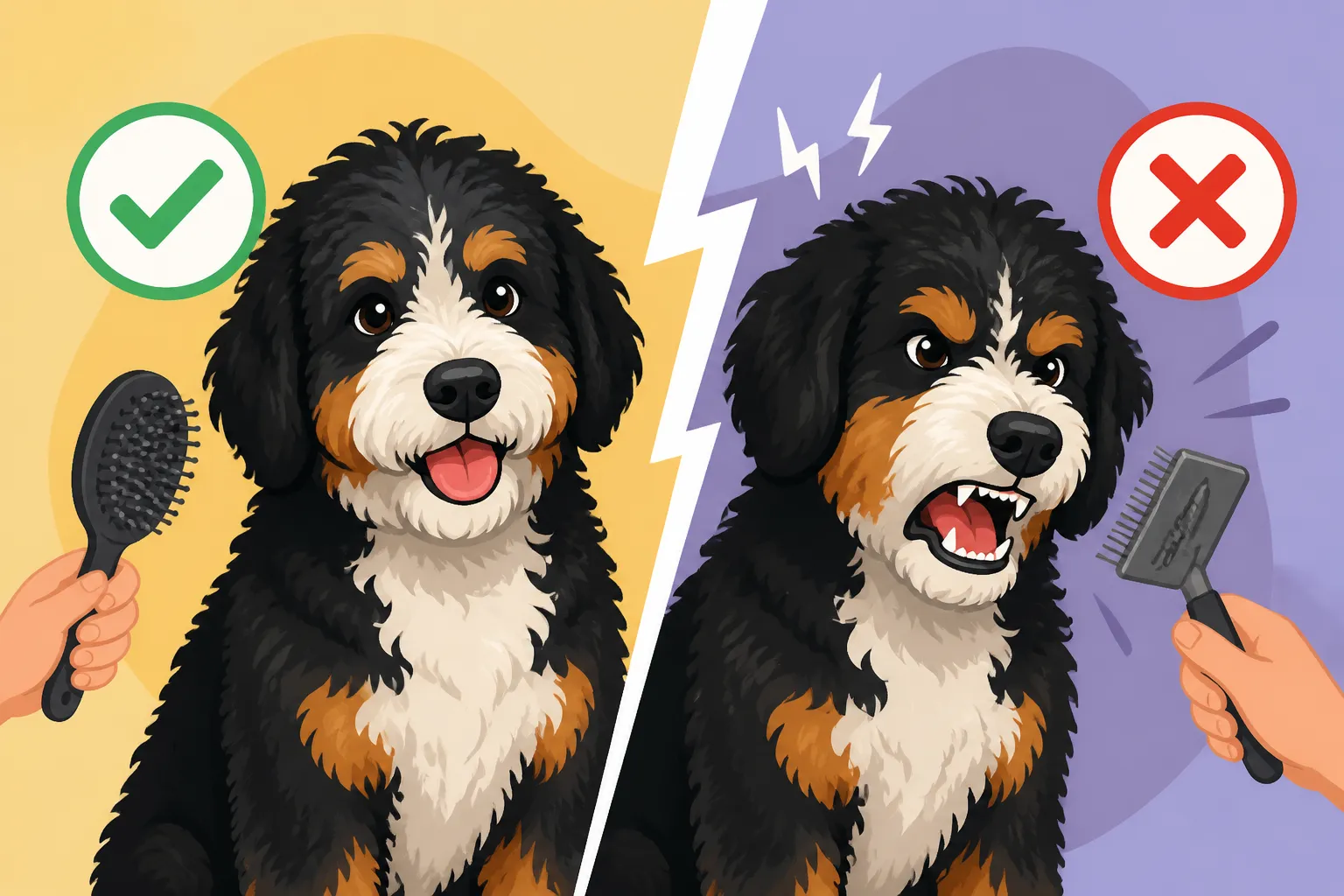
It's a common and incredibly frustrating scenario: you love your big, fluffy Bernedoodle, but the moment the brush comes out or the clippers buzz, they transform into a wriggly, growling, even nippy creature. You might wonder if you're doing something wrong or if grooming stress is actually turning your sweet companion snappy. The truth is, grooming can indeed be a huge source of anxiety for many Bernedoodles, leading them to exhibit defensive behaviors that are often misinterpreted as aggression, but are actually a plea for understanding and comfort. This guide will delve into why grooming causes such distress, how to recognize the subtle and overt signs of stress, and most importantly, what you can do to transform grooming into a more positive experience for both of you.
Understanding Why Grooming Becomes Stressful for Bernedoodles
Our Bernedoodles are sensitive souls, often inheriting both the Bernese Mountain Dog's desire to please and the Poodle's intelligence and sometimes, fastidious nature. But when it comes to grooming, these traits can be overshadowed by instincts or past experiences that make the process utterly terrifying. It’s not about them being "bad"; it's usually about legitimate discomfort, fear, or simply not understanding what's happening.
The Sensory Overload of Grooming
Imagine being held still while strange tools make loud noises, pull at your hair, and spray you with water, all while you're confined to a slippery surface. That's often what grooming feels like to a dog. For a Bernedoodle, with their dense, often wavy or curly coat and drop ears, the sensory input can be overwhelming.
Think about the sound of clippers, especially those powerful ones needed to manage their thick Bernedoodle coat. Or the high-pitched whine of a force dryer, which is absolutely essential for getting them dry to the skin but can sound like a jet engine to sensitive ears. Add to that the unfamiliar smells of shampoos and conditioners, the constant pulling sensation of brushes working through tangles, and the vulnerability of being held in place, and it's easy to see how a Bernedoodle can quickly feel overwhelmed. Their deep ears, inherited from both parent breeds, can also make them more prone to ear infections, making ear cleaning particularly sensitive.
Unpleasant Past Experiences and Lack of Preparation
Unfortunately, many Bernedoodles don't get the early, consistent, positive introduction to grooming that they need. A single bad experience – perhaps a painful mat being brushed out forcefully, a nail quicked too deeply, or a chaotic first visit to a busy groomer – can leave a lasting negative impression. Dogs learn quickly from these experiences, and once they associate grooming with pain or fear, it’s incredibly hard to undo.
Puppies, especially large breeds like Bernedoodles that grow rapidly, often aren't prepared for the extensive grooming their adult coats will require. A quick brush in puppyhood might not have prepared them for The Weekly Hours a Standard Bernedoodle's Coat Takes later on. If a Bernedoodle puppy isn't desensitized to handling their paws, ears, and mouth from a young age, or isn't introduced to the sights and sounds of grooming tools gradually, they’re set up for stress. This is where programs like BAXTER & Bella, which offer online puppy training, can be incredibly helpful for setting a positive foundation long before grooming issues arise.
Physical Discomfort and Pain
Sometimes, the snappiness isn't just about fear; it's about genuine physical discomfort. A Bernedoodle with a severely matted coat is experiencing constant pulling on their skin, which can be incredibly painful, especially in sensitive areas like armpits, behind the ears, and in the "britches" area. Trying to brush out these mats will naturally elicit a strong, defensive reaction. If you've ever had a bad hair tangle, imagine that sensation magnified and spread across your entire body. This is why the pain of handling a matted Bernedoodle is so important to understand.
Beyond mats, underlying health issues can contribute to grooming sensitivity. Arthritis in an older Bernedoodle, a hidden hot spot under their thick coat, a skin infection, or even a dental problem can make being touched in certain areas excruciating. It's crucial to rule out any medical reasons for sudden changes in grooming behavior. When they snap, they might be saying "ouch!" rather than "no."
Recognizing the Signs of Stress and Snappiness
It's tempting to think of "snappy" as a sudden, out-of-the-blue bite, but dogs almost always give a series of signals before reaching that point. Learning to read these signals, especially in a dog as large and powerful as a Bernedoodle, is vital for preventing escalation and building trust.
Subtle Cues Before the Snap
Dogs communicate primarily through body language, and a Bernedoodle feeling stressed during grooming will offer many subtle cues before resorting to a growl or snap. Unfortunately, humans often miss these early warnings.
Here are some common subtle signs of stress to watch for:
- Lip licking or yawning: Not necessarily indicating hunger or tiredness, but often a calming signal indicating stress or unease.
- Turning head away: Your Bernedoodle might try to avoid eye contact or turn their head sharply away from the brush or clippers.
- Whale eye: When the whites of their eyes are visible, often paired with a tense facial expression.
- Stiff body posture: They might freeze, become rigid, or lean away from your touch.
- Low tail carriage or tucked tail: A classic sign of fear or anxiety.
- Rapid panting (when not hot or exercised): Can indicate stress.
- Shaking or trembling: A clear sign of significant fear.
- Displacement behaviors: Suddenly itching themselves, sniffing the floor, or trying to jump down – anything to avoid the current situation.
If you see these signs, your Bernedoodle is telling you, "I'm not comfortable. Please stop or change what you're doing." Ignoring these signals teaches them that their subtle communication isn't working, forcing them to escalate to more overt behaviors.
Overt Defensive Behaviors
When the subtle cues are missed, a Bernedoodle might escalate their communication to more obvious, defensive actions. These are still attempts to create distance or stop the perceived threat, not necessarily malicious aggression.
- Growling: This is a clear warning. Your Bernedoodle is saying, "I'm very uncomfortable, and if you don't stop, I will defend myself." It's critical to respect a growl, as it's a valuable communication. Punishing a growl can teach a dog to go straight to biting without warning.
- Nipping or Air Snapping: This is often a warning bite, designed to make you back off without causing serious injury. They might snap at the air near your hand or make light contact without breaking the skin.
- Muzzle Punching: A Bernedoodle might "punch" your hand or arm with their muzzle as a means of pushing you away.
- Biting: In severe cases, or if all other warnings have been ignored, a Bernedoodle may resort to biting. This is almost always a last resort born of fear and feeling trapped.
Understanding this progression is key. When your Bernedoodle gets snappy, they aren't being "naughty"; they are communicating profound discomfort or fear. Our job as their guardians is to listen and respond appropriately.
Here's a quick reference table for recognizing stress signals:
| Severity of Stress | Subtle Cues (Early Warnings) | Overt Cues (Escalated Warnings) |
|---|---|---|
| Low to Moderate | Lip licking, yawning, nose licking | Stiff body, freezing, leaning away |
| Moderate | Head turning away, whale eye, blinking | Low tail carriage, tucked tail, panting |
| Moderate to High | Trembling, shaking, displacement behaviors | Growling, snarling, muzzle punching, air snapping |
| High | Hiding, trying to escape | Biting (last resort) |
Proactive Steps to Prevent Grooming-Related Snappiness
The best defense against a snappy Bernedoodle during grooming is a good offense: proactive, positive, and consistent training from day one. It's about building a foundation of trust and making grooming a neutral, or even pleasant, experience.
Starting Early with Positive Reinforcement
Early and positive exposure is paramount for a Bernedoodle puppy. As soon as you bring your puppy home, begin a daily routine of handling. This means gently touching their paws, ears (lifting them, looking inside), tail, and mouth. Pair these touches with high-value treats and praise. The goal is to create positive associations: "When my human touches my paws, yummy things happen!"
Introduce grooming tools one by one, slowly. Let your puppy sniff the brush, then gently touch them with it for a second, then treat. Repeat. Progress to a few strokes, then a treat. Do this for short, frequent sessions, always ending on a positive note before they show any signs of stress. This is where a resource like BAXTER & Bella's online puppy training can be invaluable, as they often guide owners through these foundational steps. You can also look for articles like Getting a Bernedoodle Used to the Grooming Table for more specific guidance.
For larger tools like clippers or the dryer, start by simply having them in the room, then turning them on for a split second from a distance, rewarding your Bernedoodle for remaining calm. Gradually decrease the distance and increase the duration, always ensuring the experience remains positive. Think of it like a game, not a chore.
Creating a Calm and Safe Grooming Environment
The environment itself plays a huge role in your Bernedoodle's comfort level. Whether you're grooming at home or visiting a professional, aim for calm and predictability.
- Quiet Space: Choose a quiet area away from distractions, other pets, or loud noises.
- Non-Slip Surface: A non-slip mat on your grooming table or even on the floor is essential. Bernedoodles, especially those with hip or elbow issues, will feel more secure and less anxious if they aren't slipping and sliding. You can find excellent options on Amazon.
- Comfortable Temperature: Ensure the space isn't too hot or cold. Bernedoodles, with their thick coats, can overheat easily.
- Positive Atmosphere: Speak in a calm, reassuring voice. Avoid sudden movements or getting frustrated. Your mood is contagious!
- Short Sessions: Especially in the beginning, keep grooming sessions brief. A few minutes of positive experience is far better than a long, traumatic one. Gradually build up duration as your Bernedoodle's comfort increases. This is particularly relevant when considering How Long a Standard Bernedoodle Takes to Groom.
Essential Tools and Techniques for Home Grooming
Having the right tools makes a world of difference. Investing in good quality equipment can reduce pulling and discomfort, making the experience better for your Bernedoodle.
- Slicker Brush and Metal Comb: These are your best friends. A good quality slicker brush (like those available on Amazon) for removing loose hair and light tangles, followed by a long-toothed metal comb to check for mats right down to the skin. Remember, The Brushes a Bernedoodle Owner Actually Needs are more than just one.
- Force Dryer: For a Bernedoodle, a force dryer isn't a luxury; it's a necessity for proper drying after a bath to prevent matting and skin issues. Get them used to it slowly. Whether a Force Dryer Is Worth Buying for a Bernedoodle is an easy "yes" for this breed.
- High-Quality Shampoo and Conditioner: Choose products designed for thick, curly coats to minimize tangles and keep their skin healthy.
- Treats: Always have a supply of irresistible, high-value treats on hand to reward calm behavior.
- Patience: This is perhaps the most important tool of all. You'll need an abundance of it.
When brushing, always start at the extremities (paws, legs) and work your way up to more sensitive areas. Use a technique called "line brushing," parting the hair and brushing small sections from the skin out. This ensures you're getting all the way through the thick coat and not just skimming the top. This also helps prevent the painful matting that often leads to snappiness.
What to Do When Your Bernedoodle is Already Snappy
If your Bernedoodle is already exhibiting snappy behavior during grooming, it’s not too late to help them. However, it requires a shift in approach, immense patience, and potentially professional intervention. Safety for both you and your dog must be the top priority.
Desensitization and Counter-Conditioning
This is the cornerstone of rehabilitating a dog with grooming stress. The goal is to change your Bernedoodle's emotional response from fear/anxiety to relaxation/happiness.
- Identify the Triggers: What specifically causes the snappiness? Is it the sound of clippers, the brush on a certain body part, the restraint, or getting wet?
- Start Below Threshold: Begin by exposing your Bernedoodle to the trigger at such a low intensity that they don't react negatively. This might mean having the clippers in the same room but turned off, or just touching the brush to their back for a second.
- Pair with High-Value Rewards: Immediately after the non-threatening exposure, give a truly irresistible treat. The goal is: trigger appears -> great thing happens.
- Gradual Progression: Slowly increase the intensity or duration of the trigger, always ensuring your Bernedoodle remains comfortable. If they show any signs of stress (lip licking, stiff body, etc.), you've gone too far, too fast. Go back a step.
- Break it Down: Don't try to do a full groom at once. Break it into tiny, manageable steps: nail trim day one, ear cleaning day two, a few minutes of brushing day three, etc.
- Seek Guidance: If you're struggling, consider watching online tutorials. Many resources show positive grooming techniques. Think of articles like A Bernedoodle That Will Not Stand for Brushing for specific issues.
A common scenario: your Bernedoodle snaps when you try to brush out mats. Instead of forcing it, start by simply touching the brush to their shoulder, giving a treat. Repeat. Then touch a leg, treat. Build up to the problematic areas very slowly, always rewarding calm acceptance. If a mat is causing pain, do not try to brush it out yourself if your Bernedoodle is reacting aggressively; this is a job for a professional groomer, and it might mean shaving down.
Seeking Professional Help
For Bernedoodles with severe grooming anxiety or aggression, professional help is often necessary and highly recommended.
- Certified Professional Dog Trainer (CPDT) or Veterinary Behaviorist: These experts can assess your Bernedoodle's behavior, identify the root cause of the stress, and create a customized behavior modification plan using positive reinforcement techniques. They can teach you the skills to safely and effectively work with your dog.
- Fear-Free Certified Groomers: Look for groomers who specialize in fear-free grooming. These professionals understand canine body language, use gentle handling techniques, work at the dog's pace, and may use special tools or calming methods. They can be invaluable in gradually reintroducing your Bernedoodle to a positive grooming experience. They will often take extra time, so be prepared for What a Standard Bernedoodle Groom Costs to reflect this specialized care.
- Veterinarian Consultation: Always rule out underlying medical conditions that might be contributing to pain or discomfort during grooming. Your vet can also discuss anxiety medications or supplements that might help reduce stress during the desensitization process, particularly for highly anxious dogs.
Remember, a professional groomer might refuse to work with a snappy Bernedoodle if it poses a risk to their safety, so addressing the underlying stress is crucial. Whether a Groomer Will Turn Away a Matted Bernedoodle is a real concern, and it often comes down to safety.
Managing Grooming When Stress Cannot Be Eliminated
Even with the best efforts, some Bernedoodles will always find grooming challenging. In these cases, the goal shifts to managing the process as safely and humanely as possible.
- Sedation: For extreme cases, especially for procedures like shaving down severe matting or nail trims that cause intense panic, your veterinarian may recommend sedation. This is not a long-term solution but can be a compassionate way to get necessary grooming done without causing further trauma.
- Frequent Short Sessions: Instead of one marathon grooming session, aim for very short, frequent sessions. For example, brushing for five minutes every day can prevent matting, making future professional grooms less stressful. This ties into the general advice of How Often a Bernedoodle Should Be Brushed.
- Minimalist Grooming: Discuss with your groomer what the absolute minimum is to keep your Bernedoodle healthy and comfortable. This might mean a shorter clip or less frequent bathing if your dog tolerates it better.
- Focus on Health Essentials: Prioritize nail trims, ear cleaning, and brushing to prevent mats and skin issues, even if it means some cosmetic aspects of grooming are compromised.
- Protective Gear: For your safety, if your Bernedoodle is prone to snapping, consider using a basket muzzle during necessary grooming. Introduce the muzzle positively, slowly, and with treats, well before grooming begins, so they associate it with good things, not punishment. Never use a muzzle to punish or silence a growl.
Ultimately, preventing grooming stress from making your Bernedoodle snappy is about empathy, education, and consistency. It’s about understanding their cues, respecting their boundaries, and building a foundation of trust that makes the necessary care a manageable part of their life, rather than a dreaded battle.
Disclaimer
This article is for general informational purposes only and does not constitute professional advice. Laws, prices and regulations vary by location and change over time. Consult a qualified professional for guidance on your specific situation.