Whether a Bernedoodle Fights Its Owner but Not the Groomer
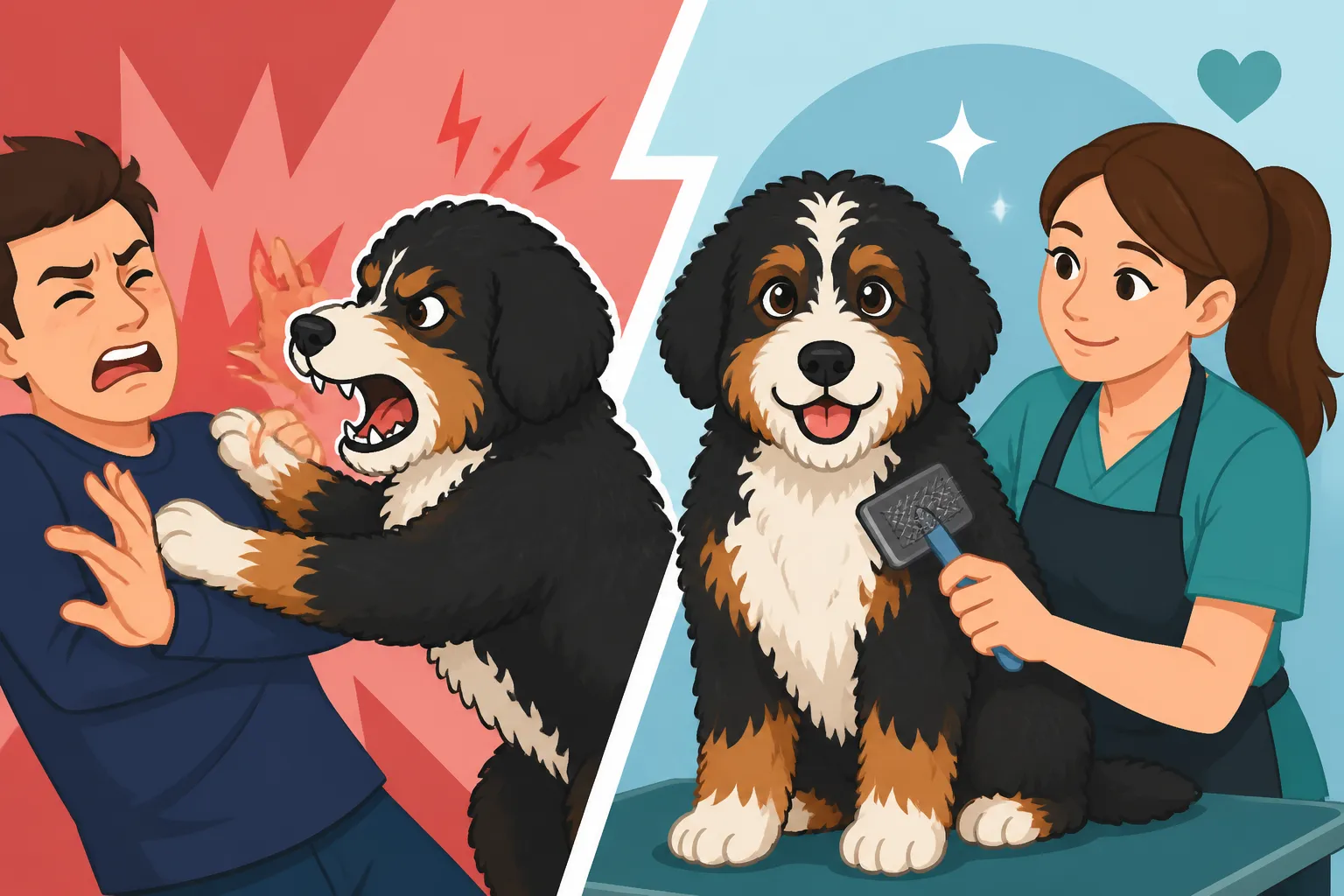
It's an utterly common, and often baffling, experience for many Bernedoodle parents: you drop off your fluffy companion at the groomer, expecting a frantic call about their challenging behavior, only to pick up a perfectly coiffed angel. Yet, the moment you try to trim a nail or brush out a mat at home, it feels like you're wrangling a grizzly bear. This guide will explore the fascinating dynamics behind why your Bernedoodle might behave like a saint for the professional groomer but put up a fight for you, and, more importantly, how you can foster a calmer, more cooperative grooming experience in your own home.
Understanding the Dynamics: Why the Difference in Behavior?
The stark contrast in your Bernedoodle's grooming behavior between home and the salon isn't just a figment of your imagination; there are very real, often subtle, reasons at play. It’s not that your Bernedoodle loves the groomer more, but rather that the professional environment and approach can trigger a different response. Understanding these underlying factors is the first step toward creating a better experience for both of you.
The Professional Advantage: Tools, Environment, and Routine
Think about a professional grooming salon. It's usually a dedicated space, free from the distractions and emotional baggage that might be present at home. Groomers often have specialized, high-quality equipment that makes their job easier and more efficient, reducing discomfort for the dog. They use professional-grade force dryers that get a dog dry quickly, reducing the time a dog needs to tolerate the process, and sharp, well-maintained clippers that don't pull or snag the coat. The grooming table itself can be a significant factor; it elevates the dog, making it easier for the groomer to work, and often has restraints that, while used gently, communicate a clear boundary that the dog needs to stand still.
Moreover, professional groomers establish a consistent routine. Dogs thrive on predictability. When a Bernedoodle goes to the groomer, they quickly learn what to expect: bath, dry, brush, trim. There's a set sequence of events, executed with efficiency and confidence. This routine, combined with an environment specifically designed for grooming, minimizes novelty and uncertainty, allowing your Bernedoodle to mentally prepare for the session. At home, grooming might happen sporadically, in different locations, with varying levels of enthusiasm or anxiety from the owner, which can create inconsistency and heighten a dog's reluctance.
A Matter of Perception: Who's in Charge?
This might be a tough pill to swallow, but sometimes, our Bernedoodles simply see us differently than they see a professional groomer. At home, you're the loving provider of food, cuddles, and playtime. You're family. In this relationship, boundaries can sometimes become blurred, and a Bernedoodle might feel more empowered to "argue" or resist unpleasant tasks with you because they know you'll eventually give in, even if subtly. The Stubborn Streak Under a Bernedoodle's Poodle Brain can certainly come into play here, where they test limits to see what they can get away with.
A groomer, on the other hand, is a calm, confident, and neutral authority figure. They don't have the same emotional attachment, which allows them to maintain a clear, unwavering expectation. They communicate through their body language, tone, and actions that grooming is non-negotiable, but also not a punishment. This firm yet fair approach, devoid of hesitation or anxiety, often leads dogs to comply. They perceive the groomer as someone who knows what they're doing and won't be swayed by protests, leading them to simply accept the situation.
Consistency is Key: The Human Element
One of the biggest differences often lies in consistency, or the lack thereof, in home grooming practices. A professional groomer grooms dogs all day, every day. Their technique is honed, their movements are precise, and their patience, while deep, is also finite and results-oriented. They don't accidentally pull hair, they don't fumble with clippers, and they don't get frustrated and give up halfway through a mat. This consistent, skilled application means the grooming process is often quicker and less stressful for the dog, even if it's not their favorite activity.
At home, we, as owners, might be less consistent. We might only pull out the brush when the mats are already severe, making the experience painful. Our technique might be clumsy, or we might inadvertently convey our own anxiety to our Bernedoodles. Dogs are incredibly perceptive; they pick up on our stress, our hesitation, and our impatience. If you approach grooming with a sigh and a sense of dread, your Bernedoodle will likely mirror that feeling. A groomer, conversely, approaches the task with a professional demeanor, transmitting a sense of calm competence that encourages the dog to relax and cooperate. A Bernedoodle That Will Not Stand for Brushing is often a direct result of inconsistent or negative past experiences.
Bridging the Gap: Empowering Owners for Home Grooming
While you might not be able to replicate a professional salon in your living room, you absolutely can adopt strategies that will encourage your Bernedoodle to be more cooperative during home grooming sessions. The key is to shift your approach, build trust, and establish clear expectations, much like a good groomer does.
Building a Foundation of Trust and Respect
Before you even pick up a brush, you need to cultivate a relationship built on trust and mutual respect, not just love. This means being a consistent leader in all aspects of your Bernedoodle's life, not just grooming. Regular training, clear boundaries, and predictable routines help your Bernedoodle understand that you are the one who guides them. When they trust your judgment and leadership in everyday life, they are more likely to submit to less enjoyable tasks like grooming. Programs like those offered by BAXTER & Bella provide comprehensive online training that can help you establish this foundational relationship through positive reinforcement, making your Bernedoodle more receptive to learning new behaviors, including cooperative grooming.
Practice handling your Bernedoodle regularly, even when you're not grooming. Gently touch their paws, ears, tail, and muzzle. Inspect their teeth. Make these interactions positive, associating handling with treats and praise. This desensitization helps your dog become accustomed to being touched in sensitive areas, reducing their defensiveness when it's time for actual grooming. Remember, grooming isn't a battle; it's a necessary part of their care, and your calm, confident demeanor will go a long way in communicating that.
Implementing Grooming Routines at Home
Just as professional groomers rely on routine, you should too. Aim for short, frequent grooming sessions rather than infrequent, marathon struggles. For a Bernedoodle, with their propensity to mat, daily or every-other-day brushing is often recommended. This keeps mats at bay, making each session less painful and therefore more tolerable. How Often a Bernedoodle Should Be Brushed is a crucial piece of knowledge for any owner. Even if it's just five minutes of brushing and a quick paw check, consistency builds habit.
Establish a specific "grooming spot" and use it every time. This could be a designated mat on the floor, a sturdy table (with non-slip surface!), or even a spot on the couch if your dog is small enough. This consistency helps your Bernedoodle understand what's coming. Always start with something easy and pleasant, like a gentle stroke with the brush, followed by a high-value treat. End the session on a positive note, even if you only achieved a small step, to ensure your Bernedoodle associates grooming with positive outcomes. Gradually increase the duration and intensity of the grooming tasks as your dog's tolerance grows.
Seeking Professional Guidance for Behavior
If your Bernedoodle's resistance to grooming at home is significant or escalating, don't hesitate to seek professional help. This could mean working with a certified professional dog trainer who specializes in cooperative care or behavioral modification. They can observe your interactions, identify specific triggers for your Bernedoodle's resistance, and provide tailored strategies and techniques. Sometimes, simply having an objective third party guide you through the process can make all the difference.
Another excellent resource can be your professional groomer. Talk to them! Ask what techniques they use, what tools they recommend, and how your Bernedoodle behaves during their sessions. They might offer specific advice or even demonstrate how to handle certain areas. They might even suggest a "cooperative grooming" session where you attend with your dog, learning hands-on. Remember, groomers want your Bernedoodle to have a positive experience, whether it's with them or with you at home. Whether a Groomer Needs Help With a Bernedoodle article explains why open communication with your groomer is so valuable.
Practical Strategies for Home Grooming Success
Once you understand the 'why,' it's time to implement the 'how.' Turning your home grooming sessions from a battle into a bonding experience requires preparation, the right tools, and a patient, positive approach.
Gathering the Right Tools
A bad workman blames his tools, but in grooming, inadequate tools can genuinely make the job harder and more painful for your Bernedoodle. Invest in high-quality grooming equipment. This means a good slicker brush that can get through their dense double coat, a sturdy metal comb to check for mats, and quality clippers if you plan on trimming any hair. For instance, many owners find excellent options for durable brushes, combs, and quiet clippers on Amazon. A force dryer, while an investment, can significantly cut down drying time after baths, preventing mats and making the process more efficient.
Consider a non-slip mat for your grooming surface, whether it's a dedicated grooming table or even your bathroom counter. This helps your Bernedoodle feel more secure and less likely to slip, reducing anxiety. Always have high-value treats on hand. These aren't just bribes; they are positive reinforcement that marks desired behavior, making grooming a rewarding experience for your dog. For specific recommendations, check out resources like The Slicker and Rake a Bernedoodle Needs to ensure you're equipped for that beautiful Bernedoodle coat.
| Aspect | Owner Approach (Common Mistakes) | Groomer Approach (Effective Strategy) |
|---|---|---|
| Tools | Dull scissors, cheap brushes, no dryer | Sharp clippers, quality brushes, powerful dryer |
| Environment | Kitchen floor, distractions, inconsistent | Dedicated table, quiet, few distractions |
| Mindset | Anxious, rushed, easily frustrated | Calm, confident, patient, persistent |
| Consistency | Infrequent, only when necessary | Regular, routine, short sessions |
| Expectations | Hope dog cooperates, may give up | Dog will cooperate, gentle but firm boundaries |
| Rewards | Maybe a pat after it's over | Frequent small treats, verbal praise throughout |
Step-by-Step Desensitization
The key to successful home grooming is gradual desensitization and counter-conditioning. Start small. Don't expect your Bernedoodle to tolerate a full groom immediately. Begin by simply bringing out the grooming tools. Let your dog sniff them, give a treat. Then, gently touch the tool to their body, give a treat. The goal is to create a positive association with the tools themselves.
Next, introduce the actual grooming action for very short durations. For example, touch the brush to their coat and give a treat. Brush for one second, then treat. Gradually increase the duration, always staying below the point where your Bernedoodle shows significant discomfort. If they start to resist, back off to a step they are comfortable with and try again later. This slow, patient process builds positive experiences, one tiny step at a time. This is especially helpful if you're working on something like Getting a Bernedoodle Used to the Grooming Table or Teaching a Bernedoodle to Accept the Dryer. Consistency here means your Bernedoodle learns that these tools and actions lead to good things.
Maintaining a Positive Mindset
Your attitude is paramount. If you approach grooming as a chore or a battle, your Bernedoodle will feel that energy. Instead, try to view it as a calm, collaborative activity. Speak in a soothing, encouraging voice. Keep the mood light. Use praise liberally, and don't forget those high-value treats! If you find yourself getting frustrated, take a break. A short pause, even a minute or two, can reset both your and your Bernedoodle's mood. It's better to end a session early on a positive note than to push through and create a negative experience.
Remember, the goal isn't just a clean or trimmed dog; it's a dog that tolerates and eventually accepts grooming with minimal stress. This takes time, patience, and a consistent, positive approach. With dedication, you can transform those home grooming struggles into peaceful, even enjoyable, sessions that strengthen the bond between you and your beloved Bernedoodle. After all, a calm dog leads to a calm owner, and that's a win-win for everyone in the household.
Disclaimer
This article is for general informational purposes only and does not constitute professional advice. Laws, prices and regulations vary by location and change over time. Consult a qualified professional for guidance on your specific situation.