Whether a Bernedoodle’s Coat Overheats in a Sport
One of the biggest worries for any Bernedoodle owner who loves to get out and be active with their dog is the concern that their beloved companion might overheat, especially when their plush, often dense coat is involved. It’s a completely valid fear, knowing how hot and heavy their fur can feel even on a mild day, and it leaves many of us wondering if engaging in more strenuous activities, like dog sports or long hikes, is really safe for them. This guide aims to thoroughly explore how a Bernedoodle's coat influences their body temperature during physical exertion and provide practical, empathetic advice on how to keep them cool, safe, and happy when pursuing an active lifestyle.
The Bernedoodle's Inherited Coat and Its Impact on Heat Regulation
Bernedoodles inherit a fascinating mix of coat genetics from their Bernese Mountain Dog and Poodle parents, which can make predicting their specific heat tolerance a bit of a gamble. Understanding these origins is key to managing their comfort, particularly when you're thinking about dog sports or any activity that raises their body temperature. You see, these aren't just pretty curls; they're functional layers that directly impact how your dog handles the heat.
The Bernese Mountain Dog Influence: A Coat Built for Winter
The Bernese Mountain Dog, a majestic breed originating from the Swiss Alps, possesses a thick, double coat that is nothing short of a marvel for cold weather. This coat consists of a dense, woolly undercoat for insulation and a longer, coarser outer coat that repels water and snow. It's designed to keep them warm in freezing temperatures, which is fantastic when they’re pulling carts through snow or guarding livestock on a frosty mountain.
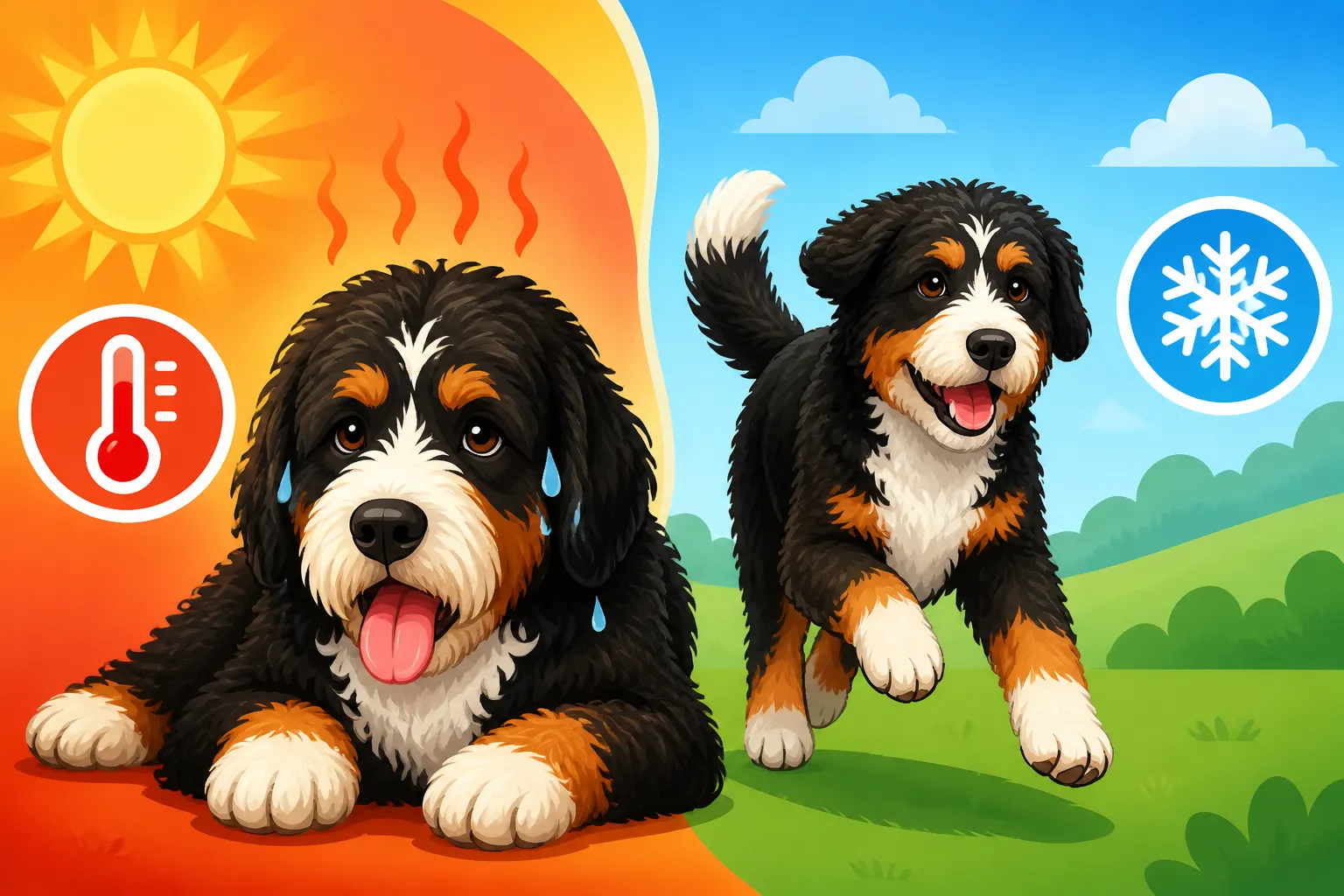
However, this incredible insulation becomes a significant liability when the weather warms up, or when the dog is exerting itself. That beautiful thick fur traps heat close to their body, making it incredibly difficult for them to cool down. Imagine wearing a heavy winter coat to run a marathon in summer – that's essentially what your Bernedoodle is dealing with. Even Bernedoodles with more Poodle-like coats can retain some of this deep insulation.
The Poodle Influence: A Dense, Single Coat
Poodles, while often seen as delicate and glamorous, are incredibly athletic dogs with a surprisingly dense, curly single coat. Unlike the Bernese, they don't have an insulating undercoat that sheds in huge clumps seasonally. Their coat is designed to protect them from cold water during retrieving work, being essentially water-resistant and quick-drying, but it's not truly 'light' or 'airy.'
The Poodle's curly coat also acts like a thick wool sweater, creating tiny air pockets that can trap heat. While it’s often lauded for being "hypoallergenic" and low-shedding, it's still a substantial layer of hair. This means that while they might not have the Bernese's heavy undercoat, the sheer density of the Poodle's curls can still create a significant thermal barrier. So, even a curly-coated Bernedoodle isn't necessarily exempt from heat concerns.
Bernedoodle Coat Variations and Their Heat Implications
When you cross these two breeds, you get a spectrum of coat types in Bernedoodles. Some will lean more towards the Bernese side with a thicker, wavier, or even straight coat and more shedding, while others will have the tight curls of a Poodle. Then there are the glorious wavy coats, which are probably the most common. Each type presents its own challenges for heat regulation.
- Curly Coats: These are often the densest, trapping a lot of air. While they don't "blow coat" like a Bernese, they need diligent grooming to prevent matting, which can further impede airflow and worsen heat retention. The Curly Coat Bernedoodle and Its Upkeep talks more about this.
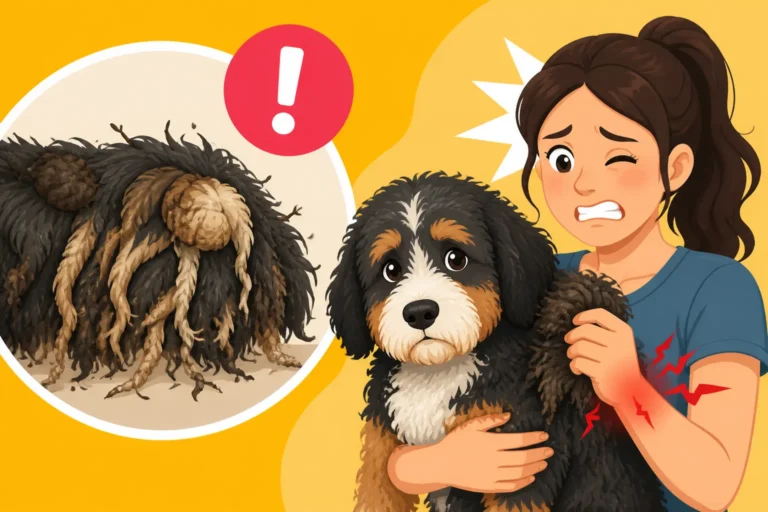
- Wavy Coats: This is the sweet spot for many Bernedoodle owners, offering a balance. However, these coats can still be quite thick and dense, and are prone to matting if not brushed regularly. Matting reduces airflow significantly, making the dog even hotter.
- Straight Coats: These are less common but do occur, and they usually shed more. While they might seem lighter, they can still have a thick texture and retain heat, especially if they have some of that Bernese undercoat lurking beneath. The Coat a Bernedoodle Gets From Two Heavy Coated Parents really dives into this.
Regardless of the exact texture, the sheer volume and density of a Bernedoodle's coat generally mean they are built to retain heat, not efficiently dissipate it. This is a critical factor to consider before engaging them in strenuous physical activity, especially when temperatures rise.
The Serious Risks of Overheating During Exercise
As a Bernedoodle owner, it's crucial to acknowledge that their thick coats, while stunning, inherently place them at a higher risk for overheating when they're active. This isn't just about feeling a little warm; it can quickly escalate into serious health concerns like heat exhaustion and, critically, heatstroke, which can be life-threatening. The worry about your dog's well-being is completely justified, and understanding these risks is the first step in prevention.
Heat Exhaustion and Heatstroke: A Dangerous Progression
When a Bernedoodle starts to overheat, their body struggles to cool itself down. Dogs primarily cool themselves by panting, which allows moisture to evaporate from their respiratory tract. They also dissipate some heat through their paw pads. However, with a dense coat trapping heat, these mechanisms can become insufficient.
- Heat Exhaustion: This is the precursor to heatstroke. Signs include excessive panting, drooling, weakness, dizziness, and bright red gums. Your dog might seem a little disoriented or sluggish. At this stage, immediate intervention is necessary to prevent it from getting worse.
- Heatstroke: If heat exhaustion isn't addressed, it progresses to heatstroke. This is an emergency. Symptoms intensify: profuse drooling, staggering, vomiting, diarrhea, seizures, and collapsing. Their gums might turn pale, blue, or a muddy red. Their body temperature rises dangerously high, damaging organs. Signs a Bernedoodle Is Overheating details these critical indicators. A dog experiencing heatstroke needs immediate veterinary attention; it's not something you can just "wait out" at home.
Bernedoodles, particularly the larger Standard Bernedoodles, have a double whammy: a heavy coat and a larger body mass, which makes it harder for them to cool down quickly once they start to get hot.
Why Bernedoodles Are Particularly Sensitive to Heat
Beyond their dense coats, several factors make Bernedoodles more susceptible to heat-related illnesses. Their Bernese heritage means they often carry a disposition for lower activity tolerance in warmer weather, a trait bred for alpine environments.
- Coat Color: Many Bernedoodles have dark coats – black, black tri, sable. Dark colors absorb and retain more solar radiation than lighter colors. A beautiful Why a Black Tri Bernedoodle Overheats explains this in detail. On a sunny day, this can make a significant difference in how quickly your dog’s body temperature rises.
- Physical Exertion: Dog sports, long walks, or vigorous play demand a lot from their cardiovascular system, generating internal heat. When coupled with external heat and a insulating coat, it’s a recipe for disaster. What might be a comfortable level of activity for a short-haired dog could be pushing a Bernedoodle into dangerous territory.
- Humidity: It's not just about temperature; humidity plays a huge role. When the air is humid, the evaporative cooling from panting becomes far less effective because the air is already saturated with moisture. This makes cooling down even harder for your Bernedoodle.
- Lack of Conditioning: A dog that isn't regularly conditioned for strenuous activity might be at higher risk. However, even well-conditioned Bernedoodles need careful management in heat.
- Individual Variation: Just like people, some Bernedoodles tolerate heat better than others. Always observe your individual dog and respect their limits, even if another Bernedoodle seems to handle more.
It’s easy to get caught up in the excitement of a sport or a beautiful day, but ignoring these risks can have devastating consequences. The joy of an active life with your Bernedoodle depends entirely on your proactive efforts to keep them safe from overheating.
Smart Strategies to Prevent Overheating in Active Bernedoodles
Knowing the risks is half the battle; the other half is implementing smart, practical strategies to keep your Bernedoodle safe and comfortable while still enjoying an active life. It's about being proactive and thoughtful, transforming potential dangers into opportunities for safe, fun engagement. Remember, we want them to thrive, not just survive the summer heat or a vigorous training session.
Timing is Everything: When to Exercise
This is perhaps the most straightforward and effective strategy. Avoiding the hottest parts of the day can make an enormous difference in your Bernedoodle’s comfort and safety.
- Early Mornings: Before the sun truly climbs high and starts beating down, the air is typically cooler and less humid. This is prime time for your Bernedoodle to get their exercise in. A brisk walk, a training session, or some fetch can be invigorating without the oppressive heat.
- Late Evenings: As the sun sets and the day's heat begins to dissipate, temperatures drop, making evenings another excellent window for activity. Just be mindful of visibility if you’re out after dark.
- Monitor Temperatures: Always check the weather forecast, but also use your own judgment. If it’s still stiflingly hot at 7 PM, it might be best to keep play indoors or opt for a very short, low-intensity walk. The Temperature a Bernedoodle Should Not Be Walked In offers more guidance on specific temperature thresholds.
Remember, it’s not just the air temperature; it’s also the temperature of surfaces like pavement or sand. Hot pavement can burn paw pads and radiate heat back up to your dog, adding to their heat load. Always test the ground with the back of your hand – if it’s too hot for you to hold for five seconds, it’s too hot for your dog’s paws.
Hydration and Cooling Options: Beyond the Water Bowl
Proper hydration isn't just about putting a bowl of water down; it's about making sure your Bernedoodle has constant and accessible ways to replenish fluids and cool their core.
- Always Carry Water: If you're heading out for any activity, even a short one, bring plenty of fresh water and a portable bowl. Offer water frequently, especially during and after exercise. Don't wait for them to show signs of thirst.
- Cooling Gear: There's a fantastic array of products designed to help dogs stay cool. Cooling vests, bandanas, and mats can be incredibly effective. These often use evaporative cooling (wetting the fabric) or phase-change materials to draw heat away from your dog's body. Look on platforms like Amazon for options that fit your Bernedoodle's size and activity level.
- Shady Breaks: Plan your routes or training sessions to include access to natural shade. If you're at a park, seek out trees. If you’re training in an open field, consider bringing a pop-up canopy. Regular breaks in the shade are essential.
- Kiddie Pools and Sprinklers: For backyard play, a shallow kiddie pool can be a lifesaver. Many Bernedoodles love splashing in water, and it’s a great way for them to cool down their paws and belly. A sprinkler can also provide a fun, cooling mist. Whether a Bernedoodle Swims to Cool Off explores their affinity for water.
Strategic Grooming: The Summer Clip Argument
The coat itself is a major factor, and how you manage it through grooming can significantly impact your Bernedoodle's ability to handle heat. However, there's a fine line between a helpful clip and an unhelpful shave.
- The "Summer Clip": This typically involves clipping the body hair to a shorter length (e.g., 1-2 inches), while leaving enough to protect the skin from sunburn and insect bites. This reduces the bulk and density of the coat, allowing for better airflow and more efficient cooling. Discuss with your groomer what length would be appropriate for your Bernedoodle’s specific coat type and lifestyle. The Clip a Bernedoodle Owner Should Ask For in July has more specific recommendations.
- Avoid Shaving to the Skin: Counter-intuitively, shaving a Bernedoodle (or any double-coated dog) down to the skin can actually make them hotter and put them at risk for sunburn. Their coat, even when thick, provides a layer of insulation against the sun's harsh rays. Removing it exposes their delicate skin, making them more prone to sunburn and potentially causing the coat to grow back incorrectly, sometimes thicker and more prone to matting. Whether a Shaved Bernedoodle Handles Heat Better explains why this isn't always the best solution.
- Regular Brushing: Even with a shorter clip, regular brushing is non-negotiable. It removes loose hair, prevents matting, and ensures that air can circulate through the remaining coat, which is crucial for cooling. Matting traps heat and can be incredibly uncomfortable.
Recognizing and Responding to Overheating
You are your Bernedoodle’s first line of defense. Knowing the signs of overheating is vital for immediate action.
- Early Signs: Excessive panting (more than usual for the activity), bright red gums, drooling, seeking shade, reluctance to move, slower response times.
- Advanced Signs: Staggering, weakness, vomiting, diarrhea, glazed eyes, a rapid heart rate, very dark red or pale gums, collapsing.
If you suspect your Bernedoodle is overheating, stop activity immediately. Move them to a cool, shady area. Offer small amounts of water. Apply cool (not ice cold) water to their paw pads, inner thighs, and armpits. Use a fan if available. Call your vet for advice, especially if symptoms are severe or don't improve quickly. Early intervention can save their life.
Environmental and Activity Considerations for Your Bernedoodle
Choosing the right activities and being mindful of the environment are just as important as grooming and hydration when it comes to preventing your Bernedoodle from overheating. Their sheer size, combined with that cozy coat, means we need to think beyond simply "going for a walk." It’s about creating a safe and enjoyable experience that truly suits their unique needs.
Choosing Suitable Sports and Activities
Not all dog sports or activities are created equal when it comes to heat and exertion. Some activities inherently place more thermal stress on your Bernedoodle than others.
- Consider the Intensity: High-impact, sustained activities like agility trials in the midday sun, or long, fast runs on trails, can quickly elevate a Bernedoodle's body temperature. While many Bernedoodles are intelligent and capable, like the Poodle side that takes to dog sports, their Bernese half often brings a more moderate energy level and lower heat tolerance. If you’re keen on competitive sports, opt for indoor venues with air conditioning, or events held during cooler seasons.
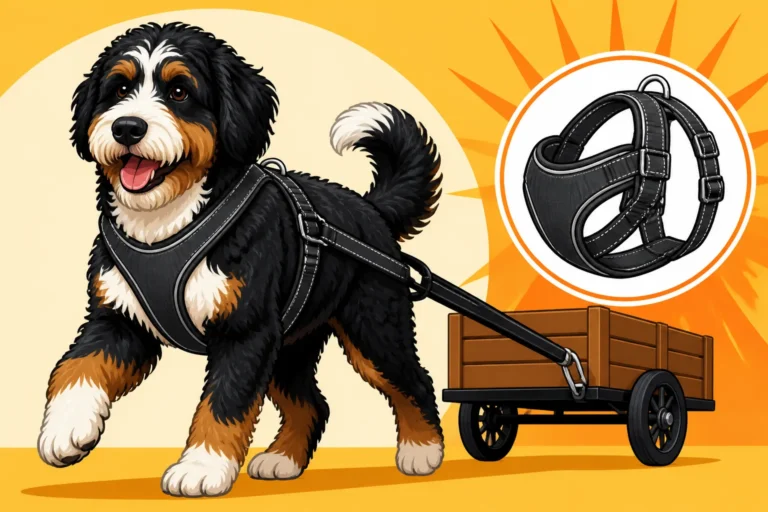
- Draft Work and Obedience: Activities like The Draft Dog Work a Bernedoodle Can Still Do (carting) are typically performed in cooler weather and involve bursts of controlled strength rather than sustained high-speed running. Obedience and rally are often done in more controlled environments, allowing for breaks and water access. These types of activities, especially when adapted for cooler temperatures, can be excellent outlets for a Bernedoodle’s intelligence and desire to work.
- Nose Work and Tracking: These scent-based activities are fantastic mental enrichment and often involve slower, more deliberate movements. They can be done in shaded areas or even indoors, making them great choices for Bernedoodles, as discussed in Whether a Bernedoodle Takes to Nose Work.
- Swimming: If your Bernedoodle enjoys it, swimming is a superb low-impact, cooling exercise. It allows them to burn energy without overheating. Just remember to thoroughly dry their ears afterward to prevent infections and keep an eye on them in the water.
When selecting an activity, always prioritize your dog's comfort and safety over performance or your own desires. There's no shame in skipping a hot-weather event or modifying a training session to prevent heat stress.
Impact of Different Climates and Environments
Where you live and the specific environment you're in dramatically affect how your Bernedoodle will cope with activity. A crisp autumn day in the Pacific Northwest is vastly different from a humid summer afternoon in the Southern United States.
- Hot, Humid Climates: If you live in a region with consistently high temperatures and humidity, an active Bernedoodle's outdoor time needs rigorous management. This might mean restricting outdoor exercise to very early mornings or late evenings for several months of the year, even cutting Whether a Bernedoodle Should Be Walked in Summer short or entirely. Air conditioning is not a luxury but a necessity to keep them comfortable and safe indoors.
- Moderate Climates: In areas with distinct seasons, your Bernedoodle can likely enjoy more outdoor activities during spring, autumn, and even mild winter days. Summer will still require vigilance and adaptation, but the overall window for comfortable outdoor exercise is larger.
- Mountainous or Cooler Regions: These are generally more forgiving for a Bernedoodle. Their thick coats are much better suited to cooler temperatures, allowing for more robust and extended outdoor activities without the constant threat of overheating. However, even in these areas, unexpected heatwaves or strenuous activity can still pose a risk.
- Urban vs. Rural: City environments often mean more heat-retaining concrete and less natural shade. Rural or suburban areas with plenty of grassy fields, shaded trails (like those explored in Whether a Bernedoodle Hikes Well), and access to natural water sources can offer safer and more comfortable options.
The Importance of Rest and Breaks
Even on cooler days or during less strenuous activities, regular rest breaks are non-negotiable for a Bernedoodle. Their endurance in heat is not comparable to many other breeds.
- Scheduled Breaks: Build in short breaks every 15-20 minutes during any extended activity. Use this time to offer water, check their breathing, and allow them to cool down.
- Observe Your Dog: Learn to read your Bernedoodle's cues. Are they lagging behind? Panting more heavily than usual? Seeking out shade? These are all signs they need a break, now. Don't push them, even if you're nearly at your destination or goal.
- Post-Activity Cool-Down: After any exercise, ensure a proper cool-down period. This means a gradual decrease in activity, access to water, and a comfortable, cool spot to rest. Don't immediately crate them in a warm area or expect them to be ready for the next activity. Think of it like cooling down a human athlete.
Remember, the goal is always to prevent overheating rather than react to it. By thoughtfully combining smart activity choices with environmental awareness and ample rest, you can ensure your Bernedoodle leads a wonderfully active and healthy life, regardless of their magnificent, heat-trapping coat. Consider consulting with dog trainers who prioritize health and well-being, like those you might find through resources like BAXTER & Bella, to tailor your activity plans safely.
Bernedoodle Coat and Heat Management Summary
To help you keep track of the nuances of managing your Bernedoodle's coat for active pursuits, here's a quick summary of key considerations based on coat type and management strategies.
| Coat Type | Characteristics | Heat Retention Factor | Grooming Impact on Heat | Best for Active Lifestyles (with care) |
|---|---|---|---|---|
| Curly Coat | Dense, tight curls; low shed | High | Regular clipping and brushing essential to prevent matting and improve airflow. | Requires careful timing, shorter clips, and active cooling methods. |
| Wavy Coat | Looser curls/waves; moderate shed | Moderate to High | Frequent brushing to prevent mats; seasonal clips highly recommended for airflow. | Good for active homes, but demands strict heat management; versatile with grooming. |
| Straight Coat | Smoother, flatter; higher shed | Moderate | Regular brushing for shed control; can still be thick. | Often better airflow than curly/wavy, but still retains heat if dense. |
| Thick Undercoat | Present in some Bernedoodles, especially Bernese-leaning | Very High | Intense brushing and de-shedding necessary; can blow out seasonally. | Extreme caution in heat; best for cool climates and low-intensity activity. |
Ultimately, a Bernedoodle's coat, regardless of its specific texture, is a significant factor in their ability to regulate body temperature during physical activity. Owners must be vigilant and proactive, always prioritizing their dog's health and comfort above all else.
Disclaimer
This article is for general informational purposes only and does not constitute professional advice. Laws, prices and regulations vary by location and change over time. Consult a qualified professional for guidance on your specific situation.