Exercise That Suits a Bernedoodle With Bad Elbows
Watching your beloved Bernedoodle struggle with movement, perhaps limping after a playful romp or hesitating before jumping on the couch, is truly heartbreaking, especially when you know their joints are a source of discomfort. Elbow dysplasia is a common, often painful condition that can steal a dog's joy in activity, leaving owners wondering how to keep them happy and healthy without causing more pain. This guide is here to walk you through understanding elbow dysplasia and finding safe, enriching exercise routines that will help your Bernedoodle maintain muscle, manage weight, and enjoy life to the fullest, even with compromised elbows.
Understanding Elbow Dysplasia in Bernedoodles
Elbow dysplasia isn't just a simple ache; it's a complex condition that can manifest in various ways, all leading to discomfort and potential long-term issues. For a large, active breed like the Bernedoodle, which carries genetic predispositions from both its Bernese Mountain Dog and Poodle lineage, understanding this condition is the first step toward effective management. It's a reality many Bernedoodle owners face, and it requires a thoughtful approach to their care.
What is Elbow Dysplasia?
Elbow dysplasia is an umbrella term encompassing several developmental abnormalities of the elbow joint, a crucial hinge connecting the humerus (upper arm bone) to the radius and ulna (forearm bones). Instead of forming a perfectly smooth, congruent joint, these abnormalities lead to incongruity, abnormal bone growth, or cartilage damage within the joint. Think of it like a poorly fitting gear system – over time, the friction and uneven pressure cause wear and tear, leading to pain, inflammation, and degenerative joint disease (arthritis). This condition typically develops during a puppy's rapid growth phase, often between four and ten months of age, and while some cases are mild, others can be severely debilitating. It's not something that just appears overnight; it's a process of malformation that impacts them from a young age. Many owners wish they knew more about Elbow Dysplasia in a Growing Bernedoodle during those critical puppy months.
The specific problems under the elbow dysplasia umbrella include fragmented coronoid process (FCP), ununited anconeal process (UAP), osteochondritis dissecans (OCD) of the medial humeral condyle, and elbow incongruity. Each of these can cause distinct issues within the joint, but they all ultimately contribute to the same painful outcome: damaged cartilage and bone leading to secondary osteoarthritis. Breeders should be transparent about The Elbow Grades a Bernedoodle Breeder Should Show for their parent dogs, as these issues are often hereditary.
Recognizing the Signs
Identifying elbow dysplasia can sometimes be tricky because dogs are incredibly stoic, especially Bernedoodles who often have a high pain tolerance and a desire to please. You might initially dismiss subtle signs as just clumsiness or a bit of stiffness after a nap. However, common indicators include a noticeable lameness in one or both front limbs, which might be intermittent or worsen after exercise. You might see your Bernedoodle adopting a stiff, short-strided gait, or holding their elbow out from their body.
Another telling sign is reluctance to engage in activities they once loved, like running, jumping, or even taking stairs. They might seem hesitant to put full weight on a limb, or you might notice them shifting weight more heavily to their hindquarters. When they do sit, they might do so awkwardly, holding a front leg out. Signs a Bernedoodle Puppy's Elbows Hurt are often subtle, so paying close attention to any changes in their normal movement or enthusiasm for play is crucial. Don't dismiss a slight limp that comes and goes; it's always better to get it checked out by your vet.
The Impact on Mobility and Comfort
The long-term impact of elbow dysplasia can be profound. Without careful management, the progressive cartilage and bone damage inevitably lead to debilitating arthritis. This means persistent pain, reduced range of motion, and significantly diminished quality of life. A Bernedoodle who once loved to hike or play fetch might become withdrawn, preferring to lie down, struggling to rise, or even showing signs of chronic discomfort when touched.
Beyond the physical limitations, chronic pain can also affect a dog's temperament and mental well-being. A normally goofy and outgoing Bernedoodle might become irritable, less tolerant of handling, or even show behavioral changes due to constant discomfort. The goal of managing elbow dysplasia, therefore, isn't just about preserving mobility, but about ensuring your Bernedoodle remains comfortable, happy, and engaged in their world for as long as possible. Understanding What Degenerative Myelopathy Looks Like in a Bernedoodle can also be important, as some symptoms might overlap with severe hip or elbow issues, so a precise diagnosis is key.
The Importance of Low-Impact Exercise
When your Bernedoodle has elbow dysplasia, the old adage "motion is lotion" still holds true, but with a critical caveat: it must be low-impact motion. The wrong kind of exercise can exacerbate joint damage and accelerate the onset of severe arthritis, while the right kind can build crucial muscle support, maintain flexibility, and improve overall comfort. It's a careful dance between activity and protection.
Why Low-Impact is Key
High-impact activities, like jumping, sudden stops, or quick turns, put immense stress on already compromised elbow joints. Each jarring movement sends shockwaves through the bones and cartilage, increasing inflammation and further damaging the delicate joint surfaces. Imagine repeatedly hitting a cracked plate with a hammer – it's going to break faster. Low-impact exercises, on the other hand, allow for gentle, controlled movement that strengthens the muscles surrounding the joint without causing excessive wear and tear.
These activities promote circulation, nourish the joint cartilage (what's left of it), and help maintain the range of motion. Strong muscles act like natural braces, providing additional support and stability to the elbow, thereby reducing the strain on the joint itself. This is especially vital for a Bernedoodle, who has the potential for significant size and weight. Every pound they carry places more stress on their joints, so maintaining lean muscle mass through appropriate exercise is non-negotiable. It’s about being smart with their movement.
Avoiding High-Impact Activities
Owners often feel guilty limiting their dog's fun, especially when their Bernedoodle wants to run and jump. But for a dog with elbow dysplasia, saying "no" to certain activities is an act of love. Anything involving repetitive jumping, sudden stops and starts, or twisting motions should be severely restricted or eliminated. This includes:
- Aggressive fetch sessions: Those hard landings after catching a ball or frisbee are incredibly damaging.
- Roughhousing with other dogs: Uncontrolled play can lead to accidental collisions, twists, and falls.
- Agility training: The jumps, weaves, and tight turns are typically too strenuous.
- Running on hard surfaces: Concrete and asphalt offer little shock absorption, increasing impact.
- Jumping off furniture or out of cars: Even a short drop can create significant force on the elbows. This is where Whether Jumping Off Furniture Hurts a Bernedoodle becomes a critical consideration.
It's about re-educating yourself and finding new ways to play and interact that keep your Bernedoodle engaged without risking further injury. This doesn't mean no fun; it means different fun.
The Balance Between Rest and Movement
Finding the sweet spot between enough activity and too much rest is crucial. Too much rest can lead to muscle atrophy, stiffness, and weight gain, all of which worsen joint issues. Too much strenuous activity, as discussed, leads to pain and further damage. The key is consistent, moderate, and controlled movement. Short, frequent sessions of appropriate exercise are often more beneficial than one long, intense session.
Listen to your Bernedoodle. Are they limping more after a walk? Are they reluctant to get up? These are clear signs you've overdone it. On the flip side, if they seem stiff after a lazy day, a gentle walk might be exactly what they need. It’s about knowing your individual dog, their specific grade of elbow dysplasia (if diagnosed), and adjusting daily. This is a journey, not a sprint, and there will be good days and bad days.
Safe Exercise Options and Activities
Once you understand why low-impact is essential, the next step is to explore what safe exercise looks like for a Bernedoodle with elbow dysplasia. The good news is there are plenty of ways to keep your furry friend active and engaged without compromising their joint health.
Swimming and Hydrotherapy
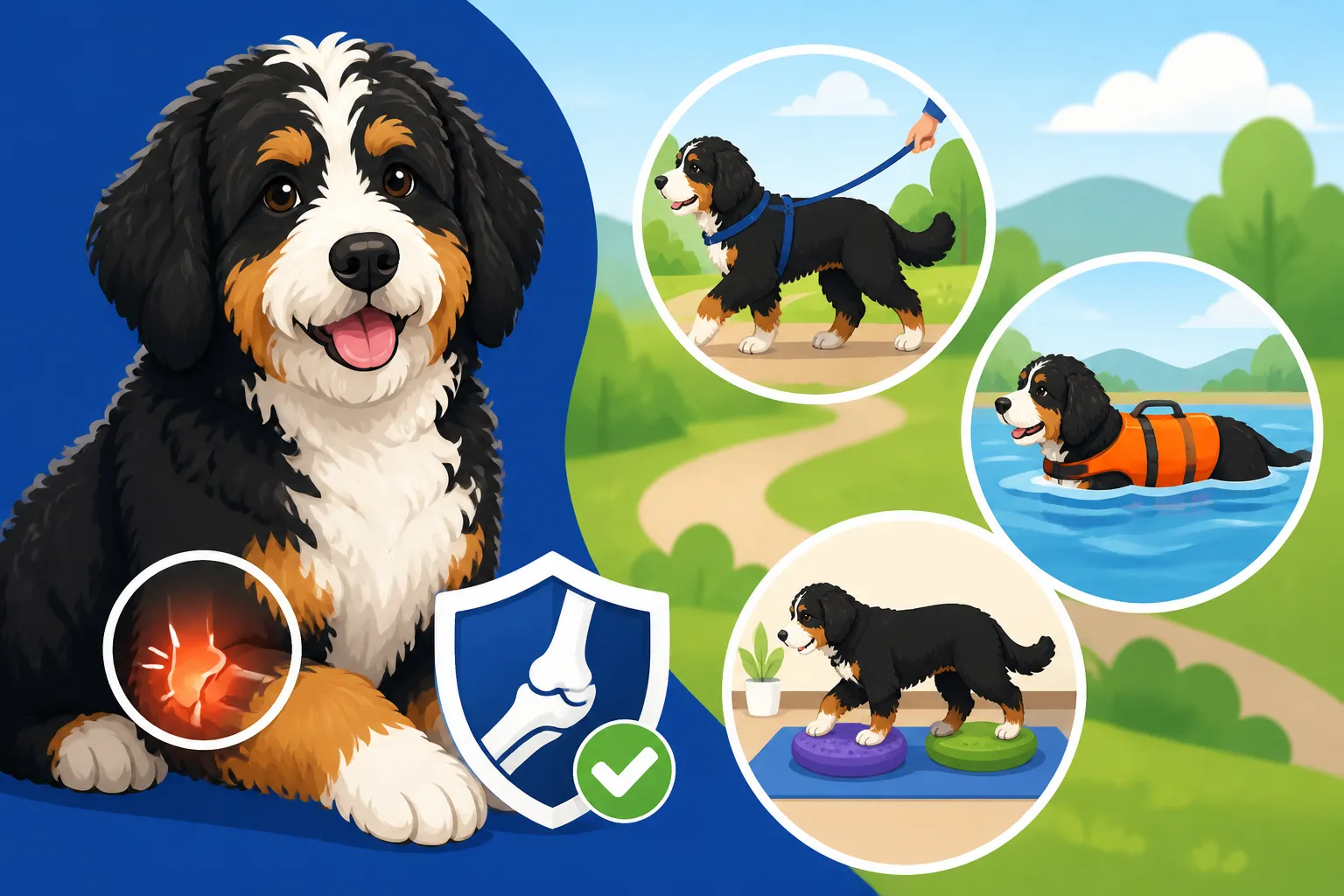
Hands down, swimming and hydrotherapy are often the best forms of exercise for dogs with joint issues. The buoyancy of the water takes the weight off their joints, allowing them to move their limbs freely without the impact of gravity. This helps build and maintain muscle mass around the elbows and throughout the body, improving strength and stability, all without pain. For a Bernedoodle who might otherwise be feeling stiff, a session in the water can be incredibly liberating.
Many specialized canine rehabilitation centers offer hydrotherapy in heated pools with trained therapists. This controlled environment ensures proper technique and monitors your dog's progress. If professional hydrotherapy isn't accessible, a calm, shallow body of water – like a lake or a kiddie pool – can be an option, but always supervise closely and ensure safe entry and exit points. A life vest, readily available from retailers like Chewy or Amazon, can provide extra support and confidence, especially for a Bernedoodle who might not be a natural swimmer or needs to conserve energy. Just remember to start slow, keep sessions short, and ensure the water isn't too cold, which could stiffen muscles.
Controlled Leash Walks
Regular, controlled leash walks are another cornerstone of a low-impact exercise plan. The emphasis here is on "controlled." This isn't about letting your Bernedoodle sprint after squirrels or pull you along; it's about a steady, consistent pace on varied, soft terrain.
- Duration and Frequency: Instead of one long walk, consider two or three shorter walks throughout the day. This keeps muscles warm and flexible without over-stressing the joints. A fifteen to twenty-minute gentle stroll on a flat, grassy path might be far better than an hour-long hike on uneven ground.
- Terrain: Opt for soft surfaces like grass, dirt trails, or sand. Avoid concrete, asphalt, and steep inclines or declines that can put extra strain on the elbows.
- Pacing: Maintain a moderate, consistent pace. Avoid sudden stops or bursts of speed. If your Bernedoodle starts to lag or limp, it's time to head home.
- Weather: Be mindful of extreme temperatures. Hot weather can lead to overheating, especially for a dark-coated Bernedoodle, and cold weather can stiffen joints.
Leash walks provide physical exercise, mental stimulation, and a chance to explore, all vital for a Bernedoodle's overall well-being. They also provide a great opportunity for you to observe your dog's gait and comfort levels daily, allowing you to make immediate adjustments.
Therapeutic Exercises
Beyond general movement, specific therapeutic exercises can target the muscles supporting the elbows and improve proprioception (awareness of body position). These are often guided by a certified canine rehabilitation specialist, who can design a tailored program for your Bernedoodle.
Examples include:
- Weight Shifting: Gently shifting your dog's weight from side to side or front to back while they're standing to engage core muscles and improve balance.
- Cookie Stretches: Using a treat to encourage your dog to stretch their neck and back, which can indirectly help with overall posture and movement.
- Cavaletti Poles: Walking slowly over low poles helps them lift their feet and improve limb placement and flexibility, though care must be taken to keep the poles very low and spacing appropriate.
- Balance Boards or Wobble Cushions: These tools encourage subtle muscle engagement to maintain balance, building strength and stability around all joints, including the elbows.
Always introduce these exercises slowly and under the guidance of a professional to ensure they are performed correctly and don't cause further injury. The goal is gentle strengthening and improved body awareness, not strenuous exertion.
Modifying Play and Daily Routines
Even the most well-intentioned owner can inadvertently contribute to joint strain if they're not aware of how everyday activities impact a Bernedoodle with elbow dysplasia. Modifying play and daily routines is just as important as choosing specific exercises.
Rethinking Fetch and Roughhousing
For many Bernedoodles, fetch is life! But traditional, high-intensity fetch is a major culprit for joint stress. Instead of throwing a ball for long distances or at high speeds, rethink the game:
- Soft Tosses: Roll the ball a short distance on a soft surface, encouraging a gentle trot rather than a full sprint and hard stop.
- Find It Games: Hide treats or toys around the house or yard and let your Bernedoodle use their nose to find them. This provides mental stimulation and low-impact movement.
- Puzzle Toys: Engage their intelligent Poodle side with food puzzle toys. Brands like Kong and Outward Hound (often found on Chewy or Amazon) offer a wide range of options that keep their minds active while their bodies remain relatively still.
- One-on-One Play: Gentle tug-of-war (without sudden jerks or twists) or supervised, calm play with a very well-matched, equally gentle canine friend can be acceptable, but always monitor for signs of over-exertion or pain.
Roughhousing with other dogs, while seemingly innocent, is often too unpredictable for a dog with elbow dysplasia. A playful bump or a sudden dive can lead to a painful injury. It's often best to supervise these interactions very closely, or opt for calmer, structured interactions.
Navigating Stairs and Furniture
Stairs and jumping up onto furniture or into vehicles are daily activities that impose significant stress on the elbows. Each jump or stair climb involves impact and twisting forces that can aggravate the condition.
- Ramps and Steps: Invest in ramps for getting on and off furniture, into cars, or even for navigating a few stairs. This eliminates jumping entirely. You can find sturdy, large-breed friendly ramps on Amazon.
- Block Access: Consider blocking access to stairs during times when you cannot supervise, especially for a younger Bernedoodle still prone to racing up and down.
- Lifting Assistance: For lighter Bernedoodles or specific situations, gently lifting them can be an option, but for a standard Bernedoodle approaching ninety pounds, this quickly becomes impractical. Helping an Old Bernedoodle Get Up Off the Floor details many strategies that can be helpful here, even for younger dogs with joint issues.
- Supportive Beds: Ensure your Bernedoodle has an orthopedic dog bed that supports their joints, especially if they spend a lot of time resting. Quality beds can provide cushioning and relieve pressure, contributing to overall comfort.
Making these small adjustments around the house can significantly reduce the cumulative stress on their elbows, allowing them to conserve their joint health for more beneficial activities.
Creating a Joint-Friendly Environment
Beyond specific activities, a holistic approach to your Bernedoodle's living environment can make a world of difference.
- Flooring: Slippery floors like hardwood, laminate, or tile can cause dogs to splay their legs, putting unnatural strain on their joints. Lay down non-slip rugs or runners, especially in high-traffic areas or where your Bernedoodle typically rests or plays. Flooring That Suits a Heavy Bernedoodle is an important consideration for any large dog, but especially one with joint problems.
- Temperature Control: Keep your Bernedoodle warm in cooler weather, as cold can stiffen joints and increase discomfort. A warm, cozy resting spot is important. Conversely, ensure they don't overheat in summer.
- Paw Care: Keep paw pads well-groomed and trim their nails short. Long nails can alter their gait, causing them to walk on the sides of their paws, which can put extra stress on their leg joints.
These seemingly small details collectively contribute to a safer, more comfortable existence for your Bernedoodle, minimizing opportunities for painful movements and supporting their overall well-being.
Supportive Tools and Therapies
Managing elbow dysplasia isn't just about controlling exercise; it's often a multi-modal approach that includes various supportive tools and professional therapies designed to reduce pain, improve function, and slow the progression of arthritis.
Braces and Orthotics
For some Bernedoodles, specialized elbow braces or orthotics can provide external support and stability to the joint. These devices can help to limit certain painful movements, reduce swelling, and offer a sense of security for dogs during activity. They are custom-fitted and prescribed by a veterinary orthopedist or rehabilitation specialist.
It's crucial that any brace is custom-made and properly fitted to avoid rubbing, pressure sores, or restricting healthy movement. An ill-fitting brace can do more harm than good. These aren't a standalone solution but can be a valuable addition to a comprehensive management plan, especially during periods of increased activity or recovery from a flare-up. Discussing these options with your vet or a canine physical therapist is the best first step.
Supplements and Medications
While not a replacement for appropriate exercise, nutritional supplements and medications play a significant role in managing the pain and inflammation associated with elbow dysplasia.
- Joint Supplements: Ingredients like glucosamine, chondroitin, MSM, and Omega-3 fatty acids are commonly used to support joint health, reduce inflammation, and promote cartilage health. While these supplements don't "cure" elbow dysplasia, they can often help to improve comfort and slow the degenerative process. Brands like Nutramax Dasuquin or Cosequin are popular choices and can be found at pet stores or online retailers like Chewy. It's worth exploring Whether Joint Supplements Help a Bernedoodle early on.
- Anti-inflammatory Medications (NSAIDs): Non-steroidal anti-inflammatory drugs are often prescribed by veterinarians to manage pain and inflammation, especially during flare-ups or for dogs with chronic discomfort. These should always be used under veterinary guidance due to potential side effects.
- Other Pain Relievers: Your vet might also prescribe other pain management medications, nerve pain medications, or even injectables (like Librela or Adequan) depending on the severity of your Bernedoodle's condition and their response to other treatments.
- Weight Management: Keeping your Bernedoodle at a lean, healthy weight is one of the most impactful things you can do to ease the burden on their elbows. Every extra pound increases stress on the joints. High-quality dog food, like that offered by Ollie, can be part of a balanced diet that helps manage weight effectively. Your vet can help you determine an ideal weight and calorie intake for your dog.
Always consult your veterinarian before starting any new supplements or medications to ensure they are appropriate for your Bernedoodle and won't interact negatively with any existing conditions or treatments.
Professional Physical Therapy
Just as humans benefit from physical therapy after an injury or for chronic conditions, dogs with elbow dysplasia can greatly benefit from canine rehabilitation therapy. These specialists are trained to understand canine anatomy and movement, designing tailored programs to improve strength, flexibility, balance, and reduce pain.
A typical physical therapy program might include:
- Manual Therapy: Techniques like massage, joint mobilization, and stretching to improve range of motion and reduce muscle tension.
- Therapeutic Exercise: Guided exercises (like those mentioned earlier) performed with proper form to target specific muscle groups.
- Modalities: Use of equipment like therapeutic ultrasound, laser therapy, or electrical stimulation to reduce pain and inflammation and promote healing.
- Hydrotherapy: As discussed, this is a cornerstone of many rehab programs.
The guidance of a certified canine rehabilitation therapist can be invaluable, ensuring your Bernedoodle performs exercises safely and effectively, and helping you implement a consistent home exercise plan. This can truly make a difference in their comfort and mobility.
Monitoring and Adjusting Exercise
Living with a Bernedoodle with elbow dysplasia means constant vigilance and a willingness to adapt. Their needs aren't static; they will change over time, and your exercise plan needs to evolve with them.
Observing Your Bernedoodle's Cues
Your Bernedoodle communicates their comfort level through subtle cues. Learning to read these is paramount. Keep a journal, even a mental one, of their daily activity and how they respond.
- Gait Changes: Is there increased limping or stiffness after a particular activity? Do they favor a limb more than usual?
- Reluctance to Move: Do they hesitate before getting up, or avoid certain movements they usually enjoy?
- Vocalization or Behavioral Changes: Whining, panting excessively, restlessness, or even irritability can be signs of pain.
- Licking or Chewing: Are they repeatedly licking or chewing at their elbow joint? This can indicate discomfort.
- Muscle Atrophy: Is there noticeable muscle loss in one limb compared to the other? This often happens if they are guarding or not using a painful limb.
If you observe any of these signs, it's a signal to reduce activity, rest them, and potentially consult your veterinarian. It’s a continuous conversation between you and your dog.
Working with Your Vet and Specialists
Your veterinarian is your primary partner in managing elbow dysplasia. They can confirm the diagnosis (often through X-rays), prescribe appropriate medications, and refer you to specialists like orthopedic surgeons or rehabilitation therapists if needed. Regular check-ups are essential to monitor the progression of arthritis and adjust the treatment plan.
Don't be afraid to ask questions. Discuss the pros and cons of different treatment options, from conservative management to surgical interventions (though Whether a Bernedoodle Needs Elbow Surgery is a complex decision not always necessary). A holistic approach, involving your vet, a rehab specialist, and possibly even a veterinary nutritionist, will offer your Bernedoodle the best chance at a comfortable, active life. Remember, you are their advocate.
| Activity Type | Description & Benefits for Elbow Dysplasia | Potential Risks & Considerations |
|---|---|---|
| Controlled Leash Walks | Promotes muscle strength, cardiovascular health, and mental stimulation. Low impact when on soft, flat surfaces. Helps maintain flexibility and prevent stiffness. Short, frequent walks are best. | High impact on hard surfaces (concrete, asphalt). Long, strenuous walks can exacerbate pain. Uneven terrain can cause twists. Risk of pulling on the leash, which can jar joints. |
| Swimming/Hydrotherapy | Excellent for building muscle mass around joints without weight-bearing impact. Improves range of motion and cardiovascular fitness. Often reduces pain and increases mobility. Heated pools in rehab centers are ideal. | Cold water can stiffen muscles. Unsupervised swimming in open water carries drowning risk. Vigorous paddling can still strain shoulders/elbows if done excessively or without proper form. Requires safe entry/exit. |
| Therapeutic Exercises | Targeted exercises (e.g., weight shifts, balance work, low cavaletti) strengthen specific muscle groups, improve proprioception, and maintain flexibility. Performed under professional guidance, these are highly controlled. | Incorrect form or too much intensity can cause injury. Must be prescribed and supervised by a certified canine rehabilitation therapist to ensure safety and effectiveness. |
| "Find It" Games | Provides mental enrichment and low-impact physical activity. Encourages sniffing and gentle movement. Great for engaging the Bernedoodle's intelligent side without stressing joints. | Can lead to high-impact if the dog suddenly races to a hidden treat or jumps over obstacles. Ensure hiding spots are easily accessible and do not require jumping or quick turns. |
| Gentle Tug-of-War | Offers mental and physical engagement, can build muscle (if controlled). Great bonding activity. | Aggressive tugging with sudden jerks or twists can put strain on the neck, spine, and front limbs. Ensure gentle play and release if the dog starts to pull too hard or show signs of discomfort. |
| Avoid: High-Intensity Fetch | Typically involves sprinting, sudden stops, hard landings from jumps, and quick turns. Extremely high impact on elbows and other joints. | Accelerates cartilage degeneration and increases inflammation. High risk of acute injury or severe flare-ups of chronic pain. |
| Avoid: Jumping/Agility | Involves repetitive jumping over obstacles, tight turns, and weaving. | Extreme impact and twisting forces on all joints, particularly the elbows and spine. Greatly increases the risk of severe injury and rapid progression of arthritis. |
| Avoid: Rough Play with Unmatched Dogs | Uncontrolled wrestling, chasing, and tumbling with other dogs can lead to accidental collisions, falls, and unexpected joint twists. | High risk of unpredictable movements that can cause acute pain, injury, or severe aggravation of existing elbow conditions. |
Long-Term Management Strategies
Elbow dysplasia is a chronic, progressive condition, so long-term management is about consistently supporting your Bernedoodle's quality of life. This includes:
- Regular, Moderate Exercise: Stick to the low-impact activities discussed, adapting as needed.
- Weight Control: Maintain a lean body condition through diet and exercise. This is perhaps the single most important factor you can control.
- Nutritional Support: Continue with joint-supporting supplements. Brands like Ollie, which focus on fresh, whole ingredients, can contribute to overall health that supports a healthy weight and body.
- Environmental Modifications: Keep using ramps, non-slip flooring, and orthopedic beds.
- Routine Vet Visits: Regular check-ups allow your vet to monitor progression, assess pain, and adjust medication or therapy as needed.
- Mental Enrichment: Don't forget the power of mental stimulation. Puzzle toys, scent work, and learning new, low-impact tricks keep their minds active and prevent boredom, which can sometimes be mistaken for an excess of physical energy. The Draft Dog Work a Bernedoodle Can Still Do might be too high impact for some, but Whether a Bernedoodle Takes to Nose Work is often a perfect alternative.
- Pain Management: Be proactive in managing pain. This isn't just about suppressing symptoms, but about improving comfort and allowing them to engage in the necessary low-impact exercise.
While living with a Bernedoodle with elbow dysplasia presents its challenges, with careful management and a lot of love, you can ensure they continue to live a full, happy, and comfortable life. It’s about adapting your expectations and providing them with the best possible care.
Disclaimer
This article is for general informational purposes only and does not constitute professional advice. Laws, prices and regulations vary by location and change over time. Consult a qualified professional for guidance on your specific situation.