Whether a Straight Coated Bernedoodle Sheds Like a Bernese
It’s a common dream for many aspiring Bernedoodle parents: a loyal, goofy, intelligent companion with a beautiful coat that doesn't shed much. You might have visions of a low-maintenance, fluffy friend. But then you encounter a Bernedoodle with a straight coat, and suddenly, the picture gets a lot murkier. The truth is, a straight coat can bring with it a whole different reality regarding shedding, often leading owners to wonder if they've essentially adopted a Bernese Mountain Dog in disguise when it comes to the hair around the house. This guide is here to shed some light on the straight-coated Bernedoodle, what that means for your cleaning routine, and how to manage those surprising amounts of fluff.
Understanding Bernedoodle Coat Types and the Straight-Coated Surprise
When you fall in love with the idea of a Bernedoodle, you’re often picturing that wonderfully wavy, often low-shedding coat that's become synonymous with the "doodle" look. The reality, however, is that Bernedoodles, being a crossbreed, can inherit a wide spectrum of coat types from their Bernese Mountain Dog and Poodle parents. It’s not a guarantee that every puppy in a litter will get that ideal wavy fleece. In fact, it’s far from it.
The Genetic Lottery of Bernedoodle Coats
A Bernedoodle's coat type is a fascinating blend of genetics, a toss-up between the thick, straight, double-coated Bernese Mountain Dog and the curly, single-coated, non-shedding Poodle. Most people hope for the "fleece" or "curly" coat, which tends to be more Poodle-dominant in its characteristics, leading to minimal shedding. These coats feel soft and wavy or tight and curly, and they rely on specific genes, particularly the "furnishings" gene (F locus) and the "curl" gene (Cu locus). If a Bernedoodle inherits two copies of the "improper coat" gene (IC), often denoted as "F/F," or simply doesn't get enough of the Poodle's curl and furnishings genes, you end up with a straighter, slicker coat.
This straight coat often lacks the distinctive "furnishings" – the longer hair on the face, beard, and legs – that give doodles their characteristic look. Instead, their coat more closely resembles the Bernese parent. It’s shorter on the face and body, often with a smoother texture. This isn't a fault; it's just one of the many delightful variations that can occur when mixing two distinct breeds. However, it's a variation that comes with significant implications for shedding. Many breeders will offer Whether a Coat Test Tells You If a Bernedoodle Will Shed to give prospective owners a better idea of what to expect.
The Bernese Influence on a Straight Coat
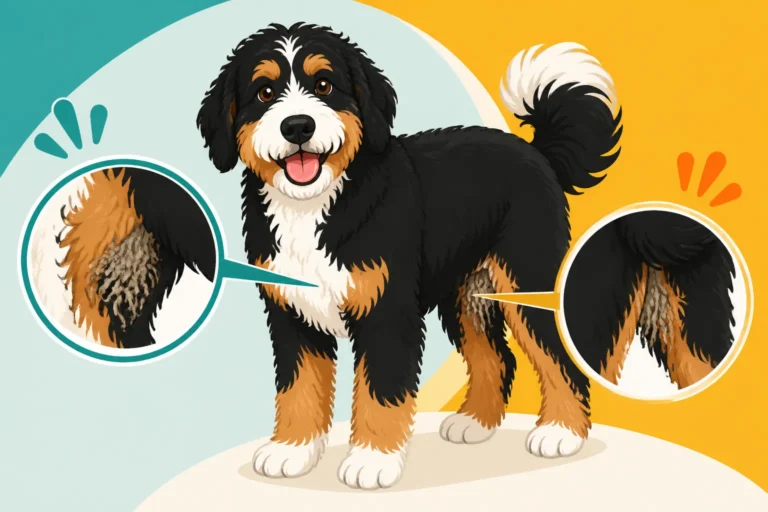
A straight-coated Bernedoodle is essentially a Bernedoodle that leaned heavily into its Bernese Mountain Dog heritage in terms of fur. The Bernese Mountain Dog has a thick, often straight or slightly wavy double coat: a dense undercoat for insulation and a longer, coarser outer coat. This combination is designed to protect them from harsh mountain climates, but it also means they are serious, heavy-duty seasonal (and year-round) shredders.
So, when your Bernedoodle puppy develops that straight, sleek coat, it's a strong indicator that they've inherited more of the Bernese coat characteristics, including that thick, insulating undercoat. This undercoat is the primary culprit for shedding. Unlike the Poodle's hair, which continues to grow and doesn't detach easily from the follicle, the Bernese-like undercoat has a natural cycle of growth and release. This isn't just a bit of stray hair; it's often a significant volume, especially during seasonal changes. You might still see some of the beautiful markings of the Bernese in their coloring, but the practicality of grooming and cleaning takes on a whole new dimension. The Coat a Bernedoodle Gets From Two Heavy Coated Parents often provides a good visual of what you might be in for.
Does a Straight Coated Bernedoodle Shed Like a Bernese?
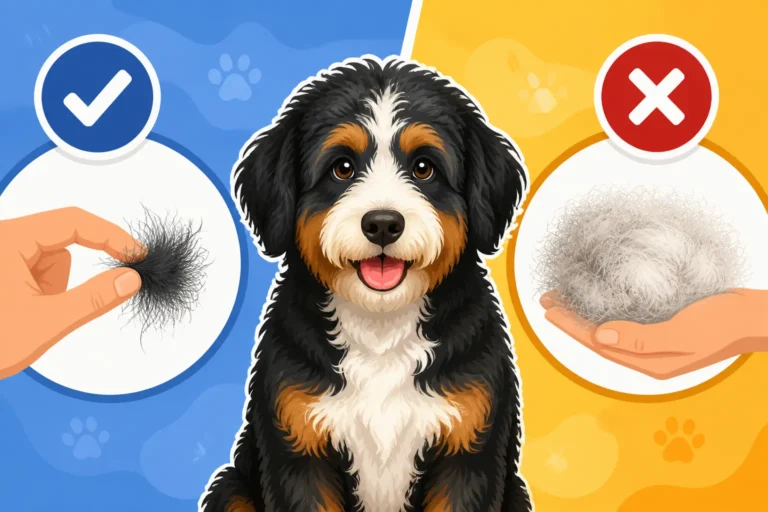
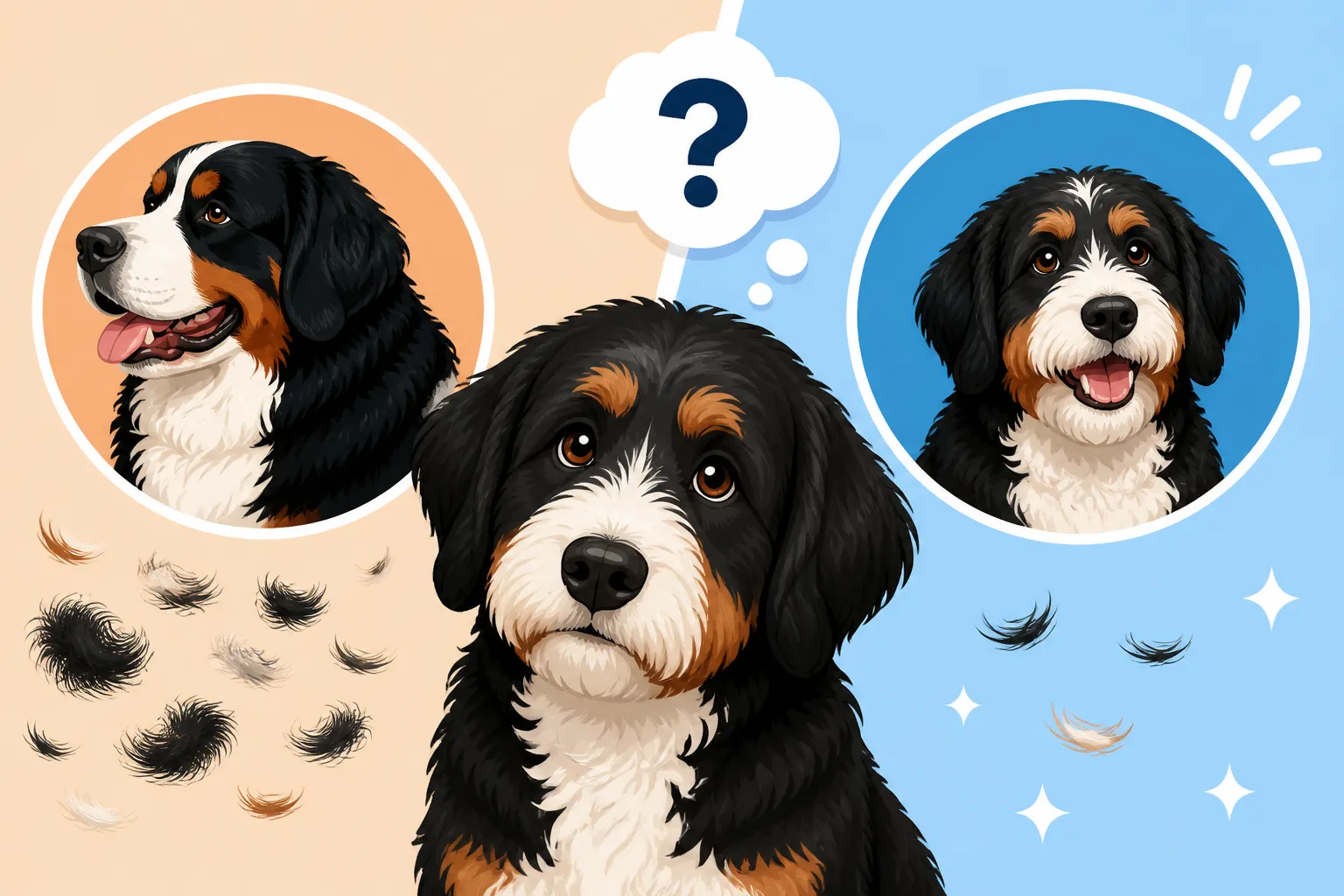
This is the million-dollar question for many owners, and the honest, realistic answer is: very, very similarly, if not exactly. If your Bernedoodle has a truly straight coat, especially one that lacks the signature "furnishings" (the fluffy eyebrows, beard, and leg feathering that define many doodles), then you should absolutely expect shedding comparable to a purebred Bernese Mountain Dog.
The Reality of Seasonal Shedding Cycles
Bernese Mountain Dogs are known for their spectacular "coat blows" twice a year, typically in spring and fall. During these periods, they shed enormous amounts of their dense undercoat to prepare for the changing seasons. A straight-coated Bernedoodle, with its inherited Bernese-like undercoat, will follow a similar pattern. You'll find tumbleweeds of dog hair forming in corners, floating across hardwood floors, and clinging to every piece of furniture, clothing, and possibly even your morning coffee.
It’s not just seasonal, though. Even outside of these major shedding events, a straight-coated Bernedoodle will have a continuous, lower level of shedding. Every brush stroke, every head scratch, every time they shake out their fur, you'll see loose hairs. For someone who chose a Bernedoodle specifically for its low-shedding reputation, this can be a truly shocking and often disheartening experience. It fundamentally changes the maintenance required and the cleanliness expectations for your home.
Comparison to Other Bernedoodle Coat Types
Let's put this into perspective with the other Bernedoodle coat types:
| Coat Type | Appearance | Shedding Level | Grooming Frequency (minimum) | Common Frustration |
|---|---|---|---|---|
| Straight Coat | Smooth, sleek, often shorter, Bernese-like | Heavy, especially seasonal | Daily brushing | Constant hair everywhere, frequent vacuuming |
| Wavy Fleece Coat | Soft waves, moderate length, often "doodly" | Low to moderate | 2-3 times a week brushing | Matting if neglected, some seasonal shedding |
| Curly Wool Coat | Tight curls, dense, Poodle-like | Very low to no shedding | Daily/every other day brushing | Intense matting risk, professional grooming |
As you can see, the straight coat stands out significantly in terms of shedding. While a curly or wavy Bernedoodle might leave a few hairs here and there, a straight-coated one will make its presence known through its consistent contribution of fur to your living environment. This means that your approach to home cleaning, pet care, and even your wardrobe choices will need to adapt significantly. It’s far more than a minor inconvenience; it’s a lifestyle adjustment.
Managing the Shedding in a Straight-Coated Bernedoodle
If you find yourself with a straight-coated Bernedoodle, don't despair! While you can't stop the shedding entirely, you can absolutely manage it to keep your home and your dog more comfortable. It will require dedication and the right tools, but it's completely doable.
The Essential Grooming Toolkit
Forget the fancy slicker brushes marketed for "doodles" if you have a straight-coated shedder. You need tools designed for double coats. The absolute MVP for you will be a good deshedding tool (like a Furminator-style brush) and a robust undercoat rake.
- Deshedding Tool: These tools have fine, closely spaced teeth that reach down into the undercoat to pull out loose, dead hair without cutting the guard hairs. Use this sparingly and carefully, as over-brushing can irritate the skin. Aim for once or twice a week, or more frequently during heavy shedding seasons.
- Undercoat Rake: This is your daily or every-other-day go-to. An undercoat rake has longer, blunt-tipped teeth that glide through the topcoat and gently pull out loose undercoat. It’s less aggressive than a deshedding tool and can be used more frequently.
- Slicker Brush: A wide, firm slicker brush can be useful for finishing and general tidying of the topcoat, but it won't penetrate the undercoat effectively enough to manage heavy shedding on its own.
- High-Velocity Dryer: If you bathe your Bernedoodle at home (which, given the shedding, you might be doing more often!), an investment in a high-velocity dryer is a game-changer. After shampooing and conditioning, these dryers literally blast out loose hair while drying the coat, dramatically reducing the amount of hair that ends up in your house. You can find excellent options on Amazon.
Remember, consistent brushing is key. Just like a Bernese, a straight-coated Bernedoodle needs daily or near-daily attention, especially during coat blows. Don’t wait for mats to form, though mats might be less of a concern than with The Wavy Coat Most Bernedoodles Carry or The Curly Coat Bernedoodle and Its Upkeep, the sheer volume of dead hair can still create uncomfortable clumps if ignored. Regular grooming not only reduces shedding but also keeps your dog’s skin healthy and allows you to bond. The Volume of Coat a Bernedoodle Owner Brushes Weekly is a good read if you're trying to set up a routine.
Professional Grooming and Bathing
Even with diligent home grooming, professional help can be invaluable. A professional groomer has industrial-strength dryers and specialized techniques for deshedding double-coated breeds. Scheduling regular "deshedding baths" at a professional groomer every 6-8 weeks can significantly reduce the hair you deal with at home. They'll use professional-grade shampoos and conditioners designed to release dead hair, followed by intense high-velocity drying and thorough brushing.
Don't be shy about communicating with your groomer. Explain that your Bernedoodle has a straight, shedding coat and you're looking for strategies to manage the shedding, not necessarily a fancy "doodle" cut (unless you want one!). They can offer insights and services that will make your life much easier.
Environmental Controls and Cleaning Tips
Beyond grooming your dog, you'll need to adjust your home cleaning routine.
- Vacuum Frequently: A good quality vacuum cleaner, especially one designed for pet hair, will be your best friend. Don't just vacuum once a week; consider daily or every-other-day vacuuming of high-traffic areas. Robotic vacuums, while an investment, can be a lifesaver for continuous maintenance.
- Furniture Covers: Consider washable furniture covers for couches, chairs, and beds where your Bernedoodle likes to relax. This makes cleaning much simpler than trying to lint-roll or vacuum upholstery constantly.
- Air Purifiers: High-quality air purifiers with HEPA filters can help capture airborne pet dander and hair, improving air quality and reducing allergens, which might be a concern if anyone in the household has sensitivities.
- Lint Rollers Galore: Keep lint rollers in strategic locations: near the front door, in your car, by your closet. They’ll be indispensable for quick touch-ups on clothing before you head out. You can buy them in bulk on Amazon or Chewy.
Dietary Considerations for Coat Health
While diet won't stop a genetic shedding pattern, a healthy diet can support overall coat health, which might lead to less excessive shedding due to poor condition. Look for high-quality dog foods that list meat as the first ingredient and contain essential fatty acids like Omega-3 and Omega-6. Many good quality large breed formulas are available on platforms like Chewy or Ollie that cater to the nutritional needs of a large dog.
Some owners also choose to add supplements, such as fish oil, to their dog's diet. These can contribute to a healthier, shinier coat and potentially reduce shedding caused by dry, brittle hair, though they won't alter the natural shedding cycle of a double coat. Always consult with your veterinarian before adding any supplements to your dog’s diet to ensure they are appropriate and correctly dosed. Proper nutrition also plays a role in overall health, influencing things like Whether an Overweight Bernedoodle Loses Years or What Feeding a Ninety Pound Bernedoodle Costs.
Living with a Straight-Coated, Shedding Bernedoodle
Embracing a straight-coated Bernedoodle means accepting that your home might never be entirely hair-free. It’s about shifting your expectations and appreciating your dog for all their wonderful qualities, beyond just their coat.
Adjusting Expectations
Many Bernedoodle owners gravitate towards the breed hoping for a low-shedding companion. When a straight coat emerges, it can be a source of genuine disappointment and frustration. It’s important to acknowledge these feelings. You signed up for one thing, and you got another. However, your Bernedoodle is still the same loving, intelligent, and often goofy dog you brought home, regardless of their hair type.
Shift your focus from "no shedding" to "managed shedding." Recognize that this coat requires consistent, active management. It's not a "set it and forget it" situation. If you wanted a genuinely non-shedding dog, a straight-coated Bernedoodle isn't it. However, with the right tools and routine, you can keep the hair under control and prevent it from taking over your life entirely. This might also mean adjusting your expectations about grooming frequency, as How Often a Bernedoodle Should Be Brushed will be a much more intensive answer for a straight coat.
Celebrating Their Bernese Qualities
A straight-coated Bernedoodle often showcases more of the Bernese Mountain Dog's stunning appearance and sometimes even their temperament traits. You might find them to be more laid-back, gentle, and eager to please, leaning on you with that classic "Bernese lean." They often retain that gorgeous tri-color patterning that is so iconic of the Bernese.
Instead of focusing on the shedding as a negative, try to view it as a part of their Bernese heritage. It’s a physical manifestation of the wonderful, loyal, and affectionate qualities they often inherit from that side of the family. You're getting a dog that, in many ways, embodies the best of both worlds, even if one of those worlds comes with a little extra housework.
When to Seek Advice
If the shedding seems excessive, your dog is developing bald patches, or their skin appears irritated, it's always a good idea to consult your veterinarian. While some shedding is normal for a straight-coated Bernedoodle, unusually heavy or patchy shedding can sometimes indicate underlying health issues such as allergies, parasites, nutritional deficiencies, or hormonal imbalances. A vet can rule out medical causes and offer advice on skin and coat health supplements if needed. For general coat care questions, don't hesitate to speak to your professional groomer as well; they see all sorts of coats and can offer practical, hands-on advice for tools and techniques.
Disclaimer
This article is for general informational purposes only and does not constitute professional advice. Laws, prices and regulations vary by location and change over time. Consult a qualified professional for guidance on your specific situation.