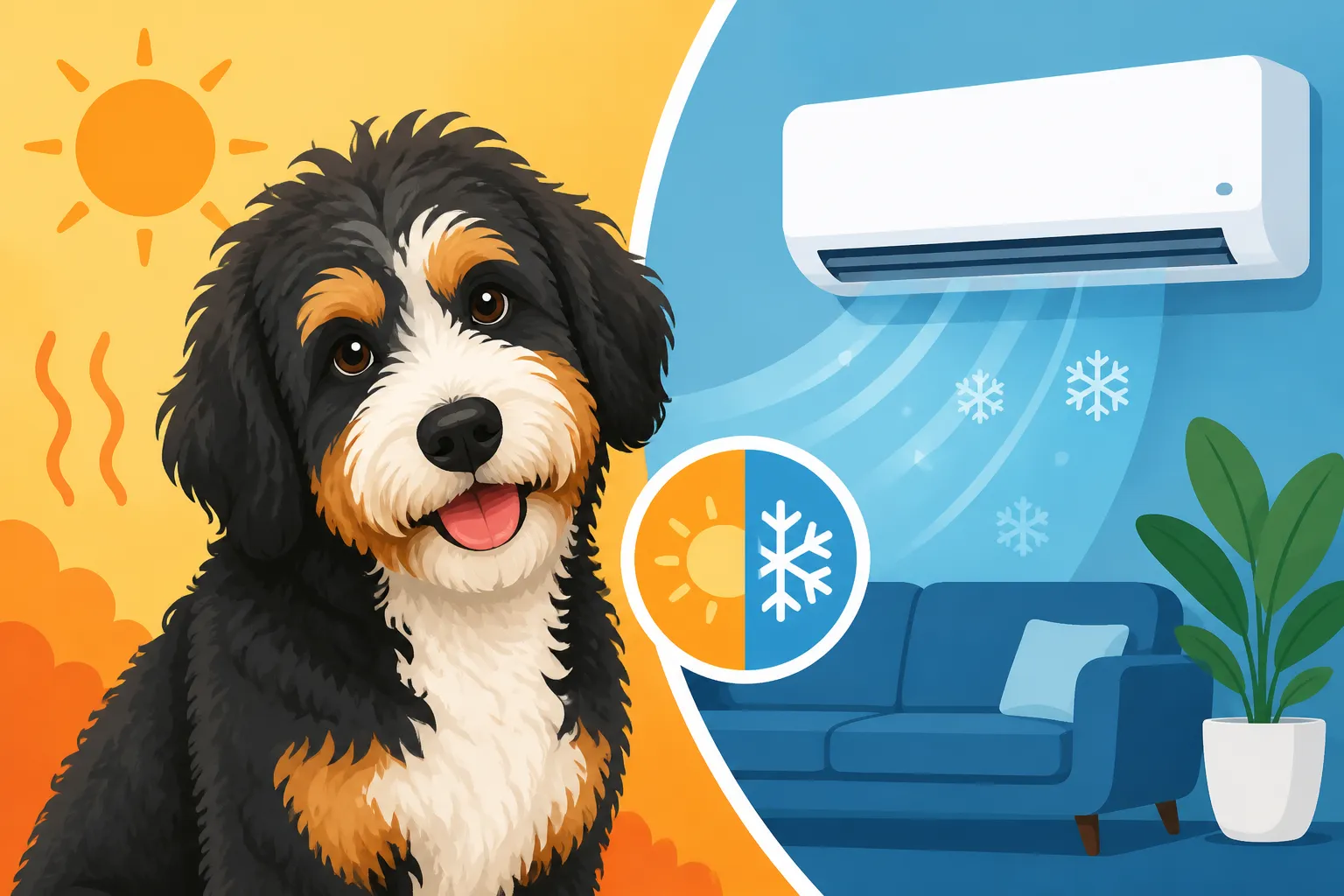
Whether a Bernedoodle Needs the House Air Conditioned
It's a hot day, and you're looking at your fluffy Bernedoodle, already panting just from a short walk, wondering if your home environment is truly safe and comfortable for them. The reality is, our beloved Bernedoodles, with their beautiful, often thick coats and sometimes substantial size, are not built for extreme heat, and the question of whether they truly need air conditioning is a serious one for many owners. This guide will walk you through understanding your Bernedoodle's heat sensitivity and what measures are genuinely necessary to keep them cool, comfortable, and most importantly, safe.
Understanding Your Bernedoodle's Heat Vulnerability
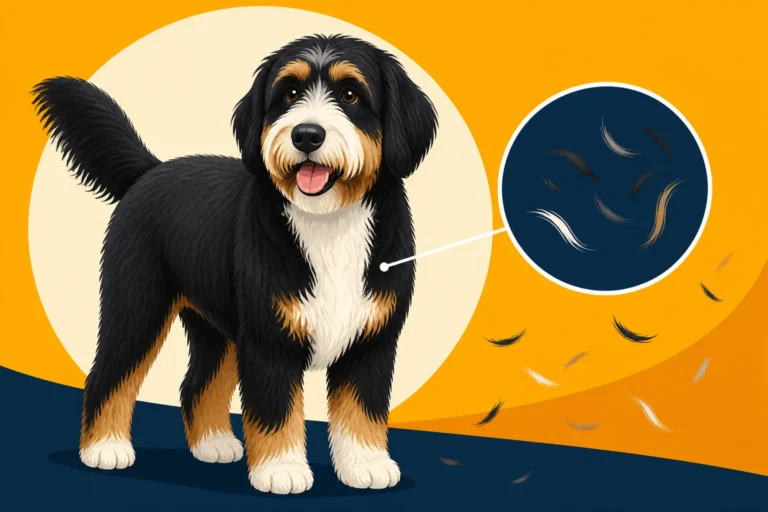
Let's be honest, those stunning Bernedoodle coats, a wonderful blend from their Bernese Mountain Dog and Poodle parents, are fantastic for chilly weather. But when the mercury rises, that same luxurious fur can turn into a serious liability. It's not just about comfort; it's about their health. Their double coat, especially in F1 generations, can trap heat, making it incredibly difficult for them to regulate their body temperature naturally.
The Impact of Coat Type and Color
Not all Bernedoodle coats are created equal when it comes to heat. While the Poodle side often brings a curlier, single-layer coat that can be somewhat easier to manage in heat, many Bernedoodles inherit a wavy, dense coat that still retains a significant undercoat from their Bernese lineage. This dense insulation, while perfect for snowy mountain trails, becomes an oven in warmer climates. Imagine wearing a heavy wool sweater in July—that's what it can feel like for them. You might also notice that Whether a Black Bernedoodle Absorbs More Heat, which is a genuine concern due to how dark colors absorb solar radiation.
Furthermore, the structure of their coat means that even if you try to brush out loose hair, the underlying density can still prevent adequate airflow to their skin. This is why regular grooming is crucial, not just for aesthetics, but for their thermal regulation. If the coat is matted, it's even worse, as matting pulls on the skin and creates an even more impenetrable barrier to cooling. It truly does feel like a constant battle against the elements with these furry friends.
Breed Predisposition and Physical Traits
Beyond the coat, a Bernedoodle's Bernese heritage brings certain physical traits that increase their risk of overheating. Many standard Bernedoodles are large dogs, often weighing between 70 and 90 pounds, or even more. Larger dogs naturally generate more body heat and have a larger surface area to cool, which can be inefficient without help. Their deeper chests, while often admired, can also contribute to the risk of bloat if they become overheated and then gulp water or food too quickly.
Think about the effort involved in just moving such a large body on a hot day. Even mild exercise can quickly elevate their core temperature. Unlike humans who sweat profusely across their skin, dogs primarily cool themselves by panting and through the pads of their feet. If the ambient air isn't cool enough to effectively exchange heat during panting, they quickly fall behind in their cooling efforts. It's a fundamental physiological difference that makes external cooling assistance, like air conditioning, so vital in many environments.
When Air Conditioning Becomes Non-Negotiable
While there are certainly strategies to help manage your Bernedoodle's comfort in warmer weather, there are definitive situations where air conditioning transitions from a nice-to-have to an absolute necessity for their safety. Ignoring these signs or conditions can lead to dangerous health complications, including heatstroke, which can be fatal.
Living in Warm Climates
If you live in a region where summer temperatures consistently soar above 80°F (27°C) and humidity levels are high, air conditioning isn't just a comfort – it's a lifesaver. Places like the Southern United States, or even mid-Atlantic states during a heatwave, pose a significant risk to Bernedoodles without climate control indoors. Even if the outside temperature dips slightly at night, homes without AC can retain a lot of heat, turning into stifling environments. Whether a Bernedoodle Belongs in a Hot State is a common question, and the answer often hinges on your ability to provide consistent cool indoor spaces.
Consider those peak summer months where temperatures remain high for weeks on end. Your Bernedoodle needs a reliable escape from that heat. Leaving windows open might offer some breeze, but it rarely brings the temperature down to a safe level for a thick-coated dog. For these dogs, a consistently cool indoor environment is critical to prevent heat stress and ensure they have a comfortable place to truly decompress and cool down their core body temperature. Without it, you’re constantly fighting an uphill battle, and your dog bears the brunt of that struggle.
High Humidity and Exercise
Humidity is a silent killer for dogs, especially Bernedoodles. When the air is saturated with moisture, your dog's primary cooling mechanism—panting—becomes far less effective. Evaporation from their tongue and respiratory tract is how they shed heat, but if the air is already full of water vapor, that evaporation simply can't happen efficiently. It's like trying to dry clothes in a humid room; nothing really dries. This means even a moderately warm day with high humidity can be more dangerous than a much hotter, dry day.
Combine high humidity with even light exercise, and you have a recipe for disaster. A quick walk around the block, a game of fetch in the yard, or even just being excited inside a warm house can push a Bernedoodle into dangerous territory very quickly. This is why it's so important to pay attention to Signs a Bernedoodle Is Overheating, such as excessive panting, lethargy, drooling, or a glazed look in their eyes. Air conditioning helps to not only lower the temperature but also to dehumidify the air, making it far easier for your Bernedoodle to cool themselves down effectively after any exertion, or even just through normal activity.
Preventing Heatstroke and Other Health Risks
The primary reason air conditioning is non-negotiable in certain situations is the severe risk of heatstroke. Heatstroke occurs when a dog's body temperature rises dangerously high, typically above 104°F (40°C), overwhelming their ability to cool themselves. This can lead to organ damage, neurological problems, and even death. Bernedoodles are particularly susceptible due to their dense coats and size. Early signs, as mentioned, are critical, but prevention is always better than cure.
Beyond acute heatstroke, chronic exposure to excessive heat can lead to other health issues. It can exacerbate underlying heart or respiratory conditions, and simply make them miserable and lethargic. An overheated dog is often uncomfortable, anxious, and unable to rest properly. Providing a consistently cool environment through air conditioning dramatically reduces these risks, allowing your Bernedoodle to thrive rather than just survive the summer. It ensures their overall well-being and prevents stressful and costly emergency veterinary visits.
Practical Steps Beyond Air Conditioning
While air conditioning is often the best solution for consistent cooling, especially in hotter climates, there are many complementary strategies you can employ to further ensure your Bernedoodle's comfort and safety. These steps become even more crucial if you don't have constant AC or during periods when your Bernedoodle might be outdoors for short periods.
Strategic Grooming and Coat Management
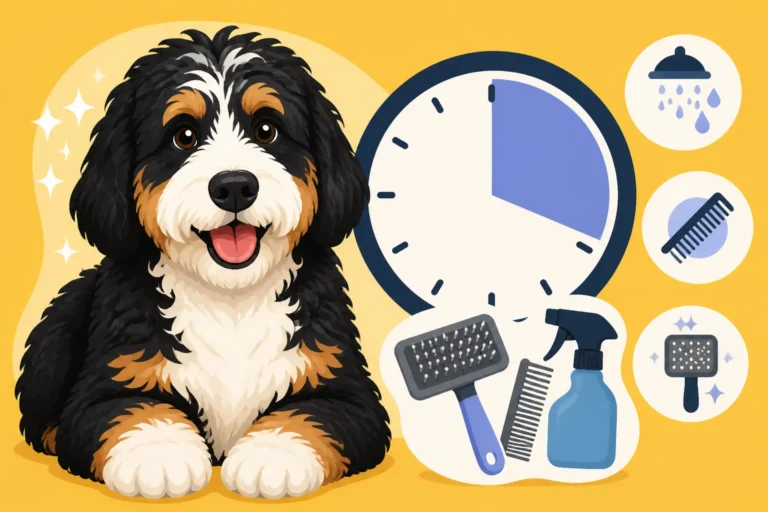
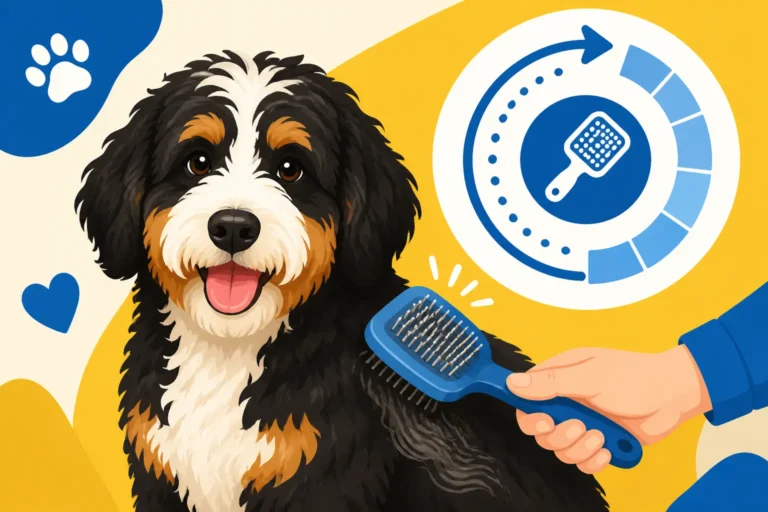
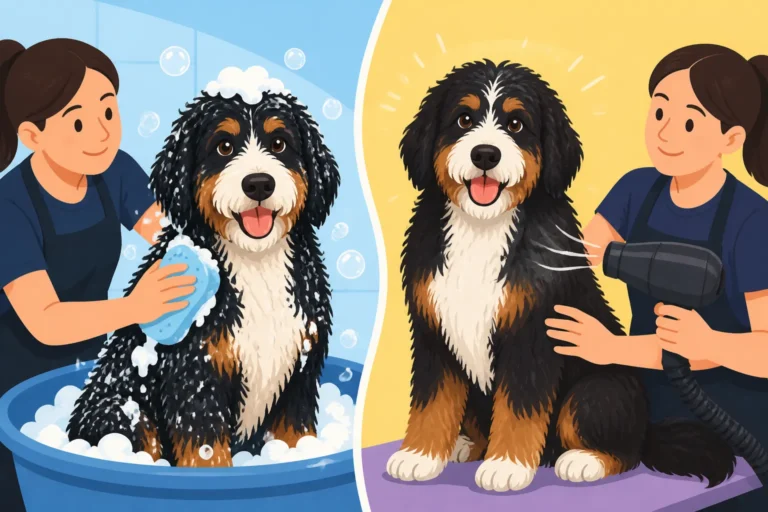
One of the most impactful things you can do for your Bernedoodle in warm weather is to manage their coat effectively. This doesn't necessarily mean shaving them bald, which can actually expose their skin to sunburn and interfere with their natural insulation. However, keeping their coat trimmed to a shorter, functional length, often called a "summer cut" or "kennel clip," can make a world of difference. Regular brushing, at least a few times a week, is also essential to remove loose undercoat and prevent matting, allowing for better air circulation. If you're wondering Whether a Shaved Bernedoodle Handles Heat Better, it's more about a sensible trim than a complete shave.
Talk to your groomer about a summer-appropriate cut that keeps them comfortable without exposing them to the sun. It's truly amazing how much a clean, untangled, and appropriately trimmed coat can help them feel cooler. A matted coat is like wearing a thick, felted blanket, trapping every bit of heat. Regular professional grooming can be a significant investment, but it pays dividends in your Bernedoodle's comfort and health, especially if you want to avoid dealing with Mats in a Bernedoodle's Armpits and Britches.
Hydration and Cooling Aids
Access to fresh, cool water is paramount. Always ensure your Bernedoodle has multiple water sources, both inside and outside, and consider adding ice cubes to their bowls or using a large, heavy bowl that stays cool. Beyond just drinking water, there are various cooling aids that can help. Cooling mats, which activate when your dog lies on them, provide a cool spot on the floor. Brands available on platforms like Amazon or Chewy offer a wide array of options, from pressure-activated gels to water-filled mats.
Cooling vests or bandanas, which you soak in water and then wring out, can also provide temporary relief by facilitating evaporative cooling on their core. For those who enjoy water, a kiddie pool filled with a few inches of water can be a fantastic way for your Bernedoodle to cool off their paws and belly—just make sure it's always supervised. Even a simple damp towel laid over them can offer a quick cool-down in a pinch. Remember, Cooling a Bernedoodle Down Safely is about consistency and using a variety of tools.
Adjusting Exercise Routines and Environment
During warm weather, you absolutely must adjust your Bernedoodle's exercise schedule. This means no walks or strenuous play during the hottest parts of the day, typically late morning to late afternoon. Instead, aim for early mornings and late evenings when temperatures are much lower. Even then, keep an eye on the humidity and your dog's panting levels. A short, sniffy walk might be all they can handle. The Temperature a Bernedoodle Should Not Be Walked In is usually anything above 75-80°F, but consider humidity and direct sunlight too.
Indoors, create cool zones for them. If you don't have central AC, portable units or even strong fans directed at their resting areas can help. Elevated dog beds, often sold on Amazon, allow air to circulate underneath them, preventing heat from building up where they lie. Tiled floors in bathrooms or kitchens are often naturally cooler and can become a favorite spot for them to sprawl. It’s all about giving them options and ensuring they have cool refuge at all times.
Creating a Cool Home Haven for Your Bernedoodle
Making your home a truly comfortable and safe space for your Bernedoodle during warmer months involves more than just flicking on the AC. It's about a holistic approach that considers their needs throughout the day, ensuring they have consistent access to relief from the heat.
Optimizing Your AC Usage and Home Layout
If you have air conditioning, use it! Don't try to save a few dollars at the expense of your Bernedoodle's health. Setting your thermostat to a comfortable temperature, generally in the low 70s Fahrenheit (22-23°C), is ideal. You might even find you need to go a bit lower on particularly humid days. Remember, your comfort level and your Bernedoodle's aren't always the same because of their insulating coat.
Beyond the thermostat setting, think about your home's layout. If you have rooms that stay naturally cooler, like a basement or a north-facing room, make those areas accessible to your dog. Close blinds and curtains during the day to block direct sunlight, which can significantly heat up a room. Portable fans can also be used strategically to create air movement in specific areas, especially if your Bernedoodle tends to gravitate towards certain spots. This layered approach ensures that even if one cooling method isn't perfect, another is there to back it up.
Long-Term Considerations for Bernedoodle Owners
Owning a Bernedoodle, especially a standard size, means accepting their needs related to their coat and temperature regulation as a long-term commitment. This often includes factoring in the cost of air conditioning usage during warmer months, or even the initial investment in a good AC system if you're in a climate that demands it. It’s not a temporary fix; it’s part of responsible ownership.
For those considering getting a Bernedoodle in a perpetually hot climate, it’s a serious conversation to have with yourself and potential breeders. You need to be prepared to provide a consistently cool environment. This might even influence decisions about vacations or extended periods away from home, ensuring your pet sitter or boarding facility also understands and can meet these specific needs. Brands like Ollie, with their fresh food options, might be something to consider as well during hot weather, as a highly palatable diet can encourage eating even when the heat might suppress appetite. Understanding that The Coat a Bernedoodle Gets From Two Heavy Coated Parents dictates much of their thermal needs helps frame these long-term care decisions.
Proactive Planning for Summer Months
Don't wait until the first heatwave hits to realize your Bernedoodle is struggling. Start your summer preparation early. Schedule spring grooming appointments to get that winter coat thinned out. Stock up on cooling mats, extra water bowls, and perhaps a kiddy pool if appropriate for your yard. Make sure your AC unit is serviced and running efficiently before it's truly needed.
Discuss a summer health plan with your veterinarian, especially if your Bernedoodle has any pre-existing health conditions. They can offer personalized advice on hydration, exercise limits, and signs of heat stress specific to your dog. Being proactive means you can enjoy the warmer months with your Bernedoodle, knowing you've taken every step to keep them safe and comfortable, rather than constantly worrying about their well-being. This preparation can make all the difference in their quality of life.
| Cooling Method | Description | Benefits | Considerations |
|---|---|---|---|
| Air Conditioning | Mechanically cools and dehumidifies indoor air. | Most effective for sustained, widespread cooling. | Energy cost, system maintenance, power outages. |
| Fans (Circulating) | Moves air to create a breeze. | Affordable, can improve air circulation. | Only effective if ambient air is relatively cool; doesn't dehumidify. |
| Cooling Mats | Gel or water-filled mats that absorb body heat. | Provides a localized cool spot; no electricity needed. | Can be punctured, not a full-body solution, some dogs don't like texture. |
| Cooling Vests/Bandanas | Worn apparel that uses evaporative cooling. | Portable, good for short outdoor excursions or indoor relief. | Requires re-wetting, limited cooling area, can get dirty. |
| Kiddie Pool/Water Play | Shallow pool for dogs to wade and cool off. | Excellent for full-body cooling, mental stimulation. | Requires supervision, space, cleaning, and water access. |
| Elevated Beds | Raised beds that allow air circulation underneath. | Prevents heat retention from floor, comfortable. | Does not actively cool, just prevents overheating from below. |
| Frozen Treats/Ice | Ice cubes in water, frozen kongs or dog popsicles. | Encourages hydration, provides internal cooling. | Can be messy, offer in moderation. |
Disclaimer
This article is for general informational purposes only and does not constitute professional advice. Laws, prices and regulations vary by location and change over time. Consult a qualified professional for guidance on your specific situation.