Whether Fresh Food Is Affordable at Bernedoodle Portions
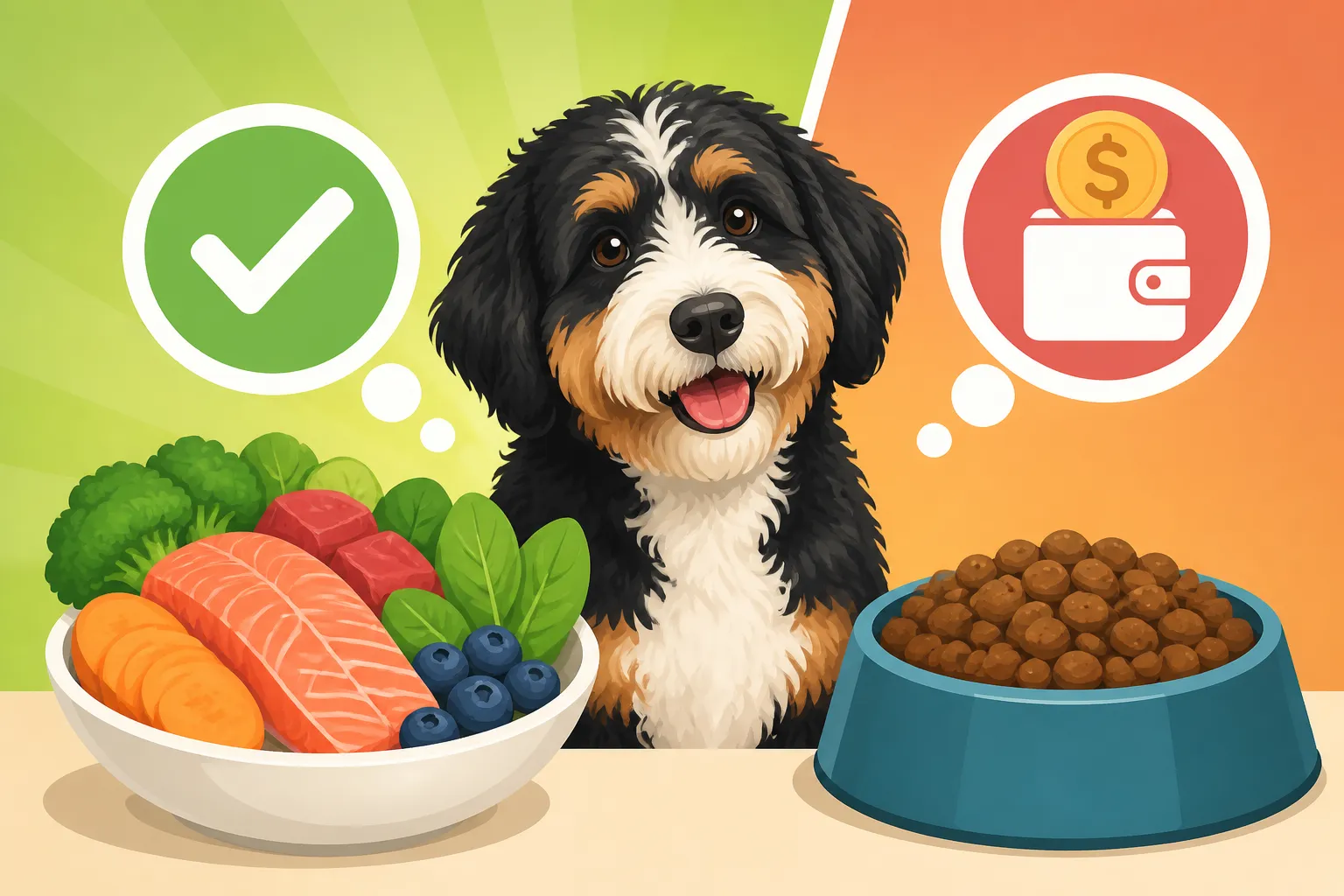
It's a common dilemma for every Bernedoodle parent: you want to provide the absolute best for your cherished companion, ensuring they get all the nutrients they need for a long, vibrant life. The idea of fresh dog food, made with whole, human-grade ingredients, sounds like the holy grail of canine nutrition. But then you look at your magnificent, growing Bernedoodle, consider the sheer volume of food they consume daily, and the dream of feeding them fresh often bumps head-first into the stark reality of your grocery budget. This guide is here to tackle that very real financial hurdle, exploring whether feeding your Bernedoodle fresh food is truly affordable and offering practical strategies to make high-quality nutrition a reality without breaking the bank.
Understanding the Appeal of Fresh Dog Food for Bernedoodles
The movement towards fresh dog food isn't just a fad; it's driven by a deep desire among pet parents to mirror the health-conscious choices they make for themselves. For Bernedoodle owners, who are often already invested in their dog's well-being given the breed's unique needs, fresh food can seem like the ultimate upgrade.
The Perceived Benefits for a Bernedoodle's Health
When you look at the ingredients list of a typical bag of kibble, even a premium one, it can sometimes feel like a chemistry experiment. In contrast, fresh dog food offers easily recognizable ingredients: lean meats, vibrant vegetables, and wholesome grains. Owners often report seeing noticeable improvements in their Bernedoodle's overall health and vitality when switching to a fresh diet. This can manifest as a shinier, softer coat, which is particularly appealing given the Bernedoodle's often luxurious and sometimes challenging hair. Imagine your Bernedoodle's already beautiful coat gaining an even deeper luster, or their playful energy levels becoming more sustained throughout the day.
Many believe that fresh food, being less processed, offers superior nutrient absorption. This means your Bernedoodle's body might be able to utilize more of the good stuff, potentially leading to better digestion and firmer stools. For dogs prone to sensitivities, a fresh diet can sometimes alleviate issues like itchy skin or upset stomachs, problems that can sometimes crop up even in robust breeds. There's also the feeling of control and transparency; you know exactly what's going into your dog's bowl, which offers immense peace of mind, especially when you're trying to keep a watchful eye on potential issues like The Cancers That Take Bernedoodles Most Often or maintaining Keeping a Standard Bernedoodle Sound Past Ten.
Why Bernedoodle Portions Are a Game-Changer
Now, let's talk about the elephant in the room—or rather, the magnificent Bernedoodle in the living room. These are not tiny lapdogs. A standard Bernedoodle can easily weigh between 70 and 90 pounds, or even more, meaning they require substantial caloric intake to maintain their healthy weight and energy levels. While a small dog might eat a cup or two of food a day, a standard Bernedoodle will need multiple cups, sometimes significantly more depending on their activity level and metabolism.
This sheer volume is where the cost calculations for fresh food diverge dramatically from those for smaller breeds. What might be an affordable fresh food budget for a 15-pound miniature schnauzer suddenly becomes a colossal expense for a 90-pound Bernedoodle. You're not just buying a little extra chicken or a few more veggies; you're buying pounds and pounds of human-grade food every single week. This difference in scale is often the biggest shock for Bernedoodle owners considering a switch to fresh food, turning an intriguing possibility into a potentially prohibitive financial commitment. The larger their size, the more pronounced this impact on your budget, making decisions about Feeding a Bernedoodle That Will Reach Ninety Pounds even more critical.
Breaking Down the Costs: Fresh Food vs. Traditional Options
When you're trying to decide if fresh food fits into your budget for your Bernedoodle, it's crucial to look beyond just the sticker price. There are various approaches to feeding fresh, each with its own cost implications, and they differ significantly from the more traditional kibble route.
Subscription Services and Their Price Point
The rise of fresh dog food subscription services has made feeding fresh incredibly convenient for many pet owners. Companies like Ollie, for instance, offer carefully formulated, pre-portioned meals delivered right to your door. The convenience is undeniable: no meal prepping, no worrying about nutritional balance, and often, the food is highly palatable for even picky eaters. You simply open a pouch or scoop from a container, and your Bernedoodle has a delicious, fresh meal.
However, this convenience comes at a premium. These services calculate portions precisely based on your dog's age, weight, activity level, and any dietary restrictions. For a standard Bernedoodle weighing 80-90 pounds, the daily cost can quickly add up. You might open that first quote from a fresh food delivery service and see a number that makes your jaw drop, especially if you're comparing it to the cost of a large bag of kibble from Chewy that lasts for weeks. While excellent for smaller dogs, the volume required for a Bernedoodle means these services often represent a significant portion of a household's monthly budget, leading many to question Whether Fresh Food Is Affordable at Bernedoodle Portions. It's a fantastic option if your budget allows, but it's important to be realistic about the scale of the commitment for a large breed.
DIY Fresh Food: Time, Effort, and Ingredient Costs
Another route to feeding fresh is to prepare the meals yourself at home. This approach gives you maximum control over ingredients, allowing you to choose organic meats or locally sourced vegetables. The idea is simple: you're essentially cooking for your dog as you would for yourself, but with a focus on canine nutritional needs. You'd typically use ingredients like ground beef, chicken, turkey, various vegetables (carrots, green beans, spinach), healthy fats, and some starches like sweet potato or rice.
While it might initially seem like a cheaper alternative to subscription services, the costs can still be substantial, especially for Bernedoodle-sized portions. You're buying human-grade meat and produce, which can be expensive, and you need to buy a lot of it. A trip to the grocery store with your Bernedoodle's meal plan in mind can quickly push your cart total far beyond what you'd typically spend on your own family's meals. Beyond the raw ingredient cost, you also need to factor in your time. Preparing weeks' worth of meals for a large dog requires significant meal prep sessions, often involving blending, chopping, cooking, and portioning. It's a labor of love, but the time commitment is real, and for many busy Bernedoodle parents, it can be just as prohibitive as the financial cost.
The "Hidden" Costs: Storage, Supplements, and Vet Check-ups
The costs associated with fresh feeding extend beyond just the food itself. One often overlooked factor is storage. Fresh food takes up a lot of space, especially when you're preparing or receiving enough for a Bernedoodle for several days or weeks. You might find yourself needing to invest in extra freezer space—a chest freezer, perhaps—just to accommodate your dog's meals. This is an upfront cost, and then there's the ongoing electricity bill.
Furthermore, if you're going the DIY route, you must ensure nutritional completeness. Dogs have specific dietary requirements, and simply feeding them cooked meat and vegetables won't necessarily provide all the vitamins and minerals they need. This means investing in high-quality supplements, often including a balanced multivitamin, calcium, and potentially omega-3 fatty acids, to ensure there are no deficiencies. These supplements add to your ongoing expenses. Finally, whenever you make a significant dietary change, particularly one you're preparing yourself, regular veterinary check-ups are paramount. Your vet can monitor your Bernedoodle's health, discuss their specific nutritional needs, and recommend blood tests to ensure they're not developing any deficiencies or imbalances. This ongoing oversight, while crucial for your dog's well-being, is another cost that needs to be factored into the "fresh food budget." These additional considerations are vital when weighing options for The Screening a Bernedoodle Should Have Yearly.
Strategies for Making Fresh Food More Attainable for Your Bernedoodle
The good news is that giving your Bernedoodle the benefits of fresh food doesn't have to be an all-or-nothing proposition that decimates your bank account. There are smart, realistic ways to incorporate fresh ingredients into their diet, even with their substantial appetites.
Hybrid Approaches: Mixing Fresh with Kibble
One of the most popular and budget-friendly strategies is to adopt a hybrid feeding approach. This means combining the convenience and relative affordability of a high-quality kibble with the nutritional boost of fresh ingredients. You could use fresh food as a "topper" on their dry kibble meals, adding a spoonful or two of cooked lean meat, some steamed vegetables, or a dollop of plain yogurt. This adds palatability and some fresh nutrients without requiring a full fresh meal every time.
Alternatively, you could opt for one fresh meal a day, perhaps in the evening, and feed kibble for their morning meal. This significantly cuts down on the amount of fresh food needed compared to an exclusive fresh diet, making it much more affordable for a large dog like a Bernedoodle. It's a fantastic compromise that allows your dog to enjoy some of the benefits of fresh food, like improved digestion or a shinier coat, while keeping your expenses in check. Many Bernedoodle owners find this middle-ground to be the most sustainable and beneficial long-term solution. You'll still want to make sure your primary kibble choice addresses key large-breed needs, similar to considerations for Large Breed Puppy Food for a Standard Bernedoodle.
Smart Shopping and Bulk Buying
If you're committed to preparing fresh food yourself, even for a hybrid approach, savvy shopping can make a huge difference in affordability. Instead of buying small, pre-packaged portions, look for opportunities to buy ingredients in bulk. Local butchers often have better prices on larger cuts of meat or ground meat in bulk. You might even find clearance sections in grocery stores for meats nearing their sell-by date that are perfectly fine to cook immediately or freeze. Farmers' markets can also be excellent sources for seasonal vegetables at lower prices.
Consider dedicating specific shopping trips for your Bernedoodle's food, focusing on finding deals. Online retailers like Amazon and Chewy can also be great for bulk purchases of certain staples, like brown rice, oats, or even specific supplements you might need for your homemade recipes. Planning your meals and shopping lists in advance can help prevent impulse buys and ensure you're getting the most nutritional bang for your buck. Think about what's in season and what's on sale, just as you would for your own family's meals, to maximize savings.
Prioritizing "Fresh" Where It Matters Most
You don't need to reinvent the wheel for every meal to add fresh elements to your Bernedoodle's diet. Sometimes, the simplest fresh additions can make a big impact without adding much to your overall cost. For example, plain cooked chicken or turkey breast, shredded and added to kibble, is usually a hit. Hard-boiled eggs are another excellent, protein-packed addition. Steamed or boiled vegetables like carrots, green beans, peas, or broccoli (in moderation) are full of vitamins and fiber and can be purchased economically.
Fresh fruits, such as apple slices (without seeds), blueberries, or banana chunks, make fantastic healthy treats that are far better than many processed options. You can even use these fresh items to stuff a Kong, providing mental stimulation while delivering wholesome goodness. The key is to think about these additions as complementary boosts rather than entire meal replacements, especially for a Bernedoodle that needs a consistent caloric intake. This mindful inclusion of fresh whole foods helps ensure your Bernedoodle gets those beneficial micronutrients and enzymes, supporting their overall health and vitality, and even potentially easing the discomfort of Arthritis in a Bernedoodle at Eight when they reach their senior years.
| Feeding Method | Typical Cost for Standard Bernedoodle (per month) | Convenience Level | Perceived Health Benefits | Considerations |
|---|---|---|---|---|
| High-Quality Kibble | Lower | High | Good baseline nutrition, complete & balanced | Can contain fillers, highly processed, less moisture |
| Hybrid (Kibble + Fresh Topper) | Moderate | Medium | Enhanced palatability, added fresh nutrients, increased moisture | Still requires some prep/purchase of fresh ingredients, needs balance with kibble |
| Subscription Fresh Food | High | High | Human-grade ingredients, custom portions, less processed, complete & balanced | Most expensive for large breeds, requires freezer space |
| DIY Home-Cooked Fresh | Moderate to High | Low | Full control over ingredients, very fresh, less processed | High time commitment, requires careful nutritional balancing (often with supplements), significant freezer space |
The journey to finding the perfect diet for your Bernedoodle is a personal one, often requiring a balance between ideal nutrition and practical realities. While the allure of a 100% fresh diet is strong, especially when you're looking to give your furry family member the very best, the financial implications for a large breed like the Bernedoodle can be daunting. But remember, providing optimal care doesn't have to be an all-or-nothing game. By understanding the different approaches, being smart about your shopping, and considering hybrid options, you can absolutely incorporate beneficial fresh elements into your Bernedoodle's diet in a way that’s both healthy for them and sustainable for your budget. Your Bernedoodle will thank you for every fresh carrot stick and spoonful of cooked chicken, and you can rest easy knowing you're doing your best for their well-being.
Disclaimer
This article is for general informational purposes only and does not constitute professional advice. Laws, prices and regulations vary by location and change over time. Consult a qualified professional for guidance on your specific situation.