Bloat in a Standard Bernedoodle’s Deep Chest
Few things strike fear into the heart of a Bernedoodle owner quite like the thought of bloat. That sudden, terrifying realization that your normally vibrant, goofy companion is in severe distress, with a rapidly expanding abdomen and agonizing retching, is a nightmare no one wants to face. This isn't just an upset stomach; it's a life-threatening emergency known as Gastric Dilatation-Volvulus (GDV), and it demands immediate action. This comprehensive guide will walk you through everything you need to know about bloat in your standard Bernedoodle, from understanding its mechanics and recognizing the subtle early signs to implementing preventative measures and knowing exactly what to do when every second counts.
The Menace of Bloat: Understanding Gastric Dilatation-Volvulus (GDV)
When we talk about "bloat" in dogs, especially in larger, deep-chested breeds like the Bernedoodle, we're not just referring to a little gas. We're talking about a critical medical condition called Gastric Dilatation-Volvulus, or GDV, which can turn deadly in a matter of hours. It’s a terrifying prospect, but understanding what’s happening internally is the first step toward prevention and quick action.
What Happens During a Bloat Episode?
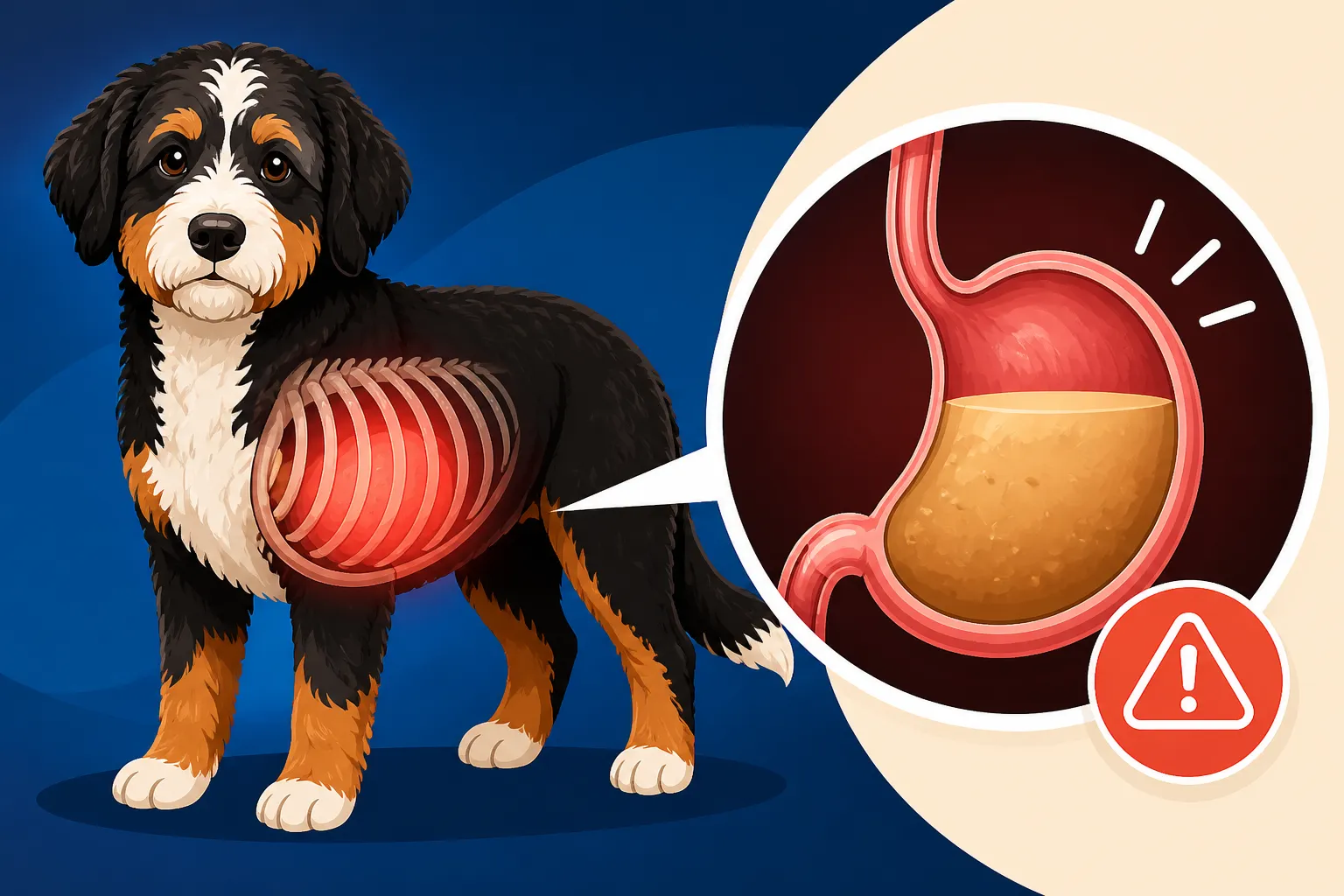
Imagine your Bernedoodle's stomach, usually a supple, banana-shaped organ. In a bloat episode, it first fills rapidly with gas, fluid, or food – a process called dilatation. This distension causes immense pressure, making your dog incredibly uncomfortable. Think of it like a balloon inflating uncontrollably inside their belly. This initial stage is painful, but the truly life-threatening part comes next: volvulus.
Volvulus occurs when the distended stomach twists on its axis, often 180 to 360 degrees. This twisting pinches off both the entrance (esophagus) and exit (duodenum) of the stomach, trapping everything inside. Worse still, it cuts off the blood supply to the stomach wall and often impacts other major blood vessels, including those leading to the heart. This rapidly leads to shock, organ damage, and if not treated surgically and swiftly, death. The pressure on the diaphragm also makes breathing incredibly difficult, adding to your Bernedoodle's suffering. It's a cascade of failure that can escalate from mild discomfort to full-blown emergency in what feels like an instant.
Why Bernedoodles Face This Threat: The Deep Chest Connection
Unfortunately, standard Bernedoodles are inherently predisposed to GDV, largely due to the physical traits they inherit from both of their parent breeds. The Bernese Mountain Dog is a classic deep-chested breed, and so is the Standard Poodle. When these two are combined, you often get a magnificent, large dog with a chest that is much deeper than it is wide.
This conformation, specifically The Chest That Puts a Standard Bernedoodle at Bloat Risk, creates a cavernous space within the ribcage where the stomach has more room to swing and twist if it becomes distended. In breeds with shallower, wider chests, the stomach is more "snugly" held in place, making torsion less likely even if gas builds up. For your beloved Bernedoodle, this deep chest means a higher anatomical risk compared to many other breeds. It’s not something you can change about their build, but it’s a crucial piece of knowledge that should inform your daily care and awareness, ensuring you're extra vigilant about potential signs and preventative measures.
Decoding the Alarming Signs of Bloat in Your Bernedoodle
Recognizing bloat early is absolutely critical. We’re talking about minutes and hours making a monumental difference in survival rates. The challenge is that the initial signs can sometimes be subtle, easily mistaken for general discomfort or a mild upset stomach. But as a Bernedoodle owner, you need to develop a keen eye and ear for anything out of the ordinary, especially since your dog's deep chest increases their risk.
Subtle Shifts in Behavior You Can't Afford to Miss
Your Bernedoodle is usually a happy-go-lucky companion, perhaps a little goofy, and almost always eager for affection or a walk. When they start acting unlike themselves, it's a huge red flag. Early signs of bloat often manifest as inexplicable restlessness or agitation. You might notice your dog pacing around the house, unable to settle into a comfortable position. They might try to lie down but then immediately stand up again, shifting their weight, or constantly repositioning themselves.
Another common behavioral change is hiding or seeking isolation. A dog in pain often retreats, perhaps going to a quiet corner or under a table, trying to cope with the discomfort away from human interaction. You might also observe excessive drooling or gulping, as if they're trying to swallow something uncomfortable. They might appear anxious, with wide eyes, panting even if they haven't exercised, or just seem generally "off." If your Bernedoodle, who typically greets you with enthusiasm, seems withdrawn or lethargic after eating, or starts acting strangely, don't dismiss it. These subtle cues are your dog's way of telling you something is seriously wrong, and paying attention can be a lifesaver.
Urgent Physical Symptoms Demanding Immediate Action
While subtle signs are important, there are several physical symptoms that scream "emergency!" and demand immediate veterinary intervention. The most recognized, and perhaps most terrifying, is unproductive retching. Your Bernedoodle will repeatedly try to vomit, often gagging violently, but nothing or very little (perhaps just foamy saliva) will come up. This is because the twisted stomach prevents anything from passing. If you see this, do not hesitate; every minute counts.
Another undeniable symptom is abdominal distension. The abdomen, particularly on the left side behind the last rib, will start to swell and feel hard or taut, like a drum. This distension can progress rapidly, making your dog look noticeably larger in the belly area. If you gently tap the side of their abdomen, it might sound hollow, like tapping a melon. Other critical signs include a rapid heart rate, pale gums (check inside their mouth), rapid and shallow breathing due to the pressure on their diaphragm, and obvious signs of severe pain, such as whining, groaning, or a hunched posture. They might also appear weak, unable to stand, or even collapse. If you observe any combination of these symptoms, especially the unproductive retching and abdominal swelling, your Bernedoodle is experiencing a life-threatening emergency. Drop everything and head to the nearest emergency vet immediately. Time is absolutely of the essence.
Identifying the Risk Factors for Bloat in Your Beloved Bernedoodle
Understanding that your Bernedoodle's deep-chested physique makes them inherently more susceptible to bloat is crucial. However, it's not just about their build; a combination of genetic, environmental, and behavioral factors can further elevate their risk. Being aware of these elements allows you to take proactive steps to minimize the chances of this deadly condition striking your furry family member.
Dietary Habits and Mealtime Management
How and what your Bernedoodle eats can significantly influence their bloat risk. One of the biggest culprits is eating too quickly. When dogs gobble down their food, they often swallow a lot of air along with it, which can contribute to the initial gas build-up in the stomach. Similarly, feeding one very large meal a day, instead of smaller, more frequent ones, can overwhelm the digestive system and lead to excessive stomach distension.
While research on specific food types causing bloat has had mixed results, some studies have historically suggested that diets high in fermentable ingredients or those with small particle sizes might be associated with higher risk, though this is not definitive. What is more consistently agreed upon is that sudden changes in diet can cause digestive upset and potentially increase risk. Additionally, Whether Raised Bowls Raise a Bernedoodle's Bloat Risk is a topic of ongoing debate; while some owners use them for comfort, some studies have suggested they might slightly increase risk in certain breeds by encouraging faster eating, though again, the evidence is not conclusive for all dogs. The key takeaway is to manage how your Bernedoodle eats, regardless of what's in the bowl.
Genetic Predisposition, Age, and Environmental Triggers
Beyond diet, several other factors contribute to a Bernedoodle's vulnerability to GDV. Genetics play a significant role; if a dog's parents or close relatives have experienced bloat, their offspring are at a higher risk. While no specific "bloat gene" has been identified, the inherited deep-chested conformation and perhaps other physiological predispositions clearly run in families. It's a sobering thought that despite all your care, some of it comes down to what's in their DNA.
Age is another factor. While bloat can occur at any age, it is more commonly seen in middle-aged to older dogs. As a Bernedoodle ages, their ligaments and tissues can become looser, potentially allowing the stomach more freedom to twist. So, What Changes in a Bernedoodle After Eight might include an elevated risk of bloat, making vigilance even more important. Lastly, environmental triggers, particularly stress and anxiety, can also play a part. Highly anxious dogs might gulp air more often or experience digestive upset, which, combined with other risk factors, could be problematic. Ensuring your Bernedoodle lives in a calm, predictable environment can contribute to their overall well-being and potentially reduce stress-related risk factors.
Proactive Protection: Implementing Bloat Prevention Strategies
Given the severe and rapid nature of GDV, prevention is truly the best medicine for your Bernedoodle. While you can’t eliminate all risk, there are many practical and impactful strategies you can implement daily to significantly reduce the likelihood of this terrifying emergency. These strategies focus on managing their diet, exercise, and in some cases, considering surgical intervention.
Crafting a Safe and Sound Feeding Schedule
One of the most effective ways to reduce bloat risk is by modifying your Bernedoodle's feeding routine. Instead of feeding one large meal a day, which can cause significant stomach distension, break their daily food allowance into two or three smaller meals. This reduces the amount of food and air in the stomach at any one time, making it less likely to bloat or twist. For example, if your standard Bernedoodle eats 4 cups of kibble a day, split it into two 2-cup meals, or even three 1.3-cup meals. You can find more details on general feeding amounts in our article, How Much Food a Standard Bernedoodle Eats Monthly.
To combat fast eating, invest in a slow-feeder bowl or a puzzle feeder. These devices are designed with ridges or compartments that force your dog to eat more slowly, reducing the amount of air they gulp down. Some owners even spread kibble on a large, flat baking sheet to achieve a similar effect, forcing their Bernedoodle to take smaller mouthfuls. Consistency is also key; try to feed your Bernedoodle at the same times each day to establish a predictable routine. Avoid feeding immediately after strenuous exercise, when they might be more prone to gobbling down food and water.
Smart Exercise and Hydration Practices
Managing your Bernedoodle's activity levels around meal times is just as important as how they eat. The general rule of thumb is to avoid vigorous exercise, excitement, or play for at least one hour before and two hours after meals. This "rest period" allows their food to settle and begin digesting without the stomach jostling around, which could increase the risk of twisting. This means no intense fetch sessions, no crazy zoomies in the yard, and certainly no car rides right after a big meal.
Similarly, be mindful of their water intake. While dehydration is dangerous, allowing your Bernedoodle to gulp down large quantities of water immediately before or after eating can also contribute to stomach distension. Offer fresh water freely throughout the day, but perhaps remove it temporarily for 30 minutes before and after meals, or offer smaller, controlled amounts if you know your dog tends to drink excessively at those times. During hot weather, ensure constant access to water but encourage slower drinking if possible. A large, deep water bowl might seem convenient, but ensure your dog isn't inhaling water with their meal.
Considering Prophylactic Gastropexy
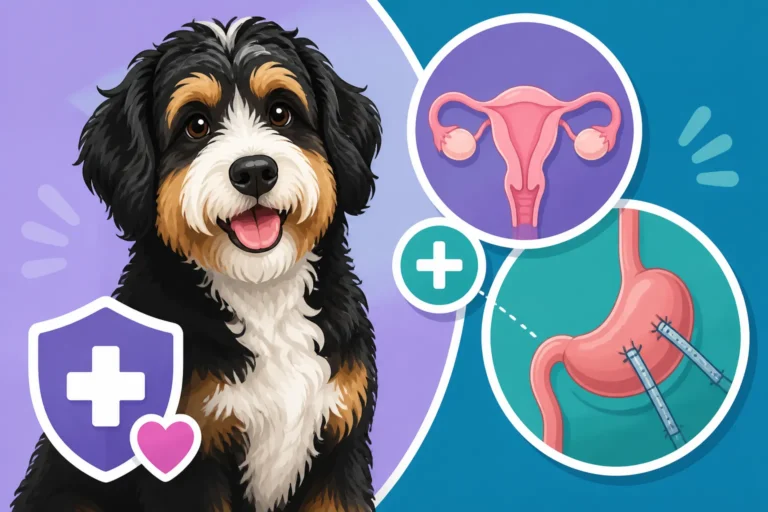
For many owners of high-risk breeds like the standard Bernedoodle, prophylactic gastropexy is a serious consideration. This surgical procedure involves permanently tacking or stitching the stomach to the abdominal wall, preventing it from twisting (volvulus) even if it still dilates (bloats with gas). It's essentially a preventative measure that eliminates the most deadly aspect of GDV.
While a gastropexy doesn't prevent the stomach from distending with gas (your dog could still experience the discomfort of "simple bloat"), it dramatically reduces the risk of the stomach twisting, which is what makes GDV life-threatening. The procedure is often performed at the same time as a spay or neuter, as the dog is already under anesthesia, making it more convenient and sometimes less costly. This combination is why you often hear discussions around Whether a Standard Bernedoodle Should Be Tacked at Spay. If your Bernedoodle is male, or already spayed/neutered, the gastropexy can be done as a standalone laparoscopic (minimally invasive) procedure, which typically has a faster recovery time than traditional open surgery. Discussing the pros and cons with your veterinarian, considering your Bernedoodle's individual risk factors, age, and overall health, is a crucial step in deciding if gastropexy is the right choice for your family. For more information on what this procedure entails, you might want to read What Gastropexy Adds to a Bernedoodle's Surgery.
Emergency! What to Do When Bloat Strikes Your Bernedoodle
No matter how diligent you are with prevention, bloat can still happen. And when it does, the most critical thing is to recognize it and act immediately. Panic is a natural reaction, but you need to channel that energy into swift, decisive action. Knowing exactly what to do can be the difference between life and death for your Bernedoodle.
Your Immediate Response at Home
If you suspect your Bernedoodle is experiencing bloat – those ominous signs of unproductive retching, a rapidly distending abdomen, or extreme discomfort – do not waste a single second. The very first thing you need to do is call your veterinarian or the nearest emergency veterinary clinic immediately. This is not a "wait and see" situation. Describe your dog's symptoms clearly and tell them you suspect GDV. This allows them to prepare for your arrival, potentially saving precious minutes.
While you're on the phone and heading out the door, there is absolutely nothing you can safely do at home to "fix" bloat. Do not try to induce vomiting, give antacids, or attempt any other home remedies. These actions can be dangerous, waste critical time, and potentially worsen your dog's condition. Your only job is to get your Bernedoodle to professional veterinary care as quickly and safely as possible. Keep them as calm as possible, avoid jostling them, and drive carefully but swiftly to the clinic. Your Bernedoodle's life depends on rapid professional intervention.
Navigating the Veterinary Emergency Room
Once you arrive at the emergency veterinary clinic, expect a flurry of activity. The veterinary team will understand the urgency and will likely whisk your Bernedoodle away for immediate assessment. They will perform a quick physical examination, often including checking gum color, capillary refill time, and heart rate to assess for shock. X-rays of the abdomen will be taken to confirm GDV, as these clearly show the distended, twisted stomach.
Upon confirmation, the veterinary team will immediately begin stabilizing your Bernedoodle. This typically involves placing intravenous (IV) catheters to administer fluids rapidly to combat shock, providing pain medication, and sometimes attempting to decompress the stomach by passing a tube down the esophagus (or, if that's impossible due to the twist, inserting a large-bore needle directly into the stomach through the abdominal wall). Once stabilized, emergency surgery is almost always required. During surgery, the veterinary team will carefully de-rotate the stomach back to its normal position, assess any damage to the stomach wall, and then perform a gastropexy to prevent future twisting. This procedure ensures that your Bernedoodle has the best chance of survival and a long, healthy future.
Life Beyond Bloat: Recovery, Long-Term Management, and Financial Preparedness
Surviving bloat is a huge milestone, but the journey doesn't end when your Bernedoodle comes home. The recovery period requires careful attention, and transitioning to a bloat-prevention lifestyle for the long term is essential. It's also a stark reminder of the unexpected financial burden severe emergencies can bring, highlighting the value of preparedness.
The Road to Recovery: Post-Operative Care
After emergency surgery for GDV, your Bernedoodle will need intensive post-operative care, often spending several days in the veterinary hospital for monitoring. They will likely be on IV fluids, pain medication, and possibly antibiotics. The veterinary team will monitor their heart rhythm for arrhythmias, which can be a common and serious complication of GDV.
Once home, your role is crucial. You'll need to administer any prescribed medications, monitor the surgical incision for signs of infection or swelling, and strictly adhere to activity restrictions. Your Bernedoodle will need a quiet, comfortable place to rest, away from excessive excitement. Leash walks will be short and controlled, and all jumping, running, and rough play will be forbidden for several weeks to allow the surgical site to heal properly. The vet will also provide specific dietary instructions, usually starting with small, bland meals and gradually transitioning back to their regular food, but always with bloat-prevention strategies in mind. Following these instructions precisely is paramount to a smooth and successful recovery.
Adapting to a Bloat-Conscious Lifestyle
Even with a gastropexy, which prevents future twisting, your Bernedoodle can still experience gastric dilation – the initial gas build-up. Therefore, adapting to a bloat-conscious lifestyle is a lifelong commitment. Continue with the preventative feeding strategies we discussed: multiple small meals a day, slow-feeder bowls, and strict rest periods around meal times. Avoid sudden diet changes and ensure a consistent routine.
Maintaining a healthy weight for your Bernedoodle is also important, as obesity can add to overall health risks, though its direct link to bloat isn't as strong as genetics or feeding habits. Regular, moderate exercise is good, but always remember to separate intense activity from mealtimes. Continue to monitor your Bernedoodle closely for any signs of discomfort or changes in eating or activity. Even though the most dangerous aspect (the twist) is prevented by gastropexy, ongoing vigilance will ensure you catch any issues early and maintain their long-term health.
The True Cost of Bloat and the Lifeline of Pet Insurance
Let's be blunt: treating GDV is incredibly expensive. The emergency care, diagnostics (X-rays), stabilization, complex surgery, and several days of intensive post-operative hospitalization can easily run into thousands of dollars, often ranging from $3,000 to $10,000 or even more, depending on the severity, complications, and geographic location. This unexpected financial burden can be a huge source of stress for families already grappling with their beloved pet's critical condition.
This is where pet insurance, like a plan from Healthy Paws, can be an absolute lifeline. Comprehensive pet insurance policies are designed to cover unexpected accidents and illnesses, including emergency surgeries such as GDV correction. While you still pay the vet bill upfront, a good policy can reimburse a significant portion of those costs, easing the financial strain immensely. Knowing you have that safety net allows you to focus solely on your Bernedoodle's care without agonizing over the monetary implications. When considering Insuring a Bernedoodle Against the Bernese Half, including a focus on unexpected emergencies like bloat, it truly demonstrates foresight and love for your furry family member. Looking at What a Bernedoodle Costs Over Its Whole Life, the monthly premium for pet insurance is a small investment compared to the potential cost of a life-saving emergency.
Here's a quick comparison of typical stomach issues versus GDV symptoms:
| Symptom | Mild Upset Stomach (Gastritis) | Gastric Dilatation-Volvulus (GDV) |
|---|---|---|
| Vomiting | Usually produces bile or food | Unproductive retching (nothing comes up) |
| Abdomen | May be mildly uncomfortable | Rapidly distends, hard, drum-like |
| Pain Level | Mild to moderate discomfort | Extreme, agonizing pain |
| Behavior | Lethargy, may eat grass | Restlessness, pacing, hiding, anxiety |
| Drooling | Minimal to moderate | Excessive |
| Gums | Normal pink | Pale, white, or bluish |
| Breathing | Normal | Rapid, shallow, labored |
| Timeframe | Often resolves in hours/day | Rapid progression, hours to death |
| Urgency | Monitor, vet if persistent | IMMEDIATE EMERGENCY VET |
A Community Effort: Educating and Empowering Bernedoodle Owners
Bloat is a community problem, not just an individual one. By sharing knowledge, demanding transparency from breeders, and supporting each other, Bernedoodle owners can collectively reduce the incidence and improve outcomes for this devastating condition.
The Breeder's Role in Minimizing Risk
Responsible Bernedoodle breeders have a significant role to play in the fight against GDV. While there isn't a single genetic test for bloat, breeders should be acutely aware of the health history of their breeding lines, particularly any instances of bloat in close relatives. Transparency is key; a good breeder will openly discuss any cases of bloat in their dogs' pedigrees and provide comprehensive health clearances for parent dogs, even if The Five Clearances a Bernedoodle Breeder Should Have don't directly include a "bloat clearance." They understand the Bernedoodle's inherent risk and are dedicated to producing healthy puppies.
They should also educate prospective puppy owners thoroughly about the risks of bloat, the signs to watch for, and the preventative measures to take. Providing puppy buyers with detailed feeding guidelines, recommendations for slow-feeder bowls, and advice on exercise management around meal times is an essential part of responsible ownership transfer. A breeder who dismisses bloat as "rare" or downplays the risk should raise a red flag.
Building a Network of Support and Knowledge
As a Bernedoodle owner, you are part of a growing, passionate community. Leverage this network! Joining online forums, social media groups, or local Bernedoodle clubs can provide an invaluable source of shared experiences, advice, and emotional support. These platforms often serve as quick resources where experienced owners can offer insights into early signs they've personally observed, or recommendations for emergency vets in a new area.
Educating yourself continuously about Bernedoodle health is paramount. Attend webinars, read reputable articles, and always maintain open communication with your veterinarian. Being informed allows you to advocate effectively for your dog and implement the most up-to-date preventative strategies. Remember, while bloat is scary, knowledge and preparation empower you to give your Bernedoodle the best possible chance at a long, healthy, and happy life.
Disclaimer
This article is intended for informational purposes only and does not constitute veterinary advice. If you suspect your Bernedoodle is experiencing bloat or any other medical emergency, please contact your veterinarian or the nearest emergency veterinary clinic immediately. Do not attempt to diagnose or treat your pet at home.