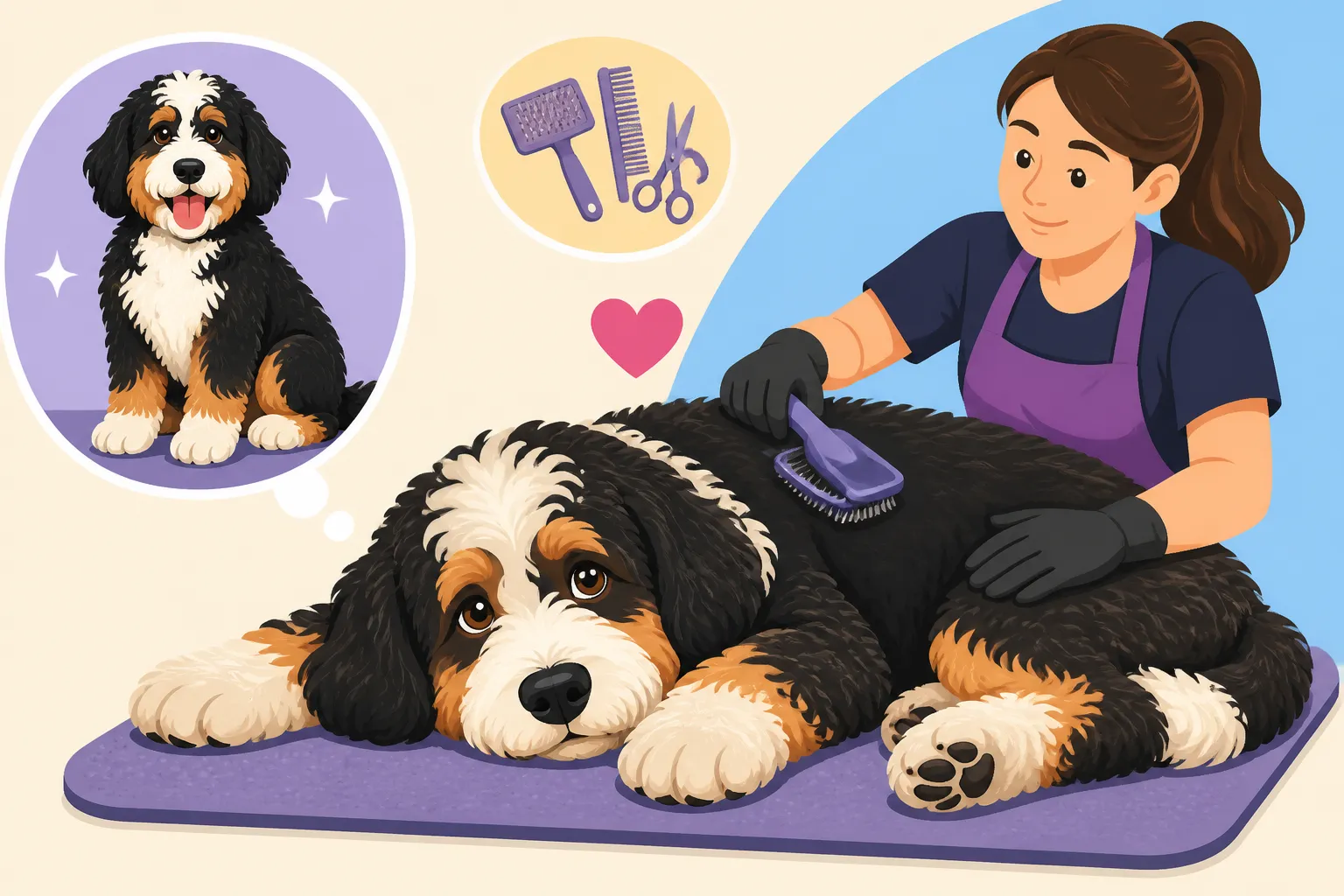
Whether an Arthritic Bernedoodle Can Be Groomed Lying Down
It’s a heart-wrenching moment when you notice your once spry Bernedoodle struggling to get up, perhaps favoring a leg, or even letting out a soft whimper when you touch a certain spot. Arthritis is a harsh reality for many of our beloved big dogs, and it brings a whole new set of challenges, especially when it comes to routine care like grooming. The question of whether an arthritic Bernedoodle can be groomed lying down isn't just about convenience; it's about comfort, dignity, and making sure your furry family member feels safe and loved even when their body is failing them. This guide aims to help you navigate these sensitive grooming sessions, focusing on how to make them gentle and effective, even when standing is no longer an option.
Understanding Arthritis in Your Bernedoodle
Arthritis, or osteoarthritis, is a progressive and painful condition caused by inflammation and degradation of the joints. For a large, heavy dog like a Bernedoodle, particularly as they enter their senior years, the wear and tear on their joints can become significant. It's not just a minor ache; it's a constant discomfort that affects their mobility, their mood, and their willingness to engage in activities they once loved.
Recognizing the Signs of Discomfort
Sometimes, the signs of arthritis in a Bernedoodle can be subtle, almost imperceptible at first, because dogs are masters at hiding pain. They don't want to appear vulnerable. You might notice a slight stiffness after they've been lying down for a while, particularly in the morning or after a long nap. Perhaps they're a little slower to get up, or they hesitate before jumping into the car or onto the couch (if they were allowed there before).
As the condition progresses, these signs become more obvious. You might observe a limp, a reluctance to use stairs, or a general decrease in their activity level. They might walk with a stiff, unnatural gait, and their posture could change as they try to compensate for painful joints. Some Bernedoodles might become irritable, snap, or even growl if you accidentally touch a sore spot, which is a big change from their usual sweet disposition. A key indicator can be a loss of muscle mass, particularly in the hindquarters, as they use those muscles less frequently due to pain. Pay close attention to these cues, as they are your Bernedoodle's way of communicating their pain. What Changes in a Bernedoodle After Eight can offer more insights into age-related shifts.
How Arthritis Impacts Grooming Sessions
Grooming, which was once a straightforward routine, can quickly become a stressful ordeal for both you and your arthritic Bernedoodle. The simple act of standing for an extended period on a hard grooming table, or even on the floor, can be excruciating. Their hips might ache, their elbows could throb, and their back might spasm from the strain.
Many Bernedoodles will start to resist grooming, not out of stubbornness, but because they associate it with pain. They might lean away, try to sit or lie down repeatedly, or become anxious and restless. This resistance can make tasks like brushing out mats, clipping nails, or even a quick sanitary trim incredibly difficult and potentially dangerous if they try to move abruptly. Trying to force them to stand can exacerbate their pain and erode the trust you've built, making future sessions even harder. It's crucial to acknowledge their limitations and adapt your approach, rather than expecting them to endure discomfort for the sake of a tidy coat.
The Art of Grooming an Arthritic Bernedoodle While Lying Down
The good news is that grooming an arthritic Bernedoodle while they are lying down is not only possible but often preferable. It allows them to relax in a comfortable position, reducing the strain on their painful joints and making the experience far more pleasant for everyone involved. It requires patience, a gentle touch, and a willingness to adjust your expectations.
Creating a Comfortable and Safe Environment
The first step to successful lying-down grooming is setting the stage. Choose a quiet, familiar area where your Bernedoodle feels secure. This could be their favorite spot in the living room, near your feet while you watch TV, or even on your bed if it's safe and accessible for them. The surface itself is paramount. You need something soft and supportive to cushion their joints.
Think about investing in a high-quality orthopedic dog bed, perhaps one with memory foam, which can contour to their body and provide excellent pressure relief. Many excellent options are available from retailers like Chewy or Amazon, designed specifically for large, senior dogs. Lay down extra blankets or thick towels to create an even softer nest. Ensure the area is free from drafts and has a consistent, comfortable temperature. If possible, groom on a non-slip rug or mat rather than a slick floor, to prevent any accidental slips if they shift position. Offering a favorite chew toy or a lick mat smeared with peanut butter can also help distract and relax them, turning a potentially stressful event into a positive association.
Gentle Techniques for Brushing and Dematting
When grooming an arthritic Bernedoodle lying down, slow and steady wins the race. Start by gently petting them, talking in a calm, soothing voice. Use a soft slicker brush or a wide-toothed comb, moving slowly through their coat. Instead of trying to do everything at once, break the grooming into short, manageable sessions – perhaps 10-15 minutes at a time, several times a week. This prevents fatigue and ensures they don't associate grooming with prolonged discomfort.
When brushing, always work in small sections, parting the coat down to the skin. This is called line brushing and is essential for preventing mats, especially in thick-coated dogs like Bernedoodles. Pay extra attention to areas prone to matting, such as behind the ears, armpits, and britches. If you encounter a mat, don't yank or pull. Instead, use a detangling spray generously and gently work it out with your fingers or a comb, starting from the outer edge and slowly working inwards. If a mat is too tight or painful to remove, it's better to clip it out carefully with blunt-nosed scissors, holding the skin taut, or leave it for a professional groomer. The Volume of Coat a Bernedoodle Owner Brushes Weekly emphasizes the importance of consistent brushing.
Managing Tricky Areas: Paws, Face, and Sanitary Trim
Even when lying down, some areas remain challenging. For paw pads, try to position your Bernedoodle so one leg is comfortably outstretched, rather than having to lift it high. You can sit on the floor beside them, gently cradling their paw in your lap. Use small, quiet clippers for trimming the hair between their paw pads, as this can get matted and cause discomfort when walking. For nail trims, approach one paw at a time, taking breaks if needed. Using a grinder can sometimes be less jarring than clippers.
When it comes to the face, you might need them to lift their head slightly or turn it to one side. Gentle praise and tasty treats are your best friends here. Use blunt-nosed scissors or small trimmers to keep the hair out of their eyes. For a sanitary trim, which is essential for hygiene but can be highly sensitive, again, patience is key. With your Bernedoodle on their side, you can carefully lift a leg, creating just enough access without causing undue strain. Small, quiet trimmers are ideal for these delicate areas. Remember, your goal is not perfection, but cleanliness and comfort.
Here's a quick comparison of different grooming positions for an arthritic Bernedoodle:
| Grooming Position | Pros | Cons | Ideal For |
|---|---|---|---|
| Standing on Table | Groomer has full access to all areas; good for detailed work. | Extremely painful and stressful for arthritic dogs; high risk of slips or falls. | Only for dogs with minimal or no mobility issues. |
| Standing on Floor | Less height to fall; dog feels more grounded. | Still requires standing for long periods; difficult for groomer to reach underneath. | Dogs with mild arthritis who can stand for short bursts. |
| Lying on Side | Most comfortable for hips and back; allows full relaxation. | Requires dog to be cooperative in staying down; can be awkward for groomer to reach far side. | Moderate to severe arthritis, long brushing sessions. |
| Lying on Stomach | Comfortable for some dogs; good access to back and sides. | Can put pressure on elbows; difficult to access underside/sanitary areas. | Dogs with hip issues but relatively healthy elbows. |
| Supported Sitting | Less strain than standing; good for face and front legs. | Still puts pressure on hips; difficult for rear body grooming. | Quick face trims or light brushing for mildly arthritic dogs. |
Essential Tools and Aids for Lying Down Grooming
Having the right tools can make a significant difference in the comfort and efficiency of grooming an arthritic Bernedoodle. Investing in quality items specifically designed for sensitive pets can turn a difficult chore into a manageable routine.
Brushes and Combs That Minimize Discomfort
For an arthritic Bernedoodle, you want tools that are effective without causing unnecessary pulling or snagging. A high-quality slicker brush with flexible pins, rather than stiff ones, is crucial for gently removing loose undercoat and small tangles. Pair this with a sturdy metal comb with both wide and fine teeth. The wide teeth are excellent for initial detangling, while the fine teeth help to ensure you've reached down to the skin. Look for combs with rounded tips to avoid scratching your dog's skin.
For mats, a good detangling spray is indispensable. It lubricates the hair, making it easier to separate and comb through without painful pulling. Always apply the spray directly to the mat, let it sit for a minute, and then gently work it with your fingers before trying to use a comb. For extreme matting, a mat splitter or a pair of safety scissors with rounded tips can be a lifesaver, but always exercise extreme caution and place your fingers between the mat and the skin to prevent accidental nicks. The Brushes a Bernedoodle Owner Actually Needs further elaborates on essential grooming tools.
Supportive Beds and Mats
As mentioned, an orthopedic bed is a game-changer for an arthritic dog. These beds are designed to provide maximum support and cushioning, distributing their weight evenly and alleviating pressure points. Brands widely available on platforms like Amazon or Chewy offer excellent options. Look for beds with dense memory foam or gel-infused foam for superior comfort. Some even come with bolster edges, which can provide a sense of security and a comfortable headrest for your Bernedoodle.
During grooming, you might also consider using a thick, non-slip mat or a yoga mat underneath their regular bedding to ensure stability. This prevents their paws from splaying or slipping when they try to adjust their position, which can cause them pain or anxiety. The goal is to create an environment where every movement, even a slight shift, feels secure and comfortable. Beds That Support a Heavy Old Bernedoodle provides specific guidance on bedding choices.
Grooming Aids for a Smoother Experience
Beyond brushes and beds, a few other aids can significantly improve the grooming experience. Calming treats or supplements, prescribed or recommended by your vet, can help ease anxiety before a session. You might also consider a pheromone diffuser in the grooming area to create a more relaxed atmosphere.
For sensitive skin, a gentle, hypoallergenic shampoo and conditioner are important. When bathing (which you might still need to do, even if they're lying down in a modified setup), ensure the water temperature is warm and soothing, not too hot or too cold. After bathing, a high-velocity force dryer used on a low-heat setting can significantly reduce drying time and prevent chilling, but introduce it slowly and gently, as some dogs are sensitive to the noise. Ensure they are completely dry, especially in areas prone to matting, to prevent skin irritation. Always remember to make breaks frequent and offer positive reinforcement with praise and small, high-value treats.
Working with Professionals and When to Seek Help
While home grooming is invaluable, there will be times when professional help is necessary. Knowing when to call in the experts, and how to work with them, is crucial for your Bernedoodle's well-being.
Communicating with Your Professional Groomer
If your Bernedoodle is arthritic, clear communication with their professional groomer is non-negotiable. Don't just drop them off and expect the groomer to figure it out. Schedule a conversation beforehand to explain their condition, detailing where their pain points are, what movements are difficult, and what positions they are most comfortable in. Let them know if your dog needs frequent breaks or if short, multiple sessions are preferable.
A good groomer will appreciate this information and be willing to adapt their techniques. They might agree to groom your Bernedoodle on the floor, on a heavily padded mat, or even lying down, just as you do at home. Some might offer specific services for senior or special-needs dogs. Be prepared to pay a bit more for the extra time and care required, as these specialized sessions take more effort and patience. It's about finding a partner in your dog's care who understands and respects their limitations. Sometimes, just the trip to the groomer can be stressful for an older dog; discussing alternatives like a mobile groomer who comes to your home might also be an option. Grooming an Old Bernedoodle That Cannot Stand Long highlights these considerations.
Veterinary Consultation for Pain Management
Managing arthritis is a veterinary matter first and foremost. Before you even think about modifying grooming techniques, ensure your Bernedoodle is on an appropriate pain management plan. Your veterinarian can offer a range of solutions, including non-steroidal anti-inflammatory drugs (NSAIDs), joint supplements like glucosamine and chondroitin, or even newer injectable medications that specifically target nerve growth factor, reducing pain. They might also recommend physical therapy, acupuncture, or laser therapy to improve comfort and mobility.
A well-managed pain regimen will not only improve your Bernedoodle's quality of life but also make grooming sessions far more tolerable. If your dog is in less pain, they'll be more cooperative and less stressed during handling. This proactive approach to their health is vital, particularly for a large breed prone to joint issues. Managing Arthritis in an Old Bernedoodle explores these medical interventions in depth.
The Option of Sedation Grooming
In some severe cases, where arthritis is extensive and pain is difficult to control, even the most gentle grooming can be too much for a Bernedoodle. For these situations, sedation grooming might be an option, but only under the strict guidance and supervision of your veterinarian. Sedation can allow your dog to relax deeply enough that a groomer can perform necessary tasks without causing distress or pain.
This is not a first-line solution, but a last resort for dogs whose quality of life would be compromised by letting their coat become matted and unkempt, leading to skin infections and further discomfort. Your vet will assess your Bernedoodle's overall health, consider any underlying conditions, and determine the safest sedation protocol. If this route is chosen, ensure the groomer is experienced with sedated dogs and works closely with your veterinary clinic. It's a serious decision, but one that can greatly benefit a dog facing extreme discomfort. Caring for a Bernedoodle Past Eight touches on the broader aspects of senior dog care.
Taking care of an arthritic Bernedoodle is a journey of adaptation and unwavering love. By understanding their pain, adjusting your grooming approach, using the right tools, and working collaboratively with professionals, you can ensure they remain comfortable, clean, and cherished, even as their bodies slow down.
Disclaimer
This article is for general informational purposes only and does not constitute professional advice. Laws, prices and regulations vary by location and change over time. Consult a qualified professional for guidance on your specific situation.