Exercise for a Bernedoodle With Arthritis
It's absolutely heartbreaking to watch your once-bouncy Bernedoodle start to slow down, struggling with stiffness and pain in their joints. Arthritis isn't just an "old dog thing"; it can affect them at various ages and significantly impact their quality of life. This guide will walk you through how to responsibly manage exercise for your arthritic Bernedoodle, ensuring they stay as active and comfortable as possible without exacerbating their condition.
Understanding Arthritis in Your Bernedoodle and Why Exercise Matters
Seeing your big, loving Bernedoodle hesitant to jump on the couch or slow to get up after a nap can truly tug at your heartstrings. You might wonder if they should just rest more, but it’s a delicate balance. Understanding what arthritis is and why the right kind of exercise is crucial is the first step toward helping them.
The Silent Battle: Recognizing Arthritis Symptoms
Arthritis, or osteoarthritis, is essentially the inflammation and progressive degeneration of the cartilage in a dog's joints. Over time, this cushiony cartilage wears away, leading to bone-on-bone friction, pain, and stiffness. For a Bernedoodle, with their larger size and the genetic predispositions from both the Bernese Mountain Dog and Poodle sides, conditions like hip and elbow dysplasia can lay the groundwork for early-onset arthritis. It's not just an elderly dog's ailment; sometimes, a dog in their middle years can already be showing signs.
You might notice subtle changes at first. Maybe they don't greet you at the door with the same exuberant bounce, or they seem a little stiff when they first wake up. Perhaps they're reluctant to use stairs or jump into the car, or they start to lag behind on walks they once loved. Some Bernedoodles might even become a bit grumpier or more withdrawn because they're in constant discomfort. Don't dismiss these as simply "getting old." If you see any of these signs, it's always best to consult your veterinarian to get a proper diagnosis and start a management plan. Early intervention can make a huge difference in Managing Arthritis in an Old Bernedoodle.
The Double-Edged Sword: Why Some Exercise Is Crucial
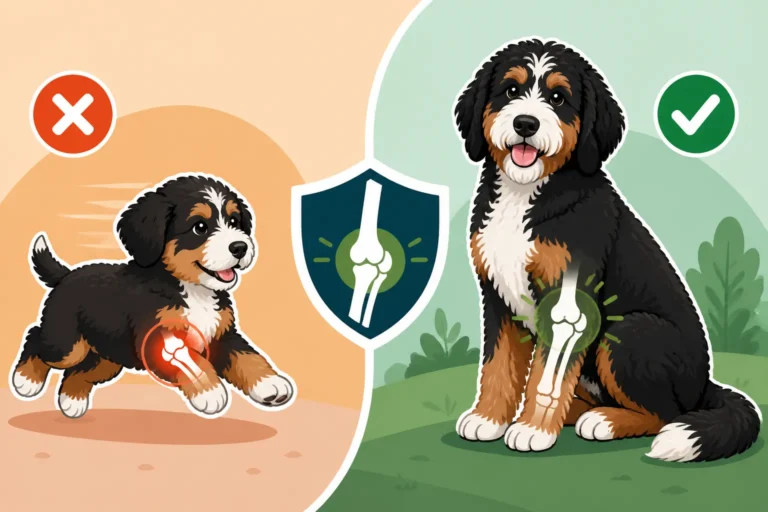
It might seem counterintuitive to suggest exercise when your dog is in pain, and many owners fall into the trap of thinking complete rest is the answer. While rest is vital during acute flare-ups, chronic inactivity can actually worsen arthritis in the long run. When a dog doesn't move, the muscles supporting their joints begin to atrophy, becoming weaker. This loss of muscle means less support for the already compromised joints, leading to increased instability and pain. The joint fluid, which acts as a natural lubricant, also becomes less effective without movement, causing further stiffness.
Controlled, low-impact exercise, however, is a game-changer. It helps maintain existing muscle mass, which acts as a protective shield around the joints. Regular, gentle movement encourages the production of synovial fluid, lubricating the joints and reducing stiffness. It also helps with weight management, which is incredibly important for larger breeds prone to arthritis. Every extra pound puts more strain on those already painful joints, accelerating the degeneration. Plus, exercise provides mental stimulation, helping to keep your Bernedoodle happy and engaged even as their physical capabilities change. It's about finding the right balance to support their body without causing further damage.
Tailoring an Exercise Routine for Arthritic Bernedoodles
Once your vet has confirmed an arthritis diagnosis, the real work begins in adapting your Bernedoodle's lifestyle. The key is to be consistent but flexible, always putting their comfort first. You're aiming for movement that lubricates joints and builds supporting muscle, not high-impact activity that causes wear and tear.
Low-Impact Activities for Joint Health
The goal here is movement without pounding. Think of exercises that are gentle on the joints but still allow your Bernedoodle to stretch and use their muscles.
- Swimming: This is often hailed as the best exercise for dogs with arthritis, and for good reason! The buoyancy of water supports their body weight, taking the pressure off their joints while still allowing them to get a fantastic cardiovascular and muscular workout. Many areas have canine hydrotherapy centers or dog-friendly pools. If you're fortunate enough to have access to safe, warm water, even gentle paddling can do wonders. Make sure they wear a dog life vest for safety and support, especially if they're not strong swimmers or have trouble with balance. Remember that even in water, a Bernedoodle can Whether a Bernedoodle Swims to Cool Off but swimming provides an excellent low-impact option.
- Leisurely Walks: Forget those long, intense hikes you might have enjoyed in their younger years. For an arthritic Bernedoodle, short, frequent, and slow walks are much more beneficial. Instead of one 45-minute walk, try three 15-minute strolls throughout the day. This keeps the joints moving without overtaxing them. Pay attention to the terrain – flat, soft surfaces like grass or dirt trails are preferable to hard pavement, which can be jarring. Always listen to your dog; if they start to slow down, limp, or seem uncomfortable, it's time to head home.
- Gentle Play: Playtime doesn't have to stop, it just needs to adapt. Instead of intense games of fetch that involve sudden stops and jumps, opt for gentler activities. Rolling a soft ball across the floor, low-key games of tug-of-war (keeping it low to the ground to avoid neck strain), or hiding treats for them to "hunt" can provide mental stimulation and light physical activity. Avoid anything that encourages jumping, twisting, or rapid changes in direction, as these movements can be particularly painful for compromised joints.
Incorporating Therapeutic Movements
Beyond general exercise, specific therapeutic movements can further aid your Bernedoodle's joint health. These are often best learned from a qualified canine physical therapist or your vet to ensure correct technique.
- Controlled Leash Walks: Sometimes, simply walking slower and more deliberately can be therapeutic. Focus on walks where your Bernedoodle is walking purposefully, engaging their muscles evenly. If your vet approves, very slight inclines can help build hindquarter strength without too much strain, but always proceed with caution and keep it short. The key is steady, rhythmic movement.
- Range of Motion Exercises: These are passive movements where you gently move your dog's limbs through their natural range of motion. This helps to keep the joints flexible and prevents stiffness. Your vet or a canine physical therapist can teach you how to safely perform these exercises at home, showing you how much pressure to apply and which movements to avoid. It’s never about forcing a joint, but gently encouraging movement.
- Proprioception Exercises: These exercises help improve your dog's awareness of their body in space, which can decline with arthritis. Simple activities like walking slowly over a series of low cavaletti poles (PVC pipes laid on the ground) or walking on slightly uneven, soft surfaces (like thick grass or a memory foam mat) can challenge their balance and coordination, strengthening core muscles and improving stability. Again, these should always be done under supervision and after consulting with a professional.
The Importance of Consistency and Observation
The most effective exercise routine for an arthritic Bernedoodle is one that is consistent but also adaptable. Daily activity, even if it's just a couple of short walks or a gentle swim, is far better than sporadic bursts of intense exercise. Think of it like taking medication – small, regular doses are more effective than occasional large ones.
Crucially, you need to become an expert in reading your Bernedoodle's body language. Are they limping more after a particular activity? Are they reluctant to get up the next morning? Do they lick their joints excessively? These are all cues that you might have pushed them too hard, or that a specific exercise isn't suiting them. Some days will be better than others, so be prepared to adjust the routine accordingly. On "bad days," keep activity minimal and focus on comfort. On "good days," you might extend a walk by a few minutes or add an extra session of gentle play. Regular check-ins with your vet are also important to discuss their progress and any changes you've observed.
Supporting Your Bernedoodle's Mobility Beyond Exercise
Exercise is just one piece of the puzzle. A holistic approach to managing your Bernedoodle's arthritis includes making their environment more comfortable and providing the right nutritional and medical support.
Creating a Joint-Friendly Home Environment
Making small changes around the house can significantly reduce strain on your Bernedoodle's joints and prevent further injury.
- Ramps and Steps: Jumping on and off furniture or in and out of the car puts immense pressure on a dog's joints. Invest in ramps or pet steps to help your Bernedoodle access their favorite spots safely. This might mean a ramp for the back of the SUV or a set of steps for the couch. It takes a little training to get them used to it, but it's worth it for their long-term joint health. You might find a great option on Amazon that suits your decor.
- Supportive Bedding: Just like humans with joint pain, dogs benefit from a comfortable, supportive bed. Orthopedic beds with memory foam distribute weight evenly, reducing pressure points and providing insulation from cold, hard floors. Look for thick, high-quality orthopedic beds designed for large breeds. Many excellent options are available from retailers like Chewy, which can make a huge difference in how comfortably your Bernedoodle sleeps and how they feel when they wake up. Beds That Support a Heavy Old Bernedoodle are an absolute must.
- Non-Slip Flooring: Slippery floors like hardwood, tile, or laminate can be treacherous for dogs with compromised balance and painful joints. They have to splay their legs to gain traction, which can lead to slips, falls, and further injury. Lay down runners, area rugs, or carpet tiles in high-traffic areas to provide better grip. This simple change can make moving around the house much less stressful and painful. For more on this, consider Whether Rugs Help an Older Bernedoodle.
Nutritional Support and Weight Management
What goes into your Bernedoodle's bowl can have a profound impact on their joint health. Diet plays a crucial role in managing arthritis.
- Joint Supplements: Many vets recommend joint supplements containing ingredients like glucosamine, chondroitin, MSM, and Omega-3 fatty acids. These compounds are believed to help support cartilage health, reduce inflammation, and improve joint lubrication. While not a cure, they can often slow the progression of arthritis and alleviate discomfort. Always discuss specific dosages and types with your vet, as quality varies. These can often be found at pet stores or online, and some come in palatable treat forms. Many owners explore options for Whether Joint Supplements Help a Bernedoodle early on.
- Weight Control: This cannot be stressed enough: maintaining a healthy weight is paramount for an arthritic Bernedoodle. Even a few extra pounds dramatically increase the stress on already painful joints. Work with your vet to determine your Bernedoodle's ideal weight and how much food they should be getting daily. You might need to adjust portion sizes, reduce treats, or switch to a lower-calorie, high-fiber food. Services like Ollie offer customized fresh food plans that can help manage caloric intake and provide high-quality nutrients, which can be beneficial for Getting Weight Off an Overweight Bernedoodle.
- High-Quality Diet: Beyond supplements, a balanced diet rich in anti-inflammatory ingredients can also be helpful. Some commercial dog foods are formulated specifically for joint health, often containing higher levels of beneficial fatty acids. Look for foods with whole ingredients and avoid excessive fillers.
Medical and Professional Interventions
Sometimes, diet and exercise aren't enough, and your Bernedoodle may need additional medical support to stay comfortable.
- Veterinary Care: Regular check-ups are essential to monitor your Bernedoodle's arthritis progression. Your vet can prescribe anti-inflammatory medications (NSAIDs), corticosteroid injections, or newer biologics like Librela, which specifically targets nerve growth factor associated with osteoarthritis pain. They might also recommend injections of polysulfated glycosaminoglycans (Adequan) to help protect cartilage. These treatments are not without potential side effects, so ongoing veterinary supervision is crucial.
- Canine Physical Therapy: A certified canine physical therapist can be an invaluable resource. They can design a personalized exercise program, including therapeutic exercises, stretches, and modalities like hydrotherapy (under supervision), laser therapy, or acupuncture. These specialized treatments can significantly reduce pain, improve range of motion, and strengthen supporting muscles in ways you might not be able to achieve at home.
- Harnesses and Mobility Aids: For Bernedoodles with more advanced arthritis, supportive harnesses can make a big difference. Rear support harnesses or full-body lifting harnesses can assist you in helping your dog stand up, navigate stairs, or walk on unsteady legs. These aids take some of the pressure off their weakened limbs and can improve their confidence and mobility. You want to make sure you are Supporting an Old Bernedoodle That Cannot Rise whenever possible.
What to Avoid When Exercising an Arthritic Bernedoodle
While careful exercise is beneficial, there are certain activities and situations that should be strictly avoided to prevent pain, injury, and further joint damage.
High-Impact and Repetitive Activities
The kinds of activities that were fun for a young, healthy Bernedoodle can be detrimental to one with arthritis. It’s crucial to understand the difference.
- No Intense Running, Jumping, or Fetch: Say goodbye to long, vigorous runs, chasing after a frisbee that requires airborne catches, or rapid-fire fetching that involves quick turns and stops. These high-impact movements put tremendous strain on the joints, causing cartilage to grind and potentially leading to acute inflammation and pain flare-ups. The repetitive nature of these activities can also exacerbate wear and tear.
- Avoid Sudden Stops, Starts, or Twists: Activities that force your Bernedoodle to stop on a dime, accelerate quickly, or twist their body (like pivoting in tight circles during play) are incredibly hard on arthritic joints. These movements can lead to instability, causing subluxations or even further soft tissue damage. Think slow and steady wins the race, not bursts of speed or agility. Even The Five Minute Rule on a Bernedoodle Puppy's Walks can be a great concept to scale for older, arthritic dogs by focusing on very short, controlled bursts of activity.
Ignoring Pain Signals
This is perhaps the most important rule. Your Bernedoodle can't tell you in words that they're hurting, so it's up to you to recognize and respect their signals.
- Never Push Through Obvious Discomfort: If your Bernedoodle winces, slows down, vocalizes, or tries to stop an activity, stop immediately. Pushing them "just a little further" can cause significant pain and injury, leading to a much longer recovery period. It's vital to differentiate between healthy muscle fatigue and pain. If you see them limping or walking awkwardly, that's a clear sign of pain.
- Know the Difference Between Stiffness and Pain: While some stiffness is common for arthritic dogs, especially after rest, persistent limping or reluctance to move indicates pain. A little stiffness that eases with gentle movement is one thing; outright pain that worsens with activity is another. When in doubt, err on the side of caution and consult your vet. They may suggest pain relief or a modification to their current regimen.
Extreme Weather Conditions
Bernedoodles, with their thick coats, have specific considerations regarding temperature, but arthritis adds another layer of complexity.
- Cold Can Exacerbate Arthritis: Cold weather often makes joint pain worse, just like in humans. In winter, ensure your Bernedoodle is adequately warm before and during walks. A warm dog coat can help, and a gentle warm-up before heading out is beneficial. Avoid prolonged exposure to very cold or damp conditions.
- Heat Can Lead to Overheating and Overall Stress: While cold is directly painful for joints, excessive heat can cause your Bernedoodle to overheat, leading to lethargy, panting, and overall body stress. This stress can indirectly exacerbate joint pain. Remember, a Bernedoodle's dense coat can make them prone to Heatstroke Risk in a Dark Coated Bernedoodle, especially in warmer climates. Always walk them during the coolest parts of the day, provide plenty of water, and never leave them unattended in a car.
Here's a quick reference table to help guide your Bernedoodle's exercise routine:
| Activity Type | Recommended for Arthritic Bernedoodles | Activities to Avoid |
|---|---|---|
| Water Activities | Swimming (supervised, with vest) | Jumping into/out of deep water, extended vigorous fetching in water |
| Walking | Short, frequent, slow walks on soft, flat surfaces (grass, dirt) | Long, strenuous hikes; fast-paced jogs; walks on hard pavement/uneven terrain |
| Playtime | Gentle tug-of-war (low to ground), rolling a soft ball, scent games | High-impact fetching (jumping), frisbee, sudden stops and twists, roughhousing |
| Therapeutic | Controlled leash walks, passive range of motion (vet-guided), cavaletti poles | Unsupervised, forced movements; anything causing pain |
Remember, managing arthritis in your beloved Bernedoodle is a journey, not a destination. With thoughtful exercise, a supportive home, and consistent veterinary care, you can help them maintain a good quality of life and enjoy their golden years as comfortably as possible.
Disclaimer
This article is for general informational purposes only and does not constitute professional advice. Laws, prices and regulations vary by location and change over time. Consult a qualified professional for guidance on your specific situation.