Car Travel With a Standard Bernedoodle
Traveling with a standard Bernedoodle in the car can feel like planning a small expedition. Their size alone presents unique challenges, from simply fitting them comfortably to ensuring their safety and your peace of mind on the road. This guide will walk you through everything you need to know to make car travel with your beloved Bernedoodle as smooth, safe, and enjoyable as possible, tackling common frustrations along the way.
Securing Your Standard Bernedoodle Safely on the Road
The first and most critical aspect of car travel with a large dog like a Bernedoodle is their safety, and by extension, yours. An unrestrained 80-pound dog becomes a dangerous projectile in the event of a sudden stop or accident, putting everyone in the vehicle at risk. Beyond that, a freely roaming dog can be a significant distraction to the driver, leading to accidents in the first place. This isn't about being overly cautious; it's about understanding the physics and prioritizing well-being.
Crash-Tested Harnesses and Seatbelt Attachments
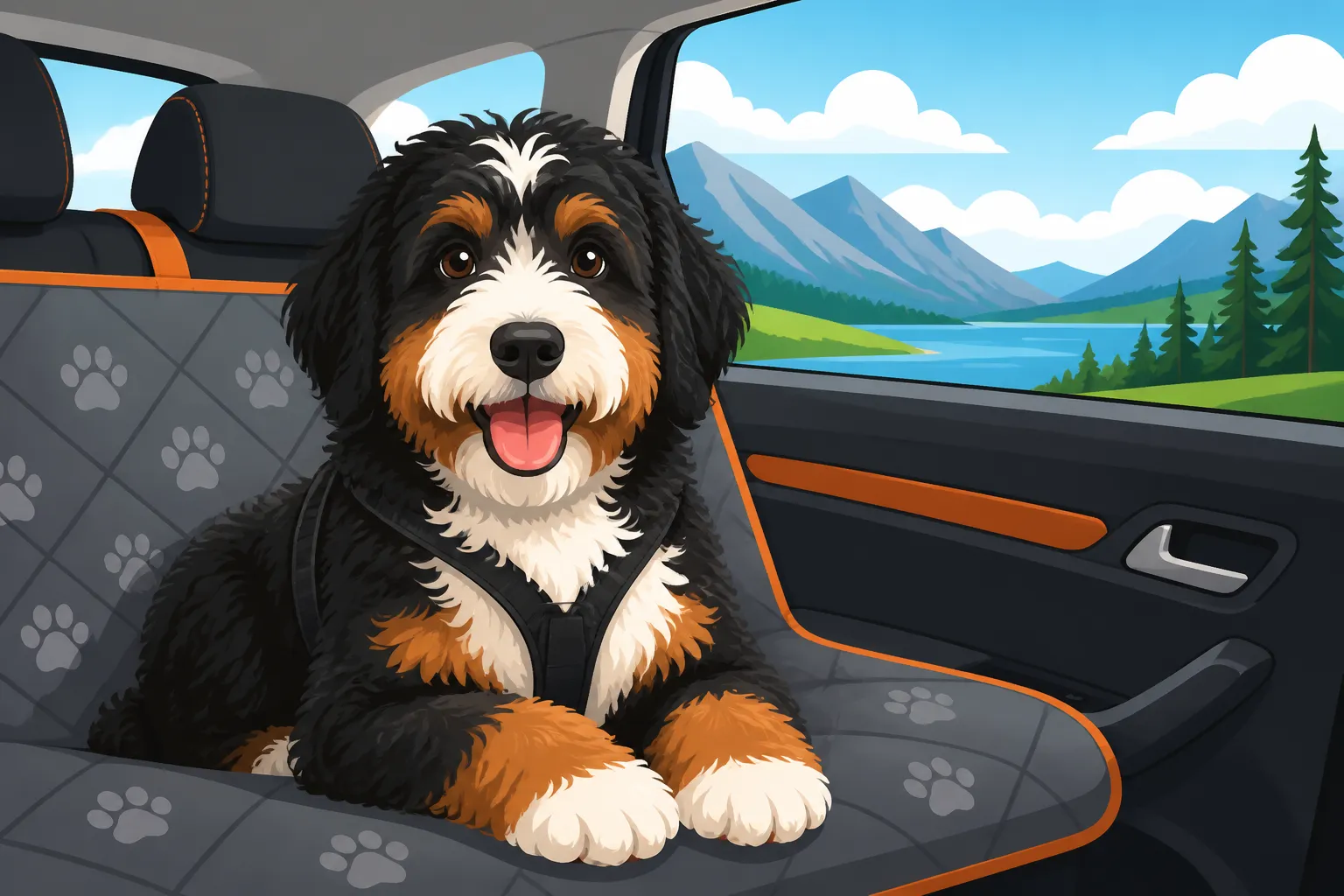
Many owners opt for a crash-tested harness that can be secured directly to the car's seatbelt system. Not all harnesses are created equal, and it's essential to look for those that have undergone rigorous testing to ensure they can withstand impact. Organizations like the Center for Pet Safety (CPS) have independent certification programs, and seeking out products that meet their standards is a wise move. A good harness will distribute force across your dog's chest rather than concentrating it on their neck, which is crucial for preventing injury. You can often find a wide variety of these harnesses, along with detailed reviews, on sites like Amazon.
Attaching these harnesses often involves a tether that clips into the seatbelt receptacle or wraps around the seatbelt itself. The length of this tether is important; you want it short enough to prevent your Bernedoodle from gaining too much momentum in a stop, but long enough for them to comfortably sit, lie down, or turn around. Some tethers come with a bungee-like section to absorb some shock. Remember, the goal isn't just to keep them from wandering but to protect them in an impact. For a dog that might try to chew through things, consider a metal-reinforced tether or a harness made of very durable material.
Secure Crates and Carriers
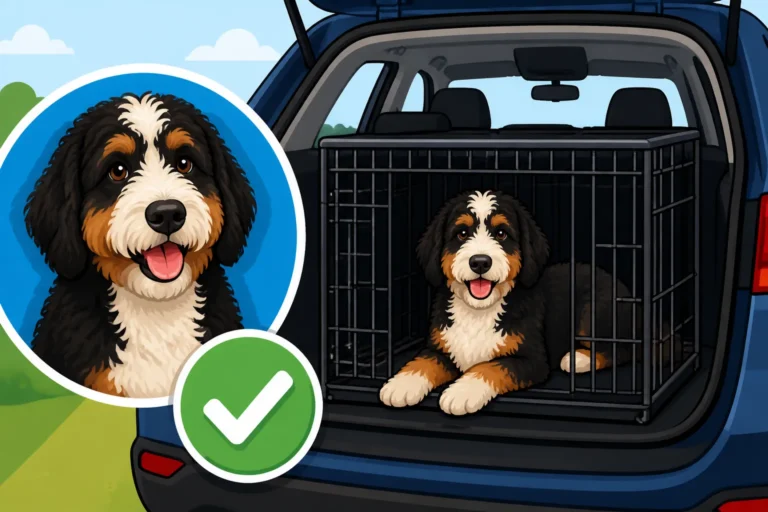
For many standard Bernedoodle owners, a sturdy, well-secured crate is the safest option for car travel, particularly on longer journeys. A crate, when properly secured, offers a contained and familiar space that can reduce anxiety for some dogs and provides superior protection in a collision. However, the sheer size of a standard Bernedoodle means you'll need a large crate, which can be a challenge to fit in many vehicles. Large SUVs, minivans, or trucks are often necessary to accommodate the appropriate size crate.
When selecting a crate for car travel, prioritize construction and ventilation. Wire crates are generally not recommended for car travel as they can collapse or become dangerous projectiles themselves in a crash. Look for sturdy plastic or aluminum crates designed for travel. These often have specific tie-down points. The crate must then be firmly anchored in the vehicle, typically in the cargo area, using heavy-duty straps to prevent it from shifting or tipping. This might involve cargo tie-downs available in your vehicle or securing it to the seat anchors if possible. Ensuring your Bernedoodle has enough room to stand, turn around, and lie down comfortably within the crate is essential, but it shouldn't be so large that they can be tossed around excessively within it during a sudden stop. Whether a Crate Suits a Ninety Pound Bernedoodle is a good read for more specific advice on crate sizing.
Safety Considerations for Larger Dogs
Regardless of the restraint method you choose, it's vital to consider the specific needs of a standard Bernedoodle. Their size means they will require more space and more robust equipment than a smaller dog. Ensure any harness fits snugly but doesn't chafe, especially in areas like the armpits. If using a crate, make sure it's kept clean and comfortable with a familiar blanket or bed, which can be purchased from online retailers like Chewy.
Never allow your Bernedoodle to ride with their head out the window. While they might love the wind in their fur, it exposes them to debris that can cause eye injuries, ear damage, or even respiratory issues. Similarly, never allow your Bernedoodle to ride in the front seat, especially if there are airbags. A deploying airbag could severely injure or kill a dog, regardless of their size. Always prioritize the back seat or cargo area, properly restrained, for your Bernedoodle's safety.
Making Car Rides Comfortable for Your Large Dog
Beyond safety, ensuring your Bernedoodle is comfortable during car travel is key to a stress-free journey for both of you. A standard Bernedoodle is a large, often sensitive creature, and a cramped or uncomfortable ride can quickly turn into a nightmare of whining, panting, or general agitation.
Temperature Control and Ventilation
Bernedoodles, with their thick, often dense coats, can overheat easily, especially darker-coated individuals. This makes temperature control in the car paramount. During warmer months, ensure the air conditioning is running effectively and that cool air reaches the back of the vehicle where your Bernedoodle is riding. Consider tinting your car windows if you frequently travel with your dog, or use sunshades to reduce direct sunlight. Never, ever leave your Bernedoodle in a parked car, even for "just a minute," as interior temperatures can skyrocket to dangerous levels in a very short amount of time. Even on a seemingly mild day, the enclosed space of a vehicle acts like an oven. Why a Black Tri Bernedoodle Overheats explains this risk in more detail.
In colder weather, ensure the car is comfortably warm, but avoid excessive heat that could dry out their skin or cause discomfort. Good ventilation is always important; cracked windows (just enough for air circulation, not enough for escape) can help, but again, be mindful of direct wind exposure. Having a portable fan that can clip onto a crate or direct air towards your dog can be a lifesaver on warm days if your car's vents don't reach adequately.
Familiar Comforts and Strategic Breaks
To help your Bernedoodle feel at ease, bring along familiar items from home. A favorite blanket, bed, or even a well-loved toy can provide a sense of security and familiarity in the moving vehicle. Place their bed or blanket in their crate or on the seat where they'll be riding. The scent of home can be incredibly calming.
Long car rides can be tough on anyone, especially a large dog that can't stretch their legs whenever they want. Plan for frequent potty and stretch breaks, ideally every 2-3 hours. These breaks are crucial for their physical comfort and mental well-being. During these stops, ensure your Bernedoodle gets a chance to relieve themselves, walk around a bit on a leash, and drink some fresh water. Always keep them leashed during breaks to prevent them from running off in unfamiliar surroundings. A collapsible water bowl, easily refillable from a bottle, is a must-have for these stops.
Managing Motion Sickness and Anxiety
Even with the best preparation, some Bernedoodles can suffer from motion sickness or anxiety in the car. It's a frustrating situation for both dog and owner, but there are strategies to help alleviate these issues.
Recognizing the Signs and Gradual Acclimation
Motion sickness in dogs often manifests with excessive drooling, lip-licking, yawning, restlessness, vomiting, or lethargy. Anxiety might look like panting, trembling, whining, pacing, or even trying to hide. It's important to differentiate between the two, as their management can differ slightly. For some Bernedoodles, the movement itself triggers discomfort, while for others, it's the novelty or perceived threat of being confined in a moving space.
The best way to combat both issues is through gradual acclimation. Start with very short, positive experiences. First, simply get your Bernedoodle comfortable being in the stationary car. Load them in, give them a high-value treat, and let them get out. Repeat this a few times over days. Next, turn the car on for a minute or two, still stationary, with treats and praise. Then, progress to very short drives around the block, slowly increasing the duration and distance over time. Always make it a positive experience with rewards and calm reassurance. This process can take weeks, so be patient.
Calming Aids and Veterinary Consultation
For Bernedoodles who continue to struggle despite acclimation, there are various calming aids you can explore. Pheromone sprays or diffusers designed for dogs can have a calming effect for some individuals. Calming treats containing ingredients like L-theanine or chamomile are available at pet stores or online from retailers like Chewy. Always check ingredients and dosages for your dog's size. Some owners find that a thundershirt-type wrap can provide a sense of security during travel.
If motion sickness or anxiety is severe and persistent, it's always best to consult your veterinarian. They can rule out any underlying health issues and may prescribe anti-nausea medication or anti-anxiety medication for car travel. Medications can be very effective for dogs with intense symptoms, providing relief and making travel possible when it otherwise wouldn't be. Remember, a vet can offer tailored advice for your Bernedoodle's specific needs.
Packing Essentials for a Bernedoodle Road Trip
Before you even think about hitting the open road with your standard Bernedoodle, you'll want a detailed checklist to ensure you haven't forgotten anything crucial. Their substantial size means they need a good amount of supplies, and being unprepared can turn a fun adventure into a stressful ordeal.
Food, Water, and Feeding Supplies
This might seem obvious, but it's easy to underestimate the sheer volume of food a standard Bernedoodle consumes, especially on a longer trip. Pack more food than you think you'll need, just in case of delays. Keep it in an airtight container to maintain freshness and prevent spills. If your Bernedoodle is on a specialized diet, like fresh food from services such as Ollie, ensure you have appropriate cooling methods like a cooler with ice packs to keep it safe. Don't forget their regular bowls! Collapsible travel bowls for water are incredibly convenient for those roadside stops.
Access to fresh water is non-negotiable. Carry several gallons of water, particularly if you're traveling through areas where potable water for dogs might not be readily available. Hydration is critical, especially for a thick-coated dog in a warm car.
Leash, Waste Bags, and Grooming Tools
A sturdy leash and collar with up-to-date ID tags are absolute musts. Consider bringing a backup leash and collar as well. You'll need plenty of waste bags – a Bernedoodle's output is not insignificant! Being a responsible pet owner means cleaning up after your dog, no matter where you are.
Bernedoodles are known for their magnificent, but high-maintenance, coats. Even on a short trip, tangles can form, especially in friction areas. Pack a slicker brush and a metal comb to keep mats at bay during breaks. The Volume of Coat a Bernedoodle Owner Brushes Weekly highlights why this is so important. You might also want a quick-drying towel in case of unexpected puddles or spills.
First Aid, Medications, and Comfort Items
A comprehensive pet first-aid kit is essential for any travel. This should include items like antiseptic wipes, gauze, vet wrap, blunt-tip scissors, tweezers, and any regular medications your Bernedoodle takes. If your dog is on prescription medication, carry extra with you, along with a copy of the prescription. It's also a good idea to have your vet's contact information readily accessible, as well as the number for a 24-hour emergency vet clinic at your destination or along your route.
Finally, don't forget those small comfort items we discussed: a favorite toy, a comfort blanket, or even a chewer to help pass the time in the car. These simple additions can make a huge difference in your Bernedoodle's overall travel experience.
| Item Category | Essential Items for Bernedoodle Car Travel | Purpose |
|---|---|---|
| Safety | Crash-tested harness or secure travel crate, seatbelt attachment | Prevents injury in stops/accidents, minimizes driver distraction |
| Identification | Collar with ID tags (up-to-date), backup collar/leash, vet contact info | Ensures safe return if separated, access to vet history in emergency |
| Nourishment | Ample food (airtight container), fresh water (several gallons), collapsible bowls | Maintains hydration and consistent diet, prevents stomach upset |
| Hygiene | Plenty of waste bags, quick-drying towel | Responsible waste disposal, managing wet paws or unexpected messes |
| Health | Pet first-aid kit, all medications (with extra supply), copies of prescriptions | Addresses minor injuries, manages chronic conditions, preparedness for emergencies |
| Comfort/Activity | Favorite blanket/bed, beloved toys, durable chew (e.g., Kong), slicker brush/comb | Reduces anxiety, provides mental stimulation, maintains coat health, familiar scents offer reassurance |
Preparing Your Bernedoodle for the Journey
Beyond the physical items, preparing your Bernedoodle mentally and physically for car travel can make all the difference. This involves strategic timing, exercise, and a bit of foresight into their routine.
Pre-Travel Exercise and Potty Breaks
A tired Bernedoodle is generally a calm Bernedoodle. Before any significant car journey, ensure your dog gets ample exercise. A long walk, a good romp in the yard, or a vigorous play session can help burn off excess energy and encourage them to relax and sleep during the ride. The Exercise a Standard Bernedoodle Needs Daily emphasizes how much activity these dogs require. A well-exercised dog is less likely to be restless or anxious in the car.
Always give your Bernedoodle a thorough potty break right before getting into the car. This minimizes the need for unscheduled stops and reduces the chance of accidents in the vehicle. Offer water, but avoid giving a large meal just before travel, especially if your dog is prone to motion sickness, as this can exacerbate symptoms.
Desensitization and Positive Association
As mentioned earlier, desensitization is key for dogs who aren't naturally fond of car rides. Make every interaction with the car a positive one. Start with short, pleasant trips to fun destinations like a dog park or a friend's house, rather than just the vet (though those trips are necessary too!). This helps your Bernedoodle associate the car with good experiences. Using treats, praise, and a calm demeanor will help build a positive association over time.
For dogs with severe anxiety or a history of negative car experiences, you might need to take a few steps back. Even simply sitting in the car with them, giving treats, and not going anywhere can be a helpful starting point. The goal is to gradually chip away at any fear or discomfort, replacing it with anticipation of something good. Remember, patience is your best tool here. Whether a Bernedoodle Recovers From a Bad Experience is a useful resource if you're working with a dog who has had past trauma around cars.
Managing Expectations and Vehicle Cleanliness
Understand that even with the best preparation, unexpected things can happen. Your Bernedoodle might get an upset stomach, need an emergency potty break, or just decide to be vocal for a stretch of the journey. Pack cleaning supplies like paper towels, pet-safe spray cleaner, and an old blanket to cover your seats or crate bottom. Car seat covers, available from retailers like Amazon, are a godsend for protecting your vehicle's interior from hair, dirt, and drool.
Finally, remember to routinely clean your car after traveling with your Bernedoodle. Their magnificent coats, while often low-shedding, still track in dirt, hair, and dander. Regular vacuuming and wiping down surfaces will keep your car pleasant for human passengers and help manage any lingering doggy odors. With a little planning and a lot of love, car travel with your standard Bernedoodle can be a rewarding experience for both of you.
Disclaimer
This article is for general informational purposes only and does not constitute professional advice. Laws, prices and regulations vary by location and change over time. Consult a qualified professional for guidance on your specific situation.