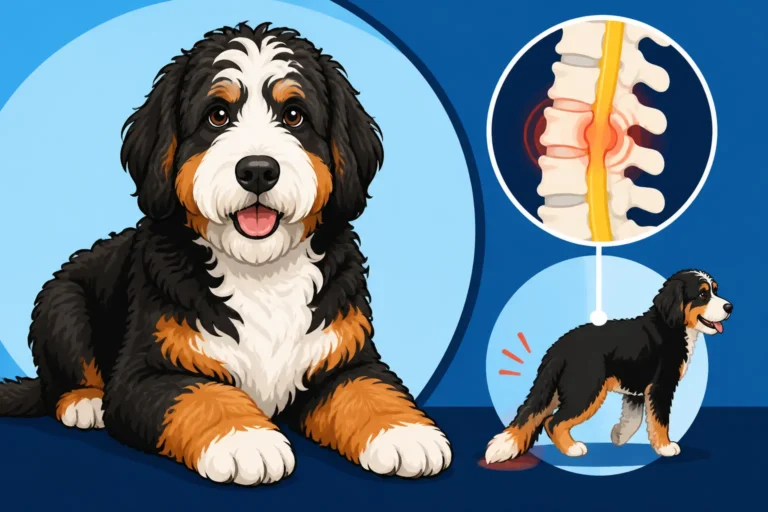
The Twelve to Fifteen Years a Bernedoodle Is Sold On
It's completely understandable to dream of those long, happy years with your Bernedoodle. Many breeders, websites, and even casual conversations about this beloved crossbreed often cite a lifespan of 12 to 15 years, a number that certainly sounds appealing, especially when you know the Bernese Mountain Dog side typically has a much shorter prognosis. But how realistic is that range, and what truly goes into helping your furry family member reach those golden years? This guide aims to pull back the curtain on the "12 to 15 years" promise, exploring the factors that genuinely influence a Bernedoodle's longevity and what you can expect as a devoted owner.
Unpacking the Bernedoodle Lifespan Promise
When you're bringing a new puppy home, especially one that quickly grows into a significant part of your life and your household, you naturally want to believe they'll be by your side for as long as possible. The idea of a Bernedoodle living a good long life, potentially up to 15 years, is a huge draw for many prospective owners, offering a hopeful contrast to the often heart-wrenching reality of the Bernese Mountain Dog's shorter existence.
Where the "12 to 15 Years" Comes From
The optimistic lifespan projection for Bernedoodles largely stems from a concept called "hybrid vigor" and the genetic contribution of the Poodle parent. Hybrid vigor, sometimes referred to as heterosis, suggests that crossbred animals can sometimes be healthier and more robust than their purebred parents, theoretically inheriting fewer genetic diseases due to a broader gene pool. It's not a magic bullet, of course, but it's a foundational idea behind many "designer breeds," including the Bernedoodle.
The Poodle side of the equation plays a significant role here. Standard Poodles, Mini Poodles, and Toy Poodles generally enjoy a longer lifespan than Bernese Mountain Dogs. Standard Poodles typically live 10-14 years, while Miniatures and Toys can often exceed 15 years. The Bernese Mountain Dog, on the other hand, is known for its heartbreakingly short average lifespan, often falling in the 7-8 year range. So, when you combine a breed with a shorter lifespan and one with a much longer one, the hope is that the Poodle's longevity will "pull up" the Bernese's average, creating a dog that lands somewhere in the middle, or even beyond the Poodle's average, thanks to hybrid vigor. This optimistic range of 12 to 15 years often becomes a strong selling point for breeders, highlighting the perceived benefits of the cross.
The Reality of Average Lifespans
While the aspiration for a 12 to 15-year Bernedoodle is lovely, the reality for many falls a bit closer to the middle. Based on current data and anecdotal evidence from owners and veterinarians, a more common average lifespan for a Bernedoodle often sits in the 10-12 year range. Some lucky individuals certainly push beyond that, reaching 13, 14, or even 15 years, but it's not the guaranteed norm for every dog.
It's also worth considering how size plays a role, much like in purebred dogs. Generally, smaller dogs tend to live longer than larger dogs. A tiny Bernedoodle, weighing under 25 pounds, might indeed have a better shot at hitting the upper end of that 12-15 year scale. A mini Bernedoodle, in the 25-50 pound range, might comfortably reach 11-13 years. However, a standard Bernedoodle, which can easily reach 70-90 pounds or more, typically aligns more with the 10-12 year average. This isn't to say a large Bernedoodle can't live a long life, but it's important to set realistic expectations based on general canine longevity trends. When breeders promote the highest possible lifespan, they might be referencing the smaller variations of the breed or ideal scenarios, rather than the average experience across all sizes. You might be interested in delving deeper into Whether a Tiny Bernedoodle Lives Longest.
| Bernedoodle Size | Average Weight Range | Typical Lifespan | Common Health Focus |
|---|---|---|---|
| Standard | 70-90+ lbs | 10-12 years | Cancer, Orthopedic, Bloat |
| Mini | 25-50 lbs | 11-13 years | Orthopedic, Eye Issues |
| Tiny/Micro | Under 25 lbs | 12-15 years | Dental, Patellar Luxation |
Genetic Influences on Your Bernedoodle's Years
Understanding the genetic lottery your Bernedoodle wins (or loses) is paramount when thinking about their potential lifespan. Both parent breeds contribute a genetic blueprint, and while the aim of the cross is to create a healthier dog, it doesn't eliminate all risks.
Inherited Conditions from the Bernese Side
The Bernese Mountain Dog is an incredibly loving and beautiful breed, but tragically, their short lifespan is largely attributed to a high incidence of cancer. This is arguably the biggest health concern that the Bernese parent passes down to the Bernedoodle. Cancer, including aggressive forms like histiocytic sarcoma, lymphoma, and mast cell tumors, accounts for a significant percentage of Bernese Mountain Dog deaths. While the Poodle side may offer some dilution, it doesn't make a Bernedoodle immune. Many Bernedoodle owners still face the heartbreaking reality of cancer diagnoses, often in middle age. Understanding Whether the Bernedoodle Cross Actually Reduced Cancer is a common question, and the answer is complex.
Beyond cancer, Bernese Mountain Dogs are also prone to orthopedic issues such as hip and elbow dysplasia. These conditions, if severe, can significantly impact a dog's quality of life and mobility, even if they don't directly shorten their lifespan. Managing pain and limited movement can become a significant challenge as they age. Other concerns include bloat (gastric dilatation-volvulus), a life-threatening condition for deep-chested dogs, and Von Willebrand's disease, a bleeding disorder. Reputable breeders are vital here, as they should be conducting rigorous health testing on their parent dogs to try and minimize the risk of passing on these genetic predispositions. Asking a breeder about the specific health clearances for hips, elbows, and genetic conditions like Von Willebrand's, which you can learn more about in The Bleeding Disorder a Bernedoodle Gets From the Bernese, is non-negotiable.
Poodle Contributions to Health and Longevity
The Poodle brings its own set of genetic predispositions, but generally, they are known for a longer lifespan than the Bernese. Standard Poodles, in particular, are an athletic and intelligent breed, and their genes are key to the Bernedoodle's longevity claims. However, Poodles aren't without their health challenges. They can be prone to conditions such as Addison's disease, epilepsy, thyroid issues, and a variety of eye conditions like progressive retinal atrophy (PRA) and cataracts.
When a Poodle is bred with a Bernese, these Poodle-specific conditions can still surface in the Bernedoodle offspring. Hybrid vigor doesn't guarantee a completely disease-free dog; rather, it aims to reduce the overall incidence of specific purebred diseases by introducing genetic diversity. For instance, while a Bernedoodle might have a lower statistical chance of inheriting a specific Bernese cancer gene, they could still inherit a specific Poodle eye condition. This is why comprehensive health testing on both parent breeds is so important. A good breeder will screen their Poodles for eye conditions and other breed-specific issues to ensure they're not inadvertently introducing new problems. For more on this, you can look into The Eye Conditions a Bernedoodle Is Tested For.
The Role of Generation (F1, F1b, Multigen)
The generation of your Bernedoodle can also play a role, or at least it’s often discussed as a factor, in both health and lifespan. An F1 Bernedoodle is a direct cross between a purebred Bernese Mountain Dog and a purebred Poodle. This generation is often cited as having the strongest hybrid vigor, as it maximizes the genetic diversity between the two distinct parent breeds. The F1 generation is essentially a 50/50 split of genes, which theoretically offers the best chance to sidestep single-gene recessive disorders that might be present in a purebred line.
An F1b Bernedoodle is the result of breeding an F1 Bernedoodle back to a purebred Poodle (or sometimes a Bernese, though less common for allergy-friendly coats). This generation is approximately 75% Poodle and 25% Bernese. The argument here is that by introducing more Poodle genes, you might further dilute the Bernese-specific health issues, potentially leading to a longer lifespan, especially given the Poodle's natural longevity. However, it also means a higher concentration of Poodle genes, and thus a potentially higher risk for Poodle-specific ailments. Similarly, multigen Bernedoodles, which are several generations removed from the original purebred cross, continue this trend. The concept of Whether Hybrid Vigor Fades in Later Bernedoodle Generations is a valid one, as repeatedly breeding Doodles to Doodles can slowly start to narrow the gene pool, potentially reducing the initial health benefits. While some believe Whether an F1b Bernedoodle Lives Longer Than an F1, the science is still evolving, and healthy breeding practices remain the most critical factor across all generations.
Lifestyle Factors That Add Years (or Take Them Away)
Genetics lay the groundwork, but how you care for your Bernedoodle day-to-day plays an enormous role in whether they reach their full lifespan potential. You have a significant amount of influence over their health and longevity through mindful management of their environment and well-being.
Nutrition and Weight Management
One of the most impactful things you can do for your Bernedoodle's health, and thus their lifespan, is to provide excellent nutrition and manage their weight diligently. Just like in humans, obesity in dogs is a gateway to a host of health problems. An overweight Bernedoodle puts immense strain on their joints, exacerbating conditions like hip and elbow dysplasia, which they may already be predisposed to. It also increases the risk of heart disease, diabetes, certain cancers, and even bloat. It's a cruel irony that overfeeding out of love can shorten their time with you.
A high-quality, balanced diet appropriate for their age, size, and activity level is crucial. For standard Bernedoodle puppies, using a large breed puppy formula is often recommended to promote slow, steady growth, which is vital for proper joint development. As they mature, transitioning to a high-quality adult food and strictly adhering to feeding guidelines (or your vet's recommendations) is essential. It's easy to get carried away with treats, especially when you have such a charming, cuddly companion, but every extra pound can be detrimental. Regularly assessing your Bernedoodle's body condition – you should be able to feel their ribs without pressing hard, and they should have a visible waist – is key. Many owners find themselves asking Whether an Overweight Bernedoodle Loses Years, and the answer is a resounding yes. Managing their weight is a tangible way to help them live a longer, more comfortable life, potentially Keeping a Standard Bernedoodle Sound Past Ten.
Exercise and Mental Stimulation
Bernedoodles are generally active, intelligent dogs that thrive on regular exercise and mental engagement. However, the type and amount of exercise need to be carefully tailored to their age and size to prevent injury, especially in their formative years. For Bernedoodle puppies, over-exercising can be detrimental to their developing joints. The common guideline, often referred to as The Five Minute Rule on a Bernedoodle Puppy's Walks, suggests five minutes of structured exercise per month of age, twice a day, up to maturity. For example, a four-month-old puppy would get 20 minutes, twice a day. This helps prevent undue stress on growth plates, reducing the risk of conditions like elbow dysplasia.
As adults, Bernedoodles need consistent, moderate exercise to maintain muscle mass, keep their weight in check, and burn off energy. This could include daily walks, playtime in a securely fenced yard, hiking, or even dog sports. Beyond physical activity, mental stimulation is equally important. Bernedoodles are smart, inheriting intelligence from the Poodle, and they can get bored if not challenged. Puzzle toys, training sessions, scent work, or even just learning new tricks can keep their minds sharp and prevent destructive behaviors that often stem from boredom. As they age, the type of exercise might shift to lower impact activities, perhaps Exercise for a Bernedoodle With Arthritis, but the need for engagement remains.
Preventative Care and Veterinary Visits
Regular preventative care is the cornerstone of a long, healthy life for your Bernedoodle. This means consistent veterinary check-ups, typically annually for adults and more frequently for puppies and seniors. These visits aren't just for vaccinations; they're opportunities for your vet to catch potential health issues early, often before they become major problems. Early detection can make a world of difference in managing conditions and extending your dog's life.
During these check-ups, your vet will perform a thorough physical exam, discuss parasite prevention (fleas, ticks, heartworm), and recommend appropriate vaccinations. As your Bernedoodle ages, your vet might suggest additional screenings, such as blood work to check organ function, or specialized tests for conditions common in the breed. Dental hygiene is also incredibly important but often overlooked. Periodontal disease can lead to systemic infections, affecting the heart, kidneys, and other organs, ultimately impacting longevity. Regular brushing at home, along with professional dental cleanings as recommended by your vet, can help ward off these issues.
Considering pet insurance, such as a plan from Healthy Paws, can be a game-changer when it comes to preventative care and unexpected medical emergencies. Facing a diagnosis like cancer or a sudden orthopedic injury can come with significant financial strain, and having insurance can ensure you're able to pursue the best possible treatment options without having to make difficult decisions based on cost alone. Healthy Paws, for example, offers customizable plans that can help cover eligible vet bills for accidents, illnesses, and more, providing peace of mind as your Bernedoodle ages.
Common Health Challenges and Lifespan Impacts
Despite the best care and careful breeding, Bernedoodles, like all living creatures, can face health challenges. Understanding the most common issues can help you be proactive in monitoring your dog and seeking timely veterinary attention, which can make a huge difference in their prognosis.
Cancer Predisposition
As mentioned, cancer is arguably the most significant health concern for Bernedoodles, largely inherited from their Bernese Mountain Dog lineage. While the Poodle side might offer some genetic dilution, it doesn't eliminate the risk. Bernedoodles are still susceptible to many of the same aggressive cancers that affect Bernese Mountain Dogs, including histiocytic sarcoma, lymphoma, osteosarcoma (bone cancer), and mast cell tumors. The Cancers That Take Bernedoodles Most Often are often those with a genetic component, and these diseases can unfortunately strike at any age, though they tend to become more prevalent in middle-aged to senior dogs.
Recognizing The First Signs of Cancer in a Bernedoodle is critical for early intervention. This could include unexplained lumps or bumps, sudden weight loss, lethargy, loss of appetite, persistent lameness, or changes in behavior. Any suspicious symptom warrants an immediate vet visit. While a cancer diagnosis is terrifying, advances in veterinary medicine mean that many types of cancer are treatable, especially if caught early. Treatment options can range from surgery to chemotherapy or radiation, depending on the type and stage of cancer. This is another area where a comprehensive pet insurance plan from Healthy Paws can be incredibly beneficial, helping to cover the often substantial costs associated with cancer treatment, allowing owners to focus on their dog's care. For those particularly concerned about the Bernese lineage, understanding What Histiocytic Sarcoma Does to a Bernese can provide insight into the potential severity.
Orthopedic Issues
Given the size and rapid growth of standard Bernedoodles, orthopedic problems are another common concern that can affect their quality of life and, indirectly, their lifespan by reducing mobility and increasing discomfort. Hip and elbow dysplasia are inherited conditions where the joints don't form properly, leading to arthritis and pain. Elbow Dysplasia in a Growing Bernedoodle is a particular worry, as early detection and management can sometimes mitigate long-term severity.
Other orthopedic issues include patellar luxation (slipping kneecaps), especially in smaller Bernedoodles, and cruciate ligament tears, which can affect dogs of all sizes but are more common in larger, heavier breeds or those with existing joint instability. A sudden lameness, limping, or difficulty rising or jumping can all be signs of an orthopedic issue. Managing these conditions often involves a combination of weight management, joint supplements, anti-inflammatory medications, physical therapy, and in some cases, surgery. While a condition like a Torn Cruciates in a Heavy Bernedoodle may not directly shorten life, the chronic pain or recovery from surgery can impact overall health and well-being. Similarly, Slipping Kneecaps in a Tiny Bernedoodle can cause significant discomfort if not addressed.
Bloat (Gastric Dilatation-Volvulus)
Bloat, or Gastric Dilatation-Volvulus (GDV), is an acute, life-threatening condition that primarily affects large, deep-chested breeds, which includes many standard Bernedoodles. In bloat, the stomach fills with gas and can twist, cutting off blood supply to the stomach and other organs. It's an emergency that requires immediate veterinary intervention, often surgery, and can be fatal if not treated quickly.
Symptoms of bloat include unproductive retching (trying to vomit but nothing comes up), a distended or hard abdomen, restlessness, excessive drooling, pain, and weakness. It's a terrifying experience for any owner to witness The Retching That Means a Bernedoodle Has Torsed. While the exact cause isn't fully understood, risk factors include eating one large meal rapidly, exercising vigorously after eating, and stress. Some preventative measures include feeding multiple smaller meals, using slow-feeder bowls, and avoiding intense exercise immediately before or after meals. For Bernedoodles considered at high risk, or those undergoing spay/neuter surgery, a preventative procedure called gastropexy (where the stomach is surgically tacked to the abdominal wall to prevent twisting) is often recommended. This is a crucial conversation to have with your veterinarian, especially if you have a standard-sized Bernedoodle.
Maximizing Your Bernedoodle's Quality of Life
Beyond simply extending their years, a truly devoted owner focuses on maximizing the quality of those years. This means understanding and adapting to their changing needs as they age and making thoughtful, compassionate decisions when the time comes.
Understanding Senior Bernedoodle Care
The transition to senior status can feel sudden, but it's a gradual process. For a standard Bernedoodle, The Birthday a Standard Bernedoodle Counts as Senior is often around 7-8 years, aligning with larger breed conventions. For minis and tinies, it might be a year or two later. As your Bernedoodle ages, you'll start to notice subtle shifts, and understanding What Changes in a Bernedoodle After Eight is important. They might slow down on walks, sleep more, their coat might gray, and their senses (sight, hearing) might start to diminish. Cognitive dysfunction, similar to Alzheimer's in humans, can also occur, leading to disorientation or changes in behavior.
Caring for a senior Bernedoodle involves making thoughtful adjustments. Their diet might need to change to a senior formula with fewer calories but ample joint support. Exercise should remain regular but might be shorter, gentler, or more frequent. Creating a comfortable home environment is crucial: orthopedic beds, ramps to help them access furniture or vehicles, and non-slip mats on slick floors can greatly improve their comfort and mobility. Regular vet check-ups become even more critical to monitor for age-related illnesses, manage chronic pain, and maintain their overall well-being.
The Emotional Toll and End-of-Life Decisions
No one wants to think about the end of their beloved companion's life, but it's an inevitable part of pet ownership, and preparing for it can help you make the best decisions when the time comes. As your Bernedoodle ages or battles chronic illness, there will come a point where quality of life becomes the paramount consideration. This is where honest conversations with your veterinarian about your dog's comfort levels, pain management, and prognosis are essential.
It's natural to want to extend every possible moment, but sometimes, the most loving decision is to prevent prolonged suffering. Focusing on their comfort, dignity, and making their remaining time as joyful as possible—with favorite treats, gentle cuddles, and familiar routines—is key. Making end-of-life decisions is incredibly difficult and emotionally draining, but remember you're not alone. Your vet can provide guidance and support, and resources for pet bereavement are available to help you navigate this painful journey. Companies like Healthy Paws also understand this difficulty and offer support resources for grieving pet parents.
The True Value Beyond Years
Ultimately, while the promise of 12 to 15 years is an enticing factor in choosing a Bernedoodle, the true value of these dogs lies far beyond a number on a lifespan chart. It's in their goofy antics, their unwavering loyalty, their gentle presence, and the profound companionship they offer. Every single year, whether it's eight or fifteen, is a gift.
Instead of fixating solely on the potential duration, shift your focus to maximizing the joy and health within each year you have together. Invest in their well-being through proper nutrition, appropriate exercise, consistent veterinary care, and an abundance of love and mental enrichment. Provide them with a stable, loving home, socialize them well, and train them kindly. By doing so, you're not just hoping for a long life; you're actively ensuring they have the best, happiest, and healthiest life possible, making every single moment count. The bond you build and the memories you create will last a lifetime, regardless of how many years they spend by your side.
Disclaimer
The information provided in this article is for general informational purposes only and is not a substitute for professional veterinary advice. Always consult with a qualified veterinarian for any health concerns or before making any decisions related to your Bernedoodle's health or care.