Whether a Sable Bernedoodle Fades
It’s a truly captivating sight, isn't it? That beautiful, intricate sable pattern on a Bernedoodle puppy, with its unique blend of light and dark hairs creating a stunning depth of color. Many prospective Bernedoodle parents fall head over heels for a sable pup, dreaming of that striking coat lasting a lifetime. But then the questions start creeping in: will that gorgeous sable puppy coat really stick around, or is it destined to fade? It's a valid concern, and one that many Bernedoodle owners grapple with, often finding themselves wondering if their once vibrant pup is slowly losing its signature look. This guide is here to shed some light on the reality of sable Bernedoodle coats, why they change, and what you can expect as your beloved companion grows.
Decoding the Magic of a Sable Bernedoodle Coat
First, let’s talk about what "sable" actually means in the Bernedoodle world, because it's not quite as straightforward as a solid black or brown coat. Sable isn't just a color; it's a pattern where each individual hair strand has multiple bands of color, typically with darker tips and lighter bases. Imagine a tiny ombre effect on every single hair! This creates that rich, dynamic, and often stunning appearance that makes sable Bernedoodles so desirable. When you look at a sable puppy, you're seeing a symphony of browns, creams, golds, and sometimes even black tips, all contributing to its unique aesthetic.
This intricate pattern is largely thanks to the Poodle side of the Bernedoodle equation. While Bernese Mountain Dogs typically have solid black, rust, and white tri-color patterns, Poodles come in a vast array of colors and patterns, including sables, phantoms, and various fading genes. When you cross these two breeds, you get an incredible genetic lottery, and sable is one of the delightful outcomes. It’s a bit like mixing two different paint palettes – you never know exactly what masterpiece you’ll end up with, but you can usually expect something truly special. Understanding that sable is a pattern, not a static color, is the first step in appreciating its potential for change. You might also be interested in What a Sable Bernedoodle Looks Like to get a clearer picture of these beautiful coats.
The Genetic Dance Behind Sable Coats and Fading
The genetic basis for sable coats, and for whether they fade, is fascinatingly complex. It primarily involves the A locus (agouti series) and the K locus (dominant black). For a dog to be sable, they typically need to carry certain alleles at these loci. But the real game-changer for fading in Bernedoodles comes from genes like the "G" locus, often referred to as the "graying" gene, and other "clearing" genes that Poodles are well-known for carrying.
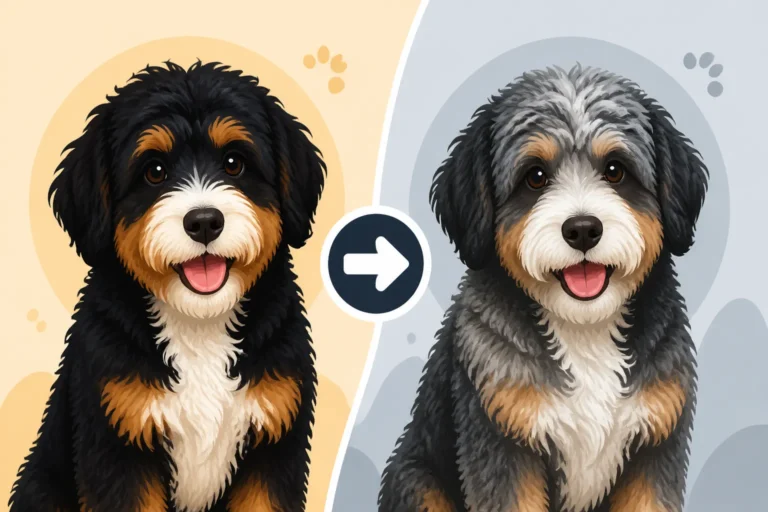
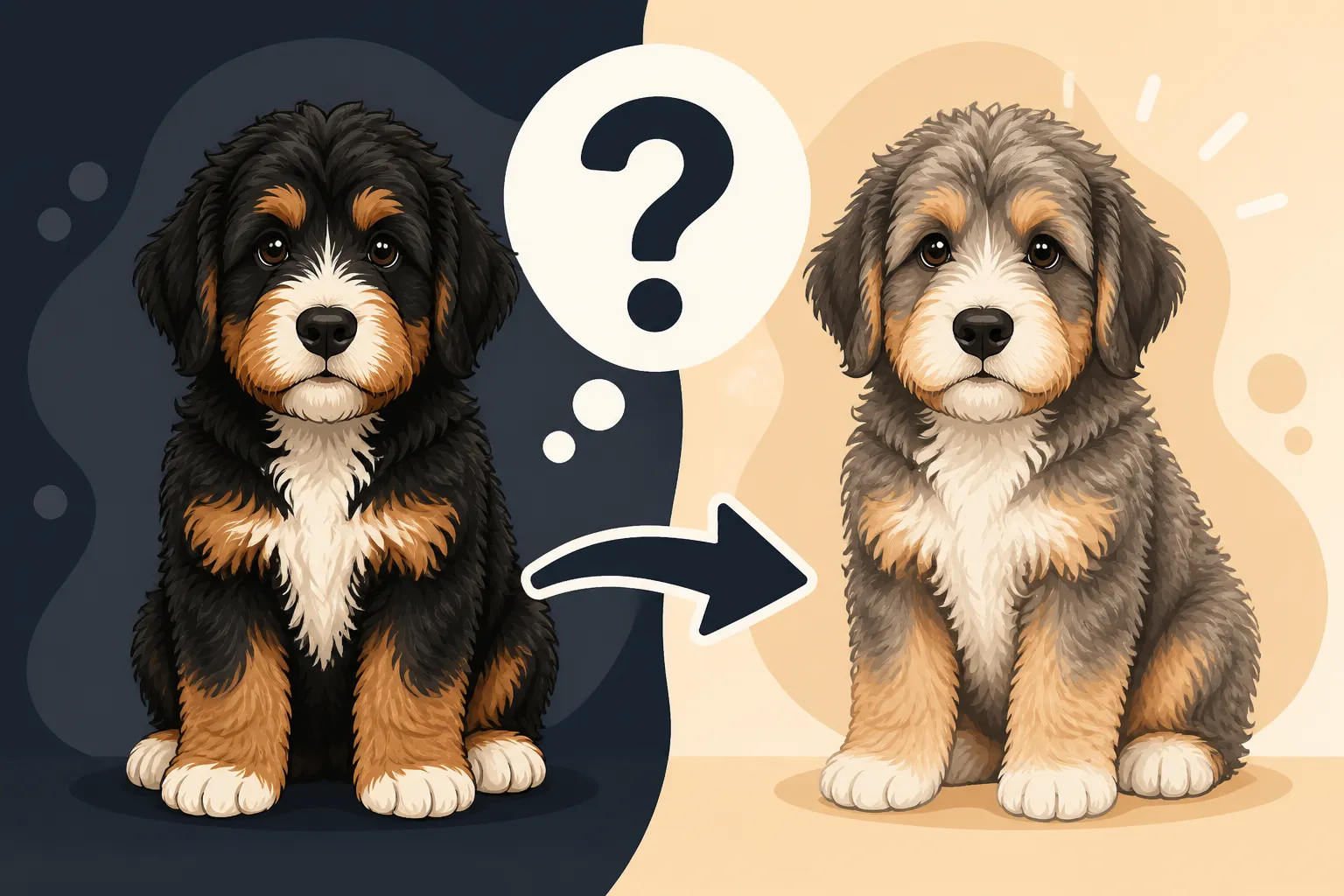
These fading genes don't necessarily turn a sable dog gray like an older person's hair; instead, they can gradually dilute or lighten the intensity of the pigment in the coat over time. So, that deep, rich sable you adored in your puppy might slowly transform into a lighter, softer caramel or even a creamy golden hue. It's not a flaw, but rather a genetic expression, much like how some human hair darkens or lightens with age or sun exposure. The Bernese Mountain Dog doesn't typically carry these fading genes, but the Poodle certainly does. Therefore, the degree of fading in a Bernedoodle often depends on how much of that Poodle genetic influence comes through on the coat color and pattern genes. It’s truly a roll of the genetic dice, and why even within the same litter, you might see variations in how much or how quickly a sable coat fades.
The Great Puppy Coat to Adult Coat Metamorphosis
One of the most common reasons why Bernedoodle owners notice changes in their sable pup's coat is the natural transition from the soft, fluffy puppy coat to the denser, more mature adult coat. This isn't just about color; it's about texture, thickness, and overall appearance. It’s a phase often affectionately (or sometimes not-so-affectionately) dubbed the "ugly duckling" stage for many Doodle breeds, and it's completely normal. This change typically begins around 4 to 6 months of age and can continue, sometimes subtly, for up to 18 months or even two years.
During this time, those precious, baby-soft puppy hairs are shed, and new, coarser guard hairs grow in. These adult hairs are different in structure, and often, in color intensity. For a sable Bernedoodle, this is often when the fading becomes most noticeable because the new adult hairs might simply grow in lighter than their puppy predecessors. It can be a shock to see your vibrant puppy suddenly sporting a coat that looks a shade or two lighter, or even has a different depth to its pattern. But rest assured, this is a part of their natural development, not necessarily an indication that something is wrong. Understanding this process can help set realistic expectations for your Bernedoodle's evolving look. For more on this, check out The Month a Bernedoodle Puppy Starts Matting Daily, which highlights another challenge during this coat transition.
| Age (Approx.) | Coat Description | Potential Sable Changes |
|---|---|---|
| 8-16 Weeks (Puppy) | Soft, fluffy, often vivid | Sable markings are usually at their brightest and clearest, minimal fading. |
| 4-12 Months (Adolescent) | Transition from puppy to adult coat, "ugly phase" | Sable hairs may start to lighten or dull as new adult hairs grow in, guard hairs become more prominent. |
| 1-2 Years (Young Adult) | Developing mature coat | Fading may become more apparent, especially on extremities, and depth might lessen. |
| 2+ Years (Adult) | Stable, mature coat | Color can stabilize or continue to soften over time, often settling into a lighter shade than puppy coat. |
When Genetics and Environment Collide
While genetics are the primary driver behind whether a sable Bernedoodle's coat will fade, environmental factors can also play a role, sometimes accelerating or subtly influencing the process. It's a combination of nature and nurture, with genetics holding the biggest sway. For instance, the "clearing" or "fading" genes, which dictate how much pigment is retained in the hair follicle over time, are inherited from the Poodle side. If your Bernedoodle inherited these, fading is almost a certainty to some degree. You might even notice Whether a Bernedoodle's Markings Fade With Age in other areas, not just sable.
Beyond genetics, sunlight is a well-known culprit for hair lightening in both humans and dogs. Prolonged exposure to UV rays can naturally bleach hair, making a sable coat appear even lighter or more faded than it might genetically be inclined to be. Think of how your own hair might get sun-kissed highlights in the summer; the same can happen with your Bernedoodle's beautiful sable strands. While you can't prevent genetic fading, being mindful of excessive sun exposure, especially for dogs with lighter or genetically prone-to-fade coats, can help preserve some of the color intensity. This is particularly relevant for black or darker sable coats, where the contrast of fading is more pronounced.
It's important to differentiate between natural fading and a dull, unhealthy coat. A healthy coat, even if it's genetically fading, will still have a natural sheen and vibrancy. Things like proper nutrition, regular grooming, and using appropriate shampoos can all contribute to overall coat health. While a poor diet won't cause genetic fading, it could make a coat appear less vibrant and more dull, accentuating any lightening that's occurring. Many owners find quality food and supplements on platforms like Chewy that promote healthy skin and coat, such as those rich in Omega-3 fatty acids.
Embracing the Evolving Beauty of Your Sable Bernedoodle
So, your sable Bernedoodle puppy is growing up, and its coat is changing. What now? The most important thing is to embrace it! The evolving colors of a sable Bernedoodle are part of their unique charm. Many owners find that while the intensity may soften, the patterns often become even more elegant and sophisticated with age, transforming into beautiful caramel, cream, or silver-tipped hues. It's like watching a living, breathing work of art evolve right before your eyes. You might even find that Whether a Bernedoodle's Color Changes After the Puppy Coat leads to an even more stunning adult look.
Rather than trying to fight a natural genetic process, focus on maintaining the health and vitality of your Bernedoodle's coat. Regular grooming, including brushing several times a week, is crucial to prevent matting and distribute natural oils, keeping the coat looking its best. Products like detangling sprays or conditioning shampoos, easily found on Chewy, can help keep the hair soft and manageable. This will not only make your dog more comfortable but also highlight the natural beauty of their changing colors.
Practical Tips for Coat Care and Managing Expectations
When it comes to caring for a fading sable Bernedoodle, a proactive approach to grooming and realistic expectations are your best friends.
First, regular brushing cannot be stressed enough. Bernedoodles, regardless of their coat color or type, require consistent grooming to prevent mats, which can be painful and lead to skin issues. Even if the color is softening, a well-maintained, tangle-free coat will always look better. A good slicker brush and metal comb are essential tools, and you can find a fantastic selection on Chewy. This also helps with the transition period when the puppy coat is shedding out and the adult coat is coming in, which is often when matting peaks. For more on tools, see The Brushes a Bernedoodle Owner Actually Needs.
Second, consider sun exposure. While you don't need to keep your Bernedoodle indoors all the time, prolonged periods in direct, intense sunlight can contribute to coat lightening. If you spend hours at the dog park on a sunny day, providing shaded breaks can be beneficial. Some owners even use dog-safe sun shirts for particularly sensitive areas, though this is less common for full-body fading concerns.
Third, nutrition matters for overall coat health. A high-quality diet rich in omega fatty acids can promote a healthy, shiny coat. While it won't stop genetic fading, a healthy coat always looks better than a dull, dry one. Consult your veterinarian for dietary recommendations tailored to your Bernedoodle's needs. Many premium dog food brands and supplements are readily available on Chewy.
Finally, and perhaps most importantly, adjust your expectations and appreciate the unique journey of your Bernedoodle's coat. Many Bernedoodle owners actually come to love the softer, more mature tones their sable dogs develop. What was once a vibrant, high-contrast puppy coat might evolve into a stunning, multi-tonal masterpiece with beautiful caramel and silver undertones. This acceptance allows you to enjoy your dog for who they are, rather than constantly comparing them to their puppy photos. Remember, their personality and companionship are what truly make them special, and their evolving coat is just another chapter in their beautiful story. Even if you're experiencing changes, maintaining good coat health is vital; How Often a Bernedoodle Should Be Brushed is a great resource. You might also find Whether a Bernedoodle's Coat Gets Thicker With Age relevant as you observe your dog's changing texture.
Beyond the Sable: Other Bernedoodle Coat Considerations
While we've focused heavily on sable Bernedoodles and their unique fading tendencies, it's worth noting that coat changes are a common theme across many Bernedoodle colors and patterns. The genetic influence of the Poodle, which often carries genes for fading or lightening, means that even solid black Bernedoodles can "clear" to a blue or silver over time, and rich browns can lighten to a cafe au lait. This is simply part of the fascinating genetic tapestry that makes up the Bernedoodle breed.
The amount of shedding, another major coat consideration, can also influence how a coat looks. Even if a Bernedoodle has a non-shedding Poodle-like coat, the way the hair grows and layers can still give the impression of color changes. Factors like environmental conditions, hormonal changes (especially after spaying or neutering), and even certain medical conditions can sometimes affect coat quality and color, though these are less common causes for the general fading seen in sable coats. It's a complex interplay, and observing your dog's coat over its lifespan can be a truly interesting experience. You might also want to read The Wavy Coat Most Bernedoodles Carry to understand more about the typical Bernedoodle coat type. For any concerns about unusual coat changes or skin issues, always consult your veterinarian. They can help rule out any underlying health problems that might be affecting your Bernedoodle's coat.
Disclaimer
This article is for general informational purposes only and does not constitute professional advice. Laws, prices and regulations vary by location and change over time. Consult a qualified professional for guidance on your specific situation.