Whether an F1 Bernedoodle Halves the Cancer Risk
One of the most profound anxieties for any Bernedoodle parent is the worry about their beloved companion's health, particularly the looming shadow of cancer that so often afflicts their Bernese Mountain Dog lineage. It's a question many ask, filled with hope and a touch of desperation: does an F1 Bernedoodle truly halve the cancer risk that is tragically common in Bernese? This guide aims to peel back the layers of this complex issue, exploring the realities of genetics, hybrid vigor, and what you, as a dedicated owner, can realistically expect and do to safeguard your furry family member.
Understanding "Hybrid Vigor" in Bernedoodles and Cancer
When breeders started combining the Bernese Mountain Dog with the Poodle, a primary goal was often to introduce what's known as "hybrid vigor" – the idea that a crossbred animal is healthier and more robust than its purebred parents. It sounds incredibly promising, especially when you consider the health challenges faced by Bernese Mountain Dogs. But what does this concept truly entail, and how does it specifically relate to cancer?
What Hybrid Vigor Actually Means
Hybrid vigor, or heterosis, isn't some magical shield against all disease. At its core, it refers to the increased strength, growth, fertility, and health generally observed in offspring resulting from the crossing of two genetically distinct purebred lines. Genetically, it's believed to occur because the offspring are more heterozygous, meaning they inherit more varied gene pairs from their diverse parents. This increased genetic diversity means that harmful recessive genes, which might be common in a specific purebred line due to generations of selective breeding, are less likely to be expressed. If a dog only has one copy of a recessive gene that causes disease, and the other parent provides a healthy, dominant gene, the disease won't manifest.
However, it's crucial to understand that hybrid vigor primarily benefits by reducing the incidence of recessive genetic diseases that are prevalent within a single purebred population. It doesn't necessarily protect against dominant genetic diseases, nor does it make a dog immune to complex diseases like cancer, which are often influenced by multiple genes and environmental factors. So, while an F1 cross might introduce a wider gene pool that could dilute some predispositions, it's not a complete reset.
The Specific Cancers Plaguing Bernese Mountain Dogs
To truly appreciate the hope placed in hybrid vigor for Bernedoodles, we need to understand the dire situation within the Bernese Mountain Dog breed. Bernese are tragically predisposed to several aggressive cancers that often strike them at a heartbreakingly young age, severely impacting The Seven Years a Bernese Lives and the Twelve a Bernedoodle Might. The most notorious of these is Histiocytic Sarcoma, an incredibly aggressive and rapidly spreading cancer that originates from histiocyte cells in the immune system. This particular cancer is a leading cause of premature death in Bernese Mountain Dogs, often appearing when they are only 4-7 years old. If you're looking for more information on this devastating disease, you might find our article Histiocytic Sarcoma and Whether a Bernedoodle Escapes It illuminating.
Beyond Histiocytic Sarcoma, Bernese are also at a significantly higher risk for other cancers, including Lymphoma, a cancer of the lymphatic system, and various Mast Cell Tumors, which can range from benign to highly malignant. These aren't just minor health concerns; they are life-threatening conditions that many Bernese owners will face. The heartbreak is real, and the desire to find a way to mitigate this risk through a crossbreed like the Bernedoodle is perfectly understandable. Our piece on Lymphoma in a Middle Aged Bernedoodle details this further, and for those concerned about lumps, Mast Cell Tumors Hidden in a Bernedoodle's Coat is a must-read. The very real threat of these cancers is what drives the question of whether a Bernedoodle, especially an F1, can truly offer a healthier future.
The F1 Bernedoodle: A Closer Look at Cancer Inheritance
The "F1" designation means "first filial generation." In simple terms, an F1 Bernedoodle is a direct cross between a purebred Bernese Mountain Dog and a purebred Poodle. This first generation is where the concept of hybrid vigor is theoretically strongest, as it brings together the maximum genetic diversity from two distinct parental lines. But how does this genetic blending specifically influence the inheritance of cancer risks?
Genetics of an F1 Cross
An F1 Bernedoodle is precisely 50% Bernese Mountain Dog and 50% Poodle. When it comes to inheriting traits and predispositions, it's a roll of the genetic dice, but with some predictable patterns. If a disease is caused by a recessive gene and both parents need to carry that gene for the offspring to be affected, then crossing two different breeds significantly reduces the chance of the offspring inheriting two copies of that specific recessive gene. The Poodle, by introducing its own diverse gene pool, often provides a dominant healthy gene that masks the recessive disease-causing gene from the Bernese side. This is the primary mechanism through which hybrid vigor works to reduce the incidence of certain recessive diseases.
However, cancer is often not that simple. Many cancers are not caused by a single recessive gene but are polygenic (influenced by many genes) and heavily impacted by environmental factors. Furthermore, if a Bernese parent carries a dominant gene that predisposes to a specific cancer (though less common for the highly prevalent cancers in Bernese), an F1 Bernedoodle has a 50% chance of inheriting that dominant gene. The same applies if the Poodle parent carries a dominant cancer predisposition. It's not a blanket protection; it's about the specific genetic mechanisms of each disease. The hope is that the Poodle's genetic contribution will, at the very least, dilute some of the Bernese's pronounced predispositions, but it won't erase them entirely.
The Poodle's Own Cancer Profile
It's a common misconception that Poodles are somehow cancer-resistant, serving as a pure genetic antidote to the Bernese's health woes. While Poodles generally have a longer average lifespan than Bernese Mountain Dogs and might not suffer from the same high incidence of Histiocytic Sarcoma, they are certainly not immune to cancer. Standard Poodles, in particular, are prone to their own set of cancers. These can include:
- Sebaceous Adenitis: While not cancer itself, it's an inflammatory skin disease that can lead to secondary infections and quality of life issues.
- Hemangiosarcoma: An aggressive cancer of the blood vessels, often affecting the spleen, heart, or skin.
- Melanoma: A type of skin cancer, which can be malignant.
- Lymphoma: Similar to Bernese, Poodles can also develop lymphoma, though perhaps with different prevalence rates or onset ages.
- Osteosarcoma: A severe form of bone cancer.
The point is, when you breed a Bernese with a Poodle, you are combining two distinct genetic predispositions. While one parent might help dilute the specific risks of the other, the resulting F1 Bernedoodle now carries potential predispositions from both sides of its family tree. The genetic contribution of the Poodle may reduce the Bernese-specific cancer risk, but it introduces the Poodle-specific cancer risk. It's a trade-off, not a complete eradication of risk. Understanding the full picture means acknowledging that the Poodle side isn't a blank slate of perfect health.
Debunking the "Halved Risk" Myth
The idea of "halving the cancer risk" is incredibly appealing, and it's a phrase often heard in discussions about designer breeds. It offers a tangible sense of control over a devastating disease. However, when we dive into the realities of canine cancer and genetics, this optimistic claim proves to be a significant oversimplification.
Why "Half" is an Oversimplification
The notion that an F1 Bernedoodle automatically cuts the cancer risk by 50% is unfortunately misleading because cancer isn't typically inherited like a simple flip of a coin for a single gene. The vast majority of canine cancers are multifactorial, meaning they arise from a complex interplay of multiple genetic predispositions, environmental exposures, diet, lifestyle, and even epigenetic factors (changes in gene expression without altering the DNA sequence).
For instance, if a Bernese has a 50% chance of developing Histiocytic Sarcoma, it's not because of one single recessive gene that the Poodle parent will magically negate. It's likely due to a combination of genes that increase susceptibility, plus other factors. While the Poodle's different genetic makeup might dilute some of those susceptibility genes, it won't necessarily eliminate them entirely or prevent the expression of others. Think of it like a deck of cards: shuffling in a whole new set of cards (the Poodle's genes) might change the probability of drawing a specific "bad hand" (a particular cancer), but it doesn't guarantee you'll never draw a bad hand again, especially if there are many different types of bad hands to draw (various cancers).
Furthermore, statistical probabilities apply to large populations, not individual dogs. Your F1 Bernedoodle either will get cancer or won't get cancer; there's no "half-cancer." The goal of hybrid vigor is to shift the odds in a favorable direction within a population, not to provide an individual with a guaranteed 50% reduction.
The Reality of Bernedoodle Cancer Incidence
So, what's the actual situation? Does Whether the Bernedoodle Cross Actually Reduced Cancer? The consensus among many veterinarians and breeders who've worked with Bernedoodles for years is that, yes, the incidence of Bernese-specific cancers like Histiocytic Sarcoma does appear to be reduced in first-generation Bernedoodles compared to purebred Bernese Mountain Dogs. This is a significant positive outcome and is likely due to the hybrid vigor effect masking some recessive genes or diluting some polygenic predispositions.
However, a "reduction" is not the same as "halving," and it certainly doesn't mean "elimination." Bernedoodles, like all dogs, can and do develop cancer. They still carry a genetic legacy from both their Bernese and Poodle parents, meaning they are susceptible to cancers found in both breeds, as well as general canine cancers. Anecdotal evidence and emerging data suggest that while the lifespan is generally extended beyond that of a pure Bernese, Bernedoodles are not cancer-free. They can still get Histiocytic Sarcoma, lymphoma, mast cell tumors, and other forms of cancer.
What changes is the frequency and sometimes the age of onset. A Bernedoodle might be less likely to get specific cancers at a very young age compared to a Bernese, but they still need vigilant monitoring. Understanding The Cancers That Take Bernedoodles Most Often helps owners stay proactive. The reduction in risk is a strong argument for the cross, but it's vital for prospective owners to approach it with realistic expectations, rather than a false sense of security. The hybrid cross offers benefits, but it does not make them invincible to this pervasive disease.
| Cancer Type | Bernese Mountain Dog (Predisposition) | Standard Poodle (Predisposition) | F1 Bernedoodle (Expected Outcome) |
|---|---|---|---|
| Histiocytic Sarcoma | High (Aggressive, Early Onset) | Low | Reduced risk compared to Bernese, but not eliminated. |
| Lymphoma | High | Moderate to High | Risk present, potentially moderate due to combined genetics. |
| Mast Cell Tumors | High | Moderate | Risk present, potentially moderate. |
| Hemangiosarcoma | Moderate | Moderate to High | Risk present from Poodle lineage. |
| Osteosarcoma | Moderate | Moderate to High | Risk present from Poodle lineage. |
| Sebaceous Adenitis (not cancer, but severe skin issue) | Low | High | Risk present from Poodle lineage. |
What Responsible Breeding and Testing Can Achieve
Given the complexities of cancer inheritance, simply crossing two breeds isn't a complete solution. The real power lies in responsible breeding practices that prioritize health testing and transparency, aiming to reduce the genetic load of inherited diseases from both parent breeds.
The Importance of Parent Health Clearances
A truly responsible Bernedoodle breeder understands that hybrid vigor is not a get-out-of-jail-free card. They will go above and beyond to ensure that both the Bernese Mountain Dog and the Poodle parents have undergone comprehensive health clearances. This isn't just about identifying carriers of a single recessive gene; it's about looking at the overall health picture of the breeding stock.
Key health clearances that a reputable breeder should provide include evaluations for:
- Hips and Elbows: To screen for hip and elbow dysplasia, common in large breeds.
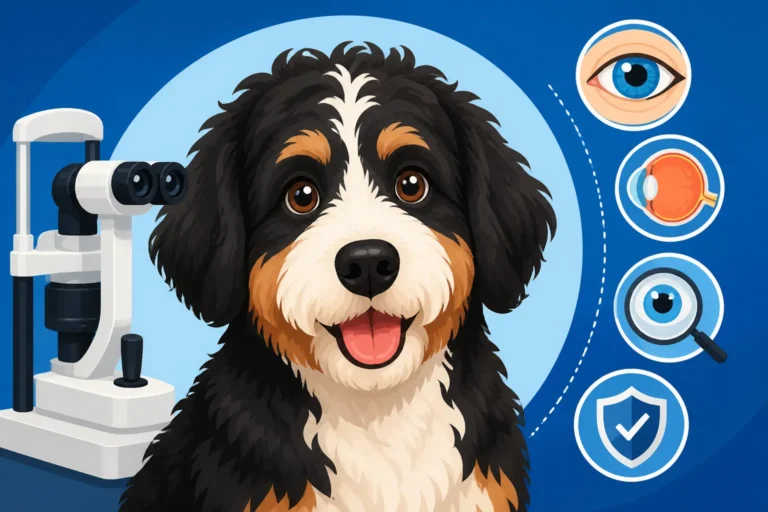
- Eyes: Certified by a veterinary ophthalmologist to rule out inherited eye diseases.
- Heart: Cardiac evaluations to detect congenital heart conditions.
- Genetic Testing: Specifically for conditions prevalent in Bernese (like Von Willebrand's Disease and Degenerative Myelopathy) and Poodles (like Progressive Retinal Atrophy, Neonatal Encephalopathy, and Von Willebrand's).
By selecting parents that are clear of these genetic predispositions, a breeder maximizes the chances of producing healthier offspring. Even though there isn't a specific genetic test for "cancer predisposition" in the same way there is for DM or vWD, demonstrating a commitment to thorough health testing across the board indicates a breeder who is serious about genetic health. Always ask your breeder for The Five Clearances a Bernedoodle Breeder Should Have. Furthermore, don't hesitate to ask about the longevity of the parent lines and any history of cancer in the Bernese lineage. An open and honest breeder will discuss this with you, as detailed in Asking a Breeder About Cancer in the Bernese Line. This due diligence is far more impactful than simply relying on the F1 cross alone.
Screening and Early Detection Strategies
Even with the most rigorous breeding practices and the potential benefits of hybrid vigor, Bernedoodles can still develop cancer. Therefore, proactive screening and early detection become paramount for every owner. Regular veterinary check-ups are your first line of defense. A yearly, thorough physical exam allows your vet to catch subtle changes that you might miss at home. As your Bernedoodle ages, these check-ups might become even more frequent, or include additional diagnostics. Our article The Screening a Bernedoodle Should Have Yearly covers this in more detail.
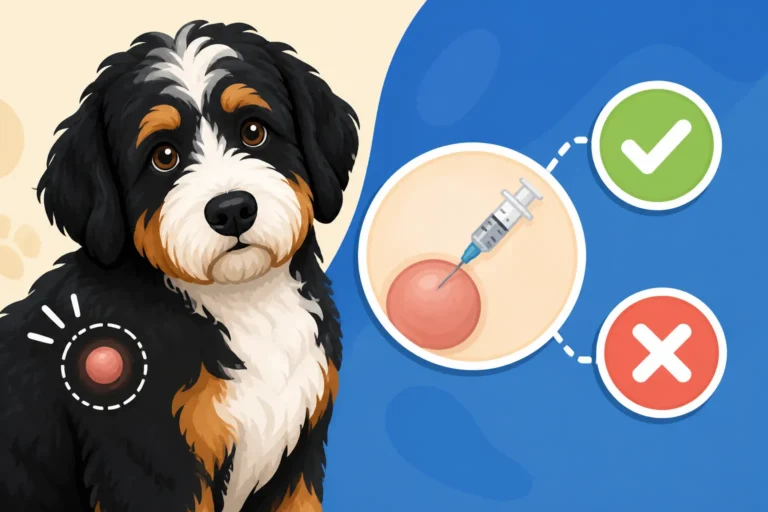
Beyond routine vet visits, owners play a critical role in daily monitoring. Get to know your dog's body. Regularly feel for any new lumps, bumps, or swelling under their thick coat. Pay attention to changes in appetite, energy levels, breathing, or bathroom habits. Any persistent cough, unexplained weight loss, lethargy, or changes in behavior warrant immediate veterinary attention. Don't fall into the trap of thinking a lump is "just a fatty tumor" without professional confirmation; Lumps a Bernedoodle Owner Should Not Wait On.
Early detection significantly improves prognosis and treatment options for many cancers. While the thought of a cancer diagnosis is terrifying, being prepared can make a world of difference. This is also where planning for unexpected vet bills comes in. Services like Healthy Paws can be a real lifesaver, helping families manage the financial burden of diagnostics and treatment if a health issue, including cancer, does arise. Having a plan in place means you can focus on your dog's care, rather than worrying about the cost.
Lifestyle Factors and Their Impact on Cancer Risk
While genetics play a significant role in cancer predisposition, we can't ignore the powerful influence of environment and lifestyle. As Bernedoodle parents, we have a direct impact on many factors that can either mitigate or exacerbate cancer risk throughout our dog's life. It's about empowering ourselves with knowledge and making the best choices for our furry friends.
Nutrition and Weight Management
What we feed our Bernedoodles, and how much, has a profound impact on their overall health and, by extension, their cancer risk. Obesity is a known risk factor for various cancers in dogs, just as it is in humans. Carrying excess weight puts additional strain on organs, can lead to chronic inflammation, and alters hormone levels, all of which can create an environment more conducive to cancer development. It's a cruel irony that many of us show our love with extra treats, unknowingly shortening their precious lives.
For a large breed like the Bernedoodle, especially a Standard Bernedoodle that can reach ninety pounds, proper nutrition starts from puppyhood. Feeding a high-quality, large-breed specific puppy food is crucial to ensure slow, steady growth, which is vital for joint health and also helps prevent rapid weight gain. Transitioning to an appropriate adult formula and carefully monitoring portion sizes as they mature helps maintain an ideal body condition. You should be able to feel their ribs easily without seeing them protruding. Regular exercise, combined with a balanced diet, is key to preventing them from becoming Whether an Overweight Bernedoodle Loses Years. For those concerned about the link between diet and disease, our article Whether Diet Affects a Bernedoodle's Cancer Risk provides deeper insights. Choosing a diet rich in antioxidants and avoiding excessive processed ingredients can also contribute to overall health and resilience.
Environmental Considerations and Spay/Neuter Timing
Beyond the food bowl, a Bernedoodle's environment and the timing of certain life-stage decisions can also influence their cancer risk. Minimizing exposure to environmental toxins is a good starting point. This includes limiting their contact with lawn pesticides, herbicides, and other chemicals commonly found in household cleaners. Choosing pet-safe products for your home and yard can make a difference over a lifetime. Air quality, second-hand smoke, and even prolonged sun exposure (for certain skin cancers) are all factors to consider.
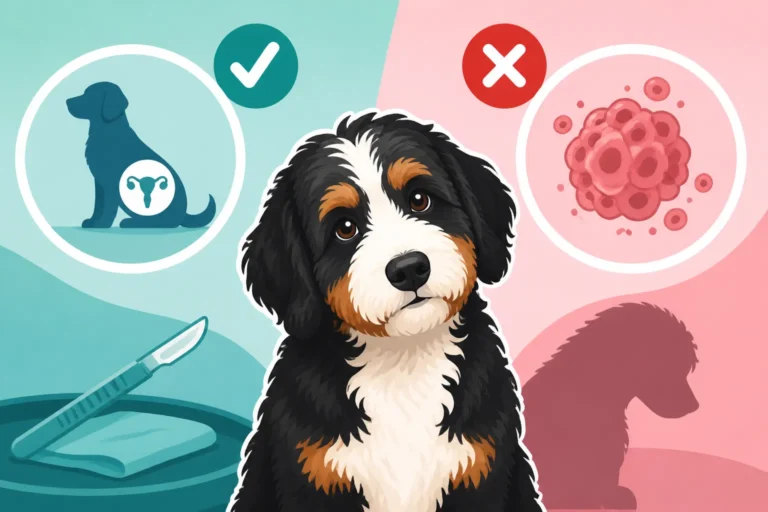
The timing of spaying or neutering is another significant discussion point, particularly regarding cancer risk. Traditionally, veterinarians recommended early spay/neuter (around 6 months of age) to prevent unwanted litters and reduce the risk of certain reproductive cancers. However, recent research, particularly in large breeds, suggests a more nuanced approach. Studies indicate that early spay/neuter might be linked to an increased risk of certain orthopedic issues and some cancers, such as osteosarcoma, hemangiosarcoma, and even lymphoma, in certain breeds. Conversely, spaying significantly reduces the risk of mammary cancer (especially if done before the first heat cycle) and uterine infections, while neutering prevents testicular cancer.
This isn't a simple choice, and the optimal timing can vary based on breed, size, and individual health. It's a conversation you absolutely need to have with your veterinarian, weighing the pros and cons for your specific Bernedoodle. They can help you understand Whether Spaying Early Raises Bernedoodle Cancer Risk and Whether Neutering Age Changes a Bernedoodle's Lifespan, guiding you towards a decision that best supports your dog's long-term health and minimizes specific cancer risks where possible.
Managing the Emotional Toll and Financial Realities
Facing a potential cancer diagnosis in your Bernedoodle is not just a medical challenge; it's an emotional and financial one. The hopeful expectation of a healthier life through the Bernedoodle cross, while often true to some extent, doesn't negate the possibility of serious illness. Being prepared for these realities is a crucial part of responsible pet ownership.
Preparing for Potential Health Challenges
The emotional rollercoaster that comes with a pet's serious illness, especially cancer, is immense. We bring these furry companions into our lives, and they quickly become cherished family members. The thought of them suffering, or facing difficult treatment decisions, can be overwhelming. It's important to acknowledge these feelings and recognize that it's okay to grieve, to feel stressed, and to seek support from your vet, friends, or even pet loss support groups.
Beyond the emotional preparation, there's the very practical reality of financial strain. Cancer diagnostics, treatments (which can include surgery, chemotherapy, radiation, or a combination), and ongoing palliative care can quickly escalate into thousands, even tens of thousands of dollars. Many owners are forced to make agonizing decisions based on their financial capacity rather than what's best for their dog. This is a heartbreaking scenario that no one wants to face. Having a financial safety net in place can provide incredible peace of mind and allow you to prioritize your dog's health without the added burden of overwhelming debt. Companies like Healthy Paws exist precisely for this reason, to help families navigate these challenging times. They can offer comprehensive coverage that allows you to make decisions based on veterinary advice, not your bank account.
Pet Insurance as a Safety Net
This is where pet insurance, like policies from Healthy Paws, becomes an indispensable tool for Bernedoodle owners. Given the combined genetic predispositions of the Bernese and Poodle, and the general prevalence of cancer in dogs, investing in pet insurance can be one of the best decisions you make. It acts as a financial safety net, reimbursing a significant portion of eligible veterinary expenses, including diagnostics, treatments, and medications for unexpected illnesses and accidents.
When choosing a policy, it's vital to understand what's covered. Look for plans that include:
- Accident and Illness Coverage: This is paramount, as cancer falls under illness.
- Coverage for Hereditary and Congenital Conditions: Many Bernedoodle health concerns, including some cancers, can have a hereditary component.
- No Payout Limits (or high limits): Cancer treatments can be extensive and expensive.
- Flexible Reimbursement and Deductible Options: To suit your budget.
For a breed like the Bernedoodle, which, despite hybrid vigor, still carries a significant potential for serious health issues inherited from both parent lines, having insurance coverage can mean the difference between pursuing life-saving treatment and having to make an impossible choice. It's a practical way to manage What Cancer Treatment Costs a Bernedoodle Owner and protect your family from an unexpected financial crisis. Consider it an investment in your Bernedoodle's future and your own peace of mind. For those wondering about the specifics, our article Insuring a Bernedoodle Against the Bernese Half offers a deeper dive into policy considerations for this breed.
Disclaimer
The information provided in this article is for general informational purposes only and is not a substitute for professional veterinary advice. Always consult with a qualified veterinarian for any health concerns or before making any decisions related to your pet's health or treatment.