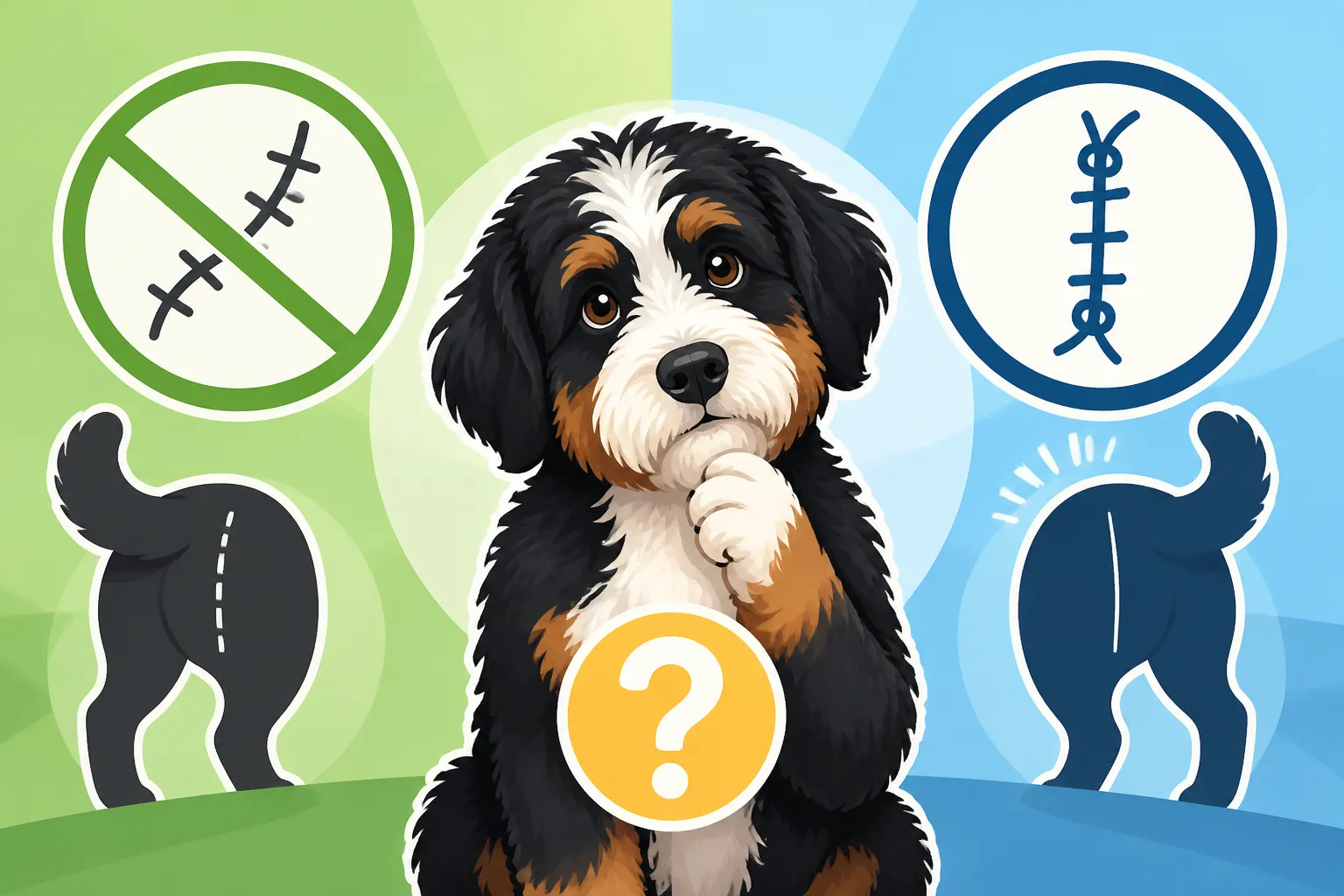
Whether a Standard Bernedoodle Should Be Tacked at Spay
The day you decide to spay your beloved standard Bernedoodle puppy is usually filled with a mix of relief and anxiety. You're happy to prevent unplanned litters and reduce certain health risks, but the thought of surgery, especially for a large breed, can be daunting. What many Bernedoodle owners grapple with, often at the last minute, is whether to add a gastropexy, commonly known as "tacking" the stomach, to their dog's spay procedure. This guide will walk you through everything you need to know to make an informed decision about this crucial preventative measure for your deep-chested companion.
What is Gastric Dilatation-Volvulus (Bloat) and Why Bernedoodles Are at Risk?
Gastric Dilatation-Volvulus, or GDV, is a terrifying and life-threatening condition that every owner of a deep-chested dog, like a standard Bernedoodle, needs to understand. It’s not just an upset stomach; it’s a medical emergency where the stomach first fills with gas and fluid (dilatation) and then twists on its axis (volvulus), cutting off blood supply and trapping gas. This can happen incredibly quickly, often progressing from seemingly normal to critical within minutes or hours. The sheer panic and helplessness you feel when witnessing the signs of bloat in your dog are something no owner wants to experience.
The Anatomy Behind the Risk
Standard Bernedoodles inherit their large size and deep-chested conformation from both their Bernese Mountain Dog and Standard Poodle parents. While both breeds are generally wonderful, this particular body type, characterized by a chest that is notably deeper than it is wide, unfortunately, creates a predisposition to GDV. Imagine their stomach suspended in a relatively spacious abdominal cavity; it has more room to swing and twist if it starts to distend. This anatomical quirk, combined with factors like eating too quickly, consuming one large meal a day, or even stress, significantly elevates their risk. Owners often notice that their Bernedoodle seems to have a lot of room in their chest, which is great for lung capacity but less ideal for keeping the stomach firmly in place. This is why understanding The Chest That Puts a Standard Bernedoodle at Bloat Risk is so vital for their long-term health.
Recognizing the Emergency Signs
Identifying GDV early is literally a matter of life or death, and it's something every Bernedoodle owner needs to be intimately familiar with. The signs can be subtle at first, then rapidly escalate. You might notice your dog pacing restlessly, looking at their side, or whining uncharacteristically. As the condition progresses, you’ll likely see non-productive retching – your dog tries to vomit but nothing comes up, or only foamy saliva. Their abdomen may appear distended and feel hard, especially on the left side, and they might stand with an arched back or refuse to lie down. Their gums might become pale, and their breathing could become shallow and rapid. If you ever suspect bloat, do not wait. Even if it’s the middle of the night, get to an emergency veterinary clinic immediately. Time is absolutely critical, often measured in minutes, and delaying can severely impact the outcome.
Understanding Gastropexy: The "Tacking" Procedure
Given the severity and rapid onset of bloat, preventative measures are a common discussion point for owners of at-risk breeds. This is where gastropexy comes into play. It’s a surgical procedure designed to permanently attach a portion of the stomach to the abdominal wall, significantly reducing the risk of the stomach twisting, which is the most dangerous aspect of GDV. It doesn't prevent the stomach from dilating (filling with gas), but it largely prevents the life-threatening volvulus.
How the Procedure Works
At its core, a gastropexy involves surgically securing the stomach to the inside of the abdominal wall. Think of it like "tacking" down a rug so it can't slide around. The veterinarian typically identifies a specific part of the stomach, often the pylorus (the muscular valve connecting the stomach to the small intestine), and creates an adhesion between it and the abdominal wall. This permanent attachment effectively anchors the stomach, preventing it from rotating or twisting if it becomes distended with gas. While a dog who has had a gastropexy can still experience bloat (stomach filling with gas), the critical and often fatal twisting (volvulus) is prevented. This means that if dilatation occurs, the gas can usually be expelled, or the dog can be treated much more easily at the vet, without the need for emergency, life-saving surgery for a twisted stomach. It's a proactive step that can save your Bernedoodle's life down the road.
Types of Gastropexy Procedures
There are a few different approaches a veterinarian might take to perform a gastropexy, and the choice often depends on the dog's size, the vet's expertise, and whether the procedure is being done concurrently with another surgery.
- Open Incision Gastropexy: This is the traditional method, performed through a standard abdominal incision. The surgeon manually attaches the stomach wall to the abdominal muscle. It's highly effective and is commonly done at the same time as a spay or neuter.
- Laparoscopic-Assisted Gastropexy: This minimally invasive approach uses a laparoscope (a small camera) and specialized instruments inserted through small incisions. The stomach is visualized, and a specific area is chosen for attachment, often with fewer stitches on the exterior. This method typically results in less pain and a faster recovery time compared to open surgery, but it requires specialized equipment and training. It's increasingly popular for younger dogs undergoing elective procedures.
- Endoscopically-Assisted Gastropexy: In some cases, a gastropexy can be performed with the assistance of an endoscope, which is passed down the esophagus into the stomach. This is another minimally invasive option.
Each type has its pros and cons in terms of invasiveness, recovery time, and cost. When considering gastropexy for your Bernedoodle, discussing these options with your vet will help determine the best approach for your specific dog and circumstances. Understanding these methods is part of knowing What Gastropexy Adds to a Bernedoodle's Spay.
The Decision Point: Tacking During Spay or Neutering
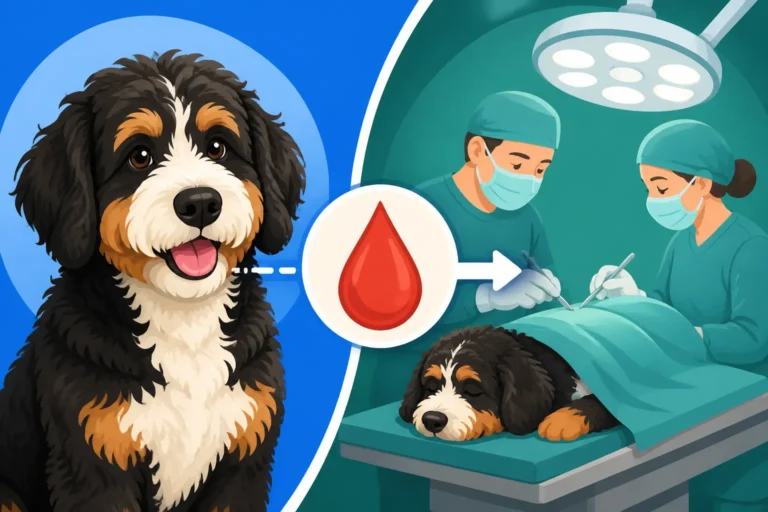
For many standard Bernedoodle owners, the question of gastropexy comes up at the same time as the spay or neuter discussion. It's a pragmatic approach that can save your dog from a future emergency and potentially save you significant stress and veterinary bills. Combining the two surgeries means only one round of anesthesia and one recovery period, which is often appealing.
Pros and Cons of Concurrent Surgery
Deciding whether to add a gastropexy during your Bernedoodle's spay or neuter is a big one, and it's natural to weigh the benefits against any potential drawbacks. It's a proactive decision that truly aims to safeguard your dog's future.
| Feature | Pros of Concurrent Gastropexy | Cons of Concurrent Gastropexy |
|---|---|---|
| Anesthesia | Only one anesthetic event for both procedures, reducing overall risk and stress over the dog's lifetime. | Longer surgical time under anesthesia, which carries a slightly increased risk for certain dogs. |
| Cost | Generally more cost-effective as anesthesia, operating room fees, and initial recovery are combined. | Higher initial upfront cost compared to spay/neuter alone, as it's an additional procedure. |
| Recovery | One recovery period means fewer disruptions to your dog's routine and your schedule. | Recovery might be slightly more uncomfortable initially due to the additional abdominal surgery. |
| Prevention | Dramatically reduces the risk of life-threatening GDV volvulus, offering immense peace of mind. | Does not prevent simple bloat (stomach distension), so vigilance for symptoms is still necessary. |
| Invasiveness | Avoids a separate, potentially emergency surgery later, which is often more invasive and urgent. | It's still an elective surgery, and some owners prefer to avoid any additional procedures. |
It's a balance between upfront investment and long-term protection. Many owners find the peace of mind offered by preventing future GDV episodes to be well worth the slightly extended surgery and recovery initially.
Factors Influencing the Decision
Several key factors should play into your decision-making process when considering gastropexy for your Bernedoodle. It's not a one-size-fits-all answer, and what's right for one dog might not be ideal for another.
First, your Bernedoodle's size and age are paramount. Standard Bernedoodles, typically weighing between 70-90 pounds or more, are undeniably in the high-risk category for GDV due to their large and deep chests. Younger dogs, often spayed or neutered between 6 months and 1.5 years, are ideal candidates for concurrent gastropexy. Their tissues are healthy, and they tend to recover well. As dogs get older, any surgery can carry slightly more risk, so addressing it early is often preferred. You'll want to carefully consider The Birthday a Standard Bernedoodle Counts as Senior and whether waiting until that point would be advisable for an elective surgery.
Secondly, family history of bloat can be a significant indicator. While it's not always easy to track this in mixed breeds, if you know of any Bernese Mountain Dogs or Standard Poodles in your Bernedoodle's lineage that suffered from bloat, it adds another layer to the risk profile.
Third, your lifestyle and ability to react to an emergency should be considered. Are you frequently away from home for long hours? Do you live far from an emergency vet clinic? In scenarios where immediate veterinary care might be delayed, the preventative nature of a gastropexy becomes even more compelling. Thinking about factors like Whether a Standard Bernedoodle Should Rest After Meals to reduce bloat risk is also a good habit, even with a gastropexy. Finally, discussing these individual aspects with your veterinarian, who knows your dog's specific health and risk factors, is invaluable. They can provide tailored advice that considers all these nuances.
Post-Operative Care and Long-Term Considerations
Undergoing any surgery, especially one as significant as a spay with an added gastropexy, requires dedicated post-operative care. Your Bernedoodle will need time and attention to heal properly. The good news is that while gastropexy does add to the procedure, the general recovery protocols are similar to a standard spay or neuter.
Immediate Recovery Expectations
Once your Bernedoodle comes home from surgery, your primary goal will be to ensure they recover comfortably and without complications. Expect your dog to be a bit groggy and possibly whiny for the first 24-48 hours from the anesthesia. They'll likely have a shaved area on their belly with an incision, which might be slightly longer if an open gastropexy was performed. Pain medication will be prescribed, and it's absolutely crucial to administer it exactly as directed to keep them comfortable. Activity restriction is key; no jumping, running, or strenuous play for at least 10-14 days. Leash walks for potty breaks only are usually recommended. You'll need to monitor the incision site daily for any signs of redness, swelling, discharge, or if your dog is licking or chewing at it. An Elizabethan collar (the "cone of shame") will likely be a temporary fashion statement to prevent this. It's a challenging period, but consistent care during this time sets the stage for a smooth recovery. While standard Bernedoodles are large dogs, they can be surprisingly delicate during this crucial healing phase, and understanding topics like Whether Anesthesia Is Riskier on a Ninety Pound Bernedoodle can help you feel more prepared.
Living with a Tacked Bernedoodle
Once your Bernedoodle has fully recovered from their gastropexy, life generally returns to normal, but with a critical layer of protection against one of the breed's most feared conditions. It's important to remember that a gastropexy prevents the twisting of the stomach, not the dilatation or gas buildup itself. This means that while the most life-threatening aspect of bloat is mitigated, you should still be mindful of factors that contribute to gas and stomach upset. Continuing good feeding practices, such as feeding two or three smaller meals a day instead of one large one, and using a slow-feeder bowl, remains a good idea. Avoid strenuous exercise immediately after meals. You should still be aware of bloat symptoms like non-productive retching, as your dog could still experience dilatation without torsion. If this happens, it's still a good idea to consult your vet, but the immediate, panicked rush for emergency surgery for a twisted stomach is largely avoided. This preventative measure offers immense peace of mind, allowing you to enjoy your Bernedoodle without the constant underlying worry of GDV.
Making an Informed Choice for Your Bernedoodle
The decision to perform a gastropexy on your standard Bernedoodle, especially when coupled with a spay or neuter, is a significant one. It's an investment in their long-term health and your peace of mind. There's no single right answer for every dog, but by gathering information and having open conversations, you can confidently choose the best path for your furry family member.
Discussing with Your Veterinarian
Your veterinarian is your most valuable resource when it comes to making decisions about your Bernedoodle's health. Don't hesitate to schedule a consultation specifically to discuss gastropexy. Come prepared with questions, such as:
- What is your experience with gastropexy procedures, both open and laparoscopic?
- What technique would you recommend for my Bernedoodle, and why?
- What are the specific risks involved with performing a gastropexy alongside a spay/neuter in my dog's case?
- What are the expected recovery times and post-operative care instructions?
- What is the estimated total cost for both procedures?
- Do you recommend any specific pre-surgical bloodwork or diagnostics?
They can assess your Bernedoodle’s individual health, temperament, and lifestyle factors to give you personalized advice. They might also discuss things like How Much Food a Standard Bernedoodle Eats Monthly and how feeding habits can influence bloat risk, even with a gastropexy. A good veterinarian will take the time to explain everything thoroughly, addressing all your concerns and helping you feel confident in your choice.
Financial Aspects and Insurance
Let's be real – veterinary care, especially surgery, can be a significant financial undertaking. Adding a gastropexy to a spay or neuter will increase the overall cost, as it’s an additional surgical procedure, requires more time in the operating room, and uses more supplies. The price can vary widely depending on your location, the type of gastropexy performed (open vs. laparoscopic), and the veterinary clinic's fees. It's always best to get a detailed estimate from your vet beforehand so you know what to expect.
However, consider this cost against the potential expense of an emergency GDV surgery, which can easily run into thousands of dollars (often $3,000-$10,000 or more, depending on the severity and complications), plus the emotional toll of a critical emergency. Investing in preventative measures like gastropexy can offer peace of mind, and some pet insurance providers, like Healthy Paws, may cover aspects of emergency bloat treatment if it were to occur, or even contribute to preventative care if it's deemed medically necessary by your vet, depending on your plan. It’s worth checking your policy details or speaking with a Healthy Paws representative to understand what coverage is available. Knowing What Insuring a Standard Bernedoodle Runs can help you budget for comprehensive care, including preventative measures. Ultimately, the cost of a preventative gastropexy is often far less than the cost of treating an emergency bloat episode, not to mention the immense suffering it prevents for your beloved Bernedoodle.
Disclaimer
The information provided in this article is for educational and informational purposes only and does not constitute veterinary advice. Always consult with a qualified veterinarian regarding your Bernedoodle's specific health concerns, treatment options, and before making any decisions related to their medical care or surgical procedures.