Entropion in a Bernedoodle’s Eyelids
It's incredibly frustrating and often worrying when you notice something isn't quite right with your beloved Bernedoodle's eyes. That constant squint, the watery discharge, or the way they're rubbing their face can quickly send a pang of anxiety through any dog parent. This comprehensive guide is here to shed light on entropion, a condition where a Bernedoodle's eyelid rolls inward, explaining why it happens, how to spot it, and what steps you can take to bring relief to your furry family member.
Understanding Entropion: What It Is and Why It Matters for Your Bernedoodle
When you picture your Bernedoodle's sweet face, you probably imagine soft, expressive eyes looking up at you. But sometimes, something as seemingly simple as an eyelid can become a source of significant discomfort. Entropion is one such condition, and it's more common in certain breeds, including the Bernese Mountain Dog, one half of our wonderful Bernedoodle mix. It's not just a cosmetic issue; it's a painful problem that can lead to serious long-term complications if not addressed.
The Mechanics of an Inward-Turning Eyelid
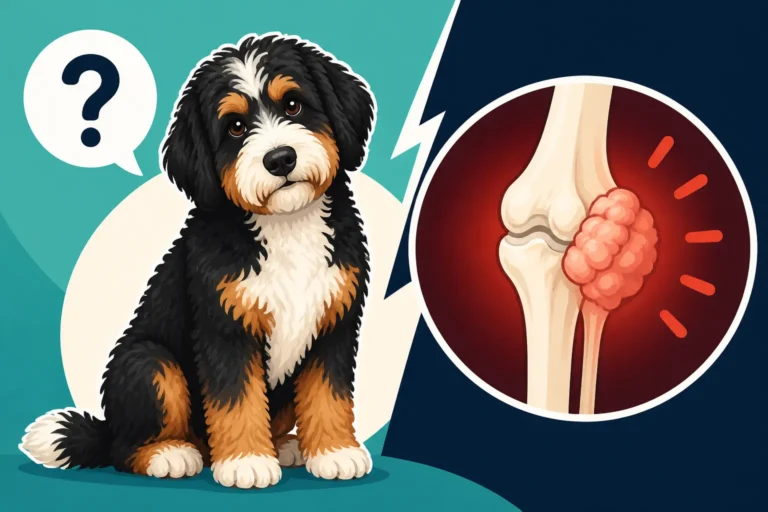
At its core, entropion is a condition where a portion of your dog's eyelid, usually the lower one, rolls inward towards the eye. Now, you might think, "What's the big deal?" But imagine having your eyelashes constantly scraping against your eyeball. That's exactly what happens to a Bernedoodle with entropion. The hairs on the eyelid, which are normally on the outside, are now pressed directly against the delicate surface of the cornea and conjunctiva. This rubbing causes chronic irritation, inflammation, and can feel like there's always something in their eye.
This constant friction can lead to a whole host of problems beyond just discomfort. The cornea, the clear outer layer of the eye, can become scratched or even ulcerated. If these ulcers become deep or infected, they can impair vision or, in severe cases, even lead to rupture of the eyeball. It’s a progressive problem, meaning it often gets worse over time without intervention. For an animal that relies so much on its sight, especially when navigating a busy home or playing outdoors, protecting their eyes is paramount.
Bernedoodles and a Predisposition to Entropion
So, why are Bernedoodles more prone to this particular issue? It often comes down to their genetic heritage. Bernese Mountain Dogs, with their somewhat loose facial skin and sometimes droopy lower eyelids, are known to have a higher incidence of entropion. Poodles, while generally having tighter eyelids, can also contribute to facial structures that, when mixed, may lead to this condition. Depending on the size of the Poodle parent (Standard, Mini, or Toy), the exact conformation of the Bernedoodle's face can vary, which in turn can influence the likelihood of developing entropion.
It's a classic example of how specific breed traits, when combined, can sometimes create a susceptibility. While entropion isn't exclusively a Bernedoodle issue – you'll find it in breeds like Samoyeds, Chow Chows, and Shar-Peis with their characteristic wrinkles – it’s certainly something Bernedoodle owners need to be aware of. Responsible breeders meticulously screen their breeding stock for inherited eye conditions, looking at the parents' history and performing routine ocular exams, which is a crucial step in trying to minimize the risk of passing this condition on to puppies.
Recognizing the Early Warning Signs of Entropion in Your Companion
Catching entropion early can make a world of difference in your Bernedoodle's comfort and the success of treatment. It's easy to dismiss some early signs as just "allergies" or "a bit of dust," especially with their often-fluffy faces, but persistent symptoms warrant a closer look. Being vigilant about your dog's ocular health is part of being a great pet parent.
Subtle Hints and Obvious Discomfort
The first things you might notice are often subtle. Your Bernedoodle might start blinking more frequently, or you might see them rubbing their face against the carpet, furniture, or even your leg more than usual. This rubbing is their attempt to alleviate the constant irritation. Excessive tearing, also known as epiphora, is another tell-tale sign, as their eyes produce more tears to try and wash away the foreign sensation. You might see dampness or tear staining on the fur beneath their eyes.
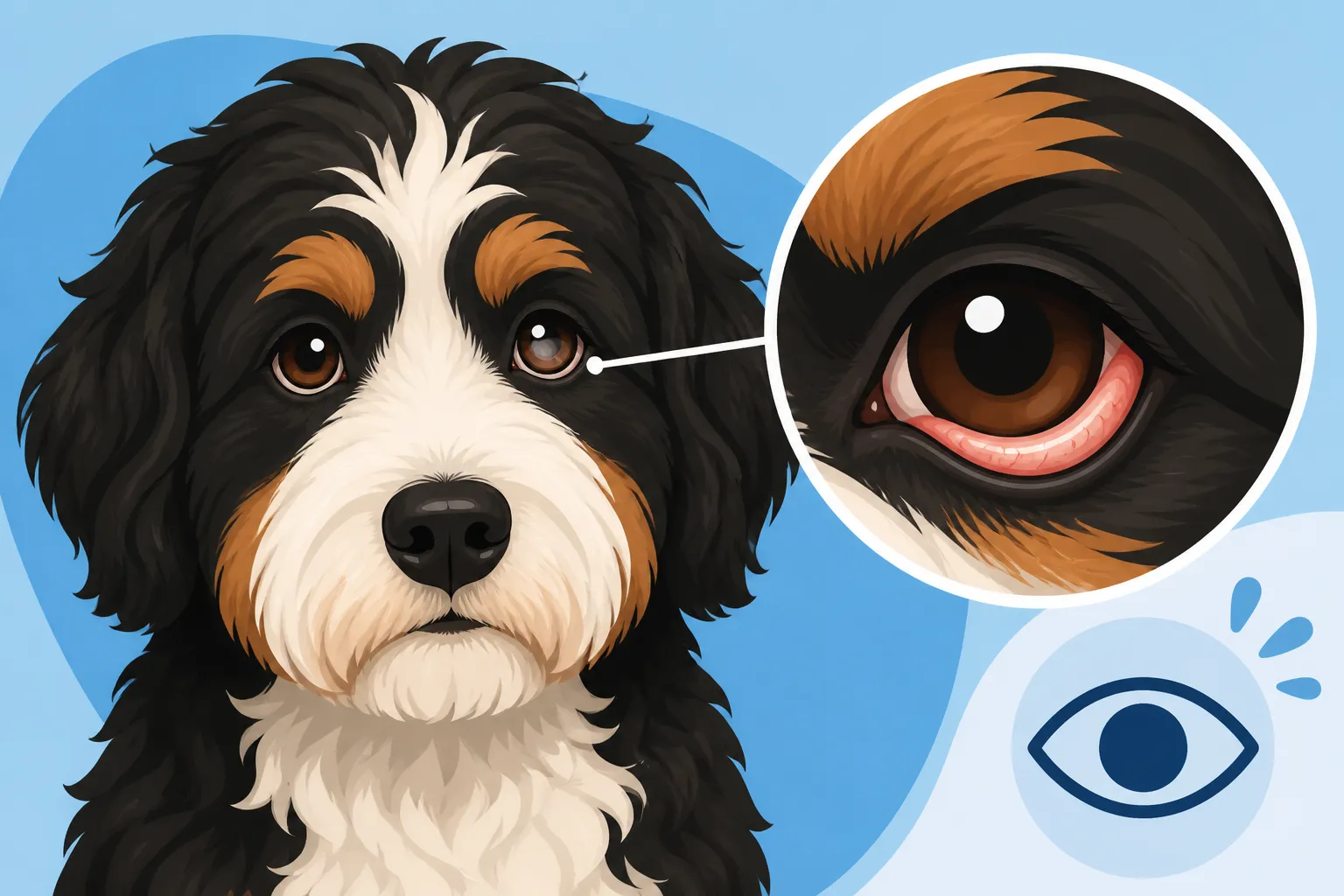
As the condition progresses, the signs become more obvious and painful. Squinting, or blepharospasm, becomes more pronounced, indicating significant discomfort. The whites of their eyes (sclera) might appear red and inflamed, and you could notice a mucousy or pus-like discharge, especially if secondary bacterial infections have set in due to the constant irritation and moisture. Without intervention, the chronic rubbing can lead to serious corneal damage, visible as a cloudy film or even ulcerations on the surface of the eye. This can ultimately impair their vision and greatly diminish their quality of life.
Distinguishing Entropion from Other Eye Irritations
It's tricky because many eye issues can present with similar symptoms. For instance, seasonal allergies can cause watery eyes and some redness, while a stray piece of dust or grass seed can make your Bernedoodle suddenly squint and paw at their face. Conjunctivitis, or "pink eye," from bacterial or viral infections, also leads to redness and discharge. The key difference with entropion is the physical position of the eyelid and the constant nature of the irritation due to hair rubbing the eye.
If you suspect any eye problem, especially if symptoms persist for more than a day or two, or if they appear suddenly and severely, it's always best to consult your veterinarian. They can accurately diagnose the issue and rule out other potential problems such as distichiasis (extra eyelashes growing from an abnormal spot), ectopic cilia (eyelashes growing through the conjunctiva), or even glaucoma. Don't try to self-diagnose or treat with over-the-counter remedies, as some treatments can actually worsen certain eye conditions. Your vet has the tools and expertise to properly assess your Bernedoodle's eyes and get them the right help.
The Veterinary Journey: Diagnosis and Treatment Options
Once you've noticed potential signs of entropion, a visit to your veterinarian is the crucial next step. They'll be able to confirm the diagnosis and discuss the best course of action for your Bernedoodle. It's a journey that prioritizes your dog's comfort and long-term eye health.
How Vets Confirm Entropion
Diagnosing entropion usually starts with a thorough physical examination of your Bernedoodle's eyes. Your vet will carefully observe the position of the eyelids, looking for any inward rolling, especially along the lower lid margin. Sometimes, especially with anxious dogs, mild sedation might be necessary to get a really good look without causing additional stress or obscuring the true eyelid position. They'll gently roll the eyelids to see if the hairs are indeed contacting the cornea.
Beyond visual inspection, several diagnostic tests might be performed. A fluorescein dye test is common; a special orange dye is applied to the eye, and if there are any abrasions or ulcers on the cornea from the constant rubbing, the dye will stick to these damaged areas and glow green under a blue light. This helps the vet assess the extent of the damage. Other tests like a Schirmer tear test to measure tear production, or tonometry to check eye pressure, might be done to rule out other concurrent eye conditions, such as dry eye or glaucoma, which can sometimes mimic or worsen entropion symptoms. All these steps contribute to a precise diagnosis and a tailored treatment plan.
Surgical Correction: The Definitive Solution
For most cases of entropion that cause significant discomfort or corneal damage, surgical correction is the definitive and most effective treatment. The goal of surgery is to permanently evert the eyelid, so the hairs no longer rub against the eye. The most common procedure is called the Hotz-Celsus technique. During this surgery, a small, crescent-shaped strip of skin and underlying muscle is carefully removed from just below the affected eyelid. When the incision is sutured closed, it pulls the eyelid margin outward, correcting the inward roll.
The decision for surgery considers several factors, including the severity of the entropion, the age of your dog, and any existing corneal damage. While the thought of surgery can be daunting, it typically offers excellent long-term results, providing immense relief for your Bernedoodle. It's important to discuss the specifics, including anesthesia protocols and potential risks, thoroughly with your veterinary ophthalmologist. Keep in mind that specialized surgeries like this can be a significant expense, so if you have pet insurance like Healthy Paws, it’s a good idea to check your coverage details. This can offer much-needed peace of mind when facing unexpected surgical costs.
Non-Surgical and Post-Operative Care
Before or instead of permanent surgery, particularly in puppies, temporary tacking procedures might be used. This involves placing temporary sutures in the eyelid to pull it outward, allowing the puppy's facial structure to mature. Sometimes, as the puppy grows, the entropion resolves on its own. If not, the permanent surgery can be performed later. Non-surgical methods for temporary relief include lubricating eye drops or artificial tears to reduce friction, and antibiotic eye ointments if there's an infection present. These are palliative, not curative, for true entropion.
Post-operative care is crucial for a successful outcome. Your Bernedoodle will likely need to wear an Elizabethan collar (the dreaded "cone of shame") for a couple of weeks to prevent them from rubbing or scratching at the surgical site. Pain medication will be prescribed to keep them comfortable, and you'll typically need to administer antibiotic eye drops or ointments to prevent infection and aid healing. There will be follow-up appointments to monitor healing and eventually remove sutures. Ensuring your Bernedoodle is calm and follows these post-op instructions diligently is key to preventing complications and ensuring a smooth recovery. To learn more about specific eye examinations, you might find our guide on The Eye Conditions a Bernedoodle Is Tested For helpful.
Living with a Bernedoodle Prone to Eye Issues: Prevention and Management
While some conditions are simply genetic luck of the draw, there are definitely steps you can take to minimize the risk of entropion and manage your Bernedoodle's overall eye health. It starts even before you bring your puppy home and continues throughout their life with diligent care.
Choosing a Responsible Breeder
This can't be stressed enough: choosing a responsible breeder is your first and most significant line of defense against many inherited health conditions, including entropion. A good breeder will prioritize the health of their dogs above all else. They will perform comprehensive health screenings on their breeding stock, which absolutely includes OFA (Orthopedic Foundation for Animals) eye examinations, specifically through the Companion Animal Eye Registry (CAER) program. These certifications verify that the parent dogs are free from detectable inherited eye diseases, including entropion.
Don't be shy about asking for proof of these clearances. A transparent breeder will readily provide documentation and discuss the health history of their lines. If a breeder is vague, dismisses your concerns about health testing, or states they've "never had a problem," that should be a significant red flag. You're investing in a family member for years to come, so ensuring they come from healthy lines is paramount. For more on what to look for, take a look at The Five Clearances a Bernedoodle Breeder Should Have.
Ongoing Eye Health and Routine Care
Once your Bernedoodle is home, routine care becomes your responsibility. Make it a habit to regularly inspect your Bernedoodle's eyes. Look for any signs of redness, excessive tearing, discharge, or squinting. Pay particular attention to the eyelid margins to see if they appear to be rolling inward. This daily check can help you catch potential problems early, before they escalate.
Grooming plays a significant role in eye health for a Bernedoodle. Their thick, often long facial hair can irritate the eyes, even if entropion isn't present. Keeping the hair around their eyes trimmed short and clean is essential. You can gently wipe their eye area daily with a soft, damp cloth to remove any debris or tear staining. If you use a professional groomer, make sure to communicate the importance of a tidy face. Consider reading Whether a Bernedoodle's Eyes Water Under Its Fringe for related insights on grooming. Beyond daily checks and grooming, consistent veterinary care, including annual check-ups, is vital. Your vet can spot subtle changes you might miss and perform routine screenings that contribute to your Bernedoodle's long-term well-being. This proactive approach, possibly backed by a robust pet insurance plan like those offered by Healthy Paws, ensures you're ready for both routine care and any unexpected health challenges that arise. Our article The Screening a Bernedoodle Should Have Yearly offers more details on recommended health checks.
Financial Implications and Insurance Considerations
Facing any health issue with your beloved Bernedoodle can be emotionally taxing, and when it involves surgery, the financial aspect often adds another layer of stress. Understanding the potential costs associated with entropion treatment can help you prepare.
The Cost of Treating Entropion
The expenses related to treating entropion can vary significantly depending on the severity of the condition, whether one or both eyes are affected, the specific surgical technique used, and your geographic location (vet costs can differ widely between urban and rural areas). Initial diagnostic costs will include veterinary consultations, fluorescein staining, and potentially other eye tests, which typically range from $100 to $400.
If surgery is recommended, the cost can be substantial. For entropion surgery, you might expect to pay anywhere from $1,000 to $3,000 or even more per eye. This price usually includes the surgeon's fees, anesthesia, monitoring, post-operative medications (antibiotics, pain relief, eye drops), and follow-up visits for suture removal and re-checks. If there are complications, such as a severe corneal ulcer requiring additional treatment, these costs could increase. While Entropion Surgery on a Bernedoodle will detail the procedure itself, knowing the financial outlay is crucial.
Pet Insurance: A Lifeline for Unexpected Expenses
This is where pet insurance can truly be a lifesaver. Given the potential costs of surgical correction for entropion, having a good pet insurance policy in place can make the difference between an immediate, stress-free decision for your dog's health and a difficult financial strain. Many comprehensive pet insurance plans, such as those from Healthy Paws, cover unexpected illnesses and accidents, and entropion surgery would typically fall under this umbrella.
The key, however, is to enroll your Bernedoodle in a pet insurance plan before any signs or diagnosis of entropion appear. Like human health insurance, pet insurance policies generally do not cover pre-existing conditions. So, if your Bernedoodle is diagnosed with entropion before you have a policy, or during a waiting period, it may be excluded from coverage. Investing in insurance early on, when your Bernedoodle is a puppy, is the smartest move for long-term peace of mind, covering not just potential entropion but a range of other health concerns that could arise throughout their life. It helps you manage the overall financial commitment of What a Bernedoodle Costs Over Its Whole Life. You can also explore options for Insuring a Bernedoodle Against the Bernese Half to ensure comprehensive coverage.
Entropion: Symptom and Diagnostic Comparison
To help differentiate entropion from other common eye irritations, here's a quick comparison of typical symptoms and how a vet might approach diagnosis.
| Symptom / Condition | Entropion | Allergies | Foreign Body (e.g., grass seed) | Conjunctivitis (Pink Eye) |
|---|---|---|---|---|
| Eyelid Position | Inward rolling of eyelid margin | Normal | Normal | Normal |
| Excessive Tearing | Common, chronic | Common, seasonal/intermittent | Severe, sudden, unilateral | Common, can be bilateral |
| Squinting/Pain | Common, chronic, progressive | Mild-Moderate | Severe, acute | Mild-Moderate |
| Redness (Conjunctiva) | Yes, often significant | Yes, sometimes itchy | Yes, can be intense | Yes, classic "pink eye" |
| Discharge | Mucous, often thick, can be purulent if infected | Clear, watery | Watery initially, can become purulent | Mucous or pus-like |
| Rubbing at Eyes | Yes, persistent | Yes, often with other itchiness | Yes, frantic | Yes |
| Corneal Damage Risk | High (chronic irritation, ulcers) | Low | High (abrasions, ulcers) | Low-Moderate (secondary to irritation) |
| Visible Eyelash Rub | Yes, lashes/hair touching cornea | No | Sometimes (if large object) | No |
| Onset | Gradual, often starts young | Seasonal, exposure-dependent | Sudden | Gradual or sudden |
Disclaimer
The information provided in this article is for general informational purposes only and is not intended as a substitute for professional veterinary advice. Always consult with a qualified veterinarian for any health concerns or before making any decisions related to your Bernedoodle's health and treatment.