Whether Breeders Overstate a Bernedoodle’s Lifespan
It's easy to get swept up in the excitement of bringing home a Bernedoodle puppy, especially when breeders often promise a remarkably long, healthy life of 12-15 years. But for many owners, there's a quiet worry: is that claim truly realistic? This guide aims to cut through the marketing, exploring the common lifespan expectations for Bernedoodles and what factors genuinely influence how many precious years you get with your furry companion.
Understanding Bernedoodle Lifespan Claims vs. Reality
When you first start looking into Bernedoodles, the numbers breeders quote for their lifespan can sound incredibly appealing. Often, you'll hear figures like "12-15 years," sometimes even higher for the smaller varieties. This is a significant leap from the average lifespan of their Bernese Mountain Dog parent, which tragically often hovers around 7-8 years. The Poodle side, on the other hand, boasts a much longer life, frequently reaching 12-15 years or more, especially for Standard Poodles. The Bernedoodle, being a hybrid, is often touted as benefiting from the best of both worlds, specifically from something called "hybrid vigor."
The "Hybrid Vigor" Argument and Its Limits
Hybrid vigor, also known as heterosis, is the idea that the first generation offspring of two distinct purebred parents can be healthier and more robust than either parent breed. The theory suggests that by mixing genes, you reduce the chances of a puppy inheriting two copies of a problematic recessive gene, which can lead to certain breed-specific diseases. For Bernedoodles, the hope is that crossing a Bernese Mountain Dog with a Poodle will dilute the high incidence of cancer and other serious health issues that plague the Bernese. It's a powerful selling point, and in many cases, it does hold some truth, particularly for the initial F1 generation (50% Bernese, 50% Poodle).
However, it's crucial to understand that hybrid vigor isn't a magic bullet, and its effects can diminish in subsequent generations. If breeders aren't careful about the health testing of all parent dogs, regardless of generation (F1b, F2, Multigen), those genetic predispositions can creep back in or even be exacerbated. Simply being a "doodle" doesn't automatically guarantee freedom from genetic disease. Owners often wonder Whether Hybrid Vigor Fades in Later Bernedoodle Generations, and the answer is that the benefits can indeed lessen if breeding practices don't remain diligent and focused on health.
Discrepancies Between Breeder Claims and Averages
While a breeder might confidently advertise a 12-15 year lifespan, it's important to cross-reference this with what Bernedoodle owners actually experience. Anecdotal evidence and emerging data suggest that while many Bernedoodles do live longer than their Bernese parents, reaching the full 15 years might be an optimistic projection for the average standard-sized Bernedoodle. Realistically, many Standard Bernedoodles fall into the 10-12 year range. Mini and Tiny Bernedoodles, due to their smaller size (which generally correlates with longer lifespans across dog breeds), often have a better chance of pushing towards the 12-15 year mark.
The challenge lies in the relatively young history of the Bernedoodle as a crossbreed. We don't have decades of extensive data on large populations like we do for established purebreds. So, some breeder claims might be based on the potential best-case scenarios or the Poodle's longevity rather than a consistent average across all sizes and generations of Bernedoodles. This can lead to heartbreak if an owner is expecting a decade and a half with their companion, only to face health issues much sooner. You might find yourself researching The Average Age a Bernedoodle Reaches and comparing it to what you were told.
The Role of Parental Health and Testing
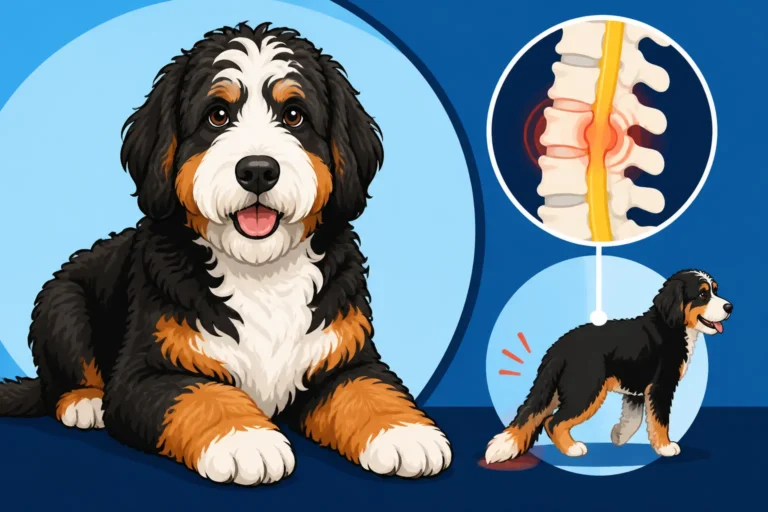
The health of the parent dogs is arguably the single most important factor in predicting your Bernedoodle's potential lifespan, far more than the generalized concept of "hybrid vigor." A responsible breeder will conduct extensive genetic health testing on both the Bernese Mountain Dog and the Poodle parents. This includes screenings for hip and elbow dysplasia, various eye conditions, von Willebrand's disease (a bleeding disorder), and degenerative myelopathy. Ignoring these tests is a huge red flag.
For instance, the Bernese Mountain Dog side brings with it a higher risk for certain aggressive cancers, like histiocytic sarcoma. While the Poodle side might dilute this risk, it doesn't eliminate it entirely, especially if the Bernese parent came from a line with a history of cancer. On the Poodle side, concerns like sebaceous adenitis, certain eye conditions, and Addison's disease can be passed down. A good breeder will be transparent about The Five Clearances a Bernedoodle Breeder Should Have and be able to show you the official OFA (Orthopedic Foundation for Animals) or PennHIP results for their breeding dogs. This diligence in testing significantly improves the odds of a healthier, longer-lived puppy, regardless of the breeder's broad lifespan claims.
Factors That Truly Influence a Bernedoodle's Lifespan
Beyond genetic predispositions, a multitude of environmental and care factors play a monumental role in how long your beloved Bernedoodle will stay by your side. It's a proactive journey, not just a genetic lottery. From the food they eat to the exercise they get, every decision you make contributes to their overall well-being and longevity.
The Impact of Size: Standard vs. Mini vs. Tiny
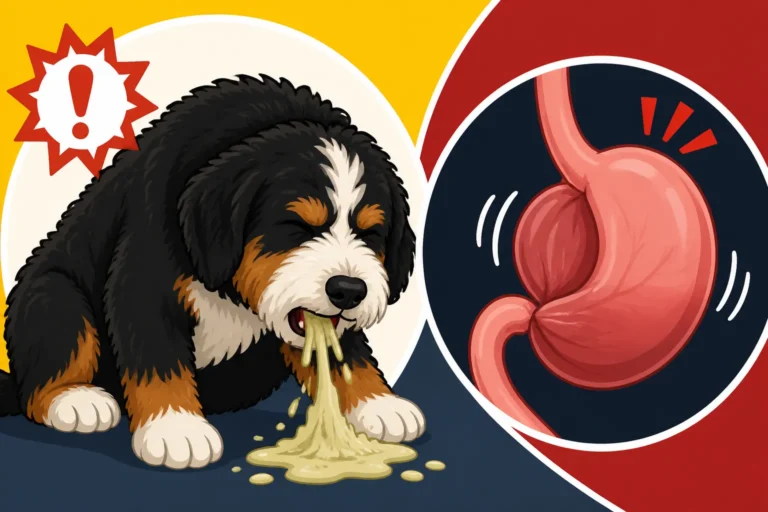
It's a common observation in the canine world that smaller dogs tend to live longer than larger dogs. This trend generally holds true for Bernedoodles as well. A Standard Bernedoodle, often weighing 70-90 pounds or more, places more stress on its joints and organs simply due to its size and weight. Larger breeds are also sometimes predisposed to certain conditions like bloat (gastric dilatation-volvulus), which can be life-threatening. While not exclusive to large breeds, a Standard Bernedoodle's deep chest, inherited from the Bernese, does increase the risk.
Mini and Tiny Bernedoodles, typically weighing between 25-50 pounds and under 25 pounds respectively, generally enjoy a longer average lifespan. They mature slightly differently and their bodies often experience less wear and tear over the years. If lifespan is a primary concern, then considering a smaller Bernedoodle might align more closely with the higher end of those optimistic breeder claims. Many owners ask Whether a Mini Bernedoodle Outlives a Standard, and generally, the answer leans towards yes, simply due to the advantages of a smaller stature.
Genetic Predispositions from Bernese Mountain Dog and Poodle
Even with hybrid vigor, Bernedoodles are still susceptible to health issues inherited from their parent breeds. The Bernese Mountain Dog is known for a tragically short lifespan, with cancer being a leading cause of death. Specifically, histiocytic sarcoma, lymphoma, and mast cell tumors are far too common in the breed. While the Poodle brings some dilution, Bernedoodles can still inherit these tendencies. You might be interested to learn The Cancers That Take Bernedoodles Most Often and what symptoms to watch for. Early detection is key, but the genetic blueprint plays a significant role in their susceptibility.
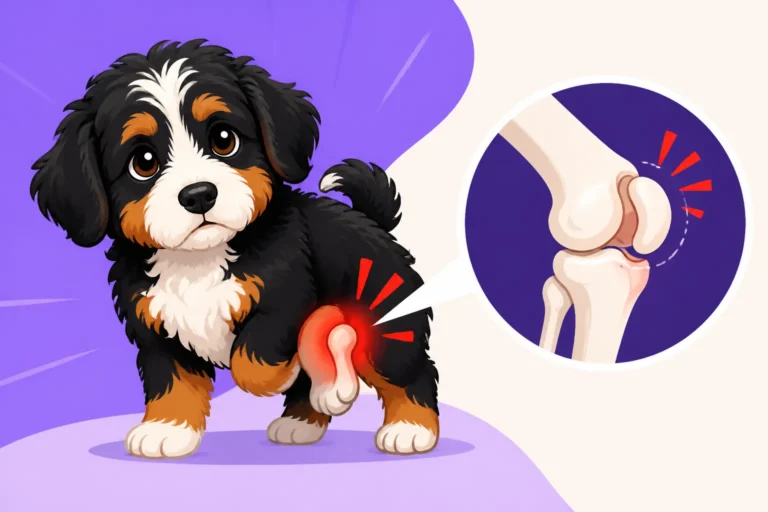
On the Poodle side, conditions like hip dysplasia, elbow dysplasia, certain eye diseases (like progressive retinal atrophy), von Willebrand's disease (a bleeding disorder), and sometimes Addison's disease can be inherited. While health testing on parents aims to reduce the likelihood of these, no test is 100% foolproof, and recessives can still pop up. Understanding Whether an F1 Bernedoodle Halves the Cancer Risk is complex; it reduces the odds of inheriting two copies of a specific gene, but doesn't eliminate all risk. Vigilance and proactive care become even more important when these genetic predispositions are considered.
The Critical Role of Lifestyle and Preventative Care
Beyond genetics and size, how you care for your Bernedoodle every single day has a profound impact on their longevity. Think of it as investing in their future health. This encompasses several key areas:
- Nutrition: A high-quality diet appropriate for their age, size, and activity level is foundational. Overfeeding, especially during puppyhood, can lead to excessive growth that puts undue stress on developing joints, potentially exacerbating issues like hip and elbow dysplasia. Whether an Overweight Bernedoodle Loses Years is a definite concern; obesity contributes to a host of health problems, from arthritis to heart disease.
- Exercise: Regular, appropriate exercise is vital. For large breeds like Standard Bernedoodles, over-exercising during puppyhood can be detrimental to their developing joints. Once mature, consistent, moderate exercise helps maintain a healthy weight, muscle tone, and mental well-being.
- Regular Veterinary Check-ups: Annual (or semi-annual for seniors) veterinary visits are non-negotiable. These check-ups allow for early detection of potential health issues, vaccinations, parasite prevention, and dental care. Your vet can catch subtle changes before they become serious problems. Investing in pet insurance, like a plan from Healthy Paws, can make these routine and emergency visits financially manageable, ensuring your Bernedoodle always receives the care they need without hesitation.
- Mental Stimulation: A happy, mentally stimulated dog is generally a healthier dog. Bernedoodles are intelligent and thrive on engaging activities, training, and companionship. Chronic stress or boredom can contribute to behavioral issues and potentially impact physical health.
- Grooming: A Bernedoodle's beautiful coat requires consistent grooming to prevent painful matting, which can lead to skin infections and other issues. Regular brushing and professional grooming not only keep them looking good but also allow for checking their skin for lumps and bumps, some of which could be early signs of cancer.
A holistic approach to care, combining excellent genetics with diligent everyday attention, provides the best chance for your Bernedoodle to live a full, happy life.
Navigating Lifespan Expectations and Breeder Transparency
Bringing a Bernedoodle into your family is a long-term commitment, and having realistic expectations about their lifespan is vital for a fulfilling journey together. It's natural to hope for the longest possible time with your furry friend, but understanding the nuances of lifespan claims and knowing how to advocate for your dog's health will serve you both well.
What to Ask Your Breeder About Lifespan and Health Guarantees
When you're speaking with a prospective breeder, don't shy away from asking pointed questions about their specific lines and their experiences with Bernedoodle lifespans. Beyond the general "12-15 years" claim, inquire about the lifespans of the parents and grandparents of the litter. Are they still alive and healthy? What were the causes of death for any dogs in their pedigree that passed away? This transparency offers a much clearer picture than generalized statistics.
Furthermore, discuss their health guarantee in detail. What does it cover, and for how long? Does it specifically address conditions like cancer, hip and elbow dysplasia, or other genetic diseases common to Bernese Mountain Dogs and Poodles? A reputable breeder will have a comprehensive health guarantee and be eager to discuss the health of their breeding stock. They should also provide documentation of all parental health clearances, such as OFA or PennHIP certifications. If they skirt these questions or seem defensive, that’s a significant warning sign. You want to avoid Whether an Untested Bernedoodle Litter Is Worth Buying because the lack of testing directly impacts future health.
The Importance of Continuous Veterinary Care and Early Detection
Even with the best genetics and a responsible breeder, health issues can and often do arise. This is where your ongoing commitment to veterinary care becomes paramount. Regular check-ups are more than just shots; they are opportunities for your vet to assess overall health, catch subtle changes, and provide preventative advice. As your Bernedoodle ages, these check-ups might become more frequent, often bi-annually, to monitor for age-related conditions. You might be wondering What Changes in a Bernedoodle After Eight and how to adapt their care.
Early detection of illnesses, especially cancer, can significantly improve prognosis and extend quality of life. Be vigilant about any changes in your dog's behavior, appetite, energy levels, or the appearance of any new lumps or bumps. Don't hesitate to consult your vet immediately if you notice anything unusual. Access to quality veterinary care is crucial, and having pet insurance from a provider like Healthy Paws can alleviate the financial burden of unexpected treatments, ensuring you can always prioritize your Bernedoodle's health without compromise.
Preparing for the Realities of Bernedoodle Aging
It’s a bittersweet truth that our furry companions don't live forever. While we hope for those 12-15 years, it's important to be emotionally and practically prepared for the aging process, whatever the timeline. A Bernedoodle, especially a standard size, might start showing signs of slowing down around 7-8 years, which is often considered middle age for larger breeds. This doesn't mean their life is over, but it does mean adjusting expectations and care.
| Bernedoodle Size | Breeder Claim (Years) | Realistic Average (Years) | Common Health Concerns Impacting Lifespan |
|---|---|---|---|
| Standard | 10-15 | 8-12 | Cancer, Hip/Elbow Dysplasia, Bloat |
| Mini | 12-16 | 10-14 | Cancer, Hip/Elbow Dysplasia, Eye issues |
| Tiny | 12-18 | 11-15 | Cancer, Patellar Luxation, Dental issues |
As they age, they might develop arthritis, experience cognitive decline, or face other chronic conditions. Planning for this can involve investing in orthopedic beds, ramps, or even looking into physical therapy or pain management options with your vet. Understanding The Birthday a Standard Bernedoodle Counts as Senior helps you proactively adjust their diet, exercise, and veterinary schedule. Embracing each day you have with your Bernedoodle, regardless of the precise number of years, is the most profound way to honor the bond you share.
Disclaimer
The information provided in this article is for general informational purposes only and is not intended as a substitute for professional veterinary advice. Always consult with a qualified veterinarian for any health concerns or before making any decisions related to your pet's health and treatment.