Whether a Bernedoodle Needs Elbow Surgery
It’s a heartbreaking moment for any Bernedoodle parent: you notice a subtle limp, a hesitation to jump, or a reluctance to play that just wasn't there before. Your playful, goofy companion, full of life, suddenly seems to be holding back. When these signs point towards something as serious as elbow dysplasia, the immediate, overwhelming question is often, "Does my Bernedoodle need surgery?" This guide will walk you through understanding elbow dysplasia, the diagnostic process, and the difficult decisions around treatment, including when surgery becomes a necessary consideration.
Understanding Elbow Dysplasia in Bernedoodles
Elbow dysplasia isn't a single condition, but rather a catch-all term for several developmental abnormalities of the elbow joint. It's a painful, chronic condition that can severely impact your dog's quality of life if not managed properly. For Bernedoodles, this concern is particularly relevant because both parent breeds – the Bernese Mountain Dog and the Poodle – can be predisposed to it, though the Bernese is especially known for genetic joint issues. It's a silent threat that can manifest during a Bernedoodle's rapid growth phase, or sometimes much later in life, causing discomfort and limiting mobility.
What is Elbow Dysplasia?
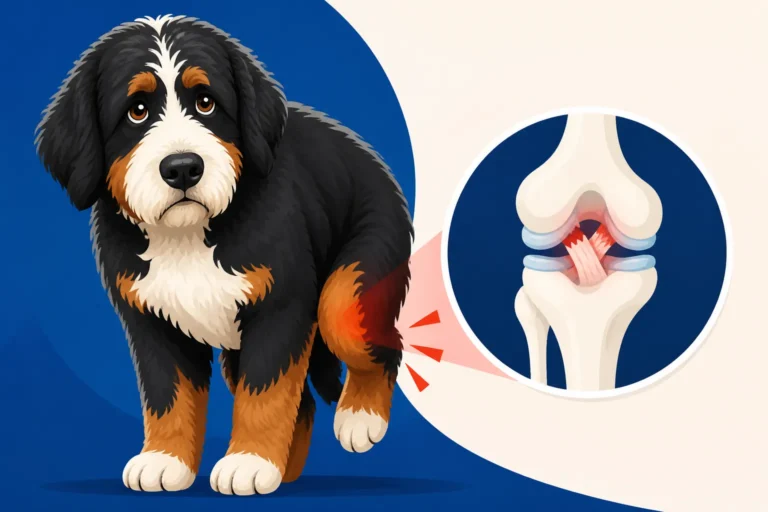
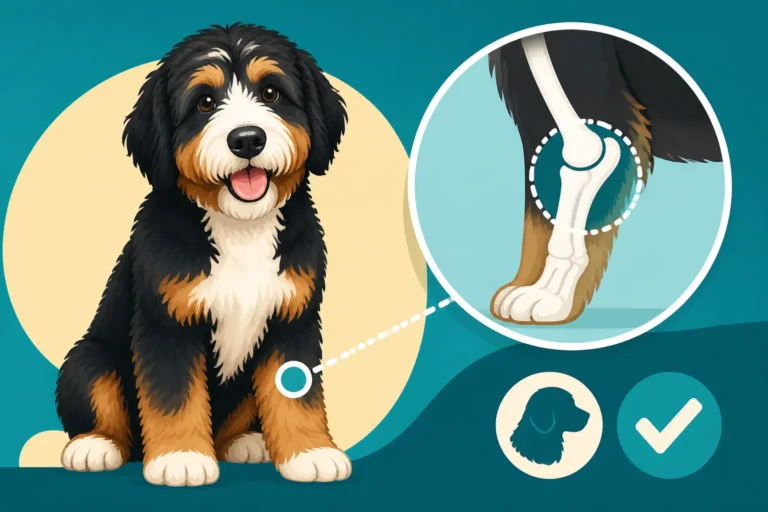
At its core, elbow dysplasia is a condition where the three bones forming the elbow joint (the radius, ulna, and humerus) don't fit together perfectly. This misalignment or abnormal development leads to instability and friction within the joint, causing progressive degeneration, inflammation, and pain. It's a complex genetic disorder, meaning it's often passed down from parents to offspring, making careful breeding crucial. There are several specific components that fall under the umbrella of elbow dysplasia, including:
- Fragmented Coronoid Process (FCP): A small piece of bone or cartilage breaks off the ulna.
- Ununited Anconeal Process (UAP): A bony projection on the ulna fails to fuse properly with the rest of the bone.
- Osteochondritis Dissecans (OCD): A flap of cartilage separates from the bone surface, often causing pain and lameness.
- Elbow Incongruity: The surfaces of the bones don't align smoothly, causing abnormal contact and wear.
Any one of these, or a combination, can lead to painful bone-on-bone rubbing, inflammation, and eventually, debilitating arthritis. It's devastating to think about, especially when you consider how active and joyful Bernedoodles typically are. Understanding these underlying issues is the first step toward finding the right path forward for your beloved dog. The more you know, the better equipped you'll be to advocate for their health and comfort.
Recognizing the Signs of Elbow Trouble
Spotting the signs of elbow dysplasia can be tricky, especially in a young, energetic Bernedoodle. Puppies often mask discomfort with bursts of play, and many owners might initially dismiss subtle limping as just a clumsy phase or a minor bump from roughhousing. However, paying close attention to your Bernedoodle's movement and behavior is vital. Early indicators often include:
- Intermittent Lameness: You might notice a slight limp, particularly after exercise or when they first get up after resting. This might come and go, making it easy to overlook.
- Stiffness or Reluctance to Move: Your Bernedoodle might be hesitant to jump into the car, go up or down stairs, or engage in their usual active play. They might struggle to stand up from a lying position.
- Abnormal Gait: Sometimes, a dog with elbow pain will move their affected leg away from their body in an outward swing to avoid bending the elbow fully. This can look like they're "paddling."
- Pain on Touch: If you gently palpate their elbow joint, they might yelp, pull away, or show signs of discomfort.
- Swelling: While less common, sometimes swelling around the elbow joint can be visible.
- "Bunny Hopping": When running or going up stairs, they might use both back legs simultaneously, resembling a rabbit, to take weight off their front limbs. This can be a sign of discomfort in the front or rear.
- Holding the Leg Out: In more severe cases, they might hold the affected leg slightly bent and away from their body when standing still.
It’s crucial not to ignore these cues. What might seem like typical "puppy growing pains" or a minor sprain could be the beginning of a lifelong battle with elbow pain. The sooner you seek veterinary attention for any of these signs, the better the prognosis for managing the condition and preserving your Bernedoodle's mobility and comfort. Early intervention can make a significant difference in their long-term well-being, potentially preventing more severe joint damage down the line. If you're seeing any of these, it's definitely time to chat with your vet. You can learn more about Signs a Bernedoodle Puppy's Elbows Hurt to help you identify these issues.
Diagnosing Elbow Dysplasia: Beyond Just a Limp
Once you've noticed those troubling signs, the next step is a comprehensive veterinary examination. This isn't just about confirming a limp; it's about getting to the root cause of the discomfort. A proper diagnosis is paramount, as the course of treatment, including whether surgery is needed, depends entirely on understanding the specific type and severity of elbow dysplasia affecting your Bernedoodle. Trying to self-diagnose or hoping it will just "go away" only delays proper care and can lead to more irreversible damage.
The Importance of a Vet Visit
When you bring your Bernedoodle to the vet with concerns about elbow pain, you're not just getting an opinion; you're getting a professional assessment that combines their medical knowledge with specialized diagnostic tools. The initial physical examination will involve your vet carefully manipulating your dog's legs and joints, checking for range of motion, tenderness, and any instability. They’ll observe your Bernedoodle walking and standing, looking for subtle lameness or changes in gait that might indicate where the pain is originating.
A thorough vet visit is absolutely critical for several reasons. Firstly, other conditions can mimic elbow dysplasia, such as shoulder issues, carpal problems, or even cervical spine pain. A vet can differentiate these, ensuring your Bernedoodle gets the correct diagnosis. Secondly, if it is elbow dysplasia, understanding the specific type and severity guides the entire treatment plan. Early diagnosis often means more options and potentially better long-term outcomes. The progression of arthritis in an improperly managed dysplastic joint can be rapid and debilitating, so timely intervention can save your Bernedoodle from years of unnecessary pain and significant loss of mobility. Don't hesitate; your vet is your best ally here.
Diagnostic Tools and What They Reveal
After the initial physical exam, your vet will likely recommend diagnostic imaging to get a clear picture of what's happening inside the elbow joint. The primary tool for this is radiography, or X-rays. Standard radiographic views, taken at specific angles, allow the vet to assess the alignment of the bones and look for tell-tale signs of elbow dysplasia. They'll be looking for things like:
- Sclerosis (increased bone density): Often seen where there's chronic stress or wear.
- Osteophytes (bone spurs): A sign of developing arthritis.
- Joint incongruity: Misalignment between the joint surfaces.
- Specific lesions: Such as fragmented coronoid processes, ununited anconeal processes, or osteochondritis dissecans.
For official evaluation of breeding dogs, organizations like the Orthopedic Foundation for Animals (OFA) use specific criteria to grade elbows, classifying them as Normal, Grade I, II, or III Dysplasia. Understanding What OFA Elbow Grades Mean on a Bernedoodle can be really helpful, especially if you have a puppy from a breeder who provided these clearances. While X-rays are usually the first step, sometimes the subtleties of elbow dysplasia require more advanced imaging.
If the X-rays are inconclusive or if the vet needs to pinpoint the exact nature and extent of the damage for surgical planning, they might suggest:
- Computed Tomography (CT) scan: Provides highly detailed, cross-sectional images of the bone and joint, superior to X-rays for detecting subtle fragments or incongruity.
- Magnetic Resonance Imaging (MRI): Best for visualizing soft tissues like cartilage, ligaments, and tendons, which can also be affected.
- Arthroscopy: A minimally invasive surgical procedure where a tiny camera is inserted into the joint. This allows the vet to directly visualize the joint surfaces, identify fragments, assess cartilage damage, and even remove small fragments during the same procedure. It’s both diagnostic and therapeutic.
The choice of diagnostic tools will depend on your Bernedoodle's symptoms, the initial findings, and your vet's recommendations, often in consultation with a veterinary orthopedic specialist. These detailed images are crucial for determining whether conservative management is appropriate or if surgery is the best path forward to alleviate pain and improve joint function.
When Is Surgery Necessary? Weighing the Options
Once elbow dysplasia is diagnosed, the big question looms: does your Bernedoodle need surgery? This isn't a decision made lightly. It involves a careful evaluation of the specific type of dysplasia, its severity, your dog's age, overall health, and your family's circumstances. Often, vets will explore non-surgical options first, especially for milder cases, but there are definite situations where surgery becomes the clear, most beneficial choice for your companion's long-term comfort and mobility.
Non-Surgical Management
For many Bernedoodles with mild to moderate elbow dysplasia, especially early in the diagnosis or in older dogs with less severe issues, a conservative, non-surgical approach is often the first line of defense. The goal here isn't to "fix" the structural problem, but to manage pain, reduce inflammation, slow the progression of arthritis, and improve your dog's comfort and function. This multi-faceted approach often includes:
- Pain Management and Anti-Inflammatory Medications: Non-steroidal anti-inflammatory drugs (NSAIDs) like carprofen or meloxicam are frequently prescribed to reduce pain and inflammation, making your Bernedoodle more comfortable.
- Joint Supplements: Glucosamine, chondroitin, MSM, and Omega-3 fatty acids are common supplements that can support joint health, reduce inflammation, and help maintain cartilage integrity. Many owners start these early, even as a preventative measure. You can explore Whether Joint Supplements Help a Bernedoodle for more in-depth information.
- Weight Management: Keeping your Bernedoodle at a lean, healthy weight is perhaps one of the most impactful things you can do. Excess weight puts immense strain on already compromised joints, accelerating arthritis and increasing pain. This is especially true for large breeds like Bernedoodles.
- Controlled Exercise: While exercise is essential, it needs to be carefully managed. High-impact activities like jumping, running on hard surfaces, or long, strenuous hikes should be avoided. Instead, focus on low-impact activities like swimming (which is excellent for joint health!), leash walks on soft surfaces, or controlled play sessions.
- Physical Therapy/Rehabilitation: This can be a game-changer. A certified canine rehabilitation therapist can develop a tailored exercise program to strengthen supporting muscles, improve range of motion, and reduce pain. This might include hydrotherapy, therapeutic exercises, laser therapy, and massage.
- Environmental Modifications: Making your home more joint-friendly can include providing orthopedic beds, using ramps for cars or furniture, adding non-slip rugs on slick floors, and adjusting food and water bowl heights.
Non-surgical management can be highly effective in many cases, allowing dogs to live full, comfortable lives. However, it requires consistent effort and commitment from you, the owner. It’s a marathon, not a sprint, and involves ongoing adjustments as your Bernedoodle ages and their needs change. For some, it may delay or even negate the need for surgery, while for others, it might serve as an interim solution or a necessary pre- and post-operative support.
Surgical Interventions and What They Involve
When conservative management isn't enough to control pain or when specific, treatable lesions are identified, surgery becomes the most viable option. The decision for surgery is usually made in consultation with a veterinary orthopedic specialist, who can determine the best procedure based on the exact nature of the dysplasia. The primary goal of elbow surgery is to alleviate pain, improve joint function, and ideally, slow the progression of secondary arthritis.
Here are some common surgical procedures for elbow dysplasia:
- Arthroscopy: This minimally invasive technique is often used to remove fragmented coronoid processes (FCP) or osteochondritis dissecans (OCD) flaps. A tiny camera and specialized instruments are inserted through small incisions, allowing the surgeon to visualize the joint directly and remove the problematic fragments. The benefits include smaller incisions, less pain, and quicker recovery compared to open surgery.
- Proximal Ulnar Osteotomy (PAUL or BUE): For cases involving elbow incongruity, particularly when the ulna is too long relative to the radius, these procedures involve cutting the ulna bone. This helps to redistribute weight more evenly across the joint surface, reducing pressure and pain. It's often performed for ununited anconeal process (UAP) or severe incongruity.
- Fragmented Coronoid Process (FCP) Removal (Open Arthrotomy): In some cases, if arthroscopy isn't feasible or available, an open surgical approach may be used to remove FCP fragments.
- Total Elbow Replacement (TER): This is a more advanced and less common procedure, typically reserved for severe, end-stage elbow dysplasia with debilitating arthritis that hasn't responded to other treatments. It involves replacing the damaged joint with prosthetic components, similar to a human knee or hip replacement.
Each surgery comes with its own set of considerations, including recovery time, potential complications, and success rates. Post-operative care is critical, often involving strict rest, pain medication, and a dedicated rehabilitation program. The cost can also be substantial, which is why having pet insurance, such as through providers like Healthy Paws, can offer immense peace of mind. Knowing that you have support for these unexpected and costly procedures can significantly ease the burden during an already stressful time. Ultimately, the decision for surgery weighs the potential for pain relief and improved mobility against the risks, recovery, and financial investment.
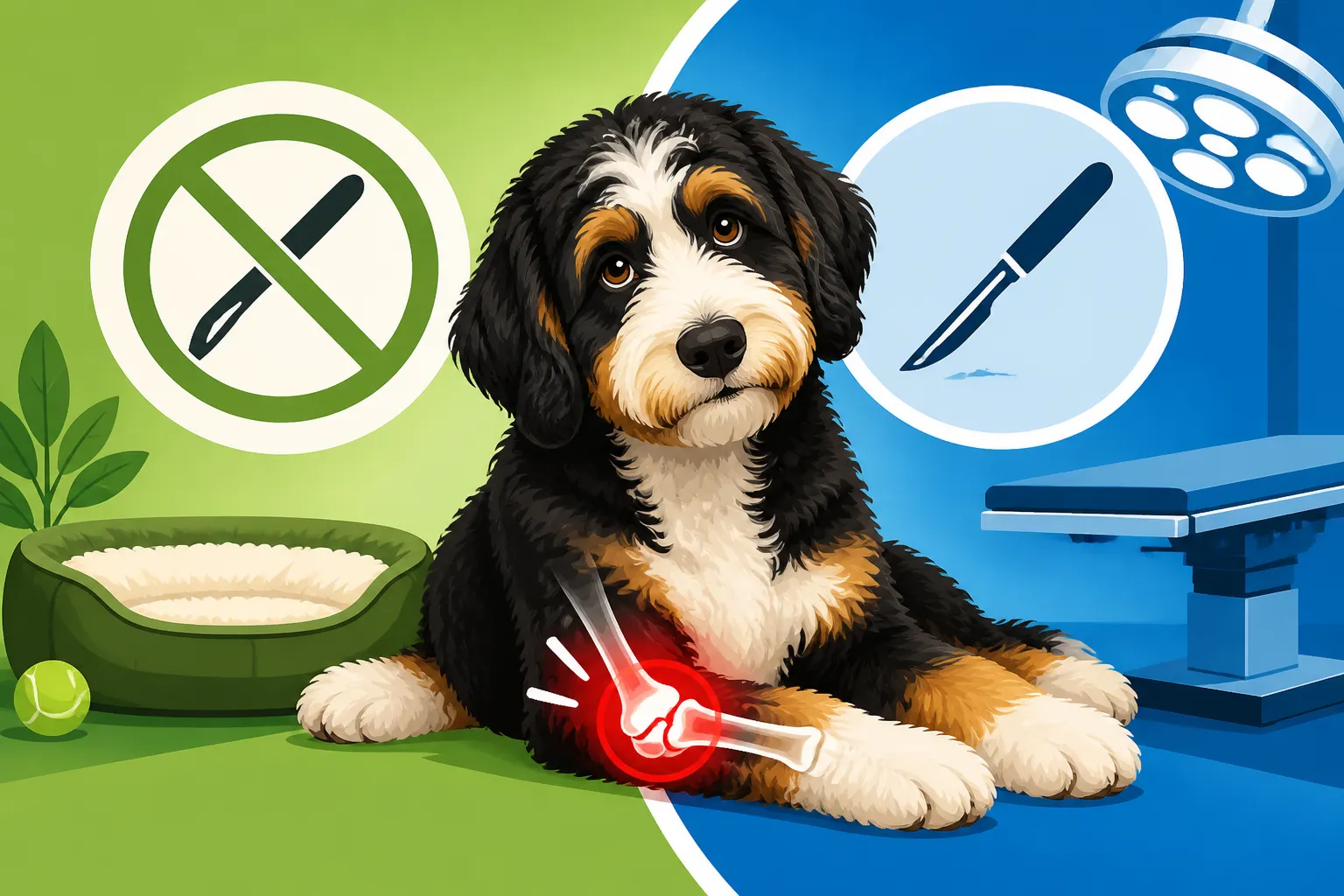
To help visualize the difference, here's a comparison:
| Feature | Non-Surgical Management | Surgical Intervention |
|---|---|---|
| Primary Goal | Pain relief, slow arthritis progression, maintain comfort | Correct anatomical defect, eliminate pain source, restore function |
| Conditions Suited For | Mild cases, early arthritis, older dogs, post-op support | Specific lesions (FCP, UAP, OCD), severe incongruity, failure of conservative management |
| Invasiveness | Non-invasive | Minimally invasive (arthroscopy) to invasive (open surgery, TER) |
| Recovery Time | Ongoing management, immediate comfort improvement, but no "cure" | Weeks to months of strict rest and rehabilitation |
| Cost | Ongoing medication, supplements, therapy (can be significant over time) | High initial cost (diagnosis, surgery, post-op care), but potentially long-term relief |
| Prognosis | Can provide good quality of life, but underlying problem remains | Often good to excellent for pain relief and improved function, but arthritis may still progress |
Life After Diagnosis: Supporting Your Bernedoodle
Whether your Bernedoodle undergoes surgery or is managed conservatively, life after an elbow dysplasia diagnosis requires a dedicated approach to care. This condition is chronic, meaning it's something you'll likely be managing for the rest of your Bernedoodle's life. Your commitment to their ongoing comfort and mobility will play a huge role in their quality of life. It’s a marathon, not a sprint, but with consistent effort, your Bernedoodle can still live a happy, fulfilling life.
Post-Operative Care and Rehabilitation
If your Bernedoodle has undergone elbow surgery, the post-operative period is crucial for a successful outcome. This phase demands immense patience and strict adherence to your veterinary surgeon's instructions. Skipping steps or rushing recovery can jeopardize the entire procedure.
Here's what you can generally expect:
- Strict Rest: This is often the hardest part for an active Bernedoodle. For several weeks, activity will be severely restricted. This means leash walks only for potty breaks, no running, jumping, or rough play. A crate might become your best friend to keep them calm and contained.
- Medication Management: Your dog will be on a regimen of pain medications, anti-inflammatories, and possibly antibiotics. Administering these exactly as prescribed is vital for comfort and preventing infection.
- Wound Care: Keeping the incision site clean and dry is paramount. You'll need to monitor for any signs of infection, such as redness, swelling, or discharge. An Elizabethan collar (the "cone of shame") might be necessary to prevent your Bernedoodle from licking or chewing the stitches.
- Physical Rehabilitation: Once the initial healing phase is over, typically around 2-4 weeks post-op, your vet will likely recommend a structured physical therapy program. This is absolutely critical for regaining strength, flexibility, and proper gait. A certified canine rehab therapist can guide you through exercises like passive range of motion, controlled walking, balance exercises, and eventually, hydrotherapy or underwater treadmill work. Swimming is particularly excellent for strengthening muscles without putting stress on the joints.
- Gradual Return to Activity: The transition back to normal activity will be slow and carefully controlled. Your therapist will help you gradually increase exercise intensity over several months, ensuring the joint can handle the load.
Remember, every dog and every surgery is different, so your vet's specific instructions will always be your primary guide. This intensive rehabilitation can sometimes be costly, but organizations like Healthy Paws can often cover a significant portion of these expenses, making it more feasible to provide your Bernedoodle with the best possible chance at a full recovery.
Long-Term Management and Prevention
Even after successful surgery or if you're managing elbow dysplasia conservatively, long-term care is essential. The underlying genetic predisposition and biomechanical issues mean that arthritis will likely be a lifelong concern. Your ongoing efforts will focus on minimizing pain, maintaining mobility, and preventing further joint damage.
Key aspects of long-term management include:
- Continued Weight Control: Reaching and maintaining an ideal body weight is perhaps the single most important factor. Even a few extra pounds can put immense strain on affected joints. Regular monitoring of their weight and calorie intake is a must.
- Appropriate Exercise Regimen: Stick to low-impact exercises. Regular, moderate activity is good for maintaining muscle mass and joint health, but avoid excessive running, jumping, or long periods of intense play. Short, frequent walks are often better than one long, strenuous outing. For more specific guidance, you might find Exercise That Suits a Bernedoodle With Bad Elbows helpful.
- Ongoing Joint Support: Continue with high-quality joint supplements containing ingredients like glucosamine, chondroitin, and omega-3 fatty acids. Your vet might also recommend periodic injections of polysulfated glycosaminoglycans (PSGAGs) or other joint-protecting therapies.
- Regular Veterinary Check-ups: Consistent vet visits are crucial for monitoring the progression of arthritis, adjusting pain management protocols, and catching any new issues early. Your vet can perform regular evaluations and recommend any necessary changes to your Bernedoodle's care plan.
- Environmental Adjustments: Keep your home joint-friendly. Provide orthopedic dog beds for comfortable resting, use ramps or steps to help them access furniture or vehicles, and ensure they have good traction on floors to prevent slips and falls.
- Consider Responsible Breeding: For future generations, understanding the genetic component is vital. Responsible breeders perform health clearances like those from the OFA to screen for conditions like elbow dysplasia in parent dogs. Learning about The Five Clearances a Bernedoodle Breeder Should Have can help you understand how this condition is hopefully being bred out of responsible lines. Remember, while hybrid vigor can sometimes reduce the incidence of certain diseases, Whether Elbow Dysplasia Is Heritable in a Bernedoodle confirms that genetic predisposition still plays a significant role from both parent breeds.
Managing elbow dysplasia is a journey, but with consistent care, a close relationship with your vet, and a loving, supportive environment, your Bernedoodle can continue to be the wonderful companion you cherish for many happy years.
Disclaimer
The information provided in this article is for general informational purposes only and is not intended as a substitute for professional veterinary advice. Always consult with a qualified veterinarian or animal healthcare provider for any questions or concerns regarding your Bernedoodle's health, diagnosis, or treatment options. Never disregard professional veterinary advice or delay seeking it because of something you have read here.