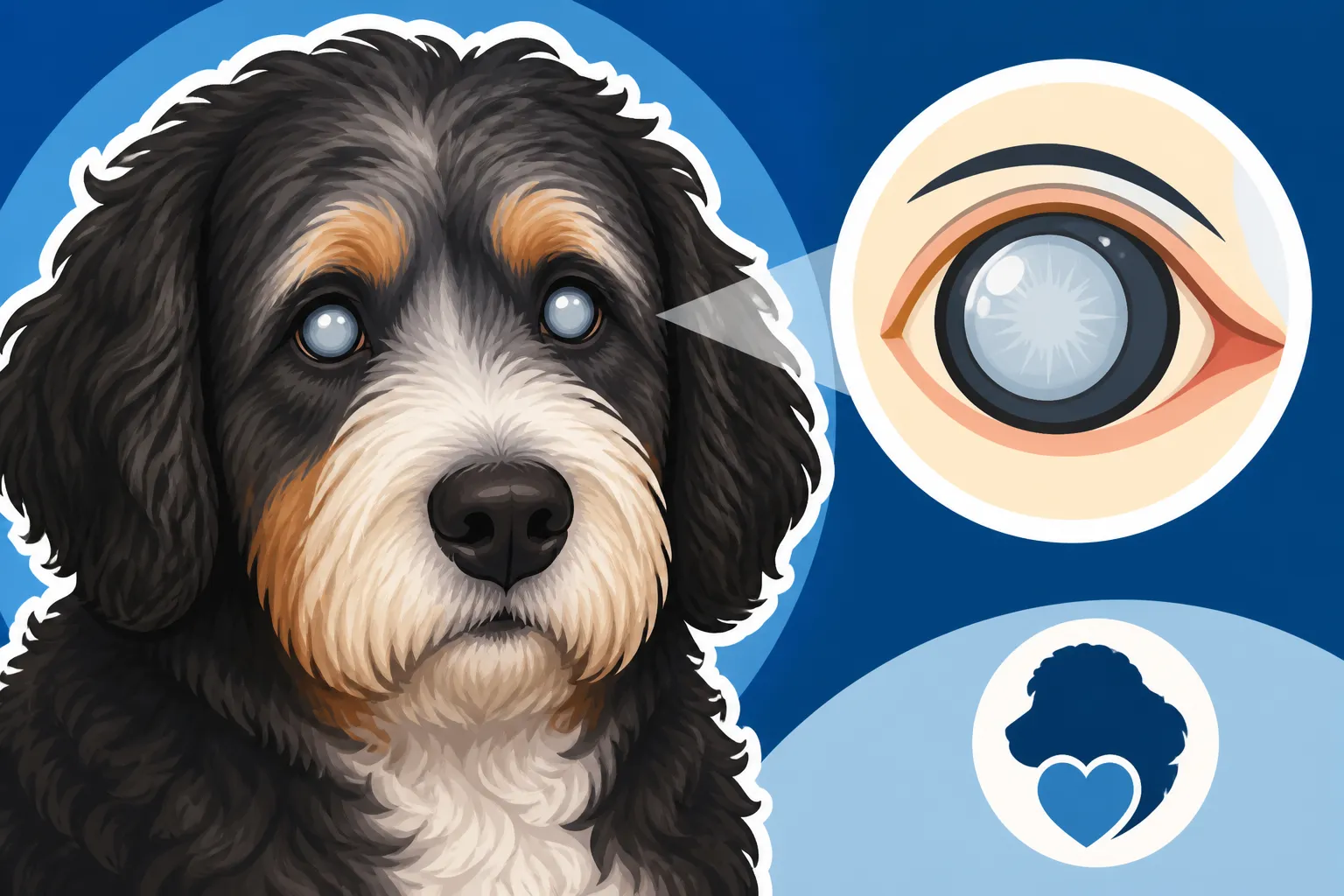
Cataracts in an Older Bernedoodle
It’s truly disheartening to see the light start to dim in your beloved Bernedoodle's eyes, especially as they enter their golden years. Many of us notice a subtle cloudiness or a change in how our senior pups navigate familiar spaces, and a common culprit behind these changes is the development of cataracts. This guide is here to walk you through everything you need to know about cataracts in older Bernedoodles, offering insights into why they happen, how to spot them, and what you can do to support your furry family member.
Understanding Cataracts in Senior Bernedoodles
When your Bernedoodle starts to get on in years, usually after the age of eight, you might notice some changes that make you pause. Just like us, dogs experience age-related conditions, and their eyes are no exception. The thought of your vibrant companion losing their sight can be incredibly worrying, but understanding the specifics of what's happening can make all the difference.
What Exactly Are Cataracts?
At its core, a cataract is an opacity or clouding of the lens inside your dog's eye. Think of the lens as a tiny, clear window that focuses light onto the retina, much like the lens of a camera. When that window becomes cloudy, light can't pass through effectively, leading to blurry vision or even complete blindness in severe cases. This clouding can happen for a few reasons. While most commonly associated with aging, cataracts can also be inherited, a consequence of other diseases like diabetes, or even a result of trauma to the eye.
For Bernedoodles, given their Poodle heritage, there's always a watchful eye for inherited conditions. While some cataracts can be congenital (present at birth) or juvenile (developing in young dogs), the ones we're focusing on for older Bernedoodles are predominantly senile cataracts, meaning they develop with age. These typically progress slowly, starting as a small cloudiness and gradually expanding to cover more of the lens. It's not an overnight process, which can sometimes make them hard to spot in their early stages.
How Common Are They in Older Bernedoodles?
It's a fact of life that as our dogs age, the likelihood of developing conditions like cataracts increases. For a Bernedoodle, particularly as they reach the age of eight and beyond – which we often consider their senior years – the occurrence of cataracts becomes more prevalent. Both parent breeds, the Bernese Mountain Dog and the Poodle, can be prone to various eye conditions, including cataracts. Standard Poodles, in particular, have a higher incidence of certain hereditary cataracts. When you blend these two breeds to create a Bernedoodle, you’re looking at a mixed genetic predisposition.
So, while not every older Bernedoodle will develop cataracts, it’s certainly something to be aware of and watch for. The exact prevalence can be tough to pin down due to the mixed-breed nature, but it’s safe to say that a significant percentage of senior dogs across all breeds will experience some degree of lens opacity. Regular veterinary check-ups, including thorough eye examinations, become even more crucial as your Bernedoodle moves into this life stage, giving you a better chance of catching these changes early. It’s part of The Screening a Bernedoodle Should Have Yearly.
The Difference Between Nuclear Sclerosis and Cataracts
This is a really important distinction, and one that often causes undue panic for pet parents! Many Bernedoodle owners will take their older dog to the vet, worried about a hazy look in their eyes, only to be told it's not actually a cataract, but something called nuclear sclerosis. Both conditions cause a bluish-gray haze in the lens, but they are fundamentally different in their impact on vision.
Nuclear sclerosis is a perfectly normal, age-related change in the lens of the eye. As dogs age, new lens fibers continue to form and compress the older fibers at the center of the lens, making it appear somewhat hazy or cloudy. Crucially, nuclear sclerosis typically causes only a very mild impairment of vision, if any at all. Dogs with nuclear sclerosis can usually see quite well, albeit perhaps a little less sharply than in their youth. It's often compared to presbyopia in humans – that age-related difficulty focusing on close objects.
Cataracts, on the other hand, are a true opacity of the lens that does significantly interfere with vision, sometimes leading to complete blindness. The cloudiness with a cataract is more dense and often looks whiter or milkier than the bluish-gray haze of nuclear sclerosis. A veterinarian, often with the aid of an ophthalmoscope, can easily differentiate between the two. While nuclear sclerosis doesn't typically require treatment, cataracts might. Understanding this difference can save you a lot of worry and unnecessary stress.
Here’s a quick comparison to help visualize the distinction:
| Feature | Nuclear Sclerosis | Cataracts |
|---|---|---|
| Appearance | Bluish-gray haze, often central | Opaque, white, or milky clouding |
| Vision Impact | Minimal to none; mild farsightedness possible | Significant vision impairment, can lead to blindness |
| Progression | Slow, age-related, non-progressive | Can be slow or rapid, progressive |
| Treatment Needed | Generally none | May require surgery, depending on severity |
| Cause | Normal aging process (lens fiber compression) | Age, genetics, diabetes, trauma, inflammation |
Recognizing the Signs of Cataracts
Catching cataracts early can make a big difference in how you manage the condition and support your Bernedoodle. It's not just about looking at their eyes; it's also about paying close attention to their behavior. Our furry friends are masters at adapting and masking discomfort, so sometimes the subtle changes in their routine are the biggest clues.
Visual Cues You Might Notice
The most obvious sign of cataracts is a visible change in your Bernedoodle's eyes. You might start noticing a cloudiness or haziness within the pupil, which is the center part of the eye. This isn't just a reflection; it's literally an opacity within the lens itself. Initially, it might be a small, almost imperceptible cloud, perhaps in one eye, or both. As the cataract progresses, this cloudiness can become denser, appearing milky white, gray, or even bluish.
Sometimes, the cataract might look like a small pearl or crystal embedded in the eye. You might notice it more easily in certain lighting conditions – perhaps when your dog is looking at a light source, or when they're in a dimly lit room. It’s important to look at both eyes carefully, as cataracts don't always develop symmetrically or at the same rate. Don't be shy about gently parting their fur around their eyes to get a clear view, especially if they have a long fringe or a thick Poodle-like coat.
Behavioral Changes to Watch For
While the visual cues are important, your Bernedoodle's behavior will often be the first real indicator that something is affecting their vision. If your dog is starting to lose their sight, they might become more hesitant or tentative in situations where they used to be confident. For example, they might start bumping into furniture that's always been there, especially in unfamiliar surroundings or at night. Navigating stairs might become a challenge, or they might seem to misjudge steps. This is a crucial area to monitor, particularly as What Changes in a Bernedoodle After Eight goes into effect.
You might also notice them being more reluctant to go outside in low light conditions or at dusk, as their reduced vision can make them feel vulnerable. They might start relying more on their other senses – their hearing and smell – to get around. Perhaps they'll stick closer to you on walks, or hesitate before jumping off the couch. Some dogs might even become a little more irritable or easily startled if they can't see what's approaching them. If you notice your Bernedoodle suddenly barking at objects they used to ignore, or seeming disoriented, it could be a sign their vision is declining.
When to See Your Vet
As soon as you notice any cloudiness in your Bernedoodle's eyes, or any changes in their behavior that suggest vision impairment, it's really time to call your vet. Don't wait until the cloudiness is profound or they're constantly bumping into things. Early detection is key, not just for managing cataracts, but also for ruling out other potentially serious eye conditions that might mimic the appearance of cataracts. Your general veterinarian can perform an initial eye examination, often using an ophthalmoscope, which allows them to get a clear view of the lens and differentiate between conditions like nuclear sclerosis and a true cataract.
If a cataract is suspected, your vet may recommend a referral to a veterinary ophthalmologist, a specialist who has advanced equipment and expertise in diagnosing and treating eye conditions. They can accurately assess the type, size, and maturity of the cataract, and discuss potential treatment options with you. This proactive approach ensures your Bernedoodle gets the best possible care and can help maintain their quality of life as they age. Remember, their annual vet visit is also an excellent opportunity for eye health screening, which is a key part of The Screening a Bernedoodle Should Have Yearly.
Managing Cataracts in Your Senior Bernedoodle
Discovering your Bernedoodle has cataracts can feel overwhelming, but the good news is there are often ways to manage the condition and ensure they live a full, happy life. It’s about understanding the options and making the best choices for your specific dog.
Treatment Options: Surgical vs. Medical Management
When it comes to treating cataracts, the primary and most effective treatment for restoring vision is surgical removal. This procedure, performed by a board-certified veterinary ophthalmologist, involves removing the cloudy lens and often replacing it with an artificial intraocular lens, much like human cataract surgery. The success rate for cataract surgery in dogs is generally very high, often above 90%, especially when performed on cataracts that are not overly mature. The goal is to restore functional vision, allowing your Bernedoodle to see clearly again.
However, cataract surgery is not suitable for every dog. Factors such as overall health, the presence of other eye diseases (like glaucoma or retinal detachment), age, and the financial commitment involved can all play a role in the decision-making process. The recovery period requires diligent post-operative care, including administering multiple eye drops and restricting activity. It's a significant undertaking for both you and your dog.
If surgery isn't an option, or if the cataracts are small and not significantly impacting quality of life, medical management might be considered. This typically involves anti-inflammatory eye drops or antioxidants, which may help to slow the progression of some types of cataracts or manage secondary inflammation, but they generally cannot reverse or dissolve existing cataracts. Sometimes, a veterinary ophthalmologist might prescribe specific drops to keep the pupil dilated, which can allow more light to reach the retina around the edges of the cataract, offering some visual improvement in specific cases. It's crucial to have realistic expectations; medical management aims to maintain comfort and potentially slow progression, not restore lost vision.
Supporting Your Bernedoodle at Home
Regardless of whether your Bernedoodle undergoes surgery or not, there are many practical ways you can support them at home if their vision is impaired. Creating a safe, predictable environment is paramount. Try to keep furniture and their food and water bowls in consistent locations. Avoid rearranging things frequently, as this can disorient a dog who relies on memory and scent to navigate. Providing a clear path to their favorite sleeping spots, food, and exit points can make a huge difference.
Utilize other senses: use verbal cues consistently. Saying "step up" before a curb or "watch out" before a potential obstacle can help them anticipate. You can also incorporate scents by placing a drop of essential oil (safe for pets, of course, like lavender or vanilla) near their bed or water bowl to help them locate important areas. Gentle guidance with a leash indoors can also build confidence. Make sure their walking routes outdoors are safe and familiar, and always keep them on a leash, as their inability to see approaching hazards could be dangerous. Remember, a senior dog needs patience and understanding, similar to how we might modify routines for Caring for a Bernedoodle Past Eight.
Preventative Measures and Eye Health
While we can't completely prevent age-related cataracts (it's a natural part of getting older for many dogs, just like us!), there are certainly things we can do to promote overall eye health and potentially reduce the risk or severity of some conditions. Regular comprehensive veterinary check-ups are foundational. During these visits, your vet can examine your Bernedoodle's eyes, looking for any early signs of issues and monitoring for conditions like diabetes, which is a major risk factor for rapid cataract development. Getting a regular [CAER exam] is also a good idea.
A balanced, high-quality diet appropriate for a large breed like the Bernedoodle, potentially one tailored for senior dogs, can provide essential nutrients and antioxidants that support eye health. Some owners and vets explore supplements containing antioxidants like Vitamins C and E, lutein, and zeaxanthin, though scientific evidence for their direct impact on cataract prevention in dogs is still evolving. Discuss any dietary changes or supplements with your vet first to ensure they are appropriate and safe for your dog.
Additionally, protecting your Bernedoodle's eyes from injury is important. Avoid dusty or windy environments where debris could irritate their eyes. If they enjoy car rides with the window down, consider dog-specific goggles to shield their eyes. Keeping the fur around their eyes trimmed can also prevent irritation from long hairs. Proactive care for all aspects of their health, including their vision, contributes to their overall well-being as they age. The Eye Conditions a Bernedoodle Is Tested For further illustrates the importance of understanding their genetic predispositions.
The Long-Term Outlook for Bernedoodles with Cataracts
Dealing with cataracts in an older Bernedoodle can be an emotional journey, but it’s important to remember that a diagnosis doesn’t mean the end of their happy, fulfilling life. With the right approach and a lot of love, you can ensure your Bernedoodle continues to thrive.
Quality of Life Considerations
The most important thing to focus on when your Bernedoodle has cataracts is their quality of life. For many dogs, even with significant vision loss, their other senses compensate remarkably well. They learn to rely more on their excellent sense of smell and hearing, navigating their world with surprising grace in familiar environments. Your role as their human is to facilitate this adaptation.
This means maintaining a consistent routine, keeping their home environment unchanging, and using verbal cues and scent markers as mentioned earlier. Providing safe, enclosed outdoor spaces for exercise, and ensuring they are always on a leash during walks outside the yard, will keep them secure. Think about ways to engage them that don't rely heavily on sight, such as scent games or toys that make noise. Many Bernedoodles with limited vision continue to enjoy their favorite activities, whether it's cuddling on the couch, playing with a squeaky toy, or going for gentle walks. The key is adaptation, not limitation. For a senior dog, ensuring comfort is paramount, similar to considering how to best support An Old Bernedoodle That Cannot Rise.
Potential Complications
While cataracts themselves primarily affect vision, their presence can sometimes lead to other eye complications that are more painful or debilitating. One of the most significant concerns is lens-induced uveitis. When the lens develops a cataract, its protein structure can change. Over time, some of these altered proteins can leak out of the lens and into the eye, triggering an inflammatory response. This inflammation (uveitis) can be very painful, leading to redness, squinting, excessive tearing, and even affecting the overall health of the eye. If left untreated, severe uveitis can predispose the eye to other serious conditions like glaucoma.
Glaucoma is another potential complication, characterized by increased pressure within the eye. This pressure can cause severe pain and lead to irreversible blindness quickly. Cataracts, particularly those that are very mature or have caused significant inflammation, can sometimes contribute to the development of glaucoma. This is why regular monitoring by a vet or ophthalmologist is crucial, especially if surgery isn't performed, as they can track changes in eye pressure and inflammation. Early intervention for these secondary complications can help manage pain and preserve any remaining vision.
Financial Aspects of Cataract Care
It’s no secret that veterinary care, especially specialized procedures like eye surgery, can be expensive. Diagnosing cataracts often involves the initial vet visit, possibly a referral to a veterinary ophthalmologist, and diagnostic tests. If surgery is chosen, the costs can range from a few thousand dollars per eye, depending on your location, the complexity of the surgery, and post-operative care. This figure usually includes the surgeon's fee, anesthesia, monitoring, the artificial lens, and initial medications.
Ongoing medical management, while less costly than surgery upfront, can still accrue expenses for regular vet visits, eye drops, and potential management of secondary complications. This is where having pet insurance can be a real game-changer. Many pet insurance providers, like Healthy Paws, offer plans that cover a significant portion of unexpected veterinary costs for conditions like cataracts, as long as the condition isn't pre-existing. It's always a good idea to research pet insurance options early in your Bernedoodle's life, rather than waiting until health issues arise. Understanding what Insuring a Bernedoodle Against the Bernese Half entails can provide peace of mind for various health concerns. This proactive financial planning can alleviate a lot of stress when facing significant health decisions for your beloved companion.
Disclaimer
The information provided in this guide is intended for educational and informational purposes only and does not constitute veterinary advice. Always consult with a qualified veterinarian or veterinary ophthalmologist for any health concerns or before making any decisions about your Bernedoodle's medical care.