Whether a Bernedoodle Gets Yeast Between Its Toes
Oh, the infamous "Frito feet"! If you've got a Bernedoodle, you might already be familiar with that distinct, slightly yeasty scent coming from their paws, or perhaps you're seeing your beloved floof obsessively licking and chewing their feet. It's a common, frustrating issue for many Bernedoodle parents, and it often points to a yeast infection taking root between their adorable toes. This guide is all about helping you understand why this happens, how to spot it, and what you can do to bring those paws back to tip-top, sniff-test-approved condition.
Recognizing the Pesky Signs of Yeast Infections Between Bernedoodle Toes
Spotting a yeast infection early can save your Bernedoodle a lot of discomfort and prevent the issue from becoming a chronic, harder-to-manage problem. It’s not always obvious, especially with all that wonderful Bernedoodle fluff, but once you know what to look for, you'll be a paw detective in no time!
The Itch, Licking, and Chewing Obsession
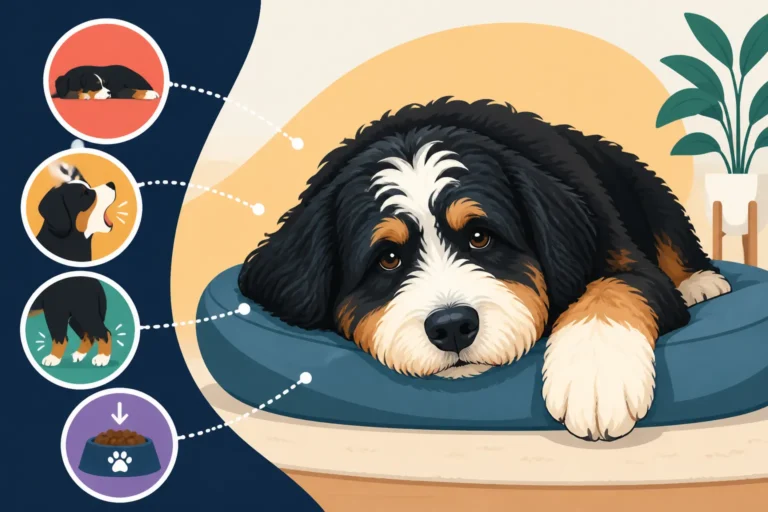
The most glaring sign that something is amiss with your Bernedoodle's paws is often their behavior. If you notice your dog constantly licking, chewing, or even gnawing at their feet, especially between the toes and around the pads, it’s a huge red flag. This isn't just a casual groom; it's a persistent, often desperate attempt to alleviate an intense itch or discomfort.
Imagine having an unbearable itch that you just can't scratch properly – that's often what your Bernedoodle is experiencing. They might do it when they're relaxed on the couch, or even wake themselves up at night with their chewing. This relentless self-trauma can lead to secondary problems, like bacterial infections, open sores, or even significant hair loss around the affected areas. It's truly heartbreaking to watch, and it's a clear signal that it's time to investigate further.
Discoloration and Odor Clues
Beyond the behavioral signs, there are physical indicators that are often tell-tale signs of a yeast infection. One of the most common and recognizable is the "Frito feet" smell. Yes, seriously! Yeast has a very distinct, somewhat sweet, corn chip-like odor. If you pick up your Bernedoodle's paw and get a whiff of something akin to a bag of corn chips, you're likely dealing with yeast overgrowth.
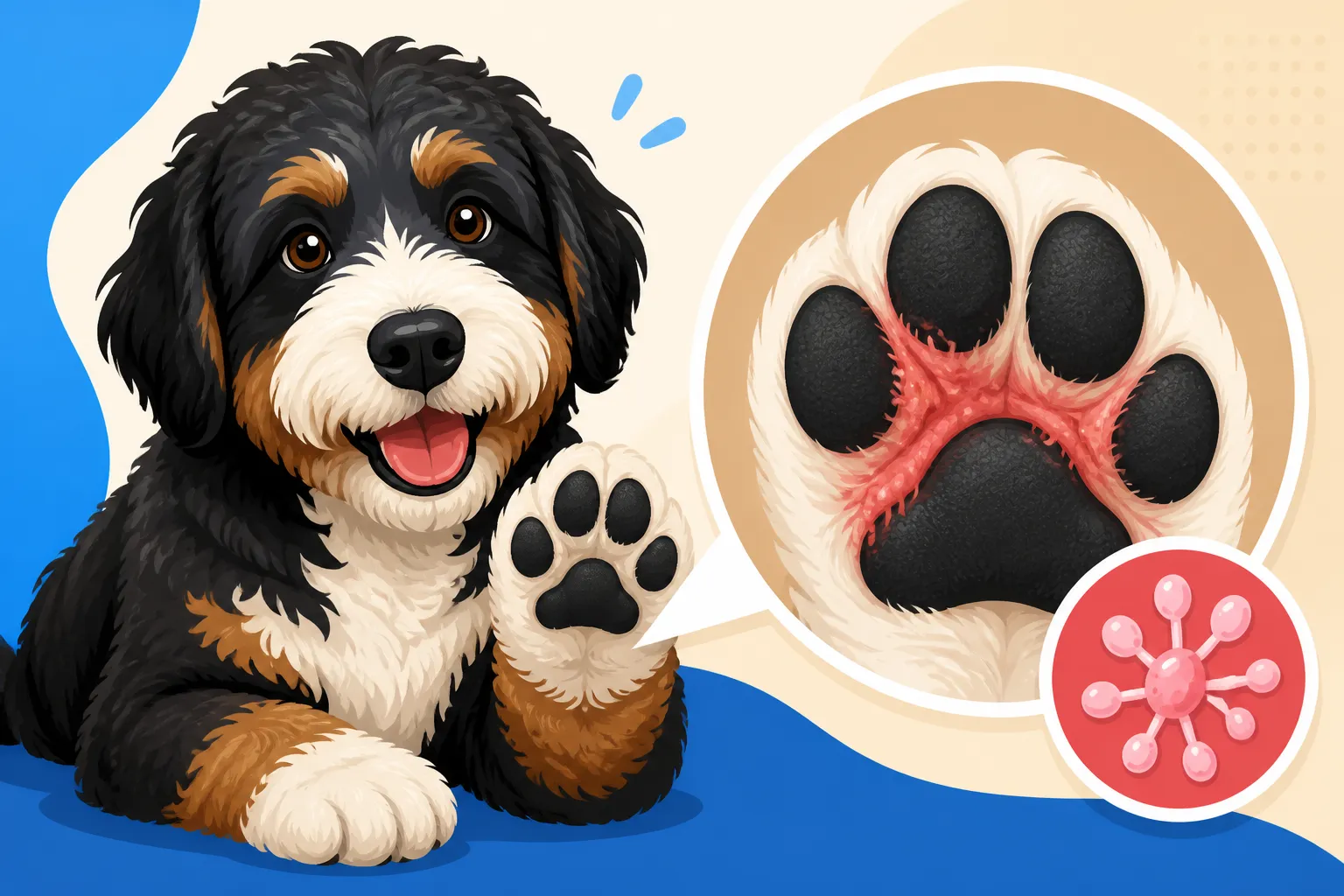
Along with the smell, you might notice a reddish-brown discoloration on the fur between their toes, especially on lighter-colored Bernedoodles. This isn't just dirt; it's actually staining from the yeast itself, which produces porphyrin, a pigment. The skin underneath might also appear red, inflamed, or even a bit greasy. In some cases, the nails themselves might also take on a brownish hue at the base, indicating the yeast has really settled in.
Texture Changes and Swelling
When a yeast infection has been present for a while, it can start to cause noticeable changes to the skin's texture. The skin between the pads and toes might feel thicker, almost leathery to the touch, which vets often refer to as "lichenification." It can also become quite greasy or oily, even after a bath, due to the yeast's effect on the skin's natural oils.
In more severe or prolonged cases, you might even observe some swelling in the affected paw. The toes could look puffy, or the entire paw might seem a bit larger than usual. This swelling contributes significantly to your Bernedoodle's discomfort, making walking or even standing for long periods painful. It's a clear indication that the inflammation is quite advanced and needs prompt veterinary attention.
What Makes Bernedoodles Prone to Yeasty Toes?
It often feels like some dogs are just magnets for these kinds of issues, doesn't it? While yeast, a fungus called Malassezia pachydermatis, is naturally present on a dog's skin, certain factors in Bernedoodles can create the perfect storm for an overgrowth, turning a normal commensal organism into a troublesome infection.
The Dampness and Dark Corners of Their Paws
Think about your Bernedoodle's paws: they’re often densely furred, sometimes with webbing between the toes, and those adorable drop ears too! This dense coat, inherited from both the Bernese Mountain Dog and Poodle sides, can trap moisture like nobody's business. Whether it’s from a romp in dew-covered grass, a splash in a puddle, a refreshing swim, or even just humidity in the air, moisture can get locked into those warm, dark crevices between their toes and paw pads.
Once that moisture is trapped, it creates a wonderfully humid, warm environment where yeast absolutely thrives. Unlike areas with better airflow, the spaces between the toes don't dry out quickly on their own. This constant dampness, combined with the normal body heat, acts like a cozy little incubator for yeast to multiply rapidly, leading to the itchy, smelly mess we're discussing. It's a challenge, especially for active dogs who love exploring the outdoors or those Whether a Bernedoodle Swims to Cool Off during the warmer months.
Underlying Allergies: The Root Cause Many Miss
Here's the kicker for many Bernedoodles: often, a yeast infection isn't the primary problem, but rather a secondary issue stemming from an underlying allergy. Just like people, dogs can suffer from environmental allergies (atopy) or food allergies. When a Bernedoodle experiences an allergic reaction, their immune system goes into overdrive, leading to inflammation throughout their body, including their skin.
This inflammation weakens the skin's natural barrier, making it less effective at fending off opportunistic invaders like yeast. The itching caused by the allergy also leads to increased licking and chewing, which further irritates the skin and introduces more moisture and bacteria, compounding the problem. Common environmental allergens include pollen from trees, grasses, and weeds, as well as dust mites and mold. Food allergies often involve common proteins like chicken, beef, dairy, or wheat. If your Bernedoodle also has Skin Problems Under a Bernedoodle's Heavy Coat or Ear Infections in a Bernedoodle's Drop Ear, there's a good chance an allergy is playing a significant role in their recurring yeast issues. Addressing the allergy is crucial for long-term relief from yeast infections.
Immune System Weakness and Other Health Factors
While allergies are a major culprit, other factors can also contribute to a compromised immune system, making your Bernedoodle more susceptible to yeast overgrowth. Stress, for example, can suppress the immune system. A recent course of antibiotics might have wiped out beneficial bacteria on the skin, allowing yeast to flourish unchecked. Similarly, medications like corticosteroids, often prescribed for other inflammatory conditions, can suppress the immune system and make yeast infections more likely.
Other systemic health issues, even those seemingly unrelated, can impact a dog's overall immune response and skin health. Conditions that affect hormone levels, such as hypothyroidism, can also predispose a dog to skin and yeast problems. It's a complex interplay, which is why a holistic approach to your Bernedoodle's health is always best. Good nutrition, regular exercise like The Exercise a Standard Bernedoodle Needs Daily, and maintaining a healthy weight also play a role in overall immune function.
Tackling Yeast Infections Between Your Bernedoodle's Toes
Okay, so you suspect your Bernedoodle has yeasty toes. Now what? The good news is that yeast infections are treatable, but it often requires a multi-pronged approach and a bit of patience.
Veterinary Diagnosis: Don't Self-Diagnose!
While the "Frito feet" smell and incessant licking are strong indicators, it’s absolutely crucial to get a proper veterinary diagnosis. Self-diagnosing and trying home remedies without confirmation can delay effective treatment and even worsen the problem if it's something else entirely. Your vet will perform a simple, quick test called cytology. They'll gently press a piece of clear tape or a slide onto the affected skin, then examine it under a microscope to confirm the presence and quantity of yeast organisms.
This step is vital because other conditions, such as bacterial infections, parasitic infestations (like mites), or even foreign objects lodged between the toes, can present with similar symptoms. Your vet can rule these out and ensure you're treating the correct problem. They can also discuss whether your Bernedoodle might also be suffering from Whether a Bernedoodle Itches From Atopy or Fleas, as treating the underlying allergy is paramount.
Topical Treatments and Home Care
Once a yeast infection is confirmed, your vet will likely prescribe topical treatments. These might include medicated shampoos, mousses, wipes, or sprays containing antifungal ingredients like miconazole or ketoconazole. For paw infections, medicated paw soaks can be incredibly effective. A common recommendation is a diluted apple cider vinegar solution (1 part vinegar to 4-5 parts water) or an Epsom salt soak, but always check with your vet first before trying any home remedies. You want to make sure the solution is appropriate and won't further irritate your Bernedoodle's skin.
After any wash or soak, it’s absolutely essential to thoroughly dry your Bernedoodle’s paws. This means getting in between each toe and paw pad. A gentle towel dry followed by a low-setting hairdryer (if your dog tolerates it) can be really helpful. Remember, moisture is yeast's best friend! Consistency is key with topical treatments; expect to apply them daily for at least a couple of weeks, or as long as your vet advises, even if symptoms seem to improve quickly.
Addressing the Underlying Causes
Treating the visible yeast infection is just one part of the puzzle. For long-term success and to prevent recurrence, you must identify and manage the underlying cause. If allergies are suspected, your vet might recommend further diagnostics, such as allergy testing or an elimination diet trial for food sensitivities. Managing allergies can involve special diets, antihistamines, omega-3 fatty acid supplements, or even immunotherapy (allergy shots or drops).
Regular grooming also plays a huge role. Keeping the hair between your Bernedoodle’s paw pads trimmed short significantly improves airflow and reduces moisture retention. This is part of the extensive What a Standard Bernedoodle Groom Costs that many owners budget for. Additionally, boosting your dog's overall health through a balanced diet, proper weight management, and minimizing stress can support their immune system. When considering the costs associated with chronic conditions like allergies and recurrent infections, having a robust pet insurance plan can be a lifesaver. Providers like Healthy Paws are known for covering unexpected illnesses and accidents, which can significantly ease the financial burden of managing these ongoing health challenges. It's worth researching What Insuring a Standard Bernedoodle Runs to understand your options.
Prevention: Keeping Those Bernedoodle Paws Fresh and Healthy
An ounce of prevention is truly worth a pound of cure, especially when it comes to keeping those Bernedoodle paws free from yeasty invaders. Establishing a proactive routine can make a world of difference for your furry friend.
Diligent Paw Hygiene and Drying Routines
The simplest and most effective preventative measure is diligent paw hygiene. Make it a habit to check your Bernedoodle’s paws daily, especially after walks, playtime in damp areas, or any time they’ve been in water. Wipe their paws thoroughly with a clean, dry towel. For dogs who love to splash, like when Whether a Bernedoodle Swims to Cool Off, a more intensive drying session is required. Use a dedicated paw cleaner or a damp cloth to remove any dirt or debris that might be trapped, then follow up with a very thorough drying, paying extra attention to the spaces between the toes.
During humid weather, or if your Bernedoodle has The Wavy Coat Most Bernedoodles Carry that seems to hold moisture, consider using a moisture-absorbing powder (like cornstarch, again, checking with your vet) or an antifungal paw spray as a preventative measure after drying. Consistency here is paramount – just a few minutes each day can prevent weeks of discomfort.
Regular Grooming and Trimming Between Pads
Your Bernedoodle’s luxurious coat is beautiful, but it can be a magnet for moisture and debris, especially on their feet. Regular professional grooming is not just for aesthetics; it's a vital part of health maintenance. Ask your groomer to trim the hair between your Bernedoodle’s paw pads short. This significantly improves air circulation and reduces the surface area where moisture and yeast can collect.
If you’re comfortable doing it yourself, you can use blunt-nosed scissors or a small clipper on a low setting. Be incredibly careful, as the paw pads are sensitive, and you don’t want to nick them. Frequent brushing, as discussed in How Often a Bernedoodle Should Be Brushed, also helps keep the coat healthy and prevents matting, which can exacerbate skin issues on the paws and elsewhere. Regular baths using appropriate dog shampoo, followed by meticulous drying like in Bathing and Drying a Ninety Pound Bernedoodle, are also essential.
Supporting Skin Health from Within
A healthy body often leads to healthy skin. Ensure your Bernedoodle is on a high-quality, balanced diet that supports overall health and immune function. Some foods are formulated with skin health in mind, containing omega-3 and omega-6 fatty acids, which can help strengthen the skin barrier and reduce inflammation. Omega-3 supplements, like fish oil, can also be beneficial, but always consult your vet for appropriate dosing.
Maintaining a healthy weight is also crucial. An overweight Bernedoodle might have more skin folds where moisture and yeast can hide, and it adds stress to their joints. If your Bernedoodle is prone to packing on the pounds, consider carefully managing their food intake; remember that Whether a Bernedoodle Can Be Free Fed is often not the best approach for weight control. Investing in your Bernedoodle's preventative care can save you headaches and vet bills down the line. Many pet insurance plans, like those from Healthy Paws, emphasize wellness coverage or offer options that help manage costs related to preventative care and chronic conditions, highlighting how vital it is to stay on top of your dog’s health.
Common Paw Issues Comparison
Here's a quick reference table to help differentiate between some common Bernedoodle paw problems:
| Symptom / Sign | Yeast Infection | Bacterial Infection (often secondary) | Allergy (primary cause) | Foreign Object (splinter, thorn) |
|---|---|---|---|---|
| Licking/Chewing | Persistent, often intense | Intense, especially if pus or open sore | Persistent, often on multiple paws | Sudden, focused on one paw, limping might occur |
| Odor | Distinct "Frito feet" smell | Pungent, sometimes foul, may have pus smell | May have a yeasty smell (if yeast is secondary) | None specific, unless infected |
| Discoloration | Reddish-brown staining on fur, red skin | Redness, pus, crusts, greenish tinge | Redness, inflammation, often symmetrical on paws | Localized redness, swelling, often puncture wound |
| Texture/Appearance | Greasy, thickened (lichenified) skin, scaly | Swelling, hot to touch, pustules, scabs | Inflamed, dry or oily skin, often hair loss | Localized swelling, tenderness, visible object (if shallow) |
| Pain/Discomfort | Itchy, sometimes painful | Painful, tender to touch, limping | Very itchy | Acute pain, limping, reluctance to bear weight |
| Common Locations | Between toes, paw pads, nail beds | Between toes, paw pads, any broken skin | Between toes, paw pads, also ears, armpits, groin | Any part of the paw, especially pads and between toes |
Disclaimer
The information provided in this article is for general informational purposes only and is not intended as a substitute for professional veterinary advice. Always seek the advice of your veterinarian or other qualified animal health provider with any questions you may have regarding a medical condition or treatment for your Bernedoodle.